Shane Lenton: How can I engineer a solution that ultimately solves the customer frustration at the same time creates an opportunity for the retailer? There was a server rack at the time. It was literally in an old bathroom with a portable air conditioner. It's about having an ecosystem and a framework where you've got that single view of customer, you've got that single view of inventory.
[Voiceover]: Welcome to ADD to cart, Australia's leading e commerce podcast that express delivers all you need to know in the fast moving world of online retail. Every week, Nathan Bush from E Suite and an e commerce industry expert will share the news, research and insights that you need to know to keep you at the top of your game and of course, keep your customers. Adding to cart,
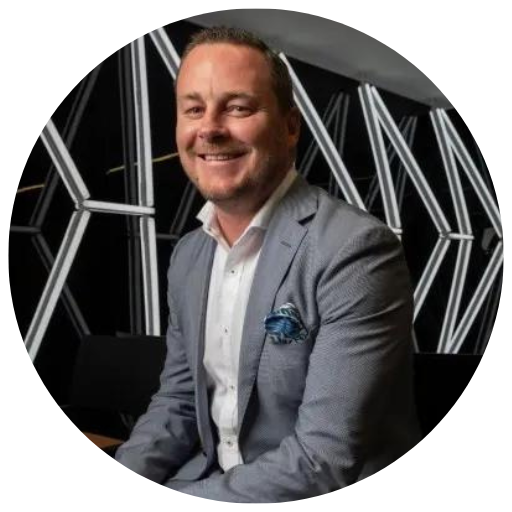
Nathan Bush: Add to Carters. My guest today is a digital veteran. I think I can say that without insulting him, who started at one of Australia's most renowned fashion retailers back when they kept their servers in an old bathroom. Those were their days. Hey, a little tinker while you tinker. Shane Lenton is the co founder and the CEO of the Wishlist and he has spent the last 14 years growing the digital capabilities at Q Clothing. His new venture is offering to solve a problem of clogged camera rolls everywhere. The Wish list allows shoppers to save product items for review and purchase later online or in store. Shane, as you'll hear today, is all about Omnichannel. It gives retailers the ability to capture customers details and preferences and automatically generate personalized marketing campaigns that build engagement and drive sales. Shane has a passion for customer service and a brain for tech and this combination has found its natural outlet with the Wish list. It is already embraced by retailers such as Kip Co, Mr. Poolman and Incoo. We hear today how Shane's idea gained real legs when his wife lost out on the perfect pair of boots. He also shares his thoughts on the key components of a great Omnichannel experience and how he started problem solving at an early age with a rope, a pulley and the family pet.
Nathan Bush: It's not as sinister as it sounds.
Nathan Bush: All right, thanks to our partners Shopify plus and and Paclio. Here's our conversation with Shane Lenton, co founder and CEO of the Wishlist company. Shane, welcome to ADD to cart.
Shane Lenton: Very good to be here. It was obviously a false start a few weeks ago, so apologies about that. But yeah, appreciate mate, you having me on the show.
Nathan Bush: It's more of the story to tell now. So very exciting.
Nathan Bush: We caught at online retail.
Nathan Bush: What was that? October last year?
Shane Lenton: Yeah, yeah, it was around then.
Nathan Bush: Yeah, that was Your first official launch
Shane Lenton: into market, I understand that was really us stepping out. We've been working on the platform for a little bit a while and that was sort of us announcing to the market that we're here, but in the next month or so, we're looking to sort of probably do something more formal.
Nathan Bush: Yeah, great.
Nathan Bush: In that time, the big announcement was that you have finished up at Kew after 14 years.
Nathan Bush: How did that feel?
Shane Lenton: When I spoke to the owners at Kew early December and we sort of came to that decision, it was probably at the start, it was something that I knew was coming and, you know, obviously I wanted to step out and really focus on the wish list. And for them, as a business, it was the time really, where after four years of consulting a few days a week, where for them it was time to sort of get someone in from a CRO perspective full time. So, yeah, look, that was a great discussion. And I think from that moment, just probably, I think it was easier, the fact that it was a mutual decision, so I didn't feel like I was leaving them. They came to a point where they needed to put someone on full time and felt they needed to do that. And to be honest, that probably made a lot easier than having that conversation three or four months or five months down the track as we're launching Wish List. For me to focus on that. But, yeah, look, I leave Q in I think really good hands, have worked very hard for a long period of time to really build the teams and that allowed me to, four years ago to sort of step out and focusing on consulting with other retailers in addition to Kew, and, yeah, have some amazing, you know, from an IT point of view and particularly from a digital point of view, have an incredible team and a great leader in Lauren there.
Nathan Bush: What are you most proud of in your 14 years at Kew?
Shane Lenton: Look, I think probably having someone like Lauren come into the business as I suppose, first job out of uni, coming in and developing within the team and various different managers that she's working with and ultimately reporting into. Myself, I think growing Lauren and the team from scratch, so certainly sort of very proud of. And then you've got her and she's just about to finish her MBA and take on the world, so. And similarly from an IT perspective, Peter was quite junior when he came on board. I think that was seven or eight years ago. And again, just, yeah, really working with the junior teams and growing them. And then, I think, you know, Q, as an iconic Australian retailer, has always had such a good brand and When I started there from a technology perspective, it was pretty much a bit of a greenfield. They had a room of, I mean for those IT nerds out there that have been around for a little while, they had green screen from POS point of view and they had a room full of dial up modems that each night would just, and I mean literally for those that, you know, when the Internet used to be modems that you just hear this each night and when you knew there was a big problem, it's when those not physically fell over, but when that solution fell over and, and they hadn't synced or polled that night, it meant that the sales data and any price changes hadn't been pushed out. So taking the business from there, the it, well, there was a server rack at the time. It was literally in an old bathroom with a portable air conditioner. And taking that from where we did all the way through to building a great team and I suppose what they're now considered as being a leader in the Omni Channel space and the offerings and that sort of seamless online and offline experience and taking a lot of the digital into store where it makes sense. And there's so many firsts when we're there. And a lot of them, I mean the vast majority, if not all, were really driven from changing consumer behavior and there was an opportunity there through partnerships to, you know, bring whether it was afterpay physically into store or you know, most recently one hour delivery from all stores around the country with Uber and ship it. It's just been a, you know, a great journey and an amazing platform. Phew.
Nathan Bush: I bet you're breathing a sigh of relief now that Black Friday is over for another year, right? Well, according to our friends at Shopify customers, they haven't stopped looking for bargains and they are going to keep chasing them all the way through 2023 as the cost of living takes its toll. Yes, that old chestnut. But Shopify have surveyed 2000 Australian customers and they found that 3 in 4 Australians are already reducing their discretionary spending and 84% of customers are comparing prices with price and value. Such a hot point for customers, it is worth considering how you are going to continually see send price messages throughout 2023 to keep your customers interested. The battle for the wallet is going to be fierce. To view more resources to help with your 2023 planning and see how Shopify can take your e commerce business to the next level, visit shopify.com au today
Nathan Bush: it feels like Q were in the headlines, almost like monthly from you'd open up inside retail every month and there'd be a new thing that Q are doing, which is fantastic, and how much you drove forward there. And we're going to talk about Wishlist because I think it's really fascinating what you're building there. But before we do, you are really well known in the industry for talking and driving omnichannel experiences. And I think, you know, one of the first to really push this hard when no one was really talking about it, when it was kind of called multichannel and no one really knew where it fit. And it's always been your story and your narrative. What's your definition of a great omnichannel experience in 23?
Shane Lenton: I think I'd probably even go back a little bit further from that. Even just looking at it from a technical perspective. Look, I think it's hard to fake and I think trying to put band aid solutions and things like that, or try and put forward an initiative without having the foundations in place ultimately makes things. It's very hard to provide a great experience and very hard from team members potentially in store. And if you provide a bad experience for a customer, it's very hard to win them back. So, look, I think for me, always start with foundations. So whether that's. There's many different names for it these days, but whether it's a retail management system, erp, point of sale, unified commerce, whatever you want to call it, I think having a good core is critically important. Obviously now there's a lot more conversation around microservices, architecture and things like that, which I'm a massive believer in. But regardless, it's about having an ecosystem and a framework where you've got that single view of customer, you've got that single view of inventory, meaning that each of the touch points across the business, whether that's customer care and someone interacting with customer care, whether that's online, whether that's at any store. The ability for. If a customer is a known customer, the ability for the team member or that customer to have a seamless experience due to the fact that, you know, I have identified myself. I'm on a different touch point now and that same level of information is available for me, both for the retailer to provide a curated experience, but also me from a consumer perspective, to be able to check out without having to enter a new payment method every time. We'll talk about pain points. So I won't take too much away from that conversation in a few minutes. But so for me, it's a good omnichannel experience, it's really experience for, it's great for the consumer, creates an opportunity for the retailer that is seamless. It's all those things like contextual commerce. So if I'm browsing, if I'm on social media, if I'm on the website, or if I ring customer care and say, hey, I'm looking For this size 10 shoe, it's the ability for them to transact in the moment rather than point me in the direction of a store and then have to ring the store and that store not be able to deliver it to me and all those sorts of things. So I think the foundations is single view of customer, the single view of inventory so that not only can I engage with the brand, but I can transact in the moment. And then that philosophy of buy anywhere, fill anywhere. So if I'm in a particular store and the right size or color is not available, I shouldn't have to leave and jump on the website, I shouldn't have to wait for you to transfer that product in. I should be able to transact there and then you should know where the product is and then order orchestration should kick in. And chances are if it's a store within a 10k radius, that's of where I live, that item should be delivered before I get home or at least give me the opportunity to have that done. But critically important is having the foundations and the platforms in place, talking in real time and then ultimately being able to execute on it.
Nathan Bush: As a cio you talk a lot about customer. Have you always been that way?
Shane Lenton: Yeah, 100%. So for me up from getting into technology as a starting point, technology for me was always a conduit into business. It wasn't necessarily an out and out passion for technology, it was how can I have an impact on business and ultimately to do that, how can I drive an amazing customer experience? So and how can I make things easier? I mean it's from when I was a kid, you know, when it was my, my job to feed the dogs who had a two story house and why should I have to go down, go down the stairs and around the back, why can't I just. The kitchen was close to the balcony. So you know, as a seven or eight year old I had a little rope system with the dog food with the bowl punched some holes in the sides and had a little three way sort of rope system happening. But it's just like how can I make things easier and streamline and more efficient? And I mean I've been in tech for 20 years. But for me, the opportunity to get into retail, it wasn't a natural thing. I started in finance tech for the first time, but that opportunity to get in retail was something really tangible. We're all consumers, so it's really relatable for me. So then getting into retail and having that technology background, my question was always, why not? When I could see friction or I could see pain points or I could see missed opportunities, it was like, okay, how can I engineer a solution that ultimately solves the customer frustration at the same time creates an opportunity for the retailer? And that's really sort of been my philosophy. And then you break that down and all those things I talked about, you know, the real time visibility, the ease of payments and friction and delivery options and all those things just form part of the puzzle. Interestingly, I was asked the other day by someone, they said, you know, does one hour delivery? Do consumers really need it? And I said, well, they don't always need it and they won't always use it, but there are times when they do need it. And by offering everything from free and slow to pay a little bit in between, and then pay a premium to get something really quick, that means that as a consumer, that particular retailer, if I want their product in all different situations, they become a retailer of choice.
Nathan Bush: So, yeah, I love what you said there around retail. Coming from a finance background, going over to retail, because everyone themselves is a consumer. So when people ask that question, do consumers really need one hour delivery? You kind of think of your own behavior and you go, yeah, most of the time, no. But I do remember a couple of times where that will sway my decision. So I love the way you frame that. You also mentioned in there, you kind of threw them away. Single view of customer, single view of inventory, getting them right. They sound so easy when they roll off the tongue. Which of the two is easier depends on the organization.
Shane Lenton: And I really say this because if we talk about single view of inventory, there's. There's a few layers to it. So the first one is having the technology. And then to be honest, most platforms, the technology's there, but most retailers don't necessarily have the discipline or have invested in the tech to. Or the people to do stock takes or cycle counts. And obviously RFID is becoming a big thing now because it's a bit more affordable. But when you look at single view of inventory and the rules or the right to play, as I put it, that accuracy of inventory is critically important because you can have the single view of inventory, but if you can't trust it, you can't utilize it. So and no matter how much tech you want to throw at it, the people and process are as much a part of that single viewer inventory. A lot of retailers, you know, often I think get caught up and I can say this being a consultant, I'll say former consultant, but over the years I'll still do a little bit more from here time to time. But a lot of consultants love to sell tech. But from my perspective, most of the platforms can handle or facilitate handling very accurate inventory. But the retailer needs the right process and policies in place, they need buy in from the teams, they need the right framework and there's no shortcuts there. Yes, some of the tech can make it a little bit easier, but you've still got to do that an element of heavy lifting and you've still got to get that right. And no amount of technology throwing at it is going to solve everything. So I think that one's on one hand is a little bit harder because you've got a people element. But then the flip side, I think it's a harder technical element on the single view of customer. And I say that because across the board for a multi channel retailer, a lot of the legacy, a lot of POS platforms out there have a lot of cases have been around for a while and they do a really, really good job in store and they've obviously had to evolve and have a suite of APIs that don't always do everything but they do a reasonable amount of stuff. But there's still a massive gap between the vast majority of them in their ability to interact and get that offline data into the marketing automation platforms. And it's something that, you know, for me I've been really passionate about, you know, across all the platforms I've worked with, you know, over the last 14 years, in a lot of cases we've done things without even the partner realizing we're doing them and then we've had a conversation and it's been great for them. They've been able to commercialize something that we just needed a little bit of a tweak on. But yeah, I think for a lot of retailers they're really struggling to get that single view of customer because they don't have a way to get the data from POS for the offline transaction customers into those market automation platforms. I also, there'll be purists out there from a CDP perspective and otherwise. And I'll say this guy, single view of customer, it's Just a very basic level but for me it's base online and offline but it's still leaps and bounds ahead of where the average is. And then of course once you've got that done you can get a little bit more sophisticated with some intelligent, really intelligent CDPs and all the rest. But again the most retailers have the team to drive through Ferrari. In a lot of cases they don't. So getting the foundations right and at least being able to identify someone who shops with your online offline, everything from a, you know, post purchase campaign or elapsed customer, it's so powerful to have that, that online and offline data there. And if you think about it at the moment I think we're tracking 16% of total business multi channel retailers on average in Australia is, is online. Yeah, it's double or a bit double what it was pre Covid. It's obviously, it's obviously steady now but there's still for so many retailers there's 84% plus of their total business that their market automation or you know, other platforms are fine blind on. So it's still a massive opportunity and it's something that through what we're doing with the wish list we're playing a role there.
Nathan Bush: Yes. So you've mentioned some of the challenges and opportunities that you've come across with Australian retailers in your consulting. What is the problem that you are solving that you've chosen to narrow in on with the wish list?
Shane Lenton: Fundamentally again as I mentioned before, like there's some lots of consumer frustration that we can solve and then ultimately how can we provide an opportunity for the retailer with that? So if you think about as a consumer, I visit a store, I spend time in that store, I'm browsing, I'm not quite ready to buy. Consumer behavior is I'll generally take a ton of photos. If you look at people who've recently visited stores, the camera rolls just full of photos which is usually if it's fashion, it's a garment and a swing tag. If it's shoes, it's shoes and it's price. If it's a tv, if it's a printer, that is the current sort of benchmark.
Nathan Bush: Oh, I shared Google Photo Drive with my family, I know all about this.
Shane Lenton: So that's what the consumer is currently doing in store. From an online perspective they're adding items to a wish list. Outside of the iconic Amazon Templum, Webstar and a few others, particularly businesses with decent size tech teams within the organization who have built a lot of this stuff themselves. Some of those organizations, the opportunity that they see in automation of Wish List is mind blowing. Now we're talking, the numbers are just crazy, crazy good. So there's an opportunity there for retailers. Most have a wish list, most from a Wishlist capability on site are pretty limited. But then you've got this amazing marketing automation platform that they're paying for in a lot of cases that can do a little bit but doesn't necessarily have the right data. And then this issue in store where visitors to the store are taking these photos, they're not ready to buy. So for us we said, okay, so how can we. What's the current consumer behavior? And that's that bit in store or they add things to a dead end from a wish list online. And then we thought, okay, that's one piece. And I had. When I started thinking about Wish List and what we could do, it really sort of rang home. A few years ago my wife was looking at a pair of boots from dln. So they're one of the brands that are sort of part of under the Q umbrella. She'd been looking at these boots. It was towards the end of summer. Anyone who knows Dan Lee will know that even with staff discount, it's still a pretty expensive item. And she made the mistake of coming to me for I suppose, a bit of sounding board. Should I buy them, should I not? And I'm like, I'm not sure you really need to make the choice. So that was her first mistake.
Nathan Bush: Cash in some of those shares to buy them.
Shane Lenton: Yeah, exactly. And then like with the crazy weather that we're having now, what is it today? Mid 30s in. In mid March down here in Sydney, this was in August and it had been a little bit warm. So she sort of was like, she made a decision at that point not to buy them. But she was still thinking about it. It got cold a couple of weeks later and she's like, you know what, I'm just going to go buy them. She jumped on her size had sold out, they're now on sale and they were cheaper than they were through staff discount. And next thing she asked me, even though there was a finding store feature on the, on the side and that she couldn't find them. And then I had to ring around trying to find the boots and unfortunately I couldn't find them. Even samples and all the rest couldn't find them. So I thought to myself, I've been thinking a little bit about Wishlist and talking to her about it. She just said, God, if you had that wish List working. I wouldn't have missed out on those boots. I would have bought them if I'd known they'd just about sold out. Even better if they went on sale. So I went, okay, yeah, that's someone who, you know, like with my daughter's shops for sport or as a sport, although they play a lot of other sports, that's a really committed shopper who spends a lot of time researching and all that sort of thing. So I thought, okay, yeah.
Nathan Bush: So from a customer's perspective, I'm going into a store. Have I got a Wishlist app on my phone?
Shane Lenton: Is that how we're working? Yeah, so not at all. So we've been very focused on giving the retailer the tools and the leaders down the track. Who knows sort of how these things things go. We're very focused on. So we either like in a Shopify world, we all the Wishlist elements on the site, so all the buttons and icons and things like that and we drive the experience. For retailers that are on other platforms or headless or otherwise, we've got a great suite of rest APIs. So realistically we sit in behind. So we from an online perspective that Wishlist data, we're the source of truth. And then from an in store piece, we either are a button in POS to launch our platform and we talk to the retailer source of truth of customer. So whether that be the pros platform, their erp, wherever that sits, we're reading and writing. So if someone doesn't currently, if they're not currently a member of that retailers, you know, database or loyalty program as part of that wish list creation app store, if they're a new customer, they're getting signed up. And so we sit, yeah, either button in POS or a shortcut on the POS computer or we could be on any device that has an Internet connection for that matter. And we've also built the capability that Q will be rolling out in the not too distant future and that is, it's working today and that is you can put a QR code on a swing tag of product, scan that it'll take you, it picks up obviously the variant level, size and color, takes you to PDP with those options already selected and then it's just a click to add. If they're a new customer, they sign up in that process. If they're returning, it's most people with their phones, it's face ID and it's done. So we live within the retailers ecosystem. Their website, if the retailer has an app, we're on that app. But it's not Wishlist branded. This is a platform for retailers and we've been very, very committed to that because for us we see we can drive so much value for the retailer and at the same time drive a great outcome for the customer.
Nathan Bush: You've refreshed your website. The new range is about to drop. You've never had more customer service options. Hey, but take a look. Look over there at that boring pile of packaging boxes.
Nathan Bush: Ugly.
Nathan Bush: Time to give that some love. Luckily, Paclio is here to bring some joy to your customers delivery and unboxing experience. It's been ignored for way too long. With vibrant colors, cool designs and eco friendly credentials, there are no more excuses for boring boxes. Even better, Paclio is Australian owned and operated with same day dispatch and 14 day returns. There's nothing boring about that. Check out the Paclio range of E commerce packaging options@paclio.com that's Paclio P A C K L E O paclio.com
Shane Lenton: so
Nathan Bush: if a customer adds something to their wish list, they go to the pdp, say yep, save this to my wish
Nathan Bush: list or what kind of communication should
Nathan Bush: they expect around that product?
Shane Lenton: Yeah, so I mean from an online point of view, the retailer has the option of communicating with that customer when items have been added. So from the first ad they can put a delay in and say I don't want to notify that customer for 60 minutes because they might add more products. But when you're serving, I suppose serving yourself online, a lot of cases it's unnecessary to send a communication to the customer about recently added items. However, when you're in store it's critically important because what we're trying to avoid is the need for the customer to take photos. So when they're working with a team member in store and they're not quite ready to buy, the team member says no problem, let me add those items to the wish list for you. Customer sort of says what's that? And they say, well this platform. So the wish list will, we'll send you an email, post your visit today. So we've got a nice email which is always, which is personalized. So it'll have the staff name, the store name, the retailer has full control over that communication, the design of their template and so forth. So that's the initial and a lot of times that's the first experience for a new customer with that retailer. It's hyper personalized and then from there the retailer has the opportunity to send reminders at regular intervals. But most importantly it's notifying the customer of the lifecycle of that product. So if the product's low in stock or if it happens to sell out, notifying the customer when it's back in stock. Those two, the thresholds with that obviously are critically important but also different per retailer. So we allow the retailer to specify what is low in stock and what is back in stock and then obviously on sale. It's from a customer's point of view, they're most likely going to receive an email saying hey, this retailer has 15% off or we've just done a round of markdowns or mid season sale. But at the moment there's that frustration that they're getting a blast and a blanket email and they're having to go and look is their product on sale? Is it not on sale? So it's a real relationship between the retail, the customer and that product. And recommendation engines, machine learning and AI really are incredible and really, really powerful. But talk about hyper personalization. I mean if you've told a retailer you're interested in the product either by adding to a wish list or in store or better value exchange than getting the information you want. And I suppose probably something I haven't touched on yet is that customer acquisition piece, particularly at store level. So if we look at again some benchmark data and we say okay, on average 80% of visitors to store don't purchase. They come in, they spend time either in high touch retail with a salesperson in store or stylist, even low touch, they're hovering, they leave store. As I say, they may have taken some photos. There's generally never an opportunity for the retailer to sign that customer up. A really, really good salesperson will take note and have a little black book, but there you go, you know, they're your 1 in 10,000 that are doing that and doing that well. And even so it's, they don't necessarily have the ability to understand stock levels and all that and find that information. It's, it's not automated. Right? So that opportunity for retailer now to say no problem, not ready to buy and leave that as a really good experience and a connected experience is really powerful. And a lot of retailers, their KPIs will be. If we can attach 50, 60, 70, amazing 70% of customers to a transaction in store, in a lot of cases we're talking about 20% of people that might buy. There's that 80% of visitors that have left and you haven't had any opportunity. Now if you can convert 10, 15, 20% of them to become a customer and start a conversation with them around products they're interested in. It's a profoundly different sort of experience. And the growth and the cost of acquisition from a retailer's perspective they've already got the team member in store. They're sunk costs, they've already got the. They're already paying rent. Cost of acquisition via performance marketing through the roof. I'm just constantly hearing at the moment of digital marketing budgets particularly on performance being slashed. Most retailers are spending fairly decent dollars on their market automation and again there's so many of them that don't have that offline data and that other sort of 80 plus percent of transactions to be able to market to. So I think we're really sitting in a great spot to have a big impact and our modeling shows that we're quite cost effective and if we can be less than 1% cost of sale. Not that we do sort of rev share models but I mean never say no to anything but I'm not a big believer in them for the retail. I'd rather give them a really good tool that they can take to. To infinity. But yeah, so I think that sort of that customer acquisition piece is really, really powerful for us and I think for a retailer obviously a multi touch, multi step welcome campaign is critically important to build that engagement and set the foundations and educate the new consumer or customer on their brand. But that's amazing. But the amount of sort of segmentation, the challenge around that and retailers still knowing and getting results off sending blast email out to customers that churn rate starting to increase. So for us having that real personalized communication with the customer and also importantly is whilst retailers can send that from our platform we trigger all the events. But again my the purest in me as I suppose a CIO or a digital marketer is I want all that comms to go out of my marketing automation platform. So for us we've got integrations with Klaviyo and Amarsys. Currently we're not too far off with digital and Salesforce and everything in between. So we think we play really well in that ecosystem.
Nathan Bush: Great stuff. And you hinted at the commercial model before but for retailers considering what is the Wishlist commercial model?
Shane Lenton: Yes. So at a baseline so from a Shopify perspective we're $89 per month from a Shopify point of view and with that the retailers getting all of those existing integrations with market automation, otherwise the ability to have multiple wishlists for a customer, we're not holding back any of those features. There is a ceiling on how many wishlists you can have, but most retailers sort of won't touch that. And then further to that when we then go into multi channel retail, it's based on a combination of store number, catalog size and database. But again we ended that. It's like a case by case basis based on some modeling we do with the retailer. But the results that the likes of Kuhn and the others that we're starting to bring on board now we'll see will make us from a return in investment perspective, really, really interesting.
Nathan Bush: Awesome. And obviously Q are a great test bed and early, early client of Wishlist. Who else are you working with?
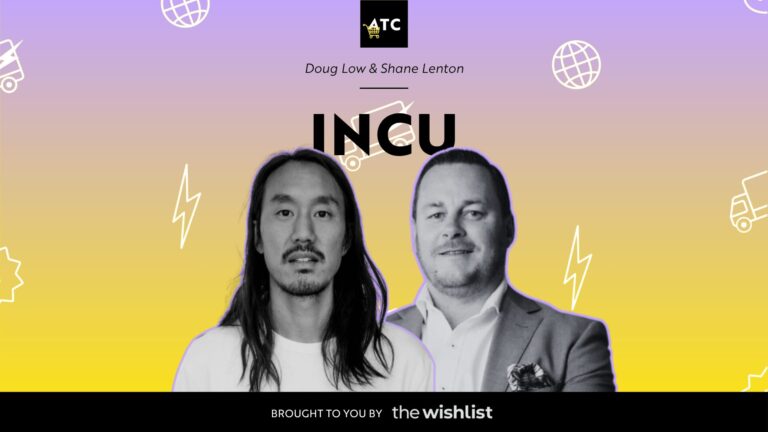
Shane Lenton: So we've got a raft of retailers that are literally turning on in March. So we've got the team from Shona Joy which is incredible amazing business incu which one of my favorite retailers, Mr. Pool man which again just knocking out the park in park in their category. Kip and co doing really cool stuff. Who is Elijah, which is again just yeah, really excited to work with the team there. Board Collective, which is a surf, skate and apparel business currently looking to also on board St. Frock. We're doing solution design at the moment for Freedom Furniture and we've got quite a few others that we're hoping to sort of close out and sign up in the next few weeks.
Nathan Bush: Amazing. If you had one wish list for the ideal client that you haven't got on yet, who would it be? Put them on the spot, make them uncomfortable.
Shane Lenton: Look, I think across the board we can obviously do. I mean what we've demonstrated for Q that apparel fashion is a real sweet sauce for us. Obviously we'd love to have the brands, you know, Camila and Mark and Age and Zimmerman and brands like that on board and yeah, so we'll sort of have some conversations and see where we go. But and then beyond that, obviously footwear and apparel and that category is really exciting for us as well. But it's limitless with you know, there's furniture obviously with Freedom, which is, you know, an amazing business and even you know, tools and other things. So we're quite broad in who we're having conversations with. And the exciting thing is we're literally going from, you know, a single Shopify store, pure Play retailer all the way up to Freedom Furniture and there's quite a few other large and some overseas department stores and different things that we're in conversations with at the moment. So it's going to be a really busy year but it's going to be exciting and there's just the conversations we're having are incredible and I think the appetite for a lot of the, a lot of the Aussie retailers to really jump on board with us and work with us to co design as well. Which I know from being on that retail side working with some of the partners that I have in my Q days and my consulting days to actually move the dial and do some really cool stuff. So I can't talk too much yet. But yeah, aside from the incredible brands we're bringing on board, we're also there's some, you know, really cool features that we're bringing just things like bringing recommendations into store. So we've got some amassys customers and we've done that for Q and we're now in conversations with some others to bring in those AI recommendations to provide that consistency for the team in store that the consumers are getting through email and on site. We talk about a single view of customer. It's great to look at it at a transaction line that is so much more powerful for the team in store when they're wardrobe in and might have an appointment coming up and being able to look visually at product images and look at. So that's another thing that we're doing providing that sort of not only that single view of transactions and customers but also bringing that to life with image rich transactions so that the team member in store can look at that history and black dress with a name, you know Peplum black dress means this much but when you can have a look at the actual style itself and or particularly product with patterns and all the rest of it. So there's that piece and the other big one that we're adding as well is two way MMs and SMS. We've had the request from customers and yeah so I mean there's the idea with the wish list that the install piece, a lot of it's driven from customer that's in store but some of the really cool brands we're working with that have really engaged teams and great VIPs it's the ability for the team to start recommending and sending products. I mean they're doing this anyway on WhatsApp and MMS and SMS without any real rails or sort of governance around it. So again it's just a logical step for us. We're a button in POS and yeah we're just following I suppose if when we speak to the retailers if there's things that really make sense and that we think we can sort of commercialize. Yeah we're Jumping on board.
Nathan Bush: And given where our conversation started around the breadth of opportunity around Omnichannel and some of the things that you've mentioned there, it feels like going in with Wishlist, the current version of Wishlist is like a sliver of what is possible when you mention things like, yep, you know, single customer view, automated marketing, two way sms. How do you decide what you go after and start incorporating as a built in feature versus what you go. Actually there's really good two way SMS platforms out there. Why don't we just integrate with them rather than incorporating it?
Shane Lenton: Well that's a perfect example. So we're integrating, it'll be our interface that we're integrating and we're so. And I've always been a massive believer in partnership and don't build it where it doesn't make sense and plug in best of breed. But then for me it's about having that single interface. It can't be underestimated. The employee experience and getting that right and the impact that has on the customer experience. So yeah, so to your point, it's like marketing automation where we're generating events and we're providing that source of truth from a wish list point of view. But we're not trying to, we're not trying to be a market automation platform. We've got the integrations, a lot of it. Some of it we pass in Wishlist data, others we generate the events. But there'll only be a small amount of retailers that actually send email from our platform. We do have again we haven't built it, we've white labeled something just as an email sending solution for retailers that may either not have email marketing at all or they might have something that's obscure or really basic so that we can drive purely those wish list sort of events. But yeah, but we're massive on that partner ecosystem and yeah, for me I don't want to build something that I'd rather partner with someone and then together we can be better.
Nathan Bush: Yeah, great stuff. I love that philosophy. It's coming through actually in a few of our chats at the moment which is really nice to see around the Australian e commerce commerce ecosystem all working together which is fantastic. Shane, if we've got retailers listening to this and they're really interested and they want to get in touch to learn more about what you're doing at the Wishlist, what's the best way for them to get in touch?
Shane Lenton: So easiest way is just to shoot me an email at Shane S H A N ewishlist IO or Via our website, they can book a demo or request a demo, which is thewishlist IO or of course, hit me up on LinkedIn.
Nathan Bush: Beautiful.
Nathan Bush: Well, mate, I hope that when I see you again, probably going to be
Nathan Bush: at online retail, I think we're going to have a lot more to discuss. So thank you for joining us on Add to Cart.
Shane Lenton: Really appreciate it, Nathan. Cheers.
Nathan Bush: Now, when it comes to Omnichannel retail in Australia, you are going to be hard pressed to find anyone more experience experienced than Shane, as you heard in that conversation. So it was really brilliant to dive into his view of the Omnichannel world today and his vision for Wishlist. Here are the three big takeaways for me. Number one, Omnichannel, but a focused solution. As we heard from Shane, the world of Omnichannel expands so far across the customer journey, from discovery all the way through to delivery. And if I'm honest, I've never seen anyone get it all right. What I love about Shane's approach with Wishlist is that it doesn't try and solve everything. It starts with a very humble omnichannel problem, the wish list. I have no doubt that the solution will evolve from there, but by solving omnichannel problems, you need to be really clear about solving specific problems rather than trying to solve problems everything. And I think Shane set this up really well at the start. Number two, single view foundations. Shane's view of the foundations of Omni Channel were getting two single views right. One, a single view of customer and two, a single view of inventory. By getting both of these single views right, it enables the customer to accurately find, buy and experience anywhere and at any time time. Obviously though, these are big and sometimes complicated data pieces to get right, but if you are going to attack it, my recommendation is to approach it not as a data or tech problem, but start with the desired customer outcome and the internal processes to deliver that the data and the tech will fall out of it. And number three, team shout outs. I love when our guests give their team members a shout out. Shane called out Lauren in the Q Clothing team about her progression and her achievements as one of the things that he is most proud of in his 14 years. I think it's really important to publicly and specifically give shout outs to your team who make the magic happen. And on that note, a massive thanks to add to Cart's producer extraordinary Amy and our podcast editor Gilberto AKA the podcast boss. You guys are the best. To get the highlights of today's episode, head on over to add to cart.com and sign up for our free newsletter each Tuesday we will send Monday's episode summary links and discount codes for you to go next level on. And if you're looking to explore your next e commerce opportunity, come and visit us at E Suite. We're a dedicated e commerce talent agency connecting the best e commerce talent with the fastest growing brands in Australia. Head on over to esweettalent.com where you can download the free e Commerce Salary Guide and sign up to our weekly e Commerce job emails. Thanks for listening and until next time, keep those customers adding to card.