Matt Mosse-Robinson: So what we found on Friday when we were first looking through the system is that we had an order received Friday morning and then it was actually out the door by Friday afternoon. So it was yes, same day on demand customization.
[Voiceover]: So we literally, you know, being business owner and knowing nothing about, you know, how to set up a production room, we watched that movie and implemented that speedy system and we mapped out in on our warehouse floor. So the tape and we walked around and me and I mean it's changed since then but it was such a
Matt Mosse-Robinson: great experience and we weren't really leading to that great customer satisfaction and that like everyone wants instant gratification. So particularly in the e commerce space, I think we've trained our customers to move towards that like Amazon model where you're going to get it almost instantaneously. So we needed that level of control that we could make sure that stuff was getting out the door.
[Voiceover]: Welcome to ADD to CART Australia's leading
Nathan Bush: e commerce podcast that express delivers all
[Voiceover]: you need to know in the fast
Nathan Bush: moving world of online retail.
[Voiceover]: Here's your host, Bushy.
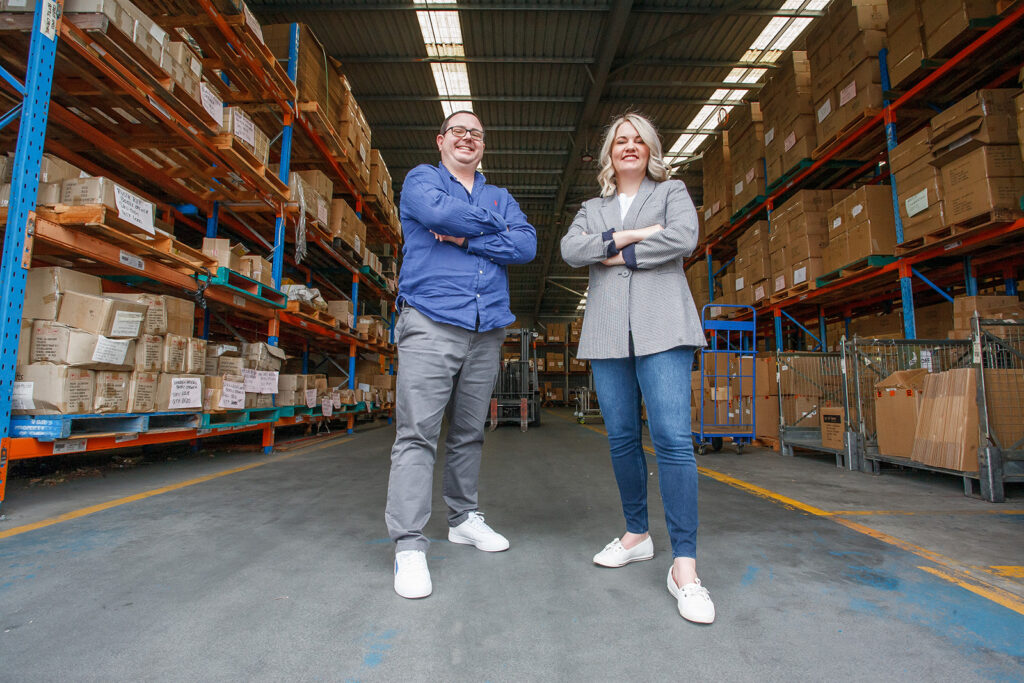
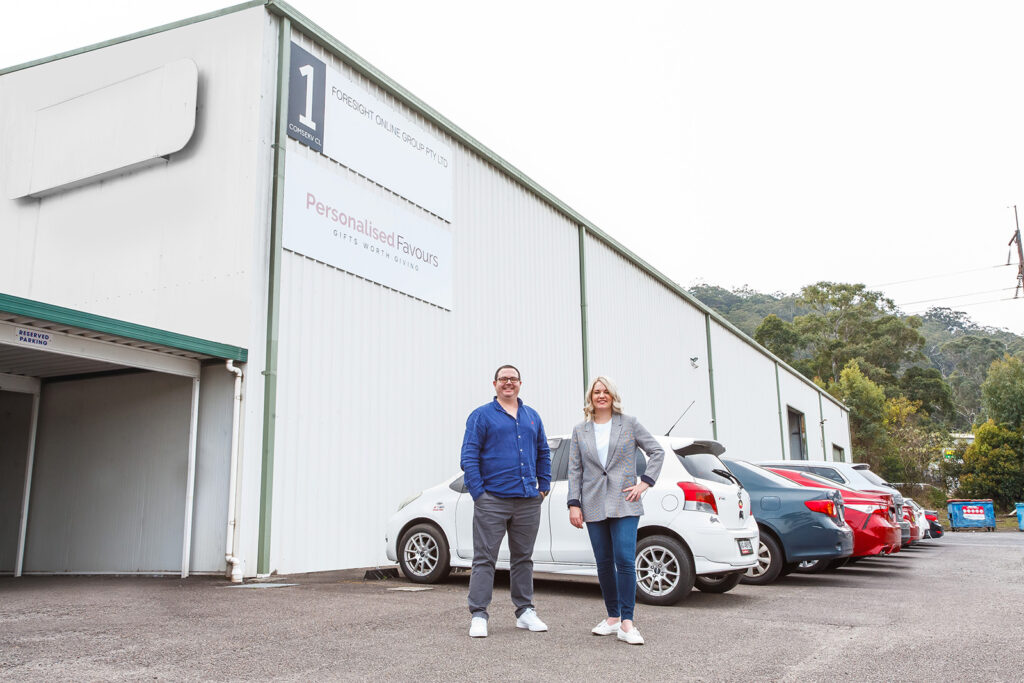
Nathan Bush: Welcome back to ADD to CART Australia's leading e commerce podcast for e commerce professionals who never stop learning. My name is Nathan Bush or Bushy, joining from the land of the terrible people here in Brisbane, Australia. Now what do you get when you mix a frustrated bride, a corporate banker and a laser engraver? This week we are diving into the story of personalized favors, which is a gifting business that's grown from a garage startup into one of Australia's most impressive e commerce operations. It all started when founder Mel Wilkinson couldn't find meaningful wedding favors for her big day, so she made her own. Fast forward to today and she's running a multimillion dollar brand with over 50 staff, an 1800 square metre facility and orders flying out across Australia, New Zealand and the U.S. mel was joined by her brother in law and CEO Matt Moss Robinson, who swapped spreadsheets in the banking world for laser etched glassware and embroidered beach towels. Together they've scaled a wildly complex operation. We hear a lot about this today with with 74,000 SKUs, custom production lines and some of the fastest turnarounds in the industry, both for personalized goods and normal goods. On top of this, they've got a thriving B2B business creating personalized gifts for big names like Lamborghini, Porsche and DoorDash. Plus they've both been named in Australia's top 50 people in e commerce. For 2025. Matt took out a spot in the top 10. I had the pleasure of judging those awards. And I can tell you that Mel and Matt are some of the most impressive e commerce operators that I've ever come across in this chat. We go deep on how they're using tech to work towards building same day personalization. No mean feat. We also talk about how they staff for peak chaos with multiple events throughout the year, but how they do that without burning the team and keeping process tight. And we talk about how complexity, while it can be a pain in the bum sometimes, it's actually become their biggest competitive edge. Doing hard things pays off. We also talk about their bold plans for B2B, giving the AI tools they're experimenting with, and the comical story of what happened when a piece of equipment actually caught fire. It's a good outcome, don't worry. Now, if you haven't already, come over and join our add to cart community. It's free to join. We've got almost 400 e commerce professionals there sharing tips and answering each other's questions around very specific and at sometimes nerdy questions around E commerce. Plus we have some amazing events like today's webinar with studiohook where we are uncovering what SEO means in a world of AI. How do we keep that traffic that we've built so hard over many years? So come and join us. Add to cart.com. come and join the community. We'd love to see you in there. Big thanks as always to our partners Shopify and Klaviyo for making this episode and every episode possible. Now, if you've ever wondered what it takes to run a high skew, higher motion, high output, completely personalized e commerce
Nathan Bush: machine, I'm sure you have.
Nathan Bush: Let's dive into my conversation with Mel and Matt from Personalized Favors.
Nathan Bush: Mel and Matt, welcome to ADD to cart.
[Voiceover]: Thank you for having us.
Matt Mosse-Robinson: Yeah, cheers.
Nathan Bush: Matt, brilliant to have you here. It was so nice to spend time with you on the Gold coast at Retail Fest. You joined our trivia night. Where did you end up coming?
Matt Mosse-Robinson: I think we came last actually, didn't we? Because I think we won the Bunnings voucher, which was like the lucky door prize or something for coming last. So yeah, we sucked.
Nathan Bush: Well, we might stop this interview then because we said we bring the smartest
Nathan Bush: people in E commerce and
Nathan Bush: no, thank you so much. That was a brilliant night. And it ended in a bit of chaos of people dancing up and down the aisles with microphones, which I wasn't expecting trivia to turn into karaoke.
Nathan Bush: But we are here to talk all
Nathan Bush: about personalized Favors, your incredible business that has been on a bit of a tear and I don't think anyone in the e commerce industry could not have noticed it. Especially over the last few years where you are cleaning up in all the awards, all the articles. It feels like it's really hitting its stride in the last few years. But Mel, I must ask you to start with. You founded the business. What was the idea behind this overnight success?
[Voiceover]: Yeah, so the business actually started well over 10 years ago and it was.
Nathan Bush: You didn't even take my bait on the overnight success.
[Voiceover]: Yeah, we've been in the game for a while, but it actually started on the back of I was just planning my wedding and I couldn't find any wedding favors that were meaningful and everything was overseas. Long lead times. I had a lot of guests visiting from New Zealand and I wanted something that I could take home and keep and have a reminder of our day. So yeah, it started off as actually a wedding business and I found that that problem of like favors and I wanted to solve that problem. So I actually set up an ebay store and outsourced to local printers and engravers and then they, they shipped it directly to my customer and that's where it all began.
Nathan Bush: Brilliant. And how does Matt fit into the picture?
[Voiceover]: So Matt joined the business in like 2012. So my business was taking off. I didn't ask him to join the business. I will point that out. I think he saw the potential in it and at the time he was working in Sydney, he was working as a corporate banker. Didn't like his job. I think he wanted to change things up. So he looked at the numbers and yeah, he said let's, let's join forces. And he pretty much bought in the business with his skillset. His skill is obviously financials and mine is industrial design. So I was more than happy to palm off that sort of side of the business to.
Nathan Bush: Great. And there's a bit of family crossover here, is there?
Matt Mosse-Robinson: There is.
[Voiceover]: So Matt is my brother in law, so it is a family business. My husband who works full time here and also my older sister and even my younger sister in her uni holidays, she comes and works and helps us out in production.
Nathan Bush: Oh, wow, that's awesome.
Nathan Bush: Matt, what did you see in the
Nathan Bush: business when you first came and looked at the numbers?
Matt Mosse-Robinson: Yeah, we're talking over 10 years ago now. So it's crazy to say it, but it almost feels like the early days of E commerce at that point in time. Like the platforms like Shopify and all that weren't anywhere near as pronounced or even existed, I'm not sure at that point in time. So I saw massive potential in E Commerce, the growth there. Like Mel's got a great eye for her own market. She knew the, the wedding products. Even doing research into the wedding industry like it was just a recession resistant style industry and associated with that, the gifting. So like you're always having to give gifts and it had come off. I'd worked in banking through the GFC there and seen the, how much that blew up that industry. So I was looking for something, it's a little bit protected and something with like a really great growth opportunity and I looked at E commerce and what Mel had started to put together and yeah I was, was quite impressed.
Nathan Bush: And you found your soul again.
Matt Mosse-Robinson: I did mate, I did. Well, the original goal behind moving into the business was that I would be able to not have to work as hard as what I was doing. Corporate banking within a week. That had just not proven true. So it was, yeah, it definitely didn't work out that way.
[Voiceover]: I did have to double check your decision as well because I did say to you, you're going to be paid $25,000 a year and that's a big jump from what you're earning in the banking world. So. But he, yeah, he took the risk, he took the punt and it's worked out for both of us.
Nathan Bush: Amazing. When you say recession proof, I'm really interested because you have ridden through a few waves of E commerce here. Obviously the Pre Shopify, the, the Sass era, even Covid, if you want to call that an era and through to where we are today. Mel, keen to hear from you, from your business. Do you feel like your personalised favors go through different cycles than other E commerce businesses or do you tend to follow the same trends?
[Voiceover]: Yeah, I definitely think we are a seasonal business. So we did start off as a wedding business and now we've branched out to all special occasions and I think really Covid pushed us to move into every occasion was just so many opportunities there. Everyone was stuck at home. They wanted to send a gift for someone's birthday or you know, a thinking of you gift. And so that was our, we just saw that opportunity there and I think the growth like during COVID Matt, you were saying it was about 60%.
Matt Mosse-Robinson: Yeah, it was like it was month on month. It was just going absolutely ballistic and it was. Yeah. And we needed to pivot because at the point of COVID starting we were heavily, like Mel just mentioned, relying on weddings and weddings shut up overnight. So we had a really big panic period where our revenue just dried up completely. And if it wasn't for that pivot, we were going to be in really significant trouble. But yeah, Mel's right. Like, we're, we're so seasonal and if you think of like the major gifting events through the year, like Father's Day, Mother's Day, Christmas, all those things, we are crazy lumpy around those. And then we have our troughs around. Yeah. When there's not a major event happening
Nathan Bush: to those kind of. Just because gifting occasions, do they still happen? Because I do remember that was such a big thing during COVID It was like, I'm thinking of you, can't be near you, can't see you. Is that carried on in some form at all or is that totally disappeared?
[Voiceover]: I remember creating like categories of just like isolation gifts and thinking of you gifts and it was just going gangbusters. It was amazing. And it has that. That has dried up a little bit. But we still have those occasions throughout the years. Like everyone knows of a baby being born or a birthday around the corner. So we do have those ones that keep us going throughout the year. But definitely it is hard when you've got those peak seasons of Father's Day and Christmas where we onboard 20 more staff just to run our machines. I mean, we've got a baseline, about 40 staff at the moment, but yeah, just upskilling them. And to cover those periods, it's quite tricky.
Nathan Bush: Yeah. I'm keen to hear more about what you do during to manage those peak periods because we're sitting at a time now where I think everyone will be starting to think about Black Friday Cyber Monday, and that's probably one big peak for a lot of E commerce businesses. Like you said, Matt, you've got many peaks throughout the year. How do you structure a business in terms of. You just mentioned the flexible workforce there that you have available to you. What else do you have to consider when you are a business that has multiple peaks throughout the year?
Matt Mosse-Robinson: Well, it doesn't make it easy, mate. Yeah. When you were just mentioning Black Friday, then I'm like, far out. We've still got to get through Father's Day before we get near Black Friday. But look, it's not easy. It doesn't make inventory management easy. In many respects, having multiple picks through the years makes it a little bit easy in terms of resource planning around people. Like, if we had to just load up for Black Friday period, it would be far more difficult because in our area of on demand manufacturing, it's not as simple as onboarding someone and then within 30 minutes they're able to go pick and pack off a shelf type thing. Like we've got a staff that have to upskill in running embroidery machines or running engraving machines or a printing machine. It's. There's a little bit longer lead time before they're actually useful. So yeah, it adds complexity. There's no easy solution. We've definitely had periods where we've understaffed thinking we were being really clever and we've had other periods where we've overstaffed and had to wear that wage cost. Like inventory purchasing, you never actually get it right. Like there's no time where you purchase inventory and you sell your last unit on Christmas Day type thing. It just never happens.
Nathan Bush: What about from a production perspective? Because most businesses try and forecast the inventory that they need for those peaks. You're obviously forecasting that, but then you're also going, well, how many units, how many personalized units can we actually have throughput on in these periods? And what can we not oversell on to make sure that we can not only have the inventory but actually produce on the inventory.
Nathan Bush: How do you manage that?
Matt Mosse-Robinson: With great difficulty is the answer to like it's very hard because you do your inventory planning and then what the market focuses on shifts or something will get picked up by Google Shopping and we'll just run out of that within two or three days. Like it's, it's so variable and we just know how much capacity that we've got in our, in our machinery and where we've run out of capacity in the past, we've extended our production time so we'll run during peak periods if we need to. We can run our machinery 24 hours a day, we can run on weekends. We've got a really amazing production manager who's built a core team around him that really buy into what he's trying to achieve and making sure that we're getting stuff out the door really quickly and I'm sure we'll touch on it soon. We now have it a tech piece in the business that provides us like just amazing visibility over the the demand and stuff on our machinery.
Nathan Bush: Well, let's get into that now. Like while we're nerding out around machinery
Nathan Bush: which we don't often get to do
Nathan Bush: on ADD to cart, I will say
[Voiceover]: we put a lot of time and effort into automating and systemizing all that processes as well. So we were in the past running pretty much 24 hours in the peak season. So. And we'd realize that after 2am it's like a dead zone. And you see it with staff, they just. Yeah, it just the productivity drops. So we really had to rejig things because at that time we didn't want to buy more machines, we didn't want to put them on staff. So we needed to increase that production time. So that's why we just, you know, increased the machine time running. But yeah, it just didn't work. So we had to look at how can we make it more efficient in production to get more out the door during, you know, those peak times. And that's where we came up with a production scheduling system which Matt loves to talk about as his baby he's been working on for the last 18 months.
Nathan Bush: So do you mean in terms of efficiency stops? In terms of like people literally just get tired at around 2pm I think
[Voiceover]: also, I mean I've done that shift before. We had. This is back in the day. I remember I got back from Europe, it was a bit of a girls trip and we were in such a state that Matt's like, can you just stay on that time zone and just work through the night? And I'm like, okay, I could do that. And so I was running, I don't know, six machines at the time at night. But you forget to eat like you think and just those little things that you don't do. So the first three nights I really struggled. But then as soon as I started eating sort of every couple of hours, I felt so much better. But it is hard and if you're not used to working at that time. Yeah, it puts a lot of strain on your body.
Nathan Bush: Especially when every product and every job is different. It's not like you're on a manufacturing line.
[Voiceover]: Right.
Nathan Bush: So you've got to think about everything that's coming through.
[Voiceover]: Yeah, you're changing over the glassware, you're grabbing the artwork like you said. Yeah, that's a lot of one off birthday gifts with all unique engravings. So yeah, you've got to be pretty switched on to be able to complete those orders.
Nathan Bush: So what does this new system look like?
Matt Mosse-Robinson: Well, yeah, if you don't mind me nerding out, please do. So historically up until Thursday a couple of weeks ago. So it's been live now for two weeks and. Oh no, just, just over. Yeah, just over a week. Sorry, it's been a long week, man. So yeah, up until that point we were receiving orders into our system and then we would print out an order sheet. And it was someone's almost full time job for them to print out pieces of paper. And we would then send those order sheets into our production team. And if it had five different orders, five different products on the order, it would then snake its way around our production room, going from machine to machine and accumulating each of those products. And then it'd go through a quality control section and then it'd go out the door.
Nathan Bush: And is this all custom built, like legacy custom built?
Matt Mosse-Robinson: To an extent. It was largely Frankensteined pieces of software bandaged together that weren't really suited for that type of process. But we kind of bastardized them and made them suit what we needed to and we changed what we, how we worked so that it, it works with that process. Okay, so we really, yeah, took that and we've created this software that now that if an order comes into our system and it's got five different products on it, the system identifies which machines those products need to go to, it'll send those to each machine and each machine operator will have a dashboard with the list of orders that they need to complete automatically, scheduled based on due dates. And when we need to get those orders out the door. The system also looks at the load on each of those machines and works out whether or not we're going to be able to complete the work based on the schedule by the end of the day. And if that's not possible, an alert sent to our production manager where we may need to reschedule jobs or extend production hours. Each of those five items that are part of the order then get done simultaneously at each of those workstations and then find them way back together to go out the door. So we can now really ship orders out the door much faster. And orders are actually making their way to production in real time. So what we found on Friday when we were first looking through the system is that we had an order received Friday morning and then it was actually out the door by Friday afternoon. So wow. It was, yes, same day on Demand customization. So it's not something we're sprinkling yet because there's plenty of things to go behind the scenes. But actually almost moving towards that option of a same day dispatch is I'm
Nathan Bush: already telling people you can do same day personalization.
[Voiceover]: It is amazing and it's exciting times because just for the listeners, I mean, we've got a, like we've got 12 laser engravers, we've got four embroidery machines, we've got UV printers, we've got DFT printing machines and we do sublimation like. And so many things move around our production room and having this paperwork, it was just a nightmare because what happens if someone loses the paperwork? Then we've lost that order. So yeah, the fact that now we've got that visibility and even our customer service team can log on and see exactly where it's been scanned at in the production process, they can confidently say to the customer over the phone, your orders at the checking station, it's going to be dispatched that day sort of thing. So it just. Yeah, it just resolves so many problems in all areas of our business is
Nathan Bush: the idea that eventually, once you have had the opportunity to test this, probably through a peak season, I would guess that you'll be able to automatically message and update customers through different parts of that personalization journey.
Matt Mosse-Robinson: Yeah, that's the plan. And like if you think of the retention piece or actually getting people to come back to your website having that, you can log in much like Australia Post tracking or something like that. You could go to the page and you could actually see where your order's sitting.
[Voiceover]: Unless they start saying my order's been sitting at the checking station for like a couple of hours now.
Matt Mosse-Robinson: Why hasn't it moved?
[Voiceover]: What's your team doing? So can't give them too much information, I guess A fine line that we've got to.
Nathan Bush: I remember it was an example that we used to use and it was Domino's Pizza Checker in that. Do you remember when they had that technology that they had a camera over your pizza so you can actually see your pizza being made?
Matt Mosse-Robinson: Yeah.
Nathan Bush: And I'm like, that is disaster. Can you imagine having like a kitchen full of 14 or 15 year olds making pizza and having that live streamed to customers? I just couldn't even imagine it. I'm not saying that's you guys, but I'm like there is a level of too much detail, isn't there?
Matt Mosse-Robinson: Oh, absolutely. You don't want to see Johnny picking his nose and touching your pizza.
Nathan Bush: But just to give people. Because I know that you've explained that really simply there, that new process to give us an idea of some of the complexities that you deal with. Can you perhaps talk us through two or three of your top selling products and the types of personalization that you've added to them to show us the range of products and personalization you're dealing with. I know you mentioned it there Mel, that you are dealing with different materials and different types, but give us like what are the most popular Personalizations that you're dealing with on a day to day level.
Matt Mosse-Robinson: Yeah.
[Voiceover]: So on our website we have actually over 2,000 products across all different special occasions. Our bestsellers is our glassware. We do these beautiful wooden box decanter sets, scotch glass boxes. So where we've taken it to the next level because you know, personalization is our superpower. So on our website what we've implemented is dynamic imaging. So in the past what would happen is that the customer would place an order, the order would go overseas, our artwork team would then create an art proof we send to the customer. They'll approve it. But that was a long process because there might be a few changes in between that. So now we've got eight artwork options. We've still got a customer, they can still work with our graphic designers overseas and that's free of charge. But they pick from the artwork options and then from there it's not just a name, it's multiple lines of text that they can change, they can change images and then from that they personalize it and they can see it on the product at the correct size. So straight away they've got an art proof, then they can go check out. And the best part about that is that once they've checked out and paid for their order, that artwork file is then created and sent to our machines to be engraved, embroidered or UV printed. So yeah, it's, it's. And just in saying that, you know, it's increased our conversion rate, you know, it's increased our customer satisfaction. It's also to sped up the production times. Right. Like we can, we can get things out the door pretty quickly.
Nathan Bush: Yeah. And is that why you, you know, you've chosen to take on what I could imagine is pretty heavy asset burden of manufacturing and producing in house for that speed to customer? Is that the main benefit?
Nathan Bush: Shopify is committed to keeping their merchants at the cutting edge of innovation. And the features released in their Summer 25 edition are no different as they give brands the tools that they need to work smarter today and thrive in the future. For example, Shopify's AI tool Sidekick just got a a lot smarter. It's able to synthesize data from multiple sources simultaneously. Moving beyond basic Q and A to solve complex business challenges, they've also made scaling globally even easier. With Shopify payments, you can now manage various business entities and settle up in multiple currencies from a single store. And for instore, POS has been redesigned making the day to day experience experience for retail staff easier. With improved search, intuitive Navigation and a more flexible card. Check out over 150 features that have been released by searching Shopify Summer 2025 Edition.
Matt Mosse-Robinson: You've also got control as well. So in the very early days when we were outsourcing a lot of our production work, people didn't treat it with the same level of urgency that we treat our own customers. And we weren't really leading to that great customer satisfaction and that like everyone wants instant gratification and so particularly in the E commerce space, I think, I think we've trained our customers to move towards that like Amazon model where you're going to get it almost instantaneously. So we needed that level of control that we could make sure that stuff was getting out the door. And you're right, like the, the upfront costs involved in doing that are not significant. Like they're quite sizable. And like when Mel runs through having 12 engraving machines, like some of those machines are 120, 130 gram plus. And you've got to create production rooms, you've got to build all those systems, all that type of stuff. But all that is built around just the speed and control of the whole process.
[Voiceover]: Actually, can I do your first funny story? So when we first moved in, like we moved out of the house, moved into a couple of warehouses. But where we are now, it's massive. It's like 1800 square meters, our warehouse. And so inside that warehouse, we actually custom built our own production room to house all our machines and that. And it was around the same time. I'm not sure if you've watched the movie the Founder. So it's like the startup story of McDonald's and they spoke about the speedy system. So I think they're on like a basketball court and they're mapping out the quickest way to cook the burgers and get them to the customers. So we being business owner and knowing nothing about how to set up a production room, we watched that movie and implemented that speedy system. And we mapped out on our warehouse floor so the tape and we walked around in the mean times. I mean it's changed since then, but it was such a great experience to map it out and then build it from scratch. And it's pretty incredible. And it's all air conditioned as well.
Nathan Bush: That's cool. Do you reckon the speedy system saved you from any massive mistakes? No,
[Voiceover]: it was a good idea. It was fun.
Matt Mosse-Robinson: Yeah, that's right. It did flow for a little bit, but then we kept buying more machines and yeah, anyway, it kept making it more and more complex.
Nathan Bush: Well, speaking about complexity, it would be wrong of me not to bring up AI because I think you've both mentioned areas that could be and will be and probably are already impacted heavily by AI. Matt, in terms of production efficiency. And Mel, you know, you talked about the customer experience around designing product and being able to generate images that are personalized for that customer. How do you approach AI in your business when so much of it can be impacted? Like, I bet there's no shortage of ideas or things you want to do. How do you pick where you put your efforts?
Matt Mosse-Robinson: That is the million dollar question.
Nathan Bush: Right.
Matt Mosse-Robinson: And I don't think that's just AI. Like you've only got 24 hours in a day and actually working where you put your resources is something that we wrestle with constantly. Like we, we know that we're driven and have a better understanding of the business than than everyone else. So actually working where we're going to have the biggest impact is, is quite difficult. But specifically with AI, I don't think we're doing anything within our business that's going to shatter the mold. Like, I think we're using it like the vast majority of people are using it. It's like a tool and we get for things around. I know Mil uses it for content. She's created her own custom GPT for personalized favors where she can bounce things off. There's like the Excel and inventory management, all that type of stuff. But I know at the dinner that you hosted a few weeks ago, I loved that conversation and some of the amazing things that people are doing around like customer service, that's definitely higher than the list of us to look into. And even the issue that you mentioned at the start around peaks and troughs, like getting all that right, like not really having, taking a bit of the guesswork out of that is stuff that we're looking at as well.
[Voiceover]: We're sort of looking at every area of the business, right. And we're just going through it with fine tooth comb and just seeing how we can automate it, how we can implement AI. But there's only, there's only two of us. So it is hard, it is hard to find the time to do that as well. But we are, we do have the goal of building out a AI gift finder as well. That, that's on the radar for us. So that's, yeah, definitely something in the pipeline to come soon in terms of that.
Nathan Bush: Mel, obviously starting out as the wedding business and then having the big shift during COVID Tell me about how you define your customer now, because I know in our conversations, you know, you talked a lot about gifting where you're appealing to another audience on behalf of someone else. You've probably still got people who are buying for themselves in some capacity and then you've got, got B2B and then there's, I'm sure, other markets. How do you define your target audience at the moment?
[Voiceover]: Well, at the moment we've got three customer Personas. So we've got the bride, we've got the busy mum who appreciates thoughtful gifting and then we also got the last minute corporate gifter. But it's, it's very hard as a business because we are sort of a one stop shop for every special occasion to have the correct messaging for that. So definitely on the radar for us is a bit of a rebrand, a bit of a refresh on how we're communicating to all those because it does get a bit muddled with all our messaging like who we're actually talking to because we do cater for so many people. But for us we see corporate as a huge opportunity. We have so many great brands that come through our door. We've had Lamborghini, we've had Porsche, we've had Doordash, we've had Amazon, just to name a few.
Nathan Bush: Yeah, keep dropping.
[Voiceover]: Look at the name drop with a Lamborghini. It was random stuff. I wanted to do their menus at the Formula one and Matt jumped up there and he just wanted to hand deliver these menus after a contradict but
Matt Mosse-Robinson: they wouldn't do it.
Nathan Bush: I was about to say I can
Nathan Bush: only deliver them on race day in the corporate suite.
[Voiceover]: But the funny thing is even with corporates like we haven't really been targeting, they're just been coming through and just finding us through, I guess Google shopping. So that's a huge opportunity for us to really build out that because I think there's big demand, they just want something different. And obviously because we can offer the quick turnaround times, a lot of the promotional companies, you know, they order from overseas, long lead times. I mean we can get orders out, big orders out within three working days.
Nathan Bush: Do you find corporates very sticky or are they always looking for like the next idea in gifting or do they find a personalized gift that they love and represents their brand really well and they stick with it or are they always trying to mix it up?
[Voiceover]: A bit of both. We've got a few loyal corporate customers that come back year on year like especially for like settlement gifting or a lot of sporting events. They come through our doors. A lot of construction companies, they love to give away an engraved beer mug to their staff. So yeah, we do have a few that are repeat customers. But then of course you get the ones that come through at Christmas time that are looking for that unique gift to give their staff.
Nathan Bush: Yeah, great. From a cost per unit economics, my head's spinning. Especially when you're dealing with individual customer orders all the way through to bulk orders. Low personalization. High personalization, different product sets. How do you work or have a good view around product profitability in the business?
Matt Mosse-Robinson: It's. To get it all set up correctly is definitely not easy. We're very blessed with some of the systems that we've now built. So we moved to erps about two years ago. We're also really blessed. Melissa touched on it before that her husband works in the business and he has one of his key areas that he looks after is making sure that our pricing is always on point. So it's. It's always that balance that you're running though, that you're running looking for as much profit as possible to be as profitable. But you've also got to be within the market. Like we don't operate within a silo. We've got competitors and everything out there. So we have to make sure that we're remaining competitive. The manufacturing element of it absolutely adds a level of complexity around pricing and we're very good now at having estimated times of what we've got for how long we think things are going to take within production. So we will put a cost against those and there's admin costs and everything that are involved. So there's. You're right, it does make your head spin and it's not quite as easy as like in many respects it'd be great to have a off the shelf product. But what we've got here though is an incredibly defensible market position by the fact that we're able to offer on demand manufacturing, which is, yeah, yeah, great for us and also bad for us.
Nathan Bush: In the complexity comes the competitive edge.
Matt Mosse-Robinson: It is. Exactly, exactly.
[Voiceover]: It's taken a long time to get where we are now and I feel like, yeah, we're in a really good place moving forward. I mean, we just migrated to Shopify Plus. We've got this new production scheduling system in place. We've got the dynamic imaging across nearly all our products now. I think sky's the limit for us.
Nathan Bush: I was about to ask you before you mentioned Shopify plus, but what are the tools that you rely on that are kind of out of the box and mention as many or as few as you are open to versus what do you like? We cannot take out of the box on here. We have to custom develop this part of the business.
Nathan Bush: There's the age old question, what is the acceptable lifespan lifespan on a pair of undies? Well, luckily for step one, they no longer have to guess. In fact they will probably be able to spot a pair of old undies before their customers can. Klaviyo has helped step one, a $70 million ASX listed business, understand and action their customer data with more personalized recommendations based on the individual targeted discounting to avoid margin erosion and and even help them monitor the growth in international customers to know the right time to expand. Last year alone step one attributed 53% Klaviyo year on year growth with an ROI of 65 times. I mean if you get those results while in comfy undies, you're really winning the game of life. To explore how Klaviyo can grow your e commerce business and see more case studies like this, visit klaviyo.com payu
[Voiceover]: I feel like most of the stuff that we use is all custom built. There's nothing out of the box that we've been able to like just shopify. Yeah, everything that we've implemented like it's because we're such a unique business in what we do.
Matt Mosse-Robinson: Well even Shopify isn't all that. Like we've got like the dynamic imaging customization and everything that's on there and because of all the, the different items that go along with each of our products such as gift wrapping and I don't know, you can add gift boxes and bottles of wine, all that type of stuff. It creates all these multitudes of variations that I think we're sitting there with. We have about 2,000 products but we've actually got like 74,000 SKUs because of all the different variations and everything that can go on. So there's not much that's out of the box. I think maybe Klaviyo. Yep. But yeah, everything else is largely customized. Like we've even got our own. The first piece of software that I was involved in building is our customer communication platform that allows us to email and SMS our customers different proofs for them to review and approve. Which at the time of building about 10 years ago was really cutting edge but not so much anymore. But yeah, everything is customized.
[Voiceover]: That was an incredible system though. It's artwork assistant and we still use it this day. And so our overseas team can create all these art pros, custom art for us and then you know, send, send an email and send a text message direct to our customers. It doesn't come back through us. And then overnight they can make a million one changes and get it approved the next day to go out to production.
Nathan Bush: That's cool.
[Voiceover]: So it was pretty cool at the time. I mean, yeah, give credits to that.
Nathan Bush: How do you keep up with development and even maintenance now? Having systems that are a bit older and plugging in new technology? I imagine there's a bit of maintenance in there as well. What's your process for development? Do you outsource it? Do you have partners? Do you do it in house?
Matt Mosse-Robinson: Well, we're very lucky. We've got an in house developer who works with us. Big shout out to Madeline at MintWeb. Reach out to her if you need help. She has been amazing. She's been with the business for quite a long period of time and I love working with someone where I can visually and I, I still run old school, old draw designs and everything out on a piece of paper and scan them and give them to, to someone. And this is like an arrow saying this is what this button does, this is what this does. And yeah, Madeline's been amazing to work with. Our latest piece of tech, we've used developers out of the Emirates which have been, yeah, really great to work with. But you're right, like systems go down and that's one of the big pluses of us moving to Shopify was that we had so much constant downtime with Magento before that and during peak periods just the costs involved in having a sight down was just you'd pull your hair out and like I'm starting to lose my hair anyway. And I'm pretty sure it's because of magenta.
Nathan Bush: I just saw your face when Mel, when Matt said magenta and it looked like your soul left your body for a little bit.
[Voiceover]: It just wasn't user friendly. I couldn't do anything myself. I had to go through Maddie to make any changes on the website and like Matt said, the downtime just hurt us and we wouldn't even know that the website was down because it would happen overnight and you get next morning and you know, to be scrambled to get it back up and you just think about the money that we just lost during that time. I mean, yeah, it was, it was. The best decision we've made was to move over to Shopify.
Nathan Bush: Plus I can imagine though that wouldn't have been an Easy decision, because there are brands today who are even fighting Shopify. And I'm not saying that Shopify is right for every business. There are definitely cases where it's not that there are better solutions, whether it's custom or other edge cases. But I find that there's a lot of businesses that are either B2B or they do slightly personalized products that just instantly dismiss Shopify. So you must have seen the vision there of where Shopify was going and jumping on that bandwagon. Even though you knew that you'd have to do some customization to that process,
[Voiceover]: it wasn't a right fit straight away because they didn't have all the options available for us to move across. I mean, it was just right at the last minute that they increase their variation so we could actually, you know, have all the options there for our products. So for a long time there, we wanted to move, but we just couldn't because it just didn't make sense for us for our product range. So they have come a long way, I feel Shopify like in the last sort of five years. And I think it is a big move though, as well, and scary. Especially the SEO. We took a big nosedive at the beginning when we moved across and we, you know, thinking, have we made the wrong decision here? But then it just bounces back and yeah, it's. It was good. Thank God.
Matt Mosse-Robinson: Yeah, absolutely. Panic stations. There's always between, like, what is it? Fires at all points in time. It feels like we're just putting out one fire and then another one starts and. Yeah, anyway, actually we've had literal the past two, which is.
[Voiceover]: We had a machine actually capt on fire. So feeding the. Yeah, that was a couple of years ago. Yeah, it was late at night too. And thankfully Matt and I were in the office. I was completely useless. I in a panic. I've learned that I'm no good. I think I stripped off.
Matt Mosse-Robinson: I thought maybe she thought there was going to be hunky fireman soon or something.
[Voiceover]: Losing my mind. But what happened here, she said, started in the production room and we put it out, but thank God Matt thought, let's check the back of the room because we've got exhausts that go out. And there was actually a fire outside the production room, still in the warehouse. And on top of the production room is our embroidery room with all our, you know, sleepwear and everything that's highly flammable. So we were so lucky that Matt was there to even think to look behind there. And there was another little fire that wow.
Nathan Bush: And lucky that Matt kept his clothes on as well. So that's fascinating. That's a great story.
Matt Mosse-Robinson: Mel.
Nathan Bush: What have you learned around getting gifting
Nathan Bush: right over all these years from when you started with the idea to where you are today, creating custom gifts for Lamborghini? What are the core principles that you need to get right from a customer experience perspective to have a good gifting experience?
[Voiceover]: With our range, I mean it's really, we really go on the back end of Google search and see what people are looking for and then that's, we base our range around that, what people are actually searching for, but then also sprinkling in some new ideas. You know, do a lot of trips like once a year to China as well. We go to the Canton fair, see what's new that's coming through. Even with like the Stanley cup and how that took off. We actually saw that on TikTok probably like a year before it hit the Australian market. And so we were very quick to jump on that trend, bring out a similar cup and then, you know, personalize with the name and it just, it just took off. So I think we're very good at watching what's going on in the market. I think offering that personalization, not just the name, having, you know, you can have all these different designs, different lines of text. I think that's really unique for us. And I guess the unboxing experience, looking at, you know, we do offer the gift wrapping so you can set it directly to the person you're gifting just to make it easier on you because it is like when it comes to someone's birthday, it is hard to think of a gift. So we're trying to ease that for somebody. So here's the range, here's the best sellers. They're going to love this. And yeah, it's usually we pick winners, usually. Now in the financial year there's not many products that we've got on sale. Like we only do sales, we don't do site wide sales anymore. We scrap that a very long time ago. So we just look at the financial year, what are we holding too much stock of? And I looked at the range and we're pretty good. So I mean we've got some seasonal products like some beach chairs and some kids embroidered beach towels to move on because we want to bring our new range this summer. But other than that, pretty good with how we source our products.
Nathan Bush: Yeah. So for Father's Day, everyone's getting a kid's beach towel.
Matt Mosse-Robinson: Exactly.
Nathan Bush: I love it. Now one thing that we discussed recently and you posted about on LinkedIn which I thought was just phenomenal when I saw this post was around that you guys were able to take your first 30 day break from the business this year. I think we've established in this conversation that you guys work bloody hard. We've heard you know everything from manning machines late at night to putting out fires with your own clothes, your hard workers. What did that feel like to be able to step away from the business together for 30 days?
[Voiceover]: Amazing. It was so good. And even before that, we've been in business for over 10 years. Like it time for us to take some time out of the business. We put the right people in place to run it for us. It is very turnkey. Even last year Matt took off eight weeks with his family. I took off six weeks and traveled around New Zealand with my family. And then this year we did something different. We actually both took off the time together and both our families went on a cruise for 21 days which was amazing. We went from New Zealand, Tahiti to why spent a week in Hawaii. It was so good. And I think sometimes you just need that break to kind of reset and fall back in love with your business. I feel like sometimes it gets very overwhelming with the to do list and you put so much pressure on yourself that you know, you feel like you can't take the time off or you get guilty when you do. So I really encourage people to, to do that. It doesn't fall apart. It didn't for us. I mean, you know, I didn't see it scale that month but you know, it hummed along fine. It was. Yeah. And that goes back to the people that we've got working in our business. We've got an incredible production manager, Michael. A huge shout out to him. He's got a wealth of experience. He's used to running teams of up to 300 people. So he's a really good leader and he can run everything in our business. And then also our team leaders, they all stepped up and we're so proud of them as well.
Nathan Bush: That's awesome. And it's a credit to you guys for building the business to get to that point and the relationship that you two have together. Firstly, family, work together and then still enjoy going on holidays together. That's a win.
[Voiceover]: It doesn't hurt us. We've got our moments. Everyone says how could you work with your family? But I think it works for us because we've got a different skill set. Like yeah, mine is like design background. Matt's corporate Banking. Like we just, you know, respect each other's areas of the business and, you know, we come together and make decisions. I don't know. What do you think it works?
Matt Mosse-Robinson: Well, it was funny actually hearing Julie speak at the Retail Global recently and just her relationship with her husband and actually how they've got the divisions of responsibilities and stuff like that. I was kind of, at the same time I was kind of like nudging Melissa, going far out. Like it's almost like looking in a mirror type thing. Like very happy to lead people to what they're great at. And look, it doesn't mean we don't ask questions and try and have an input, but if someone was come to me and ask about content creation and all that type of stuff, look, yeah, I'll say my lane. Thanks. Yeah, yeah, yeah.
Nathan Bush: No, it's great advice. I love it. So the next 12 months, you've obviously got big plans in terms of both operations and expansion. Growth team, what's on the top of your priority list for the next 12 months?
[Voiceover]: I think for me it's going to be a bit of a brand makeover and sort of sharpening our positioning. Definitely driving growth in that B2B. I think there's a huge opportunity for us there and like I mentioned earlier on, I want to look into this AI gift finder. I think that'll be really helpful. Having so many products on our website, it's really hard to navigate and see exactly what you want because something, you know, you might find in the birthday section might be a great gift for, you know, a just because gift or just for you or for any other occasion that we haven't actually put into those categories. So I think that that would be a bit of a game changer for us. What about you, Matt, what's on your team?
Matt Mosse-Robinson: Well, I was just thinking for the business, like I know we've discussed it a lot, it's around getting that exposure and retention with our customers, right? Like we, we seem to blow our customers away in terms of we've got 30 plus thousand five star reviews across the website and it's very, very rare that we have any type of customer concerns or complaints coming back to us. So turning that great momentum that we've got from customers loving us into them returning to us more often and telling their mates and friends that personalised favors is amazing and try and get that snowball growth.
Nathan Bush: Do you find that hard because you guys are incredibly humble and down to earth. Do you find it hard when it comes from a marketing perspective to really? Toot your own horn and go. We're actually fucking amazing.
Matt Mosse-Robinson: I'm not sure. Melissa's.
[Voiceover]: No, I'm pretty good at that.
Nathan Bush: Every day, all day.
[Voiceover]: Because I think we're just doing something amazing here. And you know what, touching on that customer service piece, we bend over backwards for our customers. Like we have hand delivered so many orders. If we've missed that delivery date, that deadline I remember, I think we've even hand delivered an order all the way to Duo. And if there's any like breakages or whatever, we replace free of charge, like, we are a really good business to deal with. Oh, there you go. There's my.
Nathan Bush: Didn't take much for me to get
Nathan Bush: you out of your humble zone. You're like, all right, here we go.
Matt Mosse-Robinson: Let's.
Nathan Bush: Loved it. Love their conversation. There's so much there and I think it's a really smart business model where you know where your moat is and the moat is often in the complexity and it's in the customer service. And I'm so excited, excited to see where you go with the new brand and the expansion, everything that you're doing there. So thank you for taking the time for joining us. If people want to go and check out personalized favors, perhaps buy Father's Day present. Probably a great place to buy a Father's Day present. What's the best way to go about that and to get in touch with you, if relevant?
[Voiceover]: Well, you can jump on our website@personalisedfavours.com we're very active on social, so TikTok, Instagram, Pinterest, Facebook. Yeah, all the above. Also, you can reach out to Matt and I on LinkedIn as well. More than happy to answer any questions.
Nathan Bush: Lovely. Just don't ask you to join their trivia team.
Matt Mosse-Robinson: Call ourselves the anchors or something.
Nathan Bush: Mel and Matt, thank you so much for joining us on Add to Cart.
[Voiceover]: Thanks, Nate.
Matt Mosse-Robinson: Absolute pleasure.
Nathan Bush: I really love talking to Mel and Matt for how complex and smart and
Nathan Bush: sophisticated their system is.
Nathan Bush: They're incredibly humble and down to earth. Like I said at the start, some of the smartest e commerce operators that I've ever come across in Australia. Now here are three lessons that really stood out for me from this chat. Number one, complexity can be your biggest moat. Of course, as an e commerce business, we always want to want to simplify, standardize, streamline and that is always a great goal. But personalized favors leaned into the mess. Multiple production methods, thousands of SKUs, dynamic personalization at scale. But because of this and the hard work that it took to do this. They've built a brand that's hard to copy now because it's so damn complex and that's what's setting them up for success. So if you are leaning into something that that is really difficult because no one's ever done it before, keep in mind if it's your competitive advantage, it could be worth it in the long term. Number two, Operational excellence creates marketing moments. That new scheduling tool you heard about is not just a backend upgrade, it means that they can now flirt with same day dispatch on customized orders. Imagine what that will unlock from a retention, loyalty and a brand promise point of view you so it's a great reminder when you have breakthroughs in operations, don't just leave it behind the scenes. Think about how you then incorporate that in the benefit for your customers and your team. And number three, Systemize so you can step away. Mel and Matt both took a full month off together this year and I know a lot of founders listening will understand how big of an achievement that is. But it's a result result of building smart systems, investing in the right people around you and getting really clear on roles and it becomes possible again. It won't happen straight away while you're in startup phase, but it does become possible and the sign of a really mature business when you can step away. And it continues to run. A massive thanks to Mel and Matt for taking the time to share so generously today, and a big shout out again for our partners Shopify and Klaviyo for helping us bring these stories to life. As always, if you want to go deeper with episodes like this, hit us up on addtocart.com and join the Add to Cart community. We've got more chats, events and insights from e commerce extraordinaires like Mel and Matt. The link is in the description of this episode. Catch you next time. Thanks again for listening. And until next time, keep those customers adding to cart.