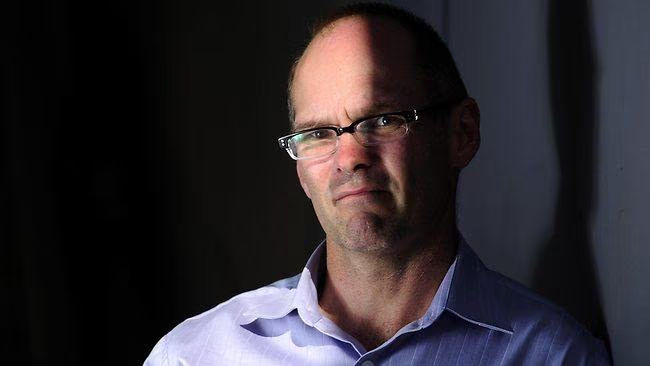
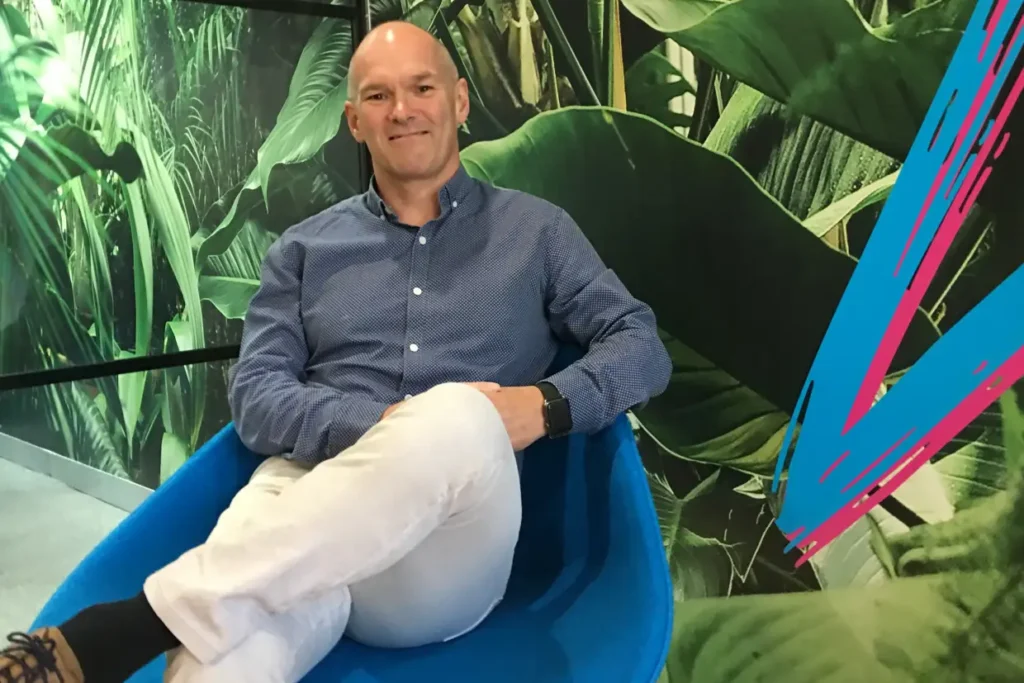
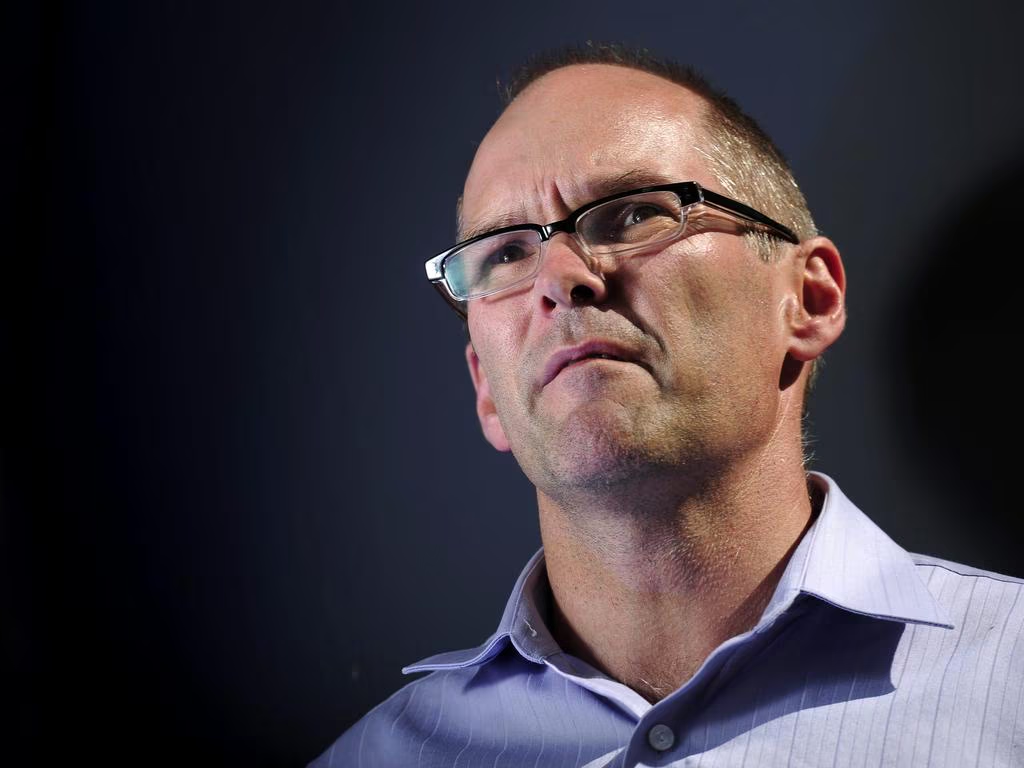
Grant Arnott: Nothing's hurt me more personally and financially and will be my greatest regret in life. Are you prepared to lock yourself in business prison for what could be a significant period of time? It honestly pushed me to the point of wanting to step in front of a bus, literally. Hello to the ADD to CART audience. It's Grant Arnott here, the founder of Click Frenzy and Power Retail. This is the one and only interview I'll be doing where I do want to be really open and honest and pretty confident front end about some things that I've been through over the last few years and really appreciate Nathan and the Add to CART team giving me that opportunity. Hope you get something out of it.
Nathan Bush: Before we get into this episode, a quick heads up. This conversation includes a very honest discussion around depression and suicide if that is something that could impact you. Lifeline is available 24 hours a day on 1311 5.
Nathan Bush: My guest today is Grant Arnott. If you have been in Australian E Commerce for any length of time, you
Nathan Bush: will know the name and you will definitely know Grant's creations.
Nathan Bush: Grant founded Power retail back in 2010 at a time when the industry was just finding its feet and he built it into the GO to source for news, education and benchmarking numbers across the sector.
Nathan Bush: It was my little bible.
Nathan Bush: He also created Click Frenzy in 2012, which is Australia's original online mega sale event well before Black Friday was even
Nathan Bush: on the radar here. It was almost an alternative to Black
Nathan Bush: Friday for a lot of people in
Nathan Bush: this industry, especially me personally.
Nathan Bush: Grant and the businesses he built played a real role in our education and in how we approach E Commerce. Grant was on ADD to CART and late last year, full of plans and energy for what was coming. And then, as many of you will
Nathan Bush: know, both Power Retail and Click Frenzy went into receivership a couple of months ago.
Nathan Bush: I called him not long after and
Nathan Bush: we had a really honest conversation and it became clear pretty quickly that this was a conversation that we had to bring to you.
Nathan Bush: What you're about to hear is not really a business postmortem. In fact, it's unlike any other ADD
Nathan Bush: to CART chat we've had before.
Nathan Bush: It's about what it actually costs a person to build something they love for 15 years, make decisions under real pressure, and then find their way through when things do not go the way that
Nathan Bush: they'd imagined that they would go.
Nathan Bush: Grant talks about the private equity decision.
Nathan Bush: He says that he will regret for the rest of his life what it
Nathan Bush: was like to show up every day
Nathan Bush: for for his team while carrying something
Nathan Bush: nobody knew about and some of the
Nathan Bush: darkest moments he has ever been through personally. We talk a lot on E Commerce. We talked to some great founders and we talked to some really inspirational people doing amazing things in E Commerce. But I also know in my conversations with people outside of these episodes how hard E Commerce is and that there are a lot of people who are struggling even when things look brilliant on the outside. So I hope this shows the other side of all that success and all that glitz and all that glamour and gives you the real story on what someone who is really smart and entrepreneurial and well connected some of the struggles that they can go through. Grant told me just before we hit record that this was the only interview that he wanted to do after the collapse of Click Frenzy and Power Retail. And for that, I am incredibly honored and grateful that Grant chose to do that and to share so openly and honestly.
Nathan Bush: As always, thank you to our sponsors, Klaviyo and Shopify, who allow me to
Nathan Bush: bring you these episodes of ADD to Cart every week. Now here's our conversation with Grant Arnott, founder of Click Frenzy and Power Retail. Grant, welcome back to ADD to cart. I wasn't expecting to have this conversation so quickly.
Grant Arnott: Yeah, thanks, Nathan. Happy to be here again. And I wasn't expecting to be back so soon either.
Nathan Bush: No, no, you weren't. And I think we're. Well, I know we're breaking our rule of normally on ADD to Cart, we interview people once and we might come back in five years or so to see how it's going. We had our chat. Goodness, I think it was late last year around what you're doing at Click Frenzy and Power Retail and obviously events that have played out since then have changed the game. And we had a pretty honest conversation. I called you straight after it happened in the weeks following and we had a pretty honest chat. And I think your experience that you've been through is very much worth sharing with the E commerce community. So I think it's important that everyone hears it straight from you. So really, it's a privilege to have you here and for you to share that with us today.
Grant Arnott: Yeah, thanks, Nathan. Look, it's been a rough time and I feel, yeah, it is time to unmask it and then move on.
Nathan Bush: Yeah.
Nathan Bush: So last time we were here, we
Nathan Bush: ended the conversation full of plans. We had Click Frenzy Live, we had some retail media happening. We had the Mayhem event and we had the All Star Bash coming up. You know, just like you, you never, never short on activity and stuff coming up. What happened after that.
Grant Arnott: Yeah, look, I think it has just been a grind. I mean even at that point in time, we've been grinding away for a number of years now under the weight of debt, which I'll, I'll talk to shortly. Yeah, debt is not inherently a bad thing, but for us it just meant we were, we were over leveraged. We've made some, some big mistakes several years ago, which happy to go into. But yeah, I think, look, we've been fighting right through till the end. I guess the end came in in March, end of March in terms of businesses click Frenzy and Power Retail finally falling into receivership. And six months prior to that, another business that we owned called Global Marketplace New Zealand, which was the grab one business that we acqu. In 2021, went into liquidation in New Zealand. Didn't really make much news over here. So yes, it's fair to say it's been a rough trot in the last 12 months. Those plans that we had in place, you know, still some of them came off. I think you mentioned retail media. We did move forward with a retail media event for Power retail that was successful. We did that in Sydney and Melbourne. You know, we were constantly pushing for innovation, we had a strategy, we were constantly reviewing our strategy. But ultimately we were just cash constrained, way behind on all of our required payments and fighting super hard to catch up, working really closely with, you know, with our major lender to try and rectify the situation, having weekly meetings with cash flow and things like that. But ultimately you're trying to run a business with less than nothing. You just, you know, we've done a lot with nothing before, but when it's less than nothing and when you're just, you know, in a position where you're starting to fall behind on payments and things like that, you just have to make, make the hard call. And the reality was we were just never going to be in a position to pay off the debt. So at some stage this was inevitable and, and yeah, unfortunately it did happen. Yeah.
Nathan Bush: And I think the purpose of having this conversation is to bring it all out into the open because you are such a loved person in the industry and I think your final LinkedIn post or not final LinkedIn post, you're not dead. I think from that perspective it's really great for you to come forward and share with us the journey because what I heard from you is obviously one of making certain decisions at certain times in the business that if we had our time again, we might not make. But then also the personal impact on you and I think it's worth sharing with others. You mentioned there the last 12 months, trying to do a lot with less than nothing. Tell me about the 12 months before winding up. How hard was that for you to go out there and, you know, keep evolving, keep innovating, trying to do new stuff, knowing that there's this constant cash flow monkey hanging over your head?
Grant Arnott: Yeah, really good question. And we'll need to sort of unpack more, I suppose, the whole last 10 years and how we got to this position, but the last 12 months specifically, we're in a position where we're so underwater from a debt perspective that we are functioning as a business. We are capable of meandering along. But the reality for me as the entrepreneur and the 50% shareholder in the business was that there was no window in which I could foresee an outcome for me or anyone else in the business from what an entrepreneur gets in the business for, which is to exit or to. Or to make some money or even to be able to raise capital. So we're in a terrible position from that perspective, where there was just no positive outcomes inside. And it didn't matter whether the All Star Bash made more money than last year, less money than last year, just. Just as one example. Yeah, it just didn't seem to matter what we did. Everything felt futile because if we're up, it's like, great. What does that mean? Okay, we might have bought another month of life if we were down. Okay, the end was coming faster. There was just nothing that was, like, motivating to really put you back into, from my perspective. And it was just. It was heartbreaking and it was really shattering because that's not what I ever got into business for. And it's certainly not how our first 10 years of business went. And, you know, it's no reflection on our lender, you know, who they're there to. They funded, you know, the acquisition of Grab One in New Zealand. They're there to run their business and expect a return, interest payments, all of those types of things. They were fantastic to work with, really good partner to work with, but ultimately they're there to get some type of return. And at the same time, I could not foresee any pathway to success. We couldn't raise capital. It's a tough environment. So it just felt like everything you were doing had this an air of futility about it, and we were just lurching from one week to the next, just fundamentally trying to stay alive. But it was really, if you ask what my mindset was, Like, I think for the last three years, it's felt that way, where again, we found ourselves so far underwater that there was no outcome in sight, no pathway to a reward. And so. But, you know, why was I still in it? Well, absolutely. Doing it for the team. Doing it, you know, with the hope that, okay, things could turn around, we could find buyers. We went to market several times. But, yeah, the growth was coming off. We were in decline. We didn't have money to spend on what was always our hallmarks of success. We were a fairly simple business, but we spent money on marketing and we spent money on. On people more than. More than any other resource and obviously some, some tech as well. The biggest cuts we had to make were in marketing. And it's just started the downward spiral to the point where, yeah, we couldn't compete anymore.
Nathan Bush: I can imagine that's really tough, too, when you're holding events like the All Star Bash and it's like this big party for the industry and big celebration, and you're there going, this is good. But she's what's coming next month.
Grant Arnott: Yeah, I didn't want to be there this year. No, I didn't want to be there last year. That's how sad I was, I guess, in terms of, you know, so you're there smiling and waving and putting on a good show. But yeah, it's the party I created, and not as a party. You know, it was a great, great business model in itself. But again, just that's. That's the hardest part of the last few years is like the futility of everything that you're doing and saying that you don't have the, you know, the cash to. You can't do the things you want to do because you're not making money anymore. You're seeing it all go out in interest, and you just don't have that working capital to, to drive it. And, you know, we never, never had to raise funds initially in, in the business. It was always driven through organic growth and profitability, and we're always able to continue to reinvest in that. And, yeah, I know we're not the only business that's ever had a downturn, but it just, it was, you know, one year changed the face of the business forever. And that's something that, you know, I can't wind back the clock, but, yeah, it was the beginning of the end.
Nathan Bush: Is that the decision you were referring to in your LinkedIn post?
Grant Arnott: Look, I have to reflect on exactly what I said there. But look, I think I'll go back, yeah, 10 years we had Power retail or I had Power retail and Click Frenzy and you know, Power retail was, was a good solid platform for success. Not, not a particularly large business. But Click Frenzy was, was going gangbusters and going off like a rocket and you know, making, making good money and yeah, the decision was just partnering with private equity, which is something that you know, I will regret for the, for the rest of my life because yeah, we didn't need it and it's, you know, ultimately driven us into an area that we, we never should, should have been. And you know, I think for me it was like wow, I love that sliding door doors moment back again where it's like if you don't need to partner with private equity then for us I, I, I know it works out for, for plenty of people but for us it just changed the face of the business, changed me. Nothing's hurt me more personally and financially and that's, you know, I think will be my greatest regret in life.
Nathan Bush: It's heartbreaking to hear you say that, but you're a smart guy, you know the industry, you know business. You're an entrepreneur at heart when making that decision with private equity. I'm sure there were good reasons behind that and there's obviously a risk reward take that you do when you go into those decisions and you use the information that you've got at hand. What was your thinking when you made that decision to take on private equity?
Grant Arnott: Yeah, we again had two profitable, growing businesses. ClickFunzi was a bit of an oddity. So it's like where does this business fit? So it was, it was initially more about discovery, it was about okay, well you know, as a self made entrepreneur that was having a crack and figuring it out. I didn't have, you know, I don't have an MBA or didn't have a business degree or anything like that. It was just using my experience and ideas and having, having a really good crack and it was working. We found a really good space in E commerce that was greenfields at the time. You know you go back to when Click frenzy started. In 2012 when power retail started, there was a lot of growth Runway ahead for E commerce and we were able to capitalize on that. And Australian retailers were really keen for new marketing initiatives and again we were able to provide that.
Nathan Bush: I said in my post when this all happened around how important power retail was in my career, like the materials that you created, the news that you were putting out, the events you were putting on really helped me and I was always the first one to buy the power retail books for my team. Like you've played a huge role in people's careers.
Grant Arnott: Yeah, thank you. And yeah, look, well, we definitely set out to drive the industry agenda through power Retail and then Click frenzy was sort of born out of that. You know, seeing what was happening in the US and with Cyber Monday and trying to bring that into Australia and we had 12 years of, you know, consistent growth and success with that. So I mean when it comes back to, yeah, going down the investor pathway, it was really about okay, well we've been past the startup, scrappy startup mode. We were going. Well, we'd sort of, you know, moved past our are we going to go out of business tomorrow or are we going to see it through till next month? We were actually established.
Nathan Bush: E Commerce had proven that it wasn't a fad.
Grant Arnott: E Commerce had proven that it wasn't a fad. It was a good industry but we had a great brand. We were hugely popular with the media and it was working. You know, you don't get there like I know we've recently gone under, but you don't, you don't last 13 or 15 plus years without doing a lot of things right.
Nathan Bush: Any fashionista knows that if you want to make smart wardrobe choices, everything needs to live in the same wardrobe. Not half your clothes in the spare room, shoes in the garage, accessories in the car. Princess Polly realized the same thing was true for their marketing. As they scaled globally and opened physical stores. Their email, SMS app and in store data were all living in different platforms, which makes it pretty hard to scale a great customer experience at scale. So they pulled everything into one place. Klaviyo. By consolidating their channels and customer data, Princess Polly unlocked a clearer view of the customer journey, smarter automations and faster global scale. In Q3 last year alone, they drove 2.8 times year on year global revenue growth, with over 60% of that Klaviyo revenue coming from automated flows. Even better, flow revenue grew more than four times year on year. Turns out when everything's in one wardrobe, picking the winning outfit gets picked a lot clearer. If you want your marketing to scale with style, head to klaviyo.com au and see how brands like Princess Polly are doing it.
Nathan Bush: And I think to put in perspective, it's not just lasting. Like you said, you were leading a lot of the narrative and bringing the industry together a lot. So you weren't just lasting, you were leading.
Grant Arnott: Yeah. And the business was honestly, it was flying at least from My perspective anyway, so in terms of a self made entrepreneur, couldn't have been happier, you know, going really well and it was going to set our family up for, for life. You know, it was making comfortably over a million dollars a year and a lot of Runway ahead. So you know, it was, it was in, in good shape and what we were looking for was, you know, a partner that could help with the exit. That was part of it. But also just as I say, it was really about discovery because we didn't need money, it was profitable, it was cash flow positive and even raising capital. It's like, okay, well what would we put that into? So I was fairly relaxed about it in terms of if nothing happened, then nothing happened. But we had a company that took an interest in us and we thought it was going to be an absolute winner, great reputation and so forth. And yeah, next five years we grew the business. But then, then Covid hit and things took a different direction. And with Click Frenzy, particularly Covid, we were in the E commerce space, but we weren't driven by the same tailwinds that forward other businesses that were pure e commerce players like a Kogan or a Katch or Adore Beauty, some of these massive listings that went ahead at the time, but we were in that space and we were doing well, we suffered in some areas. So our travel category was gone. So that was a backward step. We were at Click Frenzy. The core model is that we are an online demand generator. But online demand was more than retailers could keep up with, so partners didn't need us. But then overall, you know, I think we did pretty well and it was a good period to consolidate and a lot of, you know, big retailers took a lot more, paid a lot more attention to the online space clearly because they had no alternative. So you know, we were definitely a benefactor of that. And it was at a time when there was some crazy valuations going on for businesses in that space and that was exciting. Private equity firm was saying like, this is a, this is a hundred million dollar business. So that, that's pretty exciting. You know, when you've started it from, from nothing and you know, then it's like, okay, well here's the plan. We need to scale up, we need to IPO and we need to scale up. And so scaling up meant, you know, the acquisition of a business in, in New Zealand or didn't necessarily mean that business, but that came across the desk and it's like, okay, let's, let's look into this.
Nathan Bush: And that was, that's grab one That's Grab One.
Grant Arnott: Yeah. So in the same space in terms of E commerce, a Groupon style business. And yeah, went pretty fast from there in terms of the acquisition of that business. And it was all about, you know, pushing for this, this IPO. And so this was late 2021 when we, when we did that deal and that's when we incurred a significant amount of debt to pay for Grab One. And we had great cash reserves, you know, for what I thought was great from, from the size of our business, you know, fully up to date, clean balance sheet, position of strength. And then, yeah, as soon as we made that decision, that just moved us into a very changed position in terms of we had a new CEO, a new cfo, new board directors. Everything was looking a lot different and it just became, from my perspective, just a lot harder. Not only financially, we had, you know, a massive amount of debt to clear. So instead of not having to worry about debt, just how much profit can we generate? Suddenly everything, everything changed in terms of, okay, well, we've got this big amount of debt to deal with. We also had a new, new partner come on board, which helped finance that acquisition as well. And that, you know, was also a strategic partnership that had its own requirements. And it just suddenly went from, you know, a business that I'd founded that was something I was really comfortable running. You know, we were, click frenzy was always going to be disrupted like it has been disrupted lately, but it was always disrupted from day one. We had every, every man and his dog trying to rip us off from, from day one. So we were always, always battling disruption and we always fought through it because, you know, I guess we had a really clear focus and we were, we were nimble and cashed up, you know, and able to do that. You know, we had our own funding and our own backing and just a good formula of profitability. Reinvest that in growing the audience, growing the brand and recycle. And then power retail was just plugging away nicely. The All Star bash was growing, other things were growing. It just, just really changed everything from a complexity perspective. You know, before that, I didn't even know what a debt covenant was. I didn't know what a pre IPO fund was. So I'm sort of learning all this stuff at this time and it was just, you know, accelerating in a hurry and I was swept up in it. And you know, it was, I'm not, you know, sitting there saying I had nothing to do with it because I absolutely was swept along this, this thought of, okay, well how could we fail? You know, going so well, we are such know, private equity firms got us pegged at like a hundred million dollars.
Nathan Bush: That $100 million figure, was that mainly on the consumer side of the business, the click frenzy driving it or Was it the B2B?
Grant Arnott: Who knows? It was just a number that, you know, that was thrown at it. Look, it would absolutely have been, you know, I think it was both, you know, our retail, we were getting our, our data product up and running. So it was just, again it was reflective of just the ridiculous valuations at the time. So it wasn't.
Nathan Bush: I can imagine those two, those businesses are a bit of a flywheel on each other. So one works, the other works really well and so forth.
Grant Arnott: That was the thesis. Yes.
Nathan Bush: Yeah.
Grant Arnott: I mean honestly, for me to join the dots, I'm just old fashioned and self taught. For me to join the dots on how a business that was sort of turning over $10 million ish can be worth a hundred million dollars was, was beyond me. But, but there were some, some crazy valuations going on at the time. So you know, whether that was real or not, the reality was it was a very valuable business in and of itself. Just, just the power, retail and ClickFunzi business combined. But yeah, to take this step of acquiring the New Zealand business and taking on another partnership and all the complexity that came with that and, and particularly the amount of interest that was required, but just the expense of these transactions, it's horrifying When I think about it, like it makes me ill when I think about the million spent on audits, legals, accounting, etc. That just didn't add any. Like you look at it now and you say, well, nothing happened, we didn't get an IPO away, nothing actually transpired. So that's, that's all just wasted. It did not amount to anything. And you know, I think, yeah, for me that's, I have my part in that, you know, I was there. But, but for me that's like not something I ever conceived or, or ever would have done had I not, you know, sort of joined the private equity train. It just wasn't in my. Yeah, it wasn't in your wheelhouse knowing where to start. And you know, the alternative would have been just continuing to plug away at a business that was making good money, debt free. Loved it, it was fun, the staff loved it, our customers loved us and definitely problems would have, would have come about the disruption. But as I say, we always had our, our knack for dealing with that. But yeah, for me it just, you know, took a turn from there where it was like, what was the.
Nathan Bush: What was the oh, shit moment? What was the moment where you're like, actually, it isn't all $100 million roses.
Grant Arnott: It was probably. It was like mid 2022, I think, where it was like, look, clearly we're coming out of COVID At the same time, interest rates were rising. The IPO window was closing. If not, if not closed. I'm sort of, you know, having faith in our partners, but they've got this right. But at the same time, shitting myself that I, I think we've really fucked this up. And the New Zealand business, you know, was like, we don't really understand this business. Where's it going? And then it was like, okay, well, we've got to start cutting costs. Because it was really clear that we were going to breach our first debt covenant if we didn't. Didn't do something. And that just meant a pretty savage, you know, start of a cost cutting exercise internally. I think the moment for me, just how things changed with the partnership as well. And so. And what I mean by that is, you know, it just turns really, really rough. I thought we were in favor with our private equity partner where, you know, we had a good relationship for, I thought, you know, anyway, for five years, I felt like we'd done a good job getting this business into a position of strength. You know, we'd hire their kids. And we thought, okay, well, this is a good partnership. But I mean, the specific moment for me came so again, I wasn't. I wasn't CEO. So from 2021, I'd stepped aside as CEO. We had another. Our former CFO became the CEO, and then we hired a CFO. And then I still had an executive role in the business, but I was innovation officer. And so I was enjoying that, like working on the loyalty program that we never, never got up because we, we cut costs, but, you know, working on new things that would hopefully drive the business forward. But, yeah, once it really became apparent that without an ipo, without some of these strategies coming off with the New Zealand business and the integration challenges, it wasn't even that the financial side of it, it was just the integration challenges with that business that we were going to be in trouble pretty soon, that there was a lot of backtracking on costs and there'd been a lot of costs sunk in the business, a lot of people hired. And so it was, yeah, really, that was a really awful year, you know, in terms of backtracking on new Initiatives, rightly so. You know, they had to. Had to be unwound to try and get the business reset, the cost base basically to a point where it could be managed. And as a consequence of that, the CEO moved on. And then, you know, members of the board asked me to come back in as CEO because I'd actually sent, well, for the sake of the business, I should, I should move on. You don't need my wage coming out of the business. That's one cost that we can cut. But they came and said, well, would you be CEO again if you had a. Had a supportive board? And I said, well, I was sort of energized by that because it's like, okay, well, I'd been copping it a bit, but I thought, well, maybe they do have some, Some faith in me. And then went back in as CEO. But then, yeah, there was a conversation that took place that still makes me a bit sick to think about this. But after that, after I'd agreed to become CEO, one of our partners called me and said, okay, you can do it, but you got to do it for no money and you got to pay back your dividends. And I was like, well, that's just not possible. And I just said, I can't. I can't do that.
Nathan Bush: Why was it on you to do that?
Grant Arnott: It just felt like punishment. And that's, you know, the point where I really knew this was pretty far gone because it's. Yeah, just. I just can't tell you how. And my wife was next to me for this conversation because it happened in the evening and she was sobbing after. I mean, I fought back and said, well, that's. That's just, you know, can't happen. I said, this is the only income I've got. I haven't sat here ripping large sum of money out of. Out of the business. You haven't taken. Taken anything large off the table at all. And, you know, frankly, like, Kylie and I, my wife and I were staring down the barrel of having to. Having to sell the house, even if they weren't taking away the dividend because we'd sort of banked on, okay, well, five years of growth. Kylie had also. She'd actually taken a massive pay cut from her salary, so she cut her salary in half to come and work in the business to help us out. Yeah, we were both like, yeah, pretty distraught after that. And that was where it's like, well, okay, this is the dark side. And from that, that point on, I was just, you know, shattered person. But at the same Time I knew how important it was for me to do the job, to lead the team, to try and get back in and like try and try and get the business back on a sure footing somehow. And you know, I did believe that I was the most appropriate person to do that. But the New Zealand business, you know, it was just hard. It was like, okay, well, didn't know where to start. We'd integrated that with this whole vision of, you know, massive growth ipo. Yep. Keep growing, blah, blah, blah. It was just like we went from a position that of, you know, measured, I guess, organic growth, that it was sort of like, okay, bit of a pat on the head while I'm grant for getting to this point, but let the experts take over from here. And then it was like, okay, we are surging, we are, we are throwing everything, we are going ballistic on growth, growth, growth to get an IPO away and that's how things supposed to happen. But it was new to me and yeah, I was very growth oriented, there's no doubt about that. But I was much more focused on sensible growth.
Nathan Bush: Yeah, yeah, yeah, yeah. Especially when it's, it's paying the salary that puts the roof over your family's head.
Grant Arnott: You know, we knew there was no, no backup. So whilst we had a private equity partner, it was like, well, if we ran out of cash, it was all over. So very measured through that period, making sure that, you know, everything we did was, was cash flow positive. And as to that, you know, the most solid foundational principle you can have in business. But yeah, really, it's all me apart. Yeah, a real turning point where it's like. And I just, I just know I've never, never been the same since then. Yeah, it certainly didn't. I don't know if it was meant to motivate me or something but, but it, it did the opposite. It was, you know, shattering to think that, okay, after all these years and years of success that we're broke.
Nathan Bush: The market is shifting, costs are climbing and the pressure to do more with less is very real. But when resources are tight, you can rely on Shopify, the platform that's consistently first with new capabilities. Shopify invests significantly in R D and drops more than 150 updates every year. Evolving with you and a absorbing complexity so that you can focus on what moves your business forward. From AI powered insights to the world's best converting checkout. Shopify is designed for the next era of commerce, helping you sell more, scale faster and future proof your brand build for what is next with Shopify. Visit Shopify for enterprise to learn more.
Nathan Bush: Yeah, yeah, yeah, yeah. I shared it with you in our call. And I won't go into detail here, but on a much lesser scale than what you went through. That, that post Covid period was tough on me too. Cause we had the recruitment business that went very well during COVID was very, very good. It was kind of a lighted up and it went out pretty quick. So two years of really great growth. You know, all the metrics were right. Everything was looking up and to the right. And then we just had that fall off that you talked about in 2022 where retail just. Or E Comm just stopped. So decisions stopped being made. There was less money going in from a recruitment perspective. People stopped hiring and, you know, the writing was on the wall pretty quickly and we had to make some quick decisions. But the hardest part for me was turning up every day when you've got a team and you knowing exactly what's going on and the impact of where it could go, but still fighting for the business and trying to fight hard and staying motivated and energetic for the team. And I know how much you hold your team in high regard all the way through to when you close the business. Was that difficult having that situation at home with yourself and Kylie, knowing the implications for yourselves, but then also going, well, I've got to show up for my team.
Grant Arnott: Yeah, it was. Look, but my team and my office was a happy place.
Nathan Bush: Good.
Grant Arnott: Really was. So that was a. Yeah, yeah, I got fantastic work colleagues. They gave me a lift and it was, you know, I think, I think that helped me actually, that it's like, okay, well, you know, felt that it was. Yeah. My responsibility to. I still felt that overwhelming sense of responsibility to shareholders, to our clients, you know, to the staff, to customers, to our lender, to everyone involved. So that's something I took seriously no matter what. So I guess having that focus of, okay, well, we fight on, you know, and we get to work and you know, and I, I just was like, okay, well, we have $10 million behind the start line. This is the worst financial position I've ever been in in my life. But, okay, big freaking challenge, let's go and let's. Let's have a crack. And. And my team was unbelievably behind me all the way through and always have been. And, and you know, I think transparency was key. But, you know, there's something, I guess, you know, after that, that sort of period and then coming back in as CEO and then relationship with the board was well, from my perspective, I just hated it. There was one guy on the board who was great. The rest I just. Just found really soul destroying.
Nathan Bush: Is that because you just had different goals at that point?
Grant Arnott: No. Look, I think after that incident I just talked about earlier, it's clearly really obvious to me that I was going to be punished. And that's what happened. And, you know, that's what it felt like. And it pushed me to. It honestly pushed me to the point of, you know, wanting to step in front of a bus, literally. So I was coming out of board meetings and yeah, this is really hard to talk about, but. But I do want to. I did want to get it out today. But, you know, the business was successful. I had a big insurance policy. Like, the business was legitimately worth a lot of money. And yeah, my, my view was this whole, you know, we talk about my position in the industry and all of that, and it's always been to, you know, benefit my family. It's always been about, okay, how do I set them up and how do I set. Set them up so that we are financially secure. And I just felt this enormous sense of shame that, you know, I had not achieved that despite all the hard work, all the years and years of success, profitability, all, all the, all the measures that said this guy should be set for life. We'd done it, you know, we, we'd won. And then when it's time to plant your flag at the top of the mountain, you know, it just felt like I'd just been kicked in the face and sent back down to the bottom and with broken arms and broken legs. And I was like, I just didn't sleep and just thought, how are we going to get out of this? And I had this insurance policy, you know, for $10 million. And I was just like, this is better for everyone if I just. We live on the main road, you know, just walk out and I'm in front of a car and make it look like an accident. And that was a really, really strong compulsion and, you know, really strong. And I would, I would weigh things up. You know, I'd be like, how long, how long would it take Kylie to get over it? Yeah, you know, six months. But she's, she's set for life. She never has to worry about a dollar for the rest of her life. You know, my, my stepchildren, how long would it take them? You know, similar sort of thing. And even then I was, you know, doing sick things like, like I was thinking about people who'd lost loved ones I was like, how long before they were okay with it again? And just, just weighing up this scenario where it's like, yeah, you know, with me gone, my family will be far better off and I'll be out of pain and because I just definitely with this board pylons, I was just absolutely at the point of just wanting to end it. And yeah, I saw a psychologist. So, you know what I found, like, the first sort of tell for me was like, I was just standing at cafe one morning getting my coffee and then I've just burst into tears and it's like, I've never had anything like that. I couldn't prior to this, could not relate to depression, you know, understood people got it, but couldn't relate to having had it. I was always super positive, never had a, you know, suicidal thought or anything like that before. And I guess it was, it was more just. It was calculated because it's like, well, it was a solution. And so I, I knew I was in serious trouble. Like, I knew I was, it was going to happen, like I was going to take my own life. So I went to a psychologist, you know, found one and yeah, best, best money I ever spent and best thing I did. And, you know, I think what she did was she validated straight away, like, yeah, you are really high risk here. We need to take care of you.
Nathan Bush: I'm so sorry you went through that, mate.
Grant Arnott: Well, look, it's, it's done now and I think, you know, it was for several months and yeah, it was just a really hard patch. But at the same time I kept, kept turning up and wanting to have a crack at work whilst I was sort of battling this. And again, you know, my team, team members, they don't know it, but they just gave me such a lift because they were feeding off me. And, and I had this new business for me in New Zealand because I hadn't had heaps to do with that transaction. I mean, I, I was definitely there, but a lot of it was led by the CEO and he was the first one to sort of go over there and meet with them and things like that. So they didn't even know me. And then, you know, I came back in as CEO and took my first trip over there and I was like, they were really hungry for, for leadership. That was, that was really obvious. And so I was feeding off that. It's like I was needed by these staff members. So that, that was like, okay, snap out of it, get yourself together. But yeah, at the same time I just had this massive weight of pain and this sense of shame and just this overwhelming feeling of letting my family down was, was the worst part of the lot. And then it was just like, you know, again, just knowing that I was just up for punishment every time a meeting came up, that I was like, I didn't know how I was going to get out of it. And then the, I suppose, negative, positive thing that happened is that, you know, the board or four of the directors resigned at the start of 2023. And that from a mental health perspective was a good thing. From business, it was put us on death row. But from a mental health perspective, that was, you know, a real game changer in terms of, okay, I'm going to be getting away from these people. And my psychologist was like, yeah, well, you had to do that anyway. So that was a real, you know, positive that came out of that, you know, suddenly that weight and that sort of immediate desire to step into the road was, was. And then, yeah, after that it's like, I think next session she's like, you're all clear. We can kick seeing each other if you want. But she sort of noticed that, that lift and you know, that was like, okay, well time to get back to work and focus. And we did. And look, you know, we gave it an absolute hellish mudge over the next couple of years and did some good things, you know, changed some new partnerships, but it was just, just really tough. And you know, even though the businesses in and of themselves, some of them made money, we never caught up to our interest payments and we never, we were, you know, breach of debt covenants.
Nathan Bush: Yeah, it was the impossible. The impossible catch up.
Grant Arnott: Yeah.
Nathan Bush: Did those sessions with your psychiatrist, did it do anything around separating your business achievements to your self worth? Because I think that's something that is probably very interesting for everyone. Regardless of whether you're an entrepreneur or you're working at something, sometimes it's so easy to get wrapped up in what we do day to day. And the LinkedIn posts and what looks good on paper versus who you actually are as a human being, have you been able to separate the two?
Grant Arnott: Yeah, I can. Look, it became more of a strategy, if you like. And, and this is, you know, it's probably, you know, not something that people know about or talk about. So the answer is I'm enormously proud of who I am and the contribution to the industry. Enormously proud of that and also proud of the wins we've had. You know, a lot of people I know are impressed. I guess this will sound arrogant, but you know, I've had a lot of people look up to me for what we've achieved and what, what I've done. I know my staff feed off that. You know, they feed off the fact that, okay, well, what's Grant's next crazy idea going to be? And geez, it sounds freaking weird, but let's back him in and let's, let's do it. And you know, all. So much of it worked for so long because.
Nathan Bush: Did you also get the industry person of the Year at the Orius? Was that around this time? Because I remember being at that and they did the painting on stage and the glitter painting.
Grant Arnott: Oh, yeah, yeah.
Nathan Bush: Was that around this time?
Grant Arnott: That's a really good question. I guess so.
Nathan Bush: Look, because just in terms of the industry recognition, I remember I was there that night and I think you had a standing ovation, you know, from the room. And I'm wondering whether that's going on at the same time. Because you are revered and everyone does respect what you've got.
Grant Arnott: Yeah, I love that. I do. It'll sound enormously ungrateful if I don't say that. I think the sense of shame and I just didn't tick the box of looking after my family, you know, that's the part that kills me. And they look, they support me, they say we don't care. Like, it's not my family saying, yeah, you stuff this up.
Nathan Bush: Yeah, yeah.
Grant Arnott: I mean, my wife might have something to say about that. No, she doesn't.
Nathan Bush: You're probably tougher on yourself than anyone, actually.
Grant Arnott: Yeah, yeah, I am. And, and I know that as well. But I think honestly, it wasn't a sense of humiliation or anything like that. It was, it was literally like, you know, at this point, it's like, I don't know whether these partners are going to sue me. It was, you know, pretty bad. Like they said that was on the cards. So it was really just a world I never envisaged myself being in. Given that I thought I'd done it the right way initially. We didn't, we didn't burn anyone's money at the start. We started from, from nothing and just, just built it up off talent and organic sweat and hustle and growth. And we just had good ideas that worked and, and that was, that was addictive. And I loved, I loved that and I loved building the business. So to be in that position was just like, just so soul destroying because it's like, how did I end up here? And again, I Talked to that 10 year choice, like, why did I Take the private equity pass. Like, I didn't get anything out of it. And I'm not saying it's not a pathway, you know, that others should take, but for me, it was just a disaster.
Nathan Bush: It may be too raw, too early to give any advice externally, but if we do have people who are considering private equity investment, what would your advice be if you could go back to that moment in time where you made that decision?
Grant Arnott: Yeah, I think, look, you're going to have to ask yourself the hard question, like, do you need it and do you want it? And are you prepared to lock yourself in business prison for what could be a significant period of time? All the deals are different. You might need it. The thing you got to ask yourself too is like, they're probably more likely to be interested in you because you don't need them than interested in you because you, you do need them. It's a cynical view.
Nathan Bush: They're obviously trying to find the easy wins, right?
Grant Arnott: And that's, you know, they, they want to back back winners and. Yeah, and so if they're interested in you, you're probably onto something good. And there are plenty of examples. And even within the same firm, there are plenty of examples of partnerships that have worked out really, really well. So I'm not saying throw a blanket over private equity and, and it's crap. I can only talk about my own experience. And it's just something that for me, you know, I wouldn't do again. I think, I think the thing, yeah. If I'm talking to others is like, you know, you really gotta ask yourself, okay, do you live in the same universe as these people? Do you want to be in that universe? What do you want out of this? And for me it was like, I want financial security for my family. And that's not what you should get into private equity for because to me, that was like really clear that that was not something that was of any interest to our partners at all. It was all about, you know, how, how big we could get and how large it could grow. And so, yeah, you know, I just felt they could not relate to someone who, you know, done it from their bedroom initially and built it up and didn't raise any, any funds, didn't know how to raise funds, didn't know about pre op. I just. Different world. I came to them because I suppose, you know, I had a lot to learn about that and wanted to understand it. But then I reflect now and go, well, it was so unnecessary and it was not suitable for us or not necessary for us. And maybe if we got the IPO away somehow, that I'd be worth a fortune. But even within that, there was no clear outcome to what that was going to drive. So I'm burnt on it. There's no doubt. I'm not saying that's a blanket over private equity, but for me it's like,
Nathan Bush: yeah, sounds like it's understanding your appetite for risk and what the end outcome is, like, how much is enough?
Grant Arnott: And also just, yeah, there's a lot of talk, you know, around, okay, your partners have to have skin in the game and but you really got to look at the scale of that. Like, I think, I think the thing to understand with private equity is the scale. Like if I made a business mistake, it was, you know, 100 grand, maybe 200 at worst. And we're able to ride through that, you know, that a private equity firm with a whole lot of bets on a whole lot of different things can make a $10 million fuck up and, and, and shrug it off. And, and if you are that $10 million fuck up.
Nathan Bush: Yeah. You're part of the average of the whole.
Grant Arnott: Yeah. And you know, they go, oh, that one's flat. Let's move on. And for me it was, and you know, for our family, it's okay, that's total financial disaster.
Nathan Bush: Yeah, yeah, yeah, yeah. Well, life and death, literally the way you, you described it.
Grant Arnott: Yeah, it got to that and yeah, you just need to look at, okay, is it real skin in the game or is it, is it chicken skin? Because you know, if they can smoke bomb overnight like the directors did, there's no consequences then to me, you just don't have real partners then.
Nathan Bush: Yeah, yeah, yeah, exactly, exactly. Well, yeah, very obvious that your partnership relies on the success and the numbers. So let's, let's talk about now. And I'm so, so interested into what's next for you, Grant, because like you said, you built power retail click frenzy from your bedroom. We know you're a builder. We know you've got a thousand ideas. Wedding singer. You mentioned that on your LinkedIn. Is, is that the new career path?
Grant Arnott: I had a crack and doesn't, doesn't look good so far, but I will be. No, I'm, I'm a terrible singer. I think that was a, a joke, but sat well. Oh, look, I want to be my dog. I'm looking over at my golden retriever right now and he's just laying there. He sleeps all day and gets fed and gets everything bought for him and shop for him and gets taken places and still gets anxiety though. So it's like you don't know what pressure is. Now look, I think back to my roots. You know, I think business, content and media is, is something that you know, I'm good at and it's a starting point. So clearly you said something really that I agree with 100%. I'm a builder and that's you know, also what I learned. Like I'm a, I'm a builder, not, not a shopper. So you know, I don't want to buy businesses again. You know, it was only one experience, it didn't work out. And no disrespect to the people at Grab One because they might be listening to this, the staff there were amazing and again we, we cracked in and had a, had a really good go at trying to keep that, that business going. But for me, I like building things because I know what's underneath it and inside it and that's exciting. And yeah, I think you know, working in, connecting buyers with, with vendors across not only the E commerce industry but other industries is something I've been historically really good at. And look, I think it's a really exciting place to be. If I reflect on when I did start and I know I started power retail I think in 2010, but before that as a one man band like yourself doing a few different, different things before that I was struck by how much had changed at that time. And this is in the era when you didn't need servers at home or servers in your office anymore. It was just everything was moving to the cloud. You know, that was a big thing. Obviously E commerce was, was evolving, digital was evolving really fast. But the barriers to entry to start a business were, were lowering substantially so just through a range of different tools and if I look at the, the current environment that we're in and I've been having a really good crack at, you know, AI in all my, my spare time lately. And the tools that are available now to accelerate a startup, unbelievable. And that's really exciting. And so you can look at it as a double edged sword. Everyone's got the same tools but I think yeah, that's what I'm really relishing to be able to differentiate in some of those areas and run a much leaner business from scratch. And I need to because I got no cash but to get that up and going is really helpful.
Nathan Bush: So what you're saying there is expect to see power AI and AI frenzy coming to life soon?
Grant Arnott: Yeah, something like that. Well, look, we've heard the News that Click Frenzy has gone to a new owner and Power Retail as well. So, yeah, I think I just can't tell you yet and about all the plans because I've had a long history of people ripping off my ideas and so I don't know that I really want to get it out there.
Nathan Bush: You got to keep us guessing because this is the hero's journey. Right, so we've had the pre story, we've had the pre chat, you've got the, the part now, the struggle in the middle of the story. It's always the second act in the struggle and then you come out the other side as the hero.
Grant Arnott: You're really pumping me up now. This is great. The ego. I appreciate that.
Nathan Bush: How did you feel? Obviously, we've seen the news come through about the Leibovich brothers buying out Click Frenzy and, and I said to you before, I was like, I think they've even changed the logo straight away. Obviously they're very well known in the industry. How does it make you feel seeing your baby in the hands of someone else?
Grant Arnott: Look, I'm really happy, you know, obviously. Look, I've known for a long time, I've known since 2022 basically, that there's not going to be an outcome for me out of Click Frenzy and Power Retail. So. So this is something that. As good an outcome as I could have hoped for. I know Gabby and Hezzy, I know they've had interest in. I don't think they'd mind me saying, I remember our first meeting about Click Frenzy was, you know, back in 2013. So these on and off discussions here and there have happened over a long period of time. They've always been fans of what we do and I've always had, yeah, heaps and heaps of respect for what Gabby and Hezzy, Hesi do, what they've been able to achieve, you know, across a range of different industries. So it's stellar. And you know, there were always guys that I followed and, you know, tried to emulate in some respects as well. So I think it's in, in good hands. But if he's listening, Gabby, I think the logo sucks. That's the only thing I'll say about that. But I'm, I'm genuinely pleased that it's with guys that I feel have. They are so consumer focused on deals and I think they'll do a great job at that. And yeah, I'm, I'm really excited to see, honestly what they do with it. I have obviously a huge amount of love for Click Frenzy. Over a long period of time, but I've been pretty fried, you know, over the last couple of years and, and I'm, I was done, you know, and I had energy, but I did not have the passion that, that it requires. And, and these guys do, they're, they've been sitting around counting money for a long time. I don't mind me saying that either. And coming out of retirement and they're going to give it a great nudge and yeah, I'm excited to see what they do because, you know, equally, they did some crazy things that, you know, catch a palooza and all this stuff that was iconic at the time, that they set standards and, and that's, that's what I think it needs.
Nathan Bush: And they know the game they're getting into, don't they?
Grant Arnott: Yeah, absolutely. Absolutely. And yeah, good luck to them and I'll be a fan.
Nathan Bush: Well, whatever it turns into, it's still your legacy and you should be very proud of that. And I know that in all the conversations I've had and it has sparked conversations to see such a well loved brand in click frenzy, empower retail, change hands now, not go under. So that's nice to say that it's not go under that it's changed hands, that there is still so much love and respect for you and the team in how you carried out everything that you did. You gave so much to the industry, you built others up and I think you conducted yourself even when it was really tough for you personally, as we've heard today, you conducted yourself with so much integrity and energy and care for the people that you were serving, even when it wasn't easy for you. So I think whatever you choose to do from here, you haven't lost your reputation or your respect in the industry in any way. So I think you should be very proud of that.
Grant Arnott: Yeah, I am. And I want to say, you know, huge thank you to you, Nathan. Like you, you're one of the first people that reached out when news hit and I really appreciate that and your support here. And this was the only such interview I wanted to do, even having had a request from a few others because, yeah, this is where it belongs, you know, in terms of speaking to a lot of people I know and to those, you know, who will be listening, who made comments or reached out. And I've tried to get back to a lot. It's again, sounds a bit arrogant, but there's, there's been a lot and I am working my way through it, but I am so incredibly humbled and Grateful for all of that and that, yeah, really felt the love and especially from my staff, you know, and former staff, really felt the love from them. But, but from the whole industry. And yeah, I don't, don't pretend I'm ashamed of any of that. It's, it's not the same as being feeling like I've let down my family because I didn't get the chocolates. I am immensely proud of the contribution that I've had to this industry and only makes me more motivated and more excited and more determined to get some more runs on the ball because it has had an impact and that's what always drove me. Whenever anyone said, you know, what are your motivators? It was always job creation, having impact and having a crack. That's to me what the drivers are. And I'm out of business prison now and I get to do that again. And that's exciting. I love it.
Nathan Bush: Well, mate, I hope you get a few Labrador days in before you actually have to ramp up and, and be crazy busy again. But I've got no doubt some of those ideas of yours will come out and you'll get to be the builder you are again.
Grant Arnott: Thanks, Pushy. Thanks, Grant.
Nathan Bush: Appreciate it. That was probably the hardest conversation that I've ever had on ADD to Cart and I can imagine that was probably
Nathan Bush: very hard to listen to at times.
Nathan Bush: But I'm so grateful to Grant for
Nathan Bush: sharing that with us. I do want to say before we get into anything else that if anything that you heard today hits very close
Nathan Bush: to home or triggered anything for you,
Nathan Bush: please reach out, get some help like Grant did. Lifeline is available around the clock on 1311, 14. Beyond Blue is at 1322, 46, 36. And if you're in any immediate distress call, 00 it's hard to give any lessons in that beyond what Grant already gave. He was very generous around that. But instead of lessons this week, I want to leave you with reminders. And they were reminders that I took away to frame how we think about E commerce and how we think about our roles and how we define ourselves. Sometimes we just need someone to say
Nathan Bush: them out loud every now and again.
Nathan Bush: Especially when we're in the middle of the E commerce grind. So important to take a step back back and get some perspective like Grant did today. Number one, your self worth is not your business and it's not your job. We are people first. I'm currently reading Ben Crow's book and it's a great reminder of that around we are human beings, not human doings. And it's so important that we are not defined by our results, we are not defined by our successes. We are defined as who we are, as people. Results will come and they will go, and E commerce can be really fickle, as Grant found out. But your worth as a person has nothing to do with what the scoreboard says. Grant is one of the most loved and respected figures in this industry and that has not changed one bit because his businesses went into receivership. To me, that counts for a lot more than any exit multiples it was ever could. Number two, surround yourself with good people. Know your kind of people and find them, whether that's the team that you build, the team that you join, or the partners and the investors that you bring in. Grant's team gave him a reason to keep going.
Nathan Bush: On some of his hardest days, his
Nathan Bush: investors were the reason that he didn't want to come in on Sundays. Surrounding yourself with good people who genuinely excited, excite you, who challenge you in a good way and make you want to show up. That in itself is often the reward. You may not even have to wait for an outcome to feel it. So surround yourself with good people and if you're not feeling like you're surrounded by them, you've got a decision to make. And number three, ask for help when you need it and check in with the people that are around you. We never really know what someone else is carrying behind the big numbers, the fancy parties, the awards ceremonies. We have no idea what the person standing next to us is actually going through. Grant had an Industry Person of the Year award and a standing ovation from a room full of his peers at online retailer at almost exactly the same time that he was going through the darkest period of his life. Do not be afraid to ask for help and do not be afraid to genuinely ask someone someone if they're doing okay.
Nathan Bush: Have those hard conversations if you think
Nathan Bush: that there is a chance that someone
Nathan Bush: may not be doing okay.
Nathan Bush: E commerce is a small industry, especially here in Australia, and we need to
Nathan Bush: look out for each other.
Nathan Bush: Thanks again for listening. If this one meant something to you, or if you think there's someone who may need to hear it, please share the episode. And as always, thank you to Shopify and Klaviyo for making ADD to cart possible possible. Until next time,