Bianca Tarrant: We had the mortgage, we had livestock on finance, we had machinery on finance. We went into a horrific bushfire and one of the worst droughts Australia has ever faced. We're dealing with live animals and every single animal is different. So working through things like yield and costings and variabilities in the product, we are supporting like hundreds and hundreds of farmers, which is like the main driver for me and for Dave. Like to see the impact that we're actually having.
[Voiceover]: Welcome to add to cart, Australia's leading e commerce podcast that Express delivers all you need to know in the fast moving world of online retail. Every week, Nathan Bush from E Suite and an E commerce industry expert will share the news, research and insights that you need to know to keep you at the top of your game and of course keep your customers adding to cart.
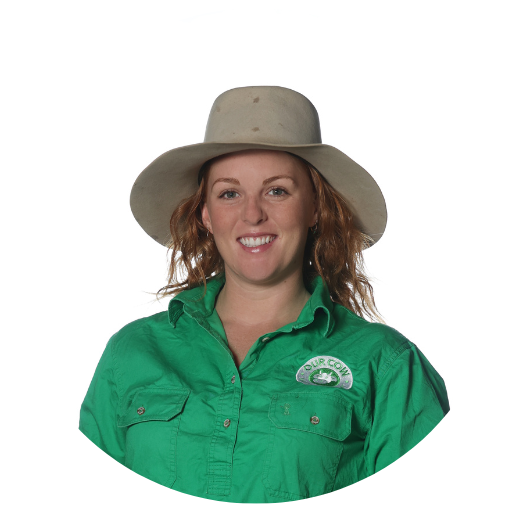
Nathan Bush: I think my guest today was actually baiting me when she compared the senior leadership team that she's been able to attract to her company when she compared them to the Queensland lineup they had with their unstoppable state of origin winning streak. It's not a great time in my life. Brings back very bad memories at this time of year, but I did appreciate the analogy. It's not the only great thing about a business that rose from the ashes, quite literally of the devastating bushfires and subsequent drought in 2019. Bianca Tarrant and her partner Dave are farmers and co founders of Our Cow, an online butcher supporting a network of producers and delivering premium grass fed and organic meat to the dining tables of families all across the country. Now valued at over $60 million. With more than 6,000 subscribers, our cow is currently expanding to offer next day delivery to Sydney customers. And they just ran a promotion offering free bacon for life.
Nathan Bush: Stick that one in your ideas box.
Nathan Bush: Bianca shares how they are disrupting the cattle industry with their paddock to plate model, why they decided to acquire a grocery database and and she tells us about the phone call that gave them the best sense of their success. Now, before we get into today's episode, if you are early on your e commerce journey or you want to upskill your team in E Commerce, The E Suite E Commerce Accelerator is now open for enrollment over 10 weeks. We will cover all foundations of E Commerce, from marketing to tech to customer to finance to supply chain and more. And it all ends with you pitching a new solution for a real retailer. Spots are limited to 50 students. To secure your spot, head on over to esweettalent.com all right, there is no time for sitting around when it comes to farm work. Let's get into it. Thanks to our partners Shopify plus and Paclio. Here's our conversation with Bianca Tarrant, co founder of our Cal.
Nathan Bush: Bianca, welcome to ADD to cart.
Bianca Tarrant: Thank you. Thanks for having me. I'm really excited to be here.
Nathan Bush: Same. I'm excited to dive into this chat. I didn't actually know about you guys, but when it came across my desk, I was like, this is such a fascinating business and I can't wait to dive into it with you. But I can't get past. Before we dive into what you guys do, you have one of the best header selling propositions I've ever seen. And it may have disappeared from the website now, but when I was researching that said get free bacon for life when you join. What is that about?
Bianca Tarrant: Yeah, so we just had a promotion finish up yesterday actually, where if you joined our meat subscription club, you would get free bacon for the life of your subscription. So half a kilo for free in every box for as long as you're a member. It's pretty cool.
Nathan Bush: Holy moly. Do you have many people take you up on that?
Bianca Tarrant: Yeah, we had heaps. It's always a really good campaign for us. We love that campaign.
Nathan Bush: Pre bacon. I can imagine that's a popular one. So tell us the story of our cow. So I can see that you are now selling around $20 million online every year. From my research. What was the starting point for developing an online meat business that's now doing such huge numbers?
Bianca Tarrant: Yeah, well, it wasn't with that goal in mind by any means. We started in 2019. Dave and I started the business actually cattle farmers. And we were selling our livestock. And as a farmer, it's really difficult to know what price you're going to get for your livestock. You're just basically selling a commodity. You're susceptible to a fluctuating market. You never really know what the end goal is. So we just wanted to be able to, one, like, bring some stability and sustainability to our farming operation. And two, like, just connect people to where their food comes from and give people a way, especially in the city, to feel like they can support farmers every day through their food choices. So that was kind of the idea behind starting the business because we knew that the meat prices don't fluctuate anywhere near as much as like the livestock prices do or the commodity prices of livestock do. So by selling our meat, we could guarantee ourselves a price. We could bring some consistency and we knew like, how much input costs we could put into the business and into into our farming operation. I Guess so. It's. Yeah, it certainly wasn't started with the idea of creating like the big monster of a business that it is now. It was just to, you know, start off selling our own meat off our own farm. But we knew by starting what we had that there'd be lots of other farmers in the same boat as us that would be looking for consistency, stability, a new market as well. Because it's not very often as a farmer you actually know where your livestock ends up. Like you normally just sell. It sells through the sale yards or sell to a feedlot or it gets exported and that's sort of the end of it. Like basically when the animal leaves your property, you never hear about it again. But with the, the business that we've built and the community that we've built, like us and all of our farmers know that there's a family in Sydney or Brisbane or Melbourne sitting down and actually enjoying that piece of meat that they've produced off their farm, which is really cool. Like, you know, the business has just evolved over the last couple of years and to see the actual impact that we're now having on the agricultural industry is like really amazing.
Nathan Bush: So cool. Did you come from a family of farmers or are you kind of first generation farmers?
Bianca Tarrant: No, I don't come from a farming background at all. I grew up on the beach, so farm life was very different to what I knew. But Dave is family farm, so like his parents were farmers and everything else. Their farm eventually got sold down and split up and everything else. So the way that we got into the farm was literally just saving our absolute asses off. Because it's so hard to get into a farm as a young person. Like put into perspective, like you need anywhere from excess of 40 to 50% deposit just to even have the banks look at you to try and buy a piece of land. It's so high and it's almost like unattainable for young people to actually try and get onto a farm. So yeah, it was a lot of like saving and peanut butter sandwiches and stuff for us to be able to have enough money to actually get onto the farm to start with.
Nathan Bush: Why is it so hard? Do banks see it as a risky venture?
Bianca Tarrant: Yeah, super risky. Like because of the size of the property. Like anything more than 100 acres is like really rural and it's hard for the banks to sort of resell that. So yeah, they see it as risky to, to actually take that on board.
Nathan Bush: And what were you and Dave doing to earn a crust to save that money?
Bianca Tarrant: We were both actually working in the mine. So that's where we met. We met in central Queensland. I was a machine operator. Dave was an operator out there and he was a supervisor as well. So we spent a few years out there. Day shift, night shift. Not the most appealing lifestyle, but it put money in the bank and it really helped us out to get onto the farm.
Nathan Bush: That's a great story. And I think a lot of people who are, you know, complaining about not being able to buy their first house, that's to a new level. What you've accomplished there. When you first bought this land and went great, we want to be in the meat business because it's more stable than the livestock business. Was the vision always to sell meat online or you weren't that far down the track when you bought the property?
Bianca Tarrant: No. So we bought the property and probably for the first time, two years, we were like just selling our wieners. We were just trading on the market. Like, you know, we were happy with what we were doing. But in 2018, we had a series of bushfires come through our farm and it also was the start of the drought. So, you know, not only had we absolutely mortgaged ourselves to the hilt for the farm. When you go onto a farm, you need livestock, you need tractors, you need machinery. Like, you know, we go further and further in debt to be able to make money out of what you've just invested in. So we had the mortgage, we had livestock on finance, we had machinery on finance. We went into a horrific bushfire and one of the worst droughts Australia has ever faced. And when that happens in the livestock industry, the cattle prices just absolutely go through the floor, so they're worth nothing. So we have. We were selling these livestock that we had financed at the top of the market in a down market. It's very similar to like trading on the stock market. You know, like you buy and you sell and things like that. So, you know, we'd sold the livestock at a loss and that's sort of where the idea come about as well. Like, you know, we couldn't afford to keep doing that. We couldn't afford to keep selling what we were producing at a loss. But if it wasn't for, you know, the bushfires and the drought and everything that we'd face, we probably would never have been put in that situation to think outside the box. So I guess from every hard situation there is something good that comes out of it.
Nathan Bush: Ever scrolled through an E Commerce packaging website for fun? Nah. Me neither.
Nathan Bush: Until today.
Nathan Bush: Paclio is Putting the joy into the packaging game. So let's play a game. I'll tell you the name of the Paclio product and you have to try and guess what kind of product they are. Fairy floss Compostable mailer. Queen Bee Honeycomb Padded mailer.
Nathan Bush: Here we go.
Nathan Bush: Gummy Shark water activated tape. Now if my jaded self thinks that this packaging is fun, imagine what your customers will think. Paclio is also eco friendly Australian owned and operated with same day dispatch and 14 day returns. Now that's pure joy for everyone. Check out the Paclio range of E commerce packaging options@paclio.com that's Paclio P A C K L E O paclio.com
Nathan Bush: what was the light bulb moment that you went actually let's get this online?
Bianca Tarrant: Yeah, we'd had a look at a couple bricks and mortar style butcher shops and we sort of thought about it and I guess you sort of as a bricks and mortar store you're always kind of bound to the foot traffic that you get in. So that's sort of where the idea came about was going online. I like secretly love social media so I spend a lot of time on there. I love what we could do and just the ability to reach so many people. And I guess like the other thing that I seen during the drought especially and the bushfires was like the amount of support there was for farmers like everywhere from all across the world people were donating because they wanted to be able to help wherever they could and to support farmers and to you know, donate to aid and things like that. And it just made me think like, why does the support stop when the drought breaks or the floods subside or the bushfires go out? Like why can't there be a consistent support mechanism for farmers every day? Because that's just like it's just our nature as Aussies. Like we want to be able to help our mate or help the neighbors or you know, help out wherever we can. Like we're just a really giving kind of community and like country I guess. But what I found was the only time farmers ever got recognized in the media or got mentioned in the media was when it was some sort of catastrophe. So I really wanted to give people a way to support farmers every day through their food choices.
Nathan Bush: And did the customer that you attracted at the start, is it the same customer that you've got today or has it evolved and changed over time?
Bianca Tarrant: Yeah, well at the start it was really funny. Like I, I couldn't work out why all these farmers were following us like There were farmers and there were different farming properties and I'm like these, why would a farmer want to buy from another farmer when they've already got their own business? So like I didn't realize that all of our marketing, I didn't even really know what I was doing back then. But the marketing, I guess you'd call it, was like being targeted to farmers. So we've sort of changed that from now, from then and I think the customer has sort of always been the same. It's like people that are interested in their health, they, they want to know where their food comes from. They want to be able to support the industries and keeping things local in Australia. So I wouldn't say the customer has changed a lot. We've just been able to obtain a lot more insights actually in who our customer is.
Nathan Bush: And who would you say that customer is?
Bianca Tarrant: Yeah, well we sort of have two different customers. Like we have healthy families so you know, they might have young kids or like mom and dad type thing and they're, you know, they're looking after their health, they want to feed their family really good quality food. They don't mind spending a little bit extra on food and on looking after themselves. So that's sort of one demographic and the other demographic is a lot of like empty nesters, which is, which is interesting. Like maybe their kids have left home or they're on their own or they're semi retired and maybe they've had like some sort of tie to a farm back when they were younger or they, it's part of their history or something. Like they just feel like this connection to farmers and wanting to be able to feel like taste meat like they used to when they were kids or the butcher shop down the road when I was a kid used to have meat like this. So it's just that real emotional connection to those guys.
Nathan Bush: From a marketing perspective, does that make it easier or harder when you're trying to get new products, new messages out there to know whether to go at it from an emotional kind of support farmers angle or to go from a value proposition perspective?
Bianca Tarrant: Yeah, it's tricky with that because like what we found is if we go out with just a value prop, a lot of people think that we're expensive and I think not all of our products are expensive. Like if you look at our prices, we're very much on par with like a good quality butcher shop, the supermarkets, high end range. Like we're really on par with that. But I think it's like this subconscious thing where people Think, oh, subscription, I need to cut my costs or cut my subscriptions. So it's a funny balance in regards to that. And like, we have always led with our story, we've always led with our, with mine and Dave's story of where the business is come from, how it started, what it means and I guess our value and our mission, because that's what drives us. It's not the fact that, yes, we're selling meat and that's nice, but what we're also doing is we are supporting like hundreds and hundreds of farmers, which is like the main driver for me and for Dave. Like, to see the impact that we're actually having. Like, I know we say we support lots of farmers, but like the stories that I hear and my farming friends that I work with that supply our business, it's really emotional, like to hear what they've gone through and how much their lives have actually changed since our business has really come to fruition.
Nathan Bush: Is there one story from a farmer that sticks out for you in terms of how your business model has helped them reach new audiences and generate new revenue?
Bianca Tarrant: Yeah, it was actually the other day we took a trip up to Dorrigo. So a lot of our beef comes from the northern tablelands of Australia or New South Wales. You know, we went out there, we've met with some of our farmers and they were saying they took us around all their properties. When we first met the guys, they had about 80 head. Like they were farming about 80 head. Both Steve and Michelle, like, they were working off farm. Steve was a contract tractor driver. He was working flat out, like day and night to try and pay the bills. They were just doing whatever they could to like work off farm, to support what was going on on farm. And we went there. This was about three years they've been working with us now. They now have like over 250 breeding cows that they are farming. Steve hardly works off farm. Like he's like nearly 100 on farm. They've got like a really bright future for their kids coming onto the farm. And the most rewarding thing I think happened the other day is one of their kids, Hugh, he's about 13 and he works off like he. After school he goes and cuts firewood and he chops wood and he mows grass and all sorts of stuff. Stuff. And he sent us a. He took. He rang Dave and was like, hey Dave, I've just bought my first two cows and I can't wait to be an al farmer. And I was like, wow, man, that's like that's so cool that he's, that's, that's what he's spending his money on is so that he can have a future on the farm as well.
Nathan Bush: That's amazing. I love that story. So how does it work with your farmer? So you're obviously based in casino and you've still got your farm, right, that supplies product. Then do you have partnerships with farmers all over the country? Who do they ship their meat into you to then send out to customers or do they send directly to customers?
Bianca Tarrant: We've got a processing facility in Casino, so the farmers, depending on where they're located, will send the animals to the closest abattoir to them. And then we bring the carcasses back down here. And we employ about 50 people in casino. And we've got like butchers, meat packers and pack stuff, laborers, all that sort of stuff. And we like cut all the products up, we cry, like package everything. So there's two steaks in a packet. We'll box it all up and then we distribute all across Australia.
Nathan Bush: Wow. From a community or a town perspective, in Casino, has it changed anything that you've seen around, even the spirit of farmers creating those opportunities and that kind of industry within the town?
Bianca Tarrant: Yeah, it's just something that's talked a lot about because it's so different to what's been done. Like selling livestock in Australia has been the same forever. Like it's never changed. So what we've created is something that's just so different and so unique to the livestock industry. Like we're actually connecting people to the people that are producing their food. Like we're giving farmers an avenue to start sell directly to consumers. And it's something that like every farmer has always thought about, like, oh, I want to do the paddock to plate thing and I want to deliver my own beef and my own lamb. But you know, like the logistics, the marketing, the packaging, the processing, all of those things that go to doing that, it's really hard. And it's like, it takes a lot to work out. And most farmers are like, you think of a farmer and they're like 60 year old male, they're not really super tech savvy or logistics. They haven't figured out all that stuff. So it's much easier for them to just to do what they do best, which is farm and let us handle everything else. Like we've managed to work all this out after three years of blood, sweat and tears. We've worked it out and it's easy for them Just to send us the livestock. We've given them an avenue. We still credit to the farmers and we still tell their story. But yeah, it's just a different way for people to do it, I guess. And it's something new to the industry. So there's a lot of talk and a lot of chatter about it.
Nathan Bush: Amazing. And from your product perspective, you can order online as a one off order or you can order as subscriptions. Obviously you want to push people towards the subscription model if you can. Where are you kind of sitting at the moment in terms of one off first subscriptions?
Bianca Tarrant: Yeah, most of our orders are subscription. So like majority of people do buy on a subscription with us you might get the odd person that'll like try it before they buy. But you know, like, I think it's over 80% of people come back and join a subscription and we have a really good retention rate too. And I think that's just like credit to our value proposition that we have. Like not just the product. Yes, the product is very good and it's the convenience and the quality and I guess the emotional connection to what they're actually buying.
Nathan Bush: From that retention perspective, do you do anything special in terms of how you package it up, how you tell a story that you think is your secret sauce to getting people coming back? Like if they did that one off order, great, they have fantastic meal, the quality is really good. Is there anything else that you do above and beyond the product itself to get people to come back and subscribe?
Bianca Tarrant: Yeah, I think the one thing that really sets us apart from everyone else is the ability that we actually have the farmer's name on every single packet that goes out. So if you get a T bone or a rump steak, it's going to have that farmer's name listed on the bottom of the packet so you can tell exactly where that product has come from. You can jump on our website, have a look at some of their videos or on our social media and get a little bit more information about that farmer.
Nathan Bush: That's very cool. I love that. So you've created this process and this scalable model from scratch and brought a lot of farmers on the journey. I can imagine that it's not an easy one from an E commerce perspective because. Because you've got a perishable product, you've got multiple suppliers and inputs that aren't in the e commerce infrastructure and you know, no one's really done it well before. What was the most difficult part for you when yourself and Dave were setting up this e Commerce model.
Bianca Tarrant: Yes, I guess you're right. Like dealing with a perishable product and a product that is never the same. Like we're dealing with live animals and, and every single animal is different. So working through things like yield and costings and variabilities in the product, it's not just like we're shipping in a green T shirt and selling a green T shirt. Like it's, you know, every single product is a little bit different and taking that variability into consideration and learning a lot about carcass consolidation and natural fall and things like that. Like, you know, it's been been a big learning curve in regards to the meat processing space and dealing with the perishable product as well. So we're looking at speeding up our delivery times and increasing our basket and a different range of products. So yeah, I guess all of that stuff just continues to evolve as the business grows.
Nathan Bush: Has there been anything from a technical perspective that's been more difficult to set up that you weren't expecting, or has it been pretty much straightforward?
Bianca Tarrant: Well, it's all been a learning curve like neither of us had. Like Dave didn't even know how to turn on a computer two years ago. So like we've had to learn a lot of things. I learned how to do everything thanks to YouTube basically. So. But from a technical perspective it has been challenging, like with the requirements that we wanted and the things that I thought customers would want, like the ability to edit their subscription and edit their products and change their delivery frequency. Like it's a really flexible subscription that we have. So just building all of that flexibility and customization into the platform has been difficult. But we have just put on our very first internal tech team here at al, which is really exciting and something I never thought that we'd have. But yeah, just it feels like the business is just like growing up now.
Nathan Bush: 2023 might be the year that you have to unravel everything that you know about loyalty. New global research from Shopify showed that Australian customers are highly likely to switch brands in order to save money. And here we were thinking loyalty points will keep us together forever. While the battle for customers hearts will be driven by pricing in 2023, they will not sacrifice customer service in the process. 2023 might be back to basic retail, but it doesn't mean that the opportunity is any less. Treat them lean and keep them keen. I say to view more resources to help with your 2023 planning and see how Shopify can take your e commerce business to the next level. Visit shopify.com au today.
Nathan Bush: Are you building everything custom or are you taking things off the shelf?
Bianca Tarrant: No, everything's custom. Yeah.
Nathan Bush: Okay. And that's just because you are so unique from the subscription model, but also product perspective.
Bianca Tarrant: Yeah, we're like a very unique offering over here.
Nathan Bush: You mentioned marketing before and your love of social media. What channel has been best for you to acquire your new customers?
Bianca Tarrant: Probably Facebook has been really good for us. Facebook and Instagram and I think it's just the, the community that we've built from the start, like for some reason people just liked to follow us and they liked to see what we were doing. And we've always been really transparent in our journey and transparent in what we share and what we do and never taking for granted, I guess, the life that we get to live. Being farmers and being on the land, like, it's just, it's so different to a lot of our city friends and customers and counterparts. I guess, like, you know, we probably don't think much of it, but like being in a tractor out in a paddock all day is pretty different to someone that's living in a high rise building. So, you know, just sharing that and sharing our different lives. Because at the end of the day, like, we all still go through the same things. We still have the same struggles of getting kids ready for school and what we're going to cook for dinner and all that sort of stuff. We're just doing it from two different parts of the country. So just showing people how we live and what we do and what goes into actually producing food.
Nathan Bush: When it comes to taking that content and showcasing that lifestyle and creating a connection with people who want to support farmers, has it been difficult in taking that community approach to social and then turning it into sales, or do you find that it flows pretty naturally?
Bianca Tarrant: I think that it flows pretty naturally because we've never really tried to put the hard sell onto our community either. We've always just, we've built community. And yeah, like I said, we sell meat as well. But at the end of the day, like we've built a community of farmers, a community of customers, a community of staff. And it just feels like that's what it is at the end of the day and we all share an interest together, which is like eating really good quality food.
Nathan Bush: Yep. I read recently that you acquired Volley's database. If you haven't heard about Volley, Volley is the on demand food delivery or grocery delivery that shut down.
Nathan Bush: And I heard that our cow acquired
Nathan Bush: that database when it closed down. Can you describe to Us the decision around that and how you are going to use that database.
Bianca Tarrant: Yeah, we heard the news at the end of last year that Volley was closing up and we really liked what they'd done with the business. We'd like the way that they'd looked after their customers and what their vision was and their mission, I guess. So we wanted to take the opportunity to continue to look after their customers and to introduce them to Akao and, and yeah, really showcase what we had. I guess what we're planning to do with the database is, you know, we've started talking to the guys over there at Ollie and the people that were within the database, but we're, we're moving into a faster delivery service at our cow. So we've just opened up our first Sydney warehouse near D.C. so within the next couple of weeks we'll be offering same day delivery and next day delivery into Sydney. So that's kind of where we see the Volley customers being a little bit more interested in our offering and really expanding our range into some more grocery and fresher food products.
Nathan Bush: Yeah, that's really interesting. We had Blake from Flippa.com on a few weeks ago and he shared how, you know, he sees a lot of businesses growing not from trying to pursue a lot of paid social ROI, but from actually acquiring databases and businesses who have strategic alignment and being able to grow. From your perspective, what do you think your approach will be in terms of approaching these customers who may be used to dealing with Volley? And then you're introducing a new proposition, although aligned and definitely being able to help. What are the considerations running through your head as you take that step?
Bianca Tarrant: I guess just getting understanding what they were used to with Volley and what they were purchasing with Voli and trying to offer something similar to them. And we're still like co branding the marketing so that the guys are still seeing something come from Volley and just slowly introducing ourselves in our offering.
Nathan Bush: Yeah, great. And we've obviously had the close down of Milk Run recently as well. How have you viewed that? Has it put any dampener on your expansion into same day, next day delivery?
Bianca Tarrant: Yeah, it was really sad to see what happened with Milk Run. I think it's just a, like just shows the kind of time that we're in at the moment and the economic pressures I guess people are feeling. We haven't seen it impact our move into Sydney and you know, the business is still growing week on week, day on day, which is like really humbling to see the support that we have from our customers and as we Continue to expand our range. We sort of see that that will just continue to go up.
Nathan Bush: Yeah, great.
Nathan Bush: I can imagine that shopping around for
Nathan Bush: a warehouse in Sydney to store meat that can be delivered the next day wouldn't have been an easy task to find the right spot, was it?
Bianca Tarrant: No, it was, yeah. Challenging can be challenging, especially when you need the amount of cold rooms that we do. Like, you know, 99% of what we sell is cold meat, so we need a lot of cold room.
Nathan Bush: How big are you talking there?
Bianca Tarrant: So the warehouse is about 1,800 square meters, so pretty big, yeah.
Nathan Bush: Okay. That is a big warehouse. A big refrigerated warehouse. Fantastic. And when do you think you'll launch that?
Bianca Tarrant: We moved last week. We kicked off last week and got our DC set up out of there. And we're hoping to have same day, next day, within the next sort of like three to four weeks.
Nathan Bush: Beautiful. Well, it's an exciting time. I think it will be just when this goes live. That should hit the market. So one to watch. One thing that I saw is that you've started getting some really impressive industry folk on board and in your senior. On your board and your senior leadership team. How did you go about approaching and selecting these people to be part of the our cow journey?
Bianca Tarrant: Yeah, it's really funny. These people just seem to come into our lives and I don't really know how, like, it's been this. It's happened to us for years. We've had people turn up at our door or turn up at our factory that, you know, have just absolutely blown us away. And we have no idea how they've heard about us, but they have. And that's kind of what's happened with the exec team. Like, a lot of them just approached us and said, hey, this is what I do and I'd love to be a part of it. And it's just continued to grow. Like the exec team. We've never had an exec team before. Like, it's been Dave and myself for the last three years and our team. So it's really nice to bring a group of leaders to the business with us that can help push us and drive us and really help us get closer to our. The goal that we want to achieve. So I'm really, really proud of the exact team that we have in place. And like, you couldn't buy the team. It really feels like, you know, we've got this a star team working for us. Like, you know, those couple of state of origins where Queensland won every year. It was like Cooper Cronk and Kevin Smith and Billy Slater. Like that's kind of what it feels like our executive team is as a blue.
Nathan Bush: I remember that all too well.
Bianca Tarrant: Yeah, I'm a blue too.
Nathan Bush: Can you give us a little bit of a preview or a couple of names and experiences there of people that you've come across in your journey?
Bianca Tarrant: Yes. So I guess the guys that we have in our exec team at the moment, we've got Rob Corey, so he's come from Archar, he's in the tech tech space and he's been unbelievable. He's the chairman of our board. Like just really opening our eyes into the possibilities in Sydney. Like I guess Dave and I are pretty sheltered living in our little farm. We don't sort of see what goes on in the big smoke. But we've spent a lot of time down there lately and Rob's really helped us sort of see the potential of what's down there and what people expect in the city and how people live so differently to us. Because like, you know, for me it's normal for me to have a month's worth of meat in my freezer but for someone in Sydney, like they're probably going to the supermarket every day. Whereas like where we live it's over 100ks for me to get to a supermarket. So it's just like opening my eyes to what's potential down there. We've introduced Lyanna Laborde, so she's from David Jones and she's been fantastic for procurement for us. She's welcome to the team. We've got Phil, he's come from Koala for marketing and we also have Nick and he's come from Woolies Mergers and Acquisitions. So it's just like star studded team. I'm really excited to have those guys on board.
Nathan Bush: How good? And then obviously you and Dave seem like really mission orientated, hardworking, driven but also, you know, have an appetite for risk given what you set up and what you bought into. What do you see your role moving towards say in the next five years as our cow continues to grow? What do you enjoy?
Bianca Tarrant: I enjoy marketing, I love making content, I love leading a team and at the moment like I'm really involved in the production side of the business like in the actual meat processing side and down in our factory and casino. So I really enjoy that. Like I love working with my team down here and Dave sort of, we've sort of split our roles a fair bit lately. He's sort of focusing on the Growth and expansion, while I'm like, keeping the nuts and bolts of the business running, which is really cool. But, yeah, it'll be interesting to see what unfolds over the next couple of years for us.
Nathan Bush: Yeah. And it looks exciting. I saw that you raised a couple of million dollars a few weeks ago now, valued at over $60 million. Do you feel pressure to keep scaling?
Bianca Tarrant: Yeah, I feel like, pressure that all these people have trusted us with their money. But I'm really confident that we'll be able to get everyone a good return. Like, we did a crowdfund raise last year as well, and, you know, the business has doubled in size and in valuation since then. So, like, I'm really confident that we're going to be able to get all of our investors a really, really good return on their. On their money. But I know with what we have planned and just the, I guess the grit and the determination that Dave and I have, like, this business isn't going anywhere but up.
Nathan Bush: And it seems like you're attracting the people around you rather than chasing people to invest in you or chasing people to be involved, which is always a good sign, right?
Bianca Tarrant: Yeah. Like, we were really blown away with the crowdfund, like, the amount of interest that there was. And I think we had one of the biggest webinars that virtual had ever hosted. So there's a lot of interest and people are just. Yeah, this. I don't know, it's just like this vibration and this energy that we must put off that people are attracted to, which is really cool.
Nathan Bush: Amazing. I love that. What's been the biggest lesson for you over, say, the last, you know, well, since you've gone online, like, what have you learned the most? Because I can imagine that you've just been on this journey and leading this journey and created this amazing business. Is there anything you step back on and go, wow, I just wasn't expecting that.
Bianca Tarrant: Yeah. I think lately for me, it's been the team that we've built. Like, everyone from the exec team, which have just come in, but our team on the ground, the culture I think that we've built here is a testament to, I guess, the business, the mission, what we do, and like, just the people that work for us are unbelievable. I'm lost for words when I talk about them. Like, what they've done over, especially the last couple of weeks in order to move us, move part of our whole business to Sydney over a weekend and to have no business disruption at all is just. It's a testament to our team that's brilliant.
Nathan Bush: I love would be remiss of me not to ask what's your favorite cut of meat, what's your go to?
Bianca Tarrant: My go to is a rib fillet, grass fed and my favorite farm that it comes from is Stephen Michelle's shorthorn beef because it is just like some of the nicest beef that I've ever eaten.
Nathan Bush: There you go. There's a hot tip. Get onto the Our Cow website, ourcow.com to check that out. Bianca, it's been amazing to hear your story so far and I feel we're just at the start of it. Got some exciting times coming up. What's next for yourself and the our cow team over the say the next 12 months? What are the big things?
Bianca Tarrant: Yeah, well we've, like I said, I've already mentioned, we're just about to launch into same day delivery into Sydney and expanding the range. So there's going to be a lot of focus on that. Like we have hundreds of farmers contacting us all the time about how they can be part of the business and how they can sell their products on our site. So there's a really strong focus on procurement and connecting with other farmers in other, other industries that we can bring on board to the platform and just getting the goods to people quicker, which is one thing that I really want to be able to do.
Nathan Bush: When you say other industries, what do you mean by that?
Bianca Tarrant: Dairy veggies, like just all of the day to day products that we consume. So milk, butter, cheese, eggs, veggies, fruit.
Nathan Bush: It's exciting, very exciting. Oh, how good. So Bianca, if people have heard this, want to get in touch either to order or if you're a farmer looking to partner, what's the best way to get in touch?
Bianca Tarrant: Yeah, to order would be our website, ourcow.com you can have a look at all of our range over there. We, like I said, we do beef, pork, lamb, chicken, we make all of our own bacon which is unbelievable. And the new range that we're just about to bring in and if you're a farmer, we have a contact form on our website that you can get in touch with us for and you know, submit what you're currently farming and one of our guys will be in touch and just if you just want to reach out and say, hey, there's an inquiries form on the website too and I'm sure our girls will forward any questions or queries or anything at all over to David myself. So we can be in touch.
Nathan Bush: Awesome. Bianca, thank you so much for Joining us on Add to Cart. Love hearing the story so far and I'm going to go check out this frame bacon.
Bianca Tarrant: Thank you. Thanks for having me. It's been awesome.
Nathan Bush: I really enjoyed that chat with Bianca. I thought that was really cool. You might have heard some of the doors clanging and the real work going
Nathan Bush: on in the background.
Nathan Bush: I could actually see it on video. That was actually a real workplace, not like our little computer workplaces.
Nathan Bush: It was actually a real workplace going
Nathan Bush: on behind her, which was great to see. You might remember way back at the start of COVID we interviewed reviewed Hagen's Organics, which is a beautiful butcher in Melbourne. And so it's nice to see that this category keeps pushing the boundaries of
Nathan Bush: what's possible in E commerce.
Nathan Bush: Here are the three main lessons I got from my chat with Bianca. Number one, the origin story. No, not that one. Not state of origin. Let's ignore that. Again, you heard from Bianca throughout this episode how much farmers and farming communities matter to her and Bianca. Dave the whole mission of our cow is built around helping farmers reach new audiences, but it goes the other way too, helping customers connect with farmers. I love how each our cow product references who raised it and where it was raised. It speaks directly to the OW cow mission and conveniently justifies a higher price by connecting the customers customer to the source and creating that beautiful emotional connection. And you don't need livestock to connect customers to the source. Everything comes from somewhere, right? Number two, acquiring databases of customers. Despite Bianca's love of Facebook and social media, she hasn't put all their customer acquisition strategies in that boat. The story of how they acquired and onboarded the Volley database is a fascinating one and it goes to show what can happen when you look at customer acquisition as a total investment rather than a series of cacks on the poker machines. Number three, experienced farm hands. Our cow now has some really heavy hitters on their advisory and as you heard from Bianca, they were attracted to our cow rather than the other way around. It was nice to hear the experience and the insights rather than just the money that these advisors have brought to the team to help them pursue growth. It's a good lesson in identifying the blind spots that you have in your business and then aiming big to bring that experience in. To get the highlights of today's episode, head on over to addtocart.com and sign up for our free newsletter each Tuesday. We will send Monday's episode episode summary links and discount codes for you to
Nathan Bush: go next level on.
Nathan Bush: And if you're looking to explore your next e Commerce opportunity, come and visit us at E Suite. We're a dedicated e commerce talent agency connecting the best e commerce talent with the fastest growing brands in Australia. Head on over to esweettalent.com where you can download the free E Commerce Salary Guide and sign up to our weekly ecommerce Job emails. Thanks for listening and until next time, keep those customers adding to card.