
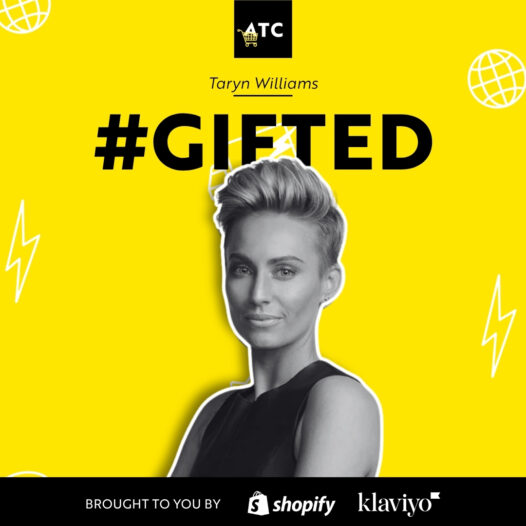

Taryn Williams has been in the talent and creator world longer than almost anyone in Australia, and she saw where it was going before the rest of us. She started Wink Models at 21 with $30,000 of her own savings, launched the two-sided creative marketplace The Right Fit around the time influencers were becoming a thing, sold it to international acquirers, and now runs #Gifted, a gifting platform for brands and creators. She also sits on boards and advises brands, so she sees this industry from the talent side, the platform side and the brand side at once.
We covered a lot, from diversity in Australian marketing to how she uses AI on herself. Here’s what stuck.
🎁 Add To Cart listeners get 50% off their first month of #Gifted.
Head to hashgifted.com to redeem with discount code ATC50.
Assume Positive Intent With Brands That Try
Taryn’s first business was partly built on a shift she saw coming: away from the tall, skinny, white model as the default, toward real people who actually represent a brand’s customers. Early clients like Qantas and Nokia wanted that, and she traces a straight line from there to where we’ve landed now, where the truest representation of a customer is UGC from micro and nano creators.
But she’s frustrated by how brands get treated when they try. Her example is an activewear brand, a small business doing sub-five-million in revenue, that ran a campaign with ethnic, size and age diversity and still copped a backlash for not carrying every size in every SKU.
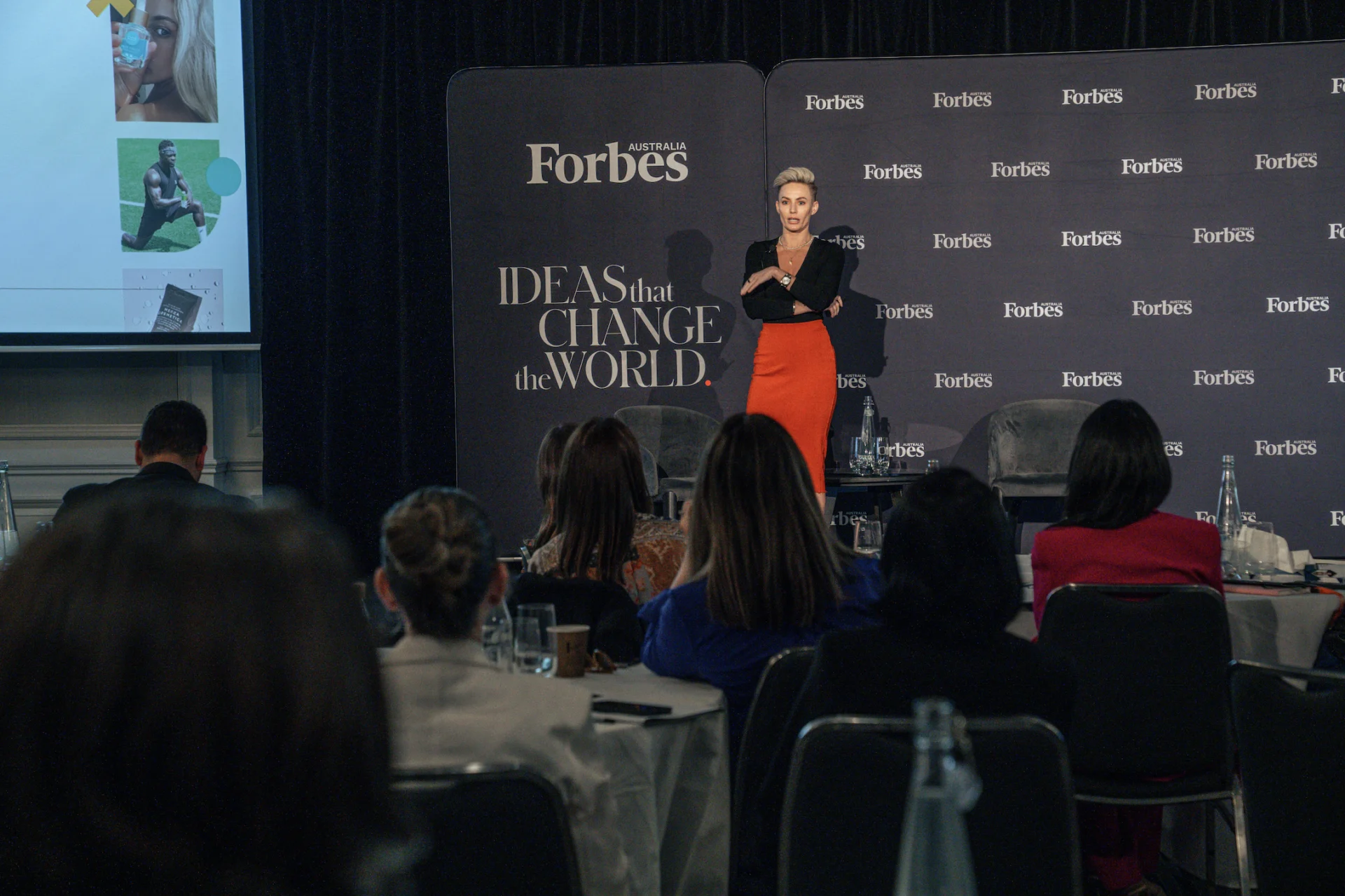
There’s just not commercially viable for a brand. And so it was really disheartening to see what I thought was a really beautiful, diverse campaign, and the brand still having a tough time of it online
- Taryn Williams, Founder, #Gifted
Her advice when a brand faces that heat is simple and applies well beyond diversity: always be honest, hold a clear position, and don’t play into the online vitriol. Deleting comments or getting defensive never works. Customers can sense honesty, and they’ll generally forgive a brand that owns its position.
The 5-Page Website That Got Away
#Gifted started as a fix for something broken. Running The Right Fit, Taryn kept seeing two problems the platform missed: gifting and contra deals. Brands wanted to hand creators $500 of product for content, but you can’t charge 15% commission on a pair of pants. Meanwhile creators were cold-messaging brands asking for a dress or a hotel night in exchange for a post. The whole thing was manual and fractured.
So she pulled her head of product into a “tiger team” (a small spin-off from the core business) with a Figma file and a brief: build a simple five-page website that solves contra-gifting. His idea made it: build it like a dating app.
Know When Your Founder Energy Runs Out
One of the most useful things in the conversation is how deliberately Taryn manages her own role. She sold The Right Fit, took barely six months, and started #Gifted during her handover. But from day one she was clear she would build it, prove it, then hand it to a team, because she’d just spent nearly a decade being consumed by a startup and knew she couldn’t do that again.

I don’t think anything replaces founder energy of pushing big rocks uphill. So that sort of zero to two years really does require brute force.
- Taryn Williams, Founder, #Gifted
Her lesson for founders is to know what you’re good at and where you get satisfaction. The zero-to-two-years phase needs the founder in the weeds, deeply understanding the product and, in her case, both sides of the marketplace. But once you hit product-market fit, the job can change. Taryn now runs a portfolio career across her own companies, board seats and consulting, and gets to watch #Gifted grow without being in it daily. Having that vision from the outset is what made stepping back possible.
Make Gifting Work by Relinquishing Control
The single biggest mistake Taryn sees brands make with gifting is trying to control the creative. The instinct is to hand over a rigid brief, but that produces contrived content that jars against everything the creator’s audience trusts.
The better approach is to give a creator your colours, two or three key messages and a bit about the brand, then let them make you authentically part of their world. She points out the brands getting five-star reviews (Koala, Temple & Webster) are exactly the ones giving full creative control, and the smartest beauty brands even invite honest feedback rather than demanding “best product ever,” because a creator saying the moisturiser broke them out but the serum was great is what actually builds trust.
She also reframes what gifting is for. Yes, you get social coverage, but you also get “dinner party conversation,” creators becoming mini brand advocates who tell five people at the gym. It’s the modern version of street sampling, except social is the new town square. Even with zero social posts, seeding the right people is powerful.
Measure Against the Goal, Not a Vibe
Taryn has written a “ranty blog” about the brand that pays for one influencer post, doesn’t sell out, and declares influencer marketing broken. That, she says, isn’t a campaign. The missing piece is almost always the same: no clear goal, and no mechanics to measure it.
Her fix is to start with what you’re actually trying to achieve, because “drive sales” is where brands stop thinking when it’s where they should start. Are you repositioning the brand, attracting a younger demographic, launching a product, or growing your newsletter? Each needs a different mechanism, a different creator, a different message, and its own tracking, whether that’s UTM links, discount codes, or great UGC on the checkout page. There’s no silver-bullet framework. The discipline is to think about the why, build measurement around it, and iterate.
Use AI on Yourself, and Make It Brutal
Taryn uses Claude across all her companies, but the standout story is personal. She’d noticed AI tends to reinforce your own thinking (“great idea, Taryn, you should definitely do that”), so she deliberately built the opposite. She fed Claude the therapy and coaching methodologies she’d learned over the years (talk therapy, NLP, the Gottman framework), connected her email and calendar, and then gave it her historical WhatsApp threads with key people, personally and professionally, and told it to call her out.

Where are there repeat patterns in how I show up personally and professionally that need work? And it’s so brutal. Like it really is.
- Taryn Williams, Founder, #Gifted
Build It as SaaS, Integrate With Shopify
A key decision was building #Gifted as a SaaS product with a Shopify integration, not a marketplace, and it’s the part DTC operators will care about most. Gifting falls over when it’s manual: an Excel sheet of addresses, endless back-and-forth about what’s in stock, or a minimum-wage intern sliding into DMs all day.
The Shopify integration kills that friction. A brand sets up a gift bundle, the creator picks the SKUs and sizes that work for them, and inventory decrements automatically, so no more “sorry, that’s out of stock” emails. Just as importantly, the platform captures the creator’s content automatically. Because contra-gifting means you never know when someone will post, brands constantly miss coverage, especially when the person running day-to-day social isn’t the marketing manager. #Gifted pulls every post into a content library in real time, shows who’s posted and who needs chasing, and standardises the usage rights that used to be negotiated painfully creator by creator (paid amplification is baked into the higher tiers, and creators can see upfront which brands include it).
The Takeaway
Taryn’s throughline across 15 years and multiple businesses is spotting friction early and designing it out, whether that’s how models get paid, how creators and brands find each other, or how she coaches herself. For operators, the practical lessons are sharp: give creators real control, measure gifting against a genuine goal, and know that your founder energy is best spent zero to two, then handed on. And if you want an honest mirror, the tool’s already on your desk, you just have to train it to tell you the truth.
Frequently Asked Questions
What is #Gifted? #Gifted is a SaaS platform that connects brands with creators for gifting and contra deals. Creators build a profile and swipe, dating-app style, on products they want to receive, while brands set up gift bundles and filter a pool of around 11,000 creators for the exact people they want. A Shopify integration handles inventory automatically and captures the resulting content into a library for the brand.
How do you make influencer gifting actually work? Give creators creative control rather than a rigid brief, because contrived content jars against the trust they’ve built with their audience. Provide brand colours and a few key messages, then let them make you authentically part of their world. The brands earning the best results, like Koala and Temple & Webster, are the ones handing over the most control.
How should brands measure influencer and gifting campaigns? Start with a specific goal beyond “drive sales”, whether that’s repositioning, reaching a younger audience, launching a product or growing a database, then build measurement around it with UTM links, discount codes and tracking. There’s no single framework; the discipline is defining the why and iterating on what works.
When should a founder step back from their startup? Taryn’s view is that the zero-to-two-year phase needs founder energy and deep involvement, but once you’ve proven product-market fit, you can bring in a team to run and scale it. Knowing your own strengths and what gives you satisfaction, and planning the handover from the outset, is what makes stepping back possible.
Can you use AI as a personal coach? Taryn feeds Claude established therapy and coaching frameworks plus her real communication history, like WhatsApp threads, and instructs it to challenge her patterns rather than validate them. The result is an always-on, brutally honest coach she can consult before difficult conversations, though she notes you have to deliberately train it to be tough rather than agreeable.
Based on Episode 658 of the Add To Cart podcast with Taryn Williams Founder & CEO of #Gifted. Join the Add To Cart community for free.
Join us!
Come behind the scenes with Add To Cart Community: Join our crew of ecommerce operators chasing growth, sharing wins, and staying sharp with deep dives, live events and no-BS inspiration.