Rebecca Williams: There certainly was moments, I think, where Sophie and I thought we might not make it. Yeah, I run into the fire I think is a euphemism there. Yes, definitely. We were always going to participate in AI and select what we wanted to use quite methodically. Hi, I'm Bec from Seed and Sprout. Join me with Bushy on Add to Cart as we talk about all things financial, marketing tactics, how to work with a founder and also how to unlock the power of your people.
[Voiceover]: Picture a warehouse full of bread boxes.
Nathan Bush: Not a few, a heap of them
[Voiceover]: and no one to buy them. That is what Bec Williams found when she walked into Seed and Sprout in September 2022 as their new CEO. Seed and Sprout is the Byron Bay sustainable lifestyle brand that started with a single reusable lunchbox in 2016 and now runs more than 450 products across kitchen, lunchwear, travel and home. But when Beck arrived, the business was in decline. Post Covid post Northern rivers, floods and a product team sitting on years of ideas that no one had given them permission to explore. Before Seed and Sprout, Beck spent her career in corporate Holden, Mercedes Benz, Thermomix. Her thing is that she runs into
Nathan Bush: fires, not away from them.
[Voiceover]: So Seed and Sprout was a great time for her. Since she joined, revenue has grown to $30 million. New customers are up 300% and BEC calls what happened in between the bread
Nathan Bush: boxes and where they are today.
[Voiceover]: The product renaissance. In this episode we get into how
Nathan Bush: she did it, the one on ones
[Voiceover]: she ran in her first 48 hours
Nathan Bush: to find out what was actually broken,
[Voiceover]: how they went from no new Product launches to 500 unit test runs, how they define a quality customer and use that to shape everything from email flows to paid acquisition. And she tells us the fuel surcharge story, which is one of the best examples of brand transparency I've seen from an Australian brand. Now just quickly before we get into today's episode, a massive, massive thank you to to our partners at Shopify and Klaviyo for making Add to Cart possible. We always appreciate their support. And if you want the cheat sheet from this episode where we break it down and just give you what you need from this episode, head on over to addtocart.com and sign up for our newsletter. We send it out on the afternoon
Nathan Bush: of episodes release dates. So let's get into it.
[Voiceover]: Here is Chief Executive Officer Rebecca Williams from Seed and Sprout.
Nathan Bush: Bec, welcome to Add to Cart.
Rebecca Williams: Thank you Bushy. Good to See you.
Nathan Bush: So good to see you here. Saw you most recently at ksid. Lovely to see a fellow. Well, I can't even call you a Queenslander because you're northern New South Wales.
Rebecca Williams: Close, close.
Nathan Bush: But it was so nice to see you there. And then the beauty of that was we had a great chat and then I got home and I had a lovely package arrive with some beautiful seed and sprout merch. Well, we can't even call merch product which has been fantastic. I haven't even unboxed it yet because I want to saving it for this podcast. So after this I'm going to have a whole new storage solution in my kitchen. So thank you very much for that.
Rebecca Williams: You're welcome. Most welcome.
[Voiceover]: Tell me about seed and sprouts. So I think it's a fabulous business. I just saw the headline that you've
Nathan Bush: ticked over $30 million in the last financial year, which is a great achievement.
Rebecca Williams: Thank you.
Nathan Bush: You're in a unique situation where you are CEO working alongside Sophie, who is the founder.
Rebecca Williams: Yep.
Nathan Bush: What brought you into seed and sprout originally?
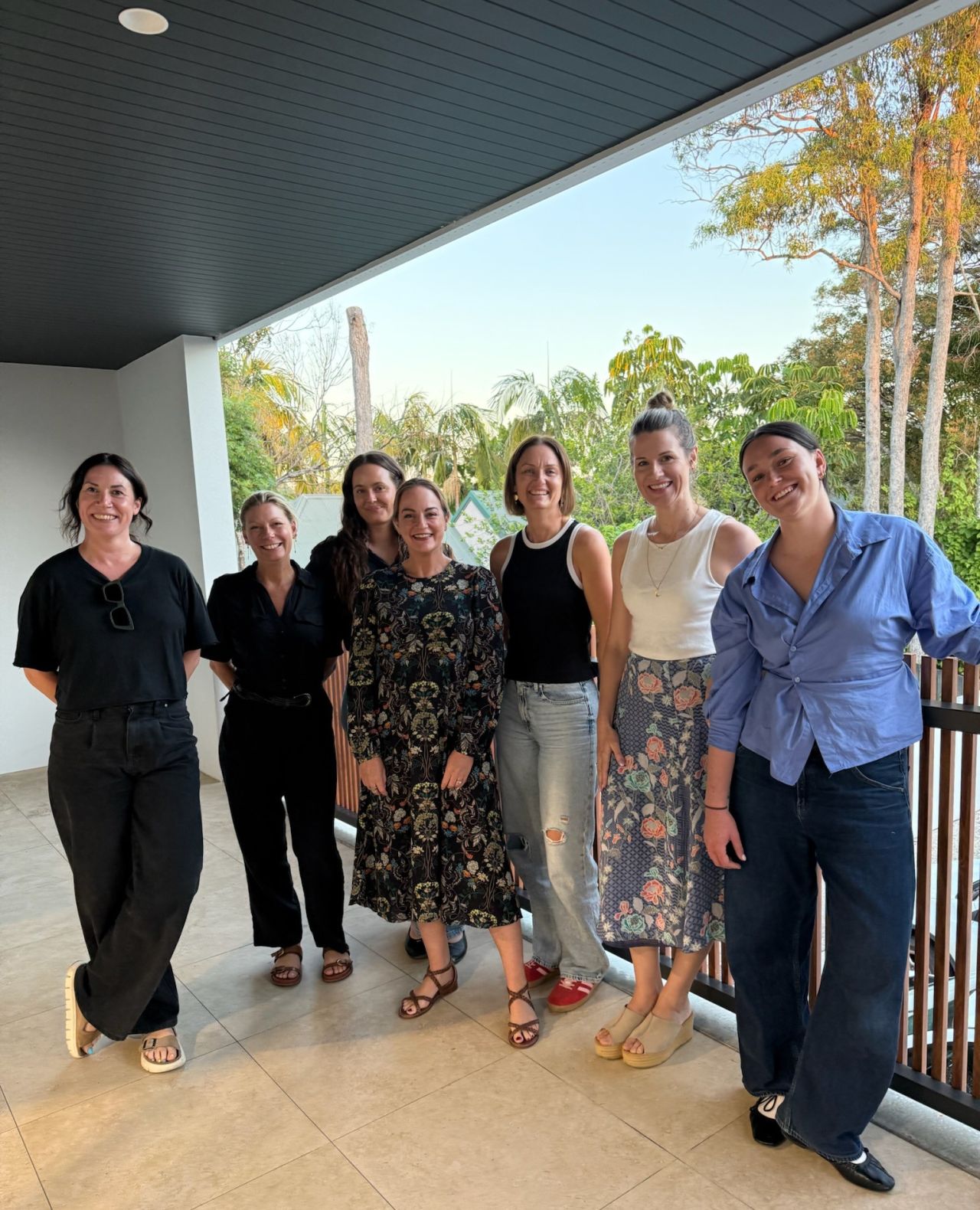
Rebecca Williams: So I was brought in at an inflection point where we'd gone through a crazy level of growth in the first three years where Sophie was at the helm and really sort of knee deep in all the parts of the business. And then we went to the next stage of growth and we had a new CEO that was brought in so Sophie could kind of step back from the business, which was great. Unfortunately, that coincided with COVID and all the other complexities of the northern rivers, floods and all that kind of stuff. So previous CEO exited and I was brought in to kind of do the turnaround piece. So that's sort of it in a nutshell. Sophie's always been a part of the business, but like every founder, you start a business so that you can pursue other parts of your life. So I think Sophie's a really good role model for founders or people that are going through that sort of next stage of I've built this business, now what do I do? Sophie has been able to pursue her passions and build that beautiful tiny off grid house and he's a role model for how to live sustainably. But she's also put people in the business like myself to run that day to day. So good lessons all around.
Nathan Bush: So she can go run the off grid house and then you just live in the mansion as the CEO. Is that how it works? Is that the balance here in the old virtual office?
Rebecca Williams: Yeah. No, I mean, yeah, look, we're a really unique partnership. And I get that question a lot of at what point do I bring in a CEO or a GM and how do I do that? And yeah, I think Sophie and I probably have a really, really powerful story to tell one day when we, we're not going growing triple digits year on year. But yeah, there's, there's definitely some magic there about how we work together.
Nathan Bush: Amazing. Well, I want to unpack everything around the turnaround. So turnaround to $30 million is incredible. And do you enjoy the turnaround? Like when that job came up and the opportunity came up and it was like, because you've got a corporate background before this, is that something that excites you? Because I think there's two types of people in the world. Those who actually look at that and go, oh, this is exciting. And those that goes, oh, I wouldn't touch that with a ten foot pole.
Rebecca Williams: Yeah, I am, I run into the fire. The euphemism there. Yes, definitely. And to be honest, I think most of my corporate life was actually going into those businesses that were turned around. So my first gig was at GM Holden. I was there for the longest that I've ever served in a company, but it was my apprenticeship. I got to work in all the different departments from product to marketing to warehouse and logistics and things like that. And then my next gig was at Mercedes, which was never really a turnaround, but it definitely was a transformation business, that business doubled in the five years that I was there. And so every sort of role that I've taken on has been either a hyper growth or a transformation. And so definitely this role was super appealing for me and very, yeah, very humbling and very proud to be able to say, you know, almost four years later that we've, we have turned it around. There certainly was moments, I think, where Sophie and I thought we might not make it. Not something you communicate to your team obviously at the time, but yeah, it's been incredibly rewarding to be able to be part of that and lead it on the ground, I suppose.
Nathan Bush: Yeah. Bit different. Selling environmentally friendly goods to leaning global corporate automotive companies.
Rebecca Williams: Yeah, yeah, yeah, it's a big, it's been a big change. Although having said that though, point of reflection for me probably in the last couple of weeks, also been traveling as well, is I learned a lot of the lessons in corporate around what those transformations would look like. And so had the scaffolding of great CFOs and great product and marketing leaders and people who had great depth of knowledge in logistics. And so I, I Learned a lot in that apprenticeship in corporate. And I would highly recommend anybody who's looking to bring somebody in is having that experience and then translating that into a sort of a startup. We weren't even really a startup, but a business that was struggling to find those kind of right settings. It was a good, really good marriage that I think Sophie and I probably didn't really realize back in 2022, but reflecting on it now, it was the right, right combination of my skill set and what she needed in her skill set at the same time as well.
Nathan Bush: I think we're seeing a lot more of that and I'm seeing it in our community. We recently had someone who's had a long career in corporate, now 60 years old, starting their own brand. And I just find it fascinating watching them in what they're establishing. Cause they're coming at it from a totally different perspective from both an experienced perspective, like you said with corporate, but also from a life stage perspective. Because when you're 20, you can just go all in. You can do the late nights, you can, you approach it totally differently. And I don't think one's wrong, one's right, but I think we're seeing more of those stories with more people with experience and wisdom coming in and doing E Commerce a little bit differently.
Rebecca Williams: Yeah, absolutely. And what a great marriage of skills. Right? It says more of, of those people getting together. I mean, entrepreneurship is incredibly hard in any pocket of the world, but increasingly difficult in Australia. So I think if founders can be supported by bringing in consultants that bring that expertise and that network, who do you ask in those times where you just, you just don't know, right? Like you don't know what you don't know. And so great thing about communities like, like yours is that you can lean on other people to say, are you having this problem? How have you solved it? What would you recommend? Can you connect me to somebody? There's so much power in the E Com community in Australia and I'm very blessed to be a very active participant in that particular last couple of years. Yeah, it's been great.
Nathan Bush: You are. And we're so lucky to have people like you who are out there sharing and speaking and connecting because it'd be very easy. I can imagine you don't have a lot of time up your sleeve, but you do make the effort to be present and to share, which is great.
[Voiceover]: Tell me when you first started at
Nathan Bush: Seed and Sprout, when you walked in, like you said, it was post Covid geographically, there were a lot of issues there around the northern river's floods. You said it was a turnaround. As CEO, where did you start with that turnaround?
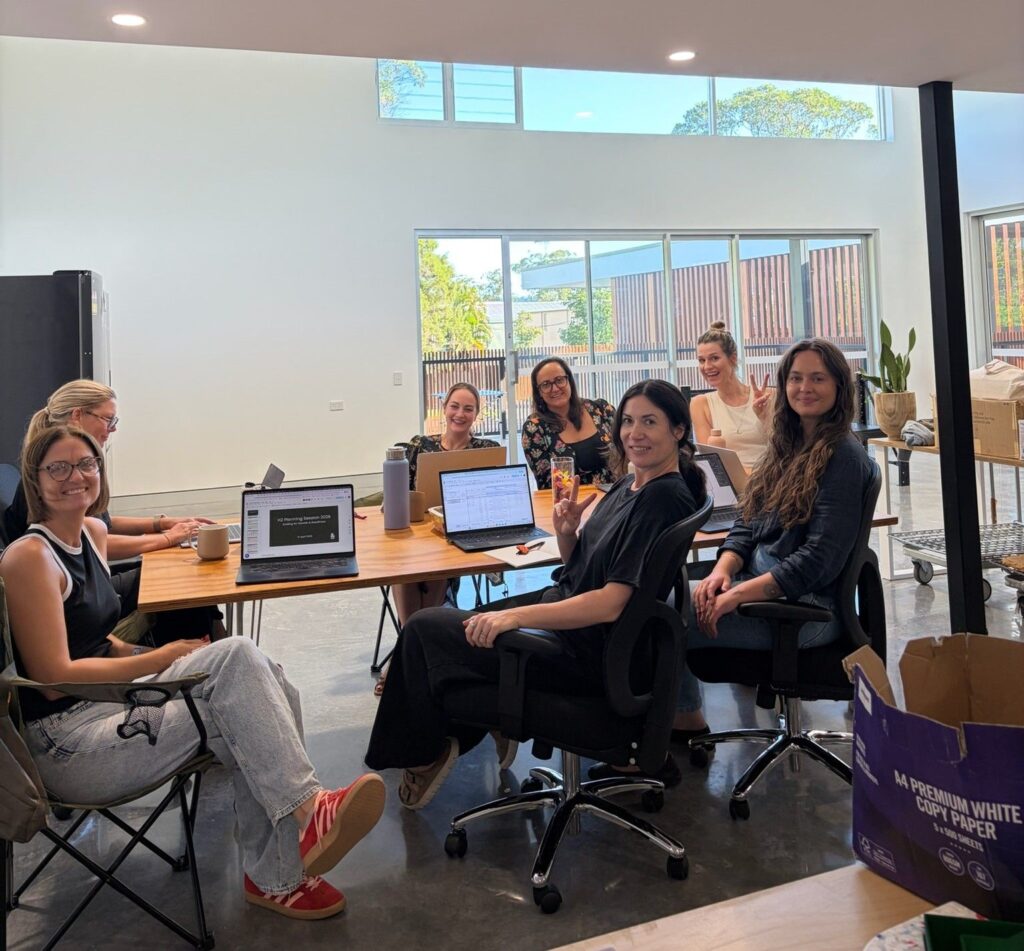
Rebecca Williams: I started with people, which is probably not that surprising, to be honest. Sorry, I'll go back. I did my due diligence. Obviously, I had a full access to the financial. So I knew. I knew what I was walking into. From a financial perspective. And full disclosure, we've never had a cfo. You're still looking at her at some point. My dream is to. And we've really made it. I'll bring on a cfo. But, yeah, I looked at the financials to understand what the challenges were and where I could pivot there. But it had to start with people. Any business is nothing without their people. And so getting that temperature check, literally the first 24, 48 hours in the business was speed dating with every single person from top to bottom of the organization, one on one, half an hour. And the brief was simple. What do you need from me? How can I help? And what does success look like in the next six months? And the answers were different across the business, but there was common threads, which gave me a really good read on what are the issues here that I need to fix for people. And not just the business challenges that we had, but from a very basic human perspective. We'd been in a regional area going through Covid. That's difficult. Step one, we'd had the floods. Step two, there was people in our organization who were still out with the mud army and cleaning houses and helping. And so I was very sensitive to the fact that it was a highly emotional time for everybody. And so trying to make work the easy thing in everyone's life, that was my mission, get us back on track. And so, yeah, I started with the people. That was really simple. And I would do that. I've done that every single business I've been into. What's happening? What do we need to change what's working? How do we double down on the things that are working and how to get that sort of culture and the sense of achieving. Everybody loves to have that common in the kitchen going, gee, that was a great month, or that was a great day. Or did you see that review from that customer? Sometimes it's the little things. We did have a period, particularly in that first six months, where we would routinely just put customer. Write handwritten customer reviews on the kitchen fridge. Super simple. But it's really nice to see somebody's feedback about how they loved a product or the service or whatever it was. It Helped to kind of build that morale just step by step.
Nathan Bush: The original Slack channel.
Rebecca Williams: Yeah. The fridge.
Nathan Bush: The fridge. There is a big skill, though, I find, in doing those initial one on ones because I do this as a consultant walking into a transformation project. I've also done it going to new businesses and I'm keen to get your take on it because often I get challenged when I go into a business for the first time and I say I need one on ones with some key people to get an understanding of the lay of the land. Because I will probably get 80% of the knowledge and the insight just from those one on ones. But in the interest of time, people often go, well, can we group them together and can we have people all together? And I say, no, no, no. We need them to be one on ones. And because one, you actually get the honest truth and you get the trust. So I'm keen to hear from you, what's your secret to a good exploratory one on one?
Rebecca Williams: I think you've just unlocked that. Never in a group setting. I mean, what a way to a say your individual opinion is not important enough for me to invest the time. So I think there's a lot of magic in being able to say, as the most senior person in the room, I'm willing to carve out a lot of time in my diary to understand exactly where you're at. So always one on one. And I think the most candid that you can be is super important as well. So it's important to not stick too much on the negative. But being about, I'm here, tell me what I need to know. How can I help you out? I'll give you a perfect example. My one on one with the warehouse manager. I still remember this. It was very, very straightforward, very candid. We didn't use the 30 minutes that we had allotted together because it was a simple message. I want to retain great people in the warehouse and I needed to be busier. I was like, easy, Blake, that's easy. Done, dude, you need more orders. Let me work with the rest of the team on getting that for you. That was his simple plea, was, I'm really struggling to retain people because we're not busy enough. That's something that keeps you awake at night because you're very human centric and worried about people being able to stay on the team and provide for their families. Okay, that's great. Let's work on that. That's super important. So, yeah, those one on ones are very, very important. Provide an environment where it Is it's quiet. It's not in the middle of the office. People can be super candid. And if it does get off track where there is tension between departments, I think it's. Write it down. Let me delve into that more and come back to you. Yeah. I. I'm with you a hundred percent. Shouldn't be ever a group exercise. Don't do it as an anonymous survey. Nothing says. I'm not sure that I really, really value this opinion. I'm just gonna drop it into your inbox. Spend the time, sit down and work through it. I'm gonna have time allotted to really see what those core themes are and then start working piece by piece on how you try and fix that. Cause that's how you build cultures or you rebuild or you reshape cultures. That's always been my experience.
Nathan Bush: And I think it's also. And you alluded to it there. It's not going in with a. With an agenda. It's like, I need to find out this. It's like, actually, what are you losing sleep about? What's of interest to you? How can I help you? And just see where the conversation goes. Which is hard when you're a new CEO because you probably want to get in and do a lot. But you've got to actually sit back and take that time.
Rebecca Williams: Yeah. And whatever surfaces. There's no point going in on an agenda. You have your own view of the things that you should have very high on your list for a turnaround. But invariably in those one on ones, there is always a curveball that you didn't expect. And that's brilliant because you have the opportunity to make good on that commitment of. I was listening. You've been heard. And now here's how we're going to collectively fix it. It's never me standing up the front of with a magic wand saying, I'm going to do this. It's always we. How are we going to tackle this? And that starts to build that culture of camaraderie and partnership, which. Yeah. Is sometimes the root cause of what's lacking.
Nathan Bush: Yeah. Makes a lot of sense.
[Voiceover]: One of the things that I've heard
Nathan Bush: you talk about before is, is the work that you had to do with the product team when you first got in there. And I think this is fascinating for any E commerce businesses who are selling a lot of product and designing their own product. And you talked about them having all the ideas but not being allowed to execute. What did you mean by that? And how did you unlock your product
Rebecca Williams: team yeah, and very good segue in there as well because we unlocked that in the first one on one. So we have a rich heritage at scenes out of having heads of. We had a head of product, we had a head of marketing. The head of marketing had left just prior to my commencement and the head of product left about six months after I sort of started. And that was a mutual, mutual agreement. But we've never replaced those heads. We've kept it as lean as possible. Because what I uncovered in those one on ones was that our product team were extremely talented. They still are. It's the same two ladies who do an exceptional job and they work very unorthodoxly together. They are not single, atypical product leaders. They actually work more as a partnership. And so there's a lot of magic in that. And there was decks upon decks of incredible ideas that were just always on the end of a no, for whatever reason, wrong time, wrong audience. It probably had a lot to do with the fact that the business was in decline at the time. And so they were always just given a no. There wasn't sort of any context as to why it wasn't a. Not right now. We need to move this aged inventory so we can free up cash flow to try and test these products out. And so their plea to me was, we would like some permission. And I said, fabulous, let's do that. But before we get there, let's have a look at this age inventory situation. Because until we do, we're actually all in this age inventory problem together. We call it breadbox gate. We had a whole warehouse storing bread boxes, which, yeah, we did the very simple maths in our weekly inventory meeting to say, if we clear this warehouse, it unlocks a whole lot warehouse. You become really busy. Fabulous. That was your request. Product team, you need permission to test and learn, but we need to be able to buy stock. But you can't go out and do the MOQ. So if you can go and get lower MOQs, you can start rapidly testing and learning. For me, I'm thinking, prove to me that these are products that we can take to market and win. And so we had that collective sense that we were all helping each other out, but we had to fix the problems collectively as well. And to this day, they're such incredible contributors to the team. And it really started with the product in those first couple of weeks.
Nathan Bush: I can imagine bread boxes would be a nightmare in warehouses because they're big, they'd be lower value. Like, you're just like, oh, my God, get out of my warehouse.
Rebecca Williams: Yes. However, the silver lining for that is because I was on site. I walked downstairs, had a look at what these bread boxes were actually capable of. You could actually pack a lot into them. Bushy. So when we did a sale, they actually became the outer, the outer box. Right. And so I said to the warehouse guys, what actually works in here that we could kind of bundle up and put into a really nice sale event. Anyway, that problem went away in the space of six to 12 weeks, I think for memory. And we'd sat on them for 18 months.
[Voiceover]: Lorna Jane built a whole brand on the idea that MVMT is medicine. And it turns out their customers took that literally because they do not stand still. They'll discover the brand in a store, shop online a few days later, then tap through the app sometimes. All of this happening in the space of a couple of days, that is beautiful for loyalty, but a nightmare to,
Nathan Bush: to keep up with.
[Voiceover]: Especially when like Lorna Jane, your email and SMS are stuck in two completely different systems. So they brought it all together with Klaviyo. One platform, one customer profile and a shift from blasting campaigns to nurturing proper life cycle journeys. Post purchase upsells alone now drive three to four times the order rates. And across the line last year They've pulled an 84 times ROI on email and SMS.
Nathan Bush: 84 times.
[Voiceover]: For a brand that swears that movement is medicine, that is a very healthy result. Head to klaviyo.com au and see how brands like Lorna Jane are doing it right. Is that how you got rid of
Nathan Bush: most of them by bundling up rather than just slashing prices?
Rebecca Williams: Well, we offered them as a very lucrative gift. We purchase which is a really nice tactic for an ecosystem business. Customers were happy. They got an incredible product that's been an evergreen, it's still part of our range and we put on with a sale event. Yeah, you're right, they're, they're really inefficient from a warehousing perspective. They have a lot of dead air. So being able to put a lot of products in them and ship that way. But I think there had been that disconnect of just not understanding, looking at it with fresh eyes, which that's what you do when you walk into a brand new business. You do that all the time. You see things that people can't. You're new and you, you don't have any predictions.
Nathan Bush: You mentioned MOQ is there.
Rebecca Williams: We're not allowed to swear, are we? No, moq, we are definitely allowed to square.
Nathan Bush: This is an inside retail here. We can swear as much as we want.
[Voiceover]: I have heard you also talk about
Nathan Bush: pilot runs of just 500 units before committing them to a full launch. Yeah, that's ideal, but for a lot of people, not commercially viable. How have you managed to do those initial runs at such a slow moq?
Rebecca Williams: And that was probably the same reaction that I had from the product team when I first said, I don't want to buy thousands, I think we should buy a couple of hundred. It was changing the way that we thought. So I will talk probably a lot about settings and getting the settings right in the business. I knew full well that we did not have the luxury of buying 10,000 units and doing the test and learn. It just wasn't going to work for us. So I also knew that we had the benefit of some really long standing supplier relationships that are still to this day. And they were back then very, very strong. And so my counsel to the team was go and ask the question, talk about the fact that we've been a long standing supplier and articulate what the benefits are on both sides of the table. We want to grow, we have an ambition to move really fast. But in order for us to test and learn, we would like to put these particular products up largely on pre order to get a bit of a bend of what the SKU mix was going to look like, what the colors, et cetera. And then once we know what that initial read is, we'll commit to the larger volumes. We are still doing that to this day and it has been so successful for us. But you're right, you have to have the supplier relationships, you have to be able to flex and have those difficult conversations. And for the team it was another opportunity to have a win. And from there they went from not being able to buy any stock or any new product to what we now say is the product renaissance. But the irony there is that we are about to bring out more SKUs than we currently have in the lineup in the next six months. And so this is the faith that we've been able to build in that core product strategy. And yeah, we've been able to kind of build that with our suppliers and have the confidence that we're not too deep on any one particular sku. And yeah, the team's been able to move incredibly fast and they're really, no, no more larger than what they ever were on the structure. They're just empowered.
Nathan Bush: And is it because I'm looking at your products? Right. So I'm pulling out a reusable glass coffee cup here.
Rebecca Williams: Like this one?
Nathan Bush: Yeah, like that one. So I'm going to keep mine in a box because you've got it. But then you go into the snacker bag, which is obviously fabric, and then we go into, say, the bento lunchbox,
Rebecca Williams: which was stainless steel. Yeah.
Nathan Bush: Very excitable by my wife when she saw this come through. I said, you're not allowed to touch it till we do the podcast with Beck. But obviously we've got some sort of metal and silicon. Silicon inside it. So we've got some very different materials going around here. Even though from a category perspective, you seem to stick pretty tight to the kitchen or homewares category, but very different materials.
[Voiceover]: Is it a case that your suppliers
Nathan Bush: access whatever materials you need, knowing that your ethos around environment and sustainability and they just have to meet that, or do you need to contact different suppliers to pull it all together every time?
Rebecca Williams: A bit of a combination of both. So, for example, that glass coffee cup. So we designed and manufactured this one. Took us a long time to get it right. There's absolutely no plastic in it. That's premium silicon. That's glass. All comes apart. That's made by one particular supplier. But quite often we'll have to do the legwork of getting multiple suppliers for different materials, and that is definitely a strength of the team. So we have one of the product leads who's very, very good at materials, material selection. And so sometimes we do have very specialized suppliers that will do particular runs and then we pull them all together as we will say, no, this is going to be such a large product for us and a big bet that we need you to find all of the key components. But the materials and the fabrics and the breadth of the portfolio is also part of our secret sauce. We're not deep in lunchwear, we're not deep in kitchen, we're not deep in travel. We do body bars that are locally made in Australia. That's also our cleaning range as well. And so I think that breadth and depth has also been a key competitive advantage for us as well. We were originally a lunchware company.
Nathan Bush: Yeah.
Rebecca Williams: And that would be very, very difficult to just be very deep in one particular category because it's seasonal. And so when something's doing really well, you can. And this is just for the domestic market, but that's the. That's the ambition is to move into international markets so that we can really hedge that seasonality as well. So when the kids in the UK are going back to school or US It'll be completely different timing for Australia, but yeah, it's, it's a big range.
Nathan Bush: There's the seasonality thing, but there's also, if you're building a brand that's built on quality products, if you're in lunchwear and I get my beautiful seed and sprout lunchbox, I'm hoping I don't need you again for five to ten years.
Rebecca Williams: No.
Nathan Bush: Even if I love you, if I get this, I go, that's great. And then I'll go, oh, great, I can use you in the kitchen, I can use you in the bathroom. Then that opens up new avenues rather than waiting for them to come back in five years time.
Rebecca Williams: Absolutely.
Nathan Bush: As you mentioned, expanding the product categories out, do you think you'll go deeper or broader?
Rebecca Williams: Why can't we do both?
Nathan Bush: Why not? You're the CEO, you can do whatever you want. You call the shots here.
Rebecca Williams: Yeah. I genuinely believe that there is no reason for us not to. And I'll come back to a question that I also get asked quite often. You've hit on one of them is your products are so good that an OG Crunchbox you might have bought seven years ago and you never need to replace. I'm so happy. If that's your experience, that's what we want you to have as an experience. But it's our job each season to bring out different colors of pots or other combinations because as your child grows through school, so does their food and their snacks and what they want to do. So we're always kind of supplementing, I suppose, those ranges. The other question I get asked a lot is, oh, great, so where's the end of the products that you can develop? And I always say we live in a problem rich environment. Literally, people keep spewing out plastic laden products that are not good for the environment, not good for your health. They're not going to last very long. And so we're the complete opposite of that. So as people keep creating problems for us to fix, that excites our design team. It excites me and our marketing team of we can do this better. We can get a coffee cup that doesn't have plastic in it, surely. And I hope it, you know, it does serve you for the next 10 years. That's brilliant. That's our aim, is for you not to have to come back and replace that.
Nathan Bush: Yep. I love it. One last question on product before we move on with those minimum MOQs of 500. When you've got a new product idea, and I assume that These numbers can fluctuate as needed. What's the determinant of success there? Because I could imagine if your product team have a great idea that they've been hanging onto and they finally get the chance to launch it. There's yes, maybe it didn't sell because it's not the right product, but maybe the market's off or maybe the marketing on it wasn't right, or maybe we didn't have the right product. Photos up. Like, how do you determine whether a product is successful based on that initial pilot launch?
Rebecca Williams: Yeah, I think the easy answer there is a post campaign analysis. So we go pretty deep and we all have that shared vision that, for example, if this is the coffee cup and it's coming out as an MOQ of 500, what have we put into market? What worked, what didn't work? And it's really, really important for us to make sure that we go deep on each of those areas. So the product team is always going to fiercely defend that the product was right. The marketing team will also bring their metrics to the table. Maybe it was supply chain, maybe we were too slow to market to get it out, maybe we launched at the wrong time. But it's really important that we go deep on all of those things and we always do analysis. So you're right. Every part of the business of understanding did we give this the very best opportunity in market to succeed? Was it a positioning issue? Was the photography of, did we go out with a campaign that didn't quite hit the right customer demographics? And then we have a look at reviews and we go a little bit deeper there as well. So what are the customers saying? Are we solving the problem that we thought we were solving? Do we need an iteration on the product? It's not just all about sales. And it also depends by channel too. Sometimes a product will be a hit in the wholesale channel, sometimes for D2C it won't be. So the good thing about that is that the product team and the marketing team are always in lockstep. There's a the product team will always want to defend their product as much as possible and the marketing team will always want to deliver on the remit of making it successful. So there have been some products that we call very early that were not the right choice. And that's okay. We start to move those on in different ways. But nine times out of ten we work out that there's definitely a winner. Sometimes there's some colors or some variants that are not quite right. And then when we put in the full order, we make sure that we've removed those from the mix. So, yeah, it's a really good way to play it, I think. And if you can negotiate that with your suppliers, it gives you the flexibility to get it right, if not the first time, at least on that second order.
Nathan Bush: Has there been a product that surprised you? Either, like, you were like, oh, this is going to be a surefire winner and it's just flopped, or you're like, oh, I'm not sure about this one product. Guys have gone a bit crazy here, and it's actually going really well.
Rebecca Williams: Oh, there's been examples on both sides of the fence, I think. One that I'm very happy to disclose did not go as well as what we thought. And to be honest, I think this was a recency issue. We'd been on a couple of mega shoots, and we decided that we definitely needed a wine cooler. And so we went to market with the wine cooler, I think more so because we felt we needed a wine cooler to be shot.
Nathan Bush: Cold wine in the office.
Rebecca Williams: We just. We just need a cold wine. And it turns out that our customers were not really all that jazzed about a wine cooler, which is fine. We had a very small run of them, and they were very giftable, but it didn't work for us. And that's fine. It's like, okay, that's cool. You're all getting them as Christmas presents. No, I'm kidding. No, no. I think that's also part of our culture as well, is, you know, very different from maybe some other businesses. If it doesn't work first time, then it's okay. We failed fast and we. We move on from that. There's. There's a list of a hundred other products we want to work on behind that. So it's.
Nathan Bush: You haven't got a warehouse of wine coolers sitting there?
Rebecca Williams: No, thank you. No, we don't.
Nathan Bush: Tell me about new customer acquisition, because I think 2026 seems to be the year of new customer acquisition. Everyone's going, how do we do this properly? We've always kind of been after them, but now it's become more of a North Star metric for a lot of brands. Obviously, there are a lot of messages going on when it comes to seed and sprout, around quality, around sustainability, around local, and at the same time, not necessarily the cheapest product or brand, which I can imagine is intentional. How do you acquire your customers for the first time? What are the messages that get them to convert?
Rebecca Williams: Yeah, I think you've probably touched on quite a few of them. But I think the one that's probably missing potentially from that list is we know why people buy from us. As a very top note here, we do market research, we have brand health tracking, and so we understand the reasons to buy and the reasons not to buy. Just as importantly, we have some customers who buy us because of the sustainability angle. They're very much about making sure that the world is a better place from an environmental standpoint. There are those that buy us for the esthetics and the way that design looks, which not all sustainable products are beautiful and esthetic. And that's something that our team prides themselves on. But there's also this growing third element as well, which is around good for you and good for your health. And I think Diary to CEO has been really, really fabulous in terms of trying to surface some of the reasons why you wouldn't buy plastic for a health perspective, not just from an environmental perspective as well. And so why people buy. We definitely have a diversified customer portfolio and targets. When I first joined, we were very narrow in that definition of the customer, and that's a risky proposition. So from an acquisition perspective, there are multiple messages from a matrix perspective, but some of them are relevant for different Demos. We have three primary demos now that we go after. Back in FY22, we were very solid just on one. That's risky. That's risky. When the economy is a little bit flighty, what might hit the boomers hits millennials differently. And so we're definitely quite tactical about the messages that we go out to market. And that's by different product line as well. The reasons to buy are quite different. But, yeah, I mean, acquisition is on everybody's mind. For us, that's been our biggest growth driver. I have some numbers for you because I knew you were going to ask. We're up 234% since FY 2022 on customers, and then for new customers, 300%. So it's really been the engine. But one thing I will say there is, it's not just about going out and getting your messaging right to the right demo. It's about the quality of your customer as well. And that was a. That was a metric that was really missing from our previous agency engagement. They're incentivized to go for volume and not for quality. And that means that you have customers who buy once, never come back again, and you're still paying the same level of cac. Not a good unit economic stack at all.
Nathan Bush: How are you measuring quality in Terms of is it return customers, how many times they return in the next 12 months? Is there a specific metric that you've got to measure quality?
Rebecca Williams: Yeah, there definitely is and I think that ties back into your AOV as well. So we've doubled our AOV since 2022, which helps from that premium positioning perspective as well, which you're right, that is intentional. But more importantly, it's around making sure that those customers are buying into the bundles that we feel like have the most likelihood for success for second purchase. So AOV is the first lever and second one is around their second purchase and the timing of that second purchase as well. So. And the last layer is do they cross categories? And so if they hit all four of those, I would suggest that they are probably more likely to be rated as a quality customer. But they're all big hurdles, let alone altogether. Right?
Nathan Bush: Yeah. And so you have cohorts of products that you're pretty confident that if someone buys them as a first time purchase that they're more likely to become a lifetime customer.
Rebecca Williams: A hundred percent. Yeah. We definitely have a propensity model that we, we have. It's obviously highly confidential, so I won't go into much more of the details of it, but absolutely. And we use a lot of triangulated analytics, but in particular we use one piece of software which I would definitely recommend to other brands. It's called Lifetimely. And the reason why we use that across both product and marketing is it's a really great visual resource to be able to map what that first to second purchase is the intention to buy. It helps you obviously from a retention perspective, make sure that your flows are right. We use Klaviyo and so optimizing those throughout the seasons, knowing which bundles convert and it's the complementary products across ranges as well. That surprise and delight of this is a really good product. I love it. And what else have they got as well? So yeah, we've done that really, really well. And that again is a de risk for me because we're never ever too reliant on one particular category or one particular product because yeah, sometimes trends change and people don't want that particular product and then you have a warehouse full of them and you get into the same problem that we had when I first started. So being really nimble and being able to have that diversity across the range is super powerful for us.
Nathan Bush: On those hero products, do you ever put them on sale?
Rebecca Williams: We do, yeah, from time to time. Definitely.
Nathan Bush: One of the things that I've noticed on your site is that you do have very random discount levels. Goes 8%, 9%, 11%. I'm like what is going on here? There must be a method to the madness.
Rebecca Williams: Did you say random?
Nathan Bush: Well, I don't know. I don't think anything you do is random.
Rebecca Williams: No it isn't. It's very intentional. And I will blame my time in product land in multinational brands like Mercedes Benz to understand a walk up from a product perspective. So yes, we definitely have discount levels that might appear a little bit random, but there is definitely a lot of work that goes in behind that, not just selecting the bundles. Bundles is generally where we have our discounts there, whether they're multi buyers or predefined. There is a lot of work that goes into that from a financial modeling perspective, marketing obviously product as well. Those discounts are set in a way to help the customer walk through the range and work out exactly what their need is. And so they're definitely not random. They might might appear as if they are depending on when you're looking. We also run a lot of tests too. So it could be that we have four or five different tests for different customer demos using different ad creative to see which one converts best. And we often do that in non peak selling periods as well. So that informs what discount will move the needle in a major sale event. So it's a fair bit of science behind it. But yes, I agree they probably do look a little bit random, but I'm okay with that.
[Voiceover]: Expanding into new markets isn't just about selling more, it's about selling smarter. Every region has its own rules, currencies and customer preferences. But with Shopify, global expansion is simple. Localize storefronts, tailor experiences and build trust all from one unified platform. Shopify removes complexity so that you can focus on growth and deliver tailored shopping experiences for every market in store and online. Accept over 100 currencies with Shopify payments for fast familiar checkouts and use built in analytics to identify your most profitable markets. One platform built for global adaptability so you can scale without growing pains. Visit Shopify for enterprise to learn more and start selling worldwide.
Nathan Bush: Yeah, I would be okay with that too. I think if most brands could get away with an 8% discount as a lead, then you'd be happy, right? I can tell that you've got a really strong analytical and commercial background and everything that we've talked about so far is very scientific. You just said it yourself. How are you using AI to help feed some of this data in to help empower the team to make more analytical decisions and to create some of those models and to use those models. Because I think if what we were talking about there before, everything from finding right demographics to your different cohorts of products to your lifetime values was once really complicated. But now everyone seems to have a very different way of generating that. Using the myriad of tools, both ones that are dedicated analytics tools with AI capabilities. And just off your shelf, your Claude, your OpenAI's and the rest. How are you helping the team find those scientific models to make those decisions and justify those decisions?
Rebecca Williams: Yeah, really good question. And I think I'll approach this from a very candid perspective. When we first started talking about using AI in our business, there was a lot of nervousness being a sustainability company and how do we tread respectfully and lightly in that space knowing that AI is not the most sustainable piece of an environment, Definitely from a water consumption perspective. So the way that we've talked about that, again very candidly, is that we were always going to participate in AI and select what we wanted to use quite methodically. And we're very open about that. We use AI in our customer care team. It's flagged really clearly to our customers and occasionally we'll get some customers who are not particularly happy about the fact that we're using AI and that's okay. We've, we've been really candid about and transparent about letting them know what we're using it for. For the team, it's about empowering. And I think a lot of companies are having these challenges at the moment, thinking that if an employee or a member of the team is to dig into AI, that potentially there's some kind of risk to their job. And so we took that off the table immediately. AI is going to help empower you and use your big beautiful brains in different ways. And there's things that AI can do and can't do. But I always wanted to be very confident that the team could explore an experiment and use that. So different pockets of the business use it in different ways. But the way that we largely use it is we have our SNOP meeting each month, which most businesses would have some kind of a planning function like that, preparing for those meetings. Everybody is very much encouraged to run their own models, run their own scenarios, test out their own assumptions, make sure that the models that they're building are as robust as possible, and then there'll be cross pollination between teams, marketing and product, quite often situation down together and they'll go through their models. What does retention look like, what's in the new product portfolio that could help with that? So we're definitely digging quite deep there. I do like the team to be able to spar. We use Claude. That's our preference. And so I asked the team to test their assumptions. And so we're always coming into the meeting saying, yes, I validated this and actually this popped up that I didn't think about. So it comes back to empowering. And I think that's just a key theme across the business. AI is empowering people to use their knowledge and their skills to advance themselves faster. I'm very happy for people to move outside of their current remit because they've made their workload on an admin perspective 20% lighter. Where else can you be deployed? What can we train you up on? What are you interested in? I see it as an opportunity for people to grow through their careers much faster if they're embracing it. That's my personal opinion.
Nathan Bush: It's a really interesting point around laying that foundation first of, like, this isn't replacing you, this is enabling you. Because I don't think a lot of us have stopped and done that with our teams. So I think that's a really good pause point. I'm interested as a CEO and one of the first things we connected on was doing the Australian Institute of Directors course where risk is covered a lot. And I'm not sure about you, but I did it because I wasn't very good at risk. I'm the ideas guy. I'm very much visionary. What's the next thing? Next thing, next thing. And it really forced me to think more about risk. When it comes to allowing your team to put in the data to give them those insights and those models and have those conversations, how do you draw a line around what data you're willing for them to put into court and what you advise them? Actually, don't put that anywhere.
Rebecca Williams: Yeah, perfect example. And I do hark back to my AICD risk piece. And so we've been through the risk register and what this might look like. And so I think it's the same thing. If you wouldn't email a customer list, there's certain things that are just absolutely no go's. You would never identify the company in there. When you're running models, it's always from a very vague position. You don't put people's names or companies or anything that you think you wouldn't like to get out into the media. You shouldn't be putting through those models. So that doesn't mean that you can't stress test things. So we definitely have strong guardrails there. And it changes so quickly that we are at that cusp of sort of having that formal AI committee that kind of goes through, you know, departmentally, how do we do that and making sure that we're protecting ourselves as a business and as employees and definitely the customer. And you know, even from a new product perspective, team, you can have a look at what that market might look like, but I wouldn't explicitly say what it is and the skew and where it might be because that could get into the hands of a competitor as well. So yeah, you're right. The big part of my job is around getting the settings right, making sure that we're efficient as possible and de risking. It's not particularly sexy, but it's so important when you've got a fast growing business to de risk and kind of be that contrarian of yeah, things might look really rosy, but what if this happened? Let's build a scenario around what that might look like so we're prepared for it. Team are probably completely sick of me talking about scenario planning, but it works. It helps us out of jail every now and again.
Nathan Bush: What's the most extreme AI scenario that you'd plan for?
Rebecca Williams: I feel like none of us can really even attempt to understand that, to be honest, because it's moved so quickly. I would love to give you a, you know, a bullet point of three or four, but I think the speed of the technology and because everybody is engaging so deeply in AI, I don't think we possibly can. And I'm not a doomsday prepper. I'm not preparing for the time when the machines take over. But I would say that from a risk perspective, you know, watching what's played out in the last couple of months about these models getting too fast and too intelligent, I think that's obviously the scenario that everybody is really thinking about at the moment is how are these used for good and not for evil? And that's with so many other things. But probably about as far as I'm willing to kind of think. I'm trying to be the eternal optimist like you of these are going to be empowering and great things, but yeah, they can always be used for evil, I suppose.
Nathan Bush: Yeah, absolutely. I want to go back to that point that you made earlier around flagging AI because we're seeing a lot of that, especially out of Europe where there's regulations there around being very clear around when you're using AI. You mentioned Flagging it for customer service when AI might be involved. Are there any parts of your customer experience where you have to flag AI?
Rebecca Williams: I think there definitely will be more transparency that we'll need to do as we onboard AI officially into those channels. So for example, I mean Klaviyo's come out with all this great composer stuff got. We've of recently. Fabulous. Right. But at some point, you know, when you, when you're starting to use that technology, one would be best advised to basically be transparent that a model is building these. So your next product, you know, would basically be there. But I think the biggest touch point at the moment is still customer care. I think for us we have very limited backlash around using AI in that area because again, customer care is where you get volumes of tickets of where is my order? Again, their time is probably better spent on connecting the dots. And so for our customers, nine times out of 10 they want an answer and they want it quick. And our teams don't work 24 7. And so AI is a great supplement for them if you can give an answer or it puts a ticket further up in the queue the next day. Yeah, I think that's really the only area that we're sort of flagging at the moment. We will most likely use it in ads at some point but again we would be honest about that. We don't have models. Most of the creatives that you see on the website, it's our team, we are the models. So we're not likely to replace ourselves anytime soon. And that's something that's really important for us, is we still do lifestyle shoots despite the fact that we could do them at a fraction of. It's not about a cost reduction. They're actually really great team building exercises for everybody because everybody's involved.
Nathan Bush: That's fascinating because I was going to ask about your product images because you have huge amount of product images per product, especially when you've got such a breadth of product there and most of them are lifestyle oriented. Like you rarely see the product just by itself. Intentional.
Rebecca Williams: Absolutely. A hundred percent. And that was something that came out. We have always known that lifestyle imagery has worked really well for us as a brand since Day Dot. But in particular we did quite an in depth research before we moved to Shopify 2.0 and one of the key takeouts there in a fit of irony was we love your website. The imagery is beautiful. Why would you want to change it? And we knew that we needed to change it for lots of different reasons. But we held very Strong to the fact that we wanted to keep that lifestyle imagery really front and center. And so, yeah, we run a lot of photo shoots. Luckily, we're all local. Our lovely photographer literally lives two streets away from me. And so we're always involved in all of the shoots. Sophie's at most of the shoots. I try not to be on camera, but quite often am. And so, yeah, it's a really good opportunity for some of the team members who are not front and center with the product and touch and feel is able to actually be on shoot. And yeah, we prepare meals and we hire houses and we stay overnight and they're exhausting. But I think it also shows the product in the very best light and it's a learning exercise and it's also about team morale. We've got another one coming up in a couple of weeks time and I think it's going to be the biggest of mega, mega shoots. Wow.
Nathan Bush: How many days are you talking?
Rebecca Williams: They vary, but anywhere between three to five days.
Nathan Bush: Yeah. Wow.
Rebecca Williams: So it's a big impulse for the team.
Nathan Bush: Can be team building or team destructive exercises, can't they?
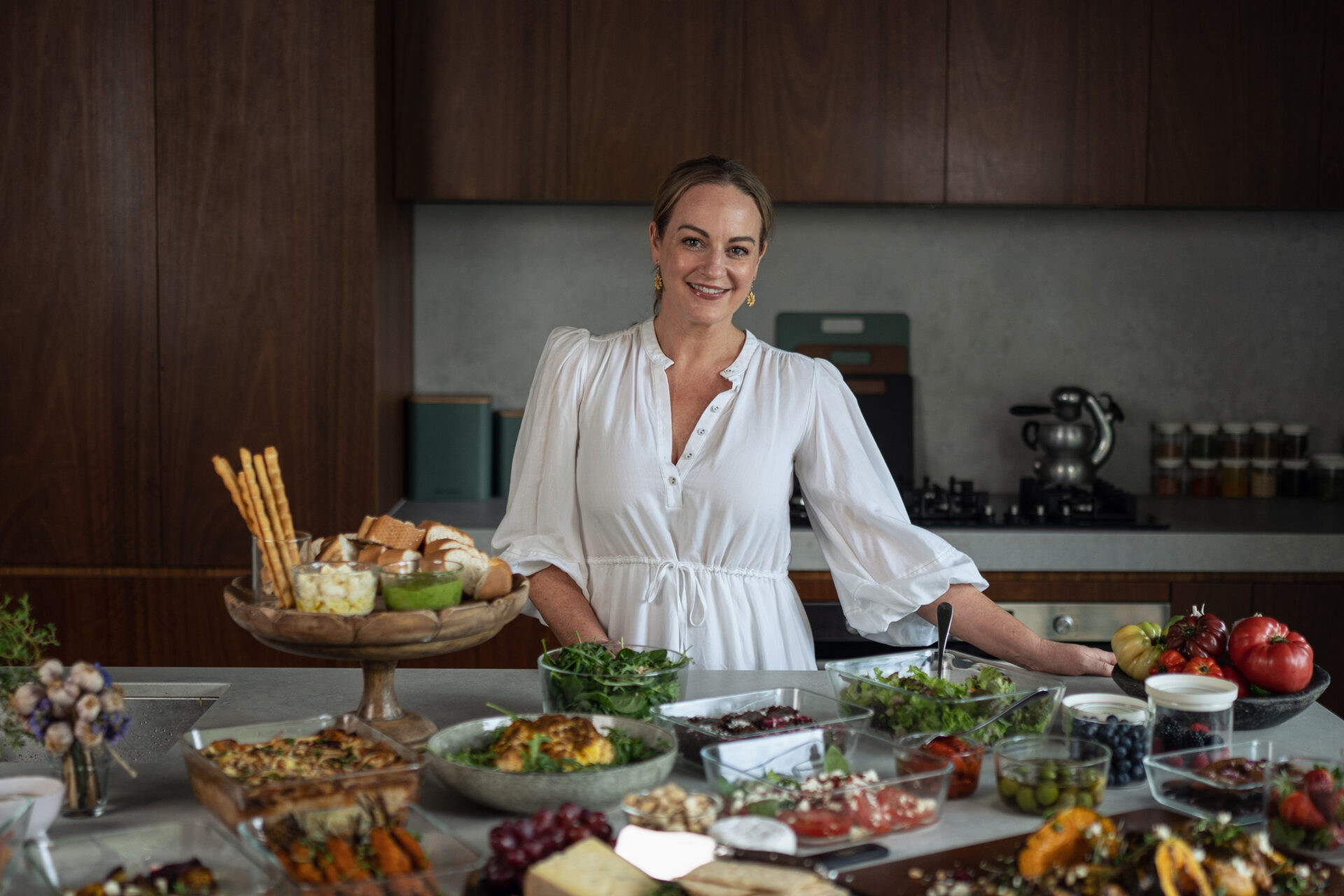
Rebecca Williams: Yeah, I think it, to be fair, it talks a lot about the community and the camaraderie within the team as well. So they're not a burden. People love getting to it. And again, we cook the meals. I think I spent two days cooking for the last photo shoot that we did and that was really around freezer molds. But I also love cooking as well. So I was like, I'm the right person to be doing this. So. Yeah. And I learned things as well.
Nathan Bush: There was things when you cook for the team because I'd be nervous. I'm the cook here, but I like cooking for my family. But cooking for a team, that's different.
Rebecca Williams: Well, you always have to have dessert. Bushy. If you skip out on dessert, that's a morale killer. So we, we had a lot of sticky date pudding at the last shoot and it was used in photos and it was very quickly consumed. And we have lasagnas. I mean, we have a breadth of dietary requirements and stuff like that. So there'll be a vegan, a vegetarian, all that kind of stuff. And, you know, a bottle of wine and some lasagna at the end of the day and lots of laughs. Sometimes I miss out on being able to stay, but gosh, there's so much fun.
Nathan Bush: That's the secret to team building, isn't it? Food and wine.
Rebecca Williams: Yeah. And desserts. Lots of desserts and snacks.
Nathan Bush: I really like your point around The AI transparency, especially for a brand like yours. Because even if you wanted to make a stance that as a sustainable, focused company that we're trying to avoid AI, like you said, with the platforms that you're working with and partnering with, you really can't avoid it totally. So being transparent is really, really important. I noticed that with the fuel surcharges that came in place and I've used this example actually a few times since seeing it that on your product pages where you have the postage. You've also been very upfront very early on the journey saying that There will be a 2 temporary fuel surcharge on the product page.
[Voiceover]: To me that was interesting because you
Nathan Bush: could have easily not said anything or hidden it until people get to checkout. What was the reasoning behind that? Do you think it's actually cost you any customers?
Rebecca Williams: Yes, very good one to pick up on. So this probably tells you a little bit how we do business at Seed and Sprout internally. So we knew that that fuel charge was coming. We predicted it. Everybody knew that as soon as Auspost has an increase they will pass it on about 2.3 seconds later. So we were ready for that and we had it as part of our smop deck. It was already flagged as this is likely to happen. We just don't know when we'll drop it dropped the day before the meeting. So we already had some scenario plans already built out. First one is a do nothing scenario. We very quickly crossed that off the board. We couldn't absorb that as a business. And also the uncertainty of how long that would have to be absorbed for. No thanks. It wasn't a palatable risk for anybody. So we crossed scenario A of B was to be super transparent and to have it stepped out either way. And we agreed that that was the right thing to do. That's the way that we are authentic with our customers. And we also went the next mile and actually had Sophie go out on our social channels and talk about we've gone through this decision and why we've done it. We hope you support it. As soon as it's abolished, it will be taken off. It's a temporary charge. We're in this together. We want to be continue to keep serving you the way that we do. Then we came down to the nuts and bolts of how are we going to execute this. There could have been multiple ways we could have spread that cost across all of the products and kind of amortized it out that way. We didn't think that that was fair or equitable. Because some products are heavier than others. We also knew that when we had to wind it back that wasn't fair on the rest of the team to be able to removal of that and wouldn't be transparent. There was lots of different permutations that we had, but we settled on being as upfront as possible. To your first question around did it cost us customers? From the data, I would say no. I think us going out and benchmarking what some of our competitors or other brands have done, I think the way that we sequenced the messaging and the fact that we were so upfront about it, there were certainly some customers that came through and said, I'm not sure if I want to pay that surcharge. To which customer care said, I'm sorry, it's not. It's not a. You get to choose to do it or not. Unfortunately we have to pay it and so it's part of the journey. But you can hold off, you can purchase with us when the levy comes off. I don't think it cost us customers. I think if anything it built that community and that trust that we were always going to be upfront about it and we always are. If something doesn't work or it hasn't worked, we're very honest about it. We were the same with the US when we had to stop shipping. We also went out and did a broad media piece where Sophie said, we really would love to ship to America, but right now we actually can't do it as a small business. The providers are not there, it's too difficult. But as soon as we can, we'll be back. So I think we turned what could have been a really horrible event into another display of how do we connect further with our community, how do we be authentic and hopefully we can remove that as soon as possible. It's sort of starting to get some indications that maybe that can be removed and we can start winding it back. But that's about being candid as a small business. Right.
[Voiceover]: Do you feel like there's a bit
Nathan Bush: of a sympathy or empathy for small business at the moment in Australia? Because things like the surcharge was. I don't feel it was just an E commerce issue. It was publicly well known, so that probably helps with people being accepting of it, do you think? Obviously with the recent budget and you know, there's a lot of probably. I don't think I've seen so much empathy for small business owners in Australia right now. Has that translated into sales or anything commercial for you?
Rebecca Williams: I think definitely from a Sentiment perspective. I mean, we may very well be seeing it in the sales, but it would be very hard to really pinpoint whether that was an empathy piece or not. But we definitely get it in the comments. Through our socials, we also get proactive outreach to customer care, saying, thank you for being so honest and we're here to support you and we love what you're doing. And if it costs $2 more for my order, then I'm in it with you. Like, we're kind of all in this together at the moment. And I think the overwhelming feedback from customers is. And particularly the community. You don't have to be a customer to be in our community, but they want us to be successful because we have this platform where we're trying to do good. We're trying to do good for the environment, for people's health. Yeah, we're trying to run business in a slightly different way. So I think we always have that. We always have our customers really rooting for us, I suppose, in terms of us wanting to be successful because it's net positive for kind of everybody. So, yeah, it's really nice and very heartfelt to get some of those messages through into customer care and in reviews and particularly on social as well. It's like, we understand, like, thanks for being honest. You could have hidden it, but what's to be won by that?
Nathan Bush: And it strikes me that if you do want that community feel, if you want that level of. Not empathy, I don't think that's the right word, but that kind of connection, and we're in it with you. You need to give something. You need to be upfront. You need to be transparent. You need to treat them like they know how businesses run, because you are a business that needs to survive. So I think now is the time. If anyone is thinking about how transparent do I have to be, this is a time where you can actually pull that lever and get the right understanding back.
Rebecca Williams: Absolutely.
Nathan Bush: Beck, we started talking at the start around. You came in at 2022 with a turnaround job on your hands. We're almost four years in $30 million is the headline. Some would argue. Not such a small business anymore, I know.
Rebecca Williams: Have to reposition ourselves.
Nathan Bush: What's the focus now? So the next 12 months, where do you go? Do you still get excited when you're not kind of trying to reposition or transform, you're kind of now in that accelerate the growth phase.
[Voiceover]: What's next for you then?
Nathan Bush: How do you stay excited and then push the team further over the next 12 months.
Rebecca Williams: Yeah. I think the most exciting time for us now is we've always been trying to do good, but now we're in a position where we're actually able to accelerate having more of a positive impact. And so, you know, that's, that's what we get excited about. Yes, the revenue numbers are brilliant and they hit a target, but for us it's actually about making sure that our impact is spread as wide and as far as humanly possible. And so the next 12 months for us is, yeah, we have, we have more product launching than what we currently have in the rain. So that's super exciting for the impact that we can have. Incredibly daunting for all of us that have all of the work to be done to bring those to market. But they are game changing products in there and I think there's probably a really high percentage of winners. So yes, growth in the local Australian market, growth in our wholesales channel as well. So we have lots of independent stores. We also talking to a couple of majors which I can't talk about at the moment. And then if that wasn't enough for our little team to achieve, we are also really pushing hard to get into international markets because we sold to 50 different markets last year without pursuing any of them. And so we know we have customers and advocates and communities in international markets that we are so desperate to help help them on the journey of making those more positive changes. So they're really big ambitions. But then I look at what we've been able to achieve in the last four years and think, why wouldn't we go for it? It's a net positive for everybody. The team gets to grow, we get to have a positive environment, a positive impact on the environment and on people's health. And we've got all the product ready to rock and roll as well. So it's going to be exciting for the next 12 months. We have quite a few people on leave at the moment, which is very much needed because we are entering into a very, very big phase for the business. So we're very excited and for Soph and I, this is what we've worked so hard for for the last four years to be able to get us into those incredible settings so that we can scale and have that positive impact in the communities and the environment as well.
Nathan Bush: Sounds amazing. Better than turnaround. Like turnaround. Take where you're at right now and go from there. Thanks.
Rebecca Williams: Yeah, yeah, it's exciting. It's very exciting. They're all. Yeah, you kind of have the, the yin and the Yang, I wouldn't change it for the world because everybody on the team remembers the days and it was really difficult to book a brand new product. And so yeah, it makes the wins that we have just so much more sweeter I suppose because of the background that we've been through.
Nathan Bush: Well, congratulations to you and Soph and the team. You're a great example of an Australian brand who is doing it in a really authentic, mission focused way because I think it's very easy. Especially over the last couple of years we've seen mission focused brands really struggle from both consumers saving their money and not purchasing with their hearts instead of their heads and also chasing that margin. But you've done a really great job in creating unique product, pricing it right and being smart like you talked about with your analytics and knowing what moves the needle really well to set yourself up for success. So thank you so much for sharing that today Bec. I loved hearing it all. We've skimmed over the surface of so much that I reckon we could have dived into, but you're a great, great shining light for a lot of Australian brands out there.
Rebecca Williams: Thanks Bushy. Thanks for the opportunity. It's always great to have chat.
Nathan Bush: You're amazing. Thank you.
[Voiceover]: We don't get to nerd out on product too much and I really love those opportunities because while while it's great to talk about marketing and technology, if you don't have great product, you don't have an E commerce business. All right, here are three things that I think any E commerce operator can take from that episode. Firstly, if you are stuck on minimum order quantities and you can't afford to test new products properly, you probably have not had the right conversation with your suppliers yet. Or you don't have the right suppliers. Bec put new products on pre order first to understand the SKU and the color mix before committing to stock. Then she went back to long standing suppliers and made the case for a smaller first order and she framed it as a win win. We want to grow fast. We need to test without over committing. Get us to 500 units as a first order and we will show you where it goes. If you have supplier relationships you've been in for years and you are still buying at their standard minimum, that conversation is definitely worth having. Secondly, stop tracking customer count and start tracking customer quality. Beck's definition has four layers. First order aov, a second purchase, how quickly that second purchase happens, and whether they cross into another product category. Hit all four of those and they are probably your customers for a long time. The tool that she called out was Lifetimely, which they run alongside Klaviyo to map which first purchases are most likely to lead to a second. If you don't know which product in your range is most likely to create a repeat customer, that is a brilliant question to answer first and funnel more money into everything else follows from there. And thirdly, when you have to pass a cost on, try and be as upfront as you can be. Seed and sprout put the fuel surcharge on the product page, which is about as early in the journey as you can get. She even had Sophie, their founder, go on Social to explain the decision. Before the complaints came in, they wanted to get on the front foot. She explained that this is a temporary measure that we need to do this as a business and that this is the reason why we're doing it. And as Bec said, there was no meaningful customer loss and I think that's because they were upfront right from the start. They actually heard from their customers that if this is what it's costing you, we're in this with you. So whatever you are dealing with, dealing with, the question is not necessarily how can I hide this change? But is this an opportunity for us to be upfront with our customers and our community, to have them have a deeper connection with us? A big thank you to our partners at Shopify and Klaviyo for making Add to Cart possible. We really do appreciate their support. If you got something from this episode, please do subscribe. Wherever you're watching or listening, leave us a review. Until next time, I'll see you on Add to Cart.