Guy Napper: If we don't need to say no, we won't because it's unproductive. You just need to look after the customer regardless. Even if you lose money on the order, look after that customer. That's really important because if you have a bad Monday, you've got a really bad week ahead.
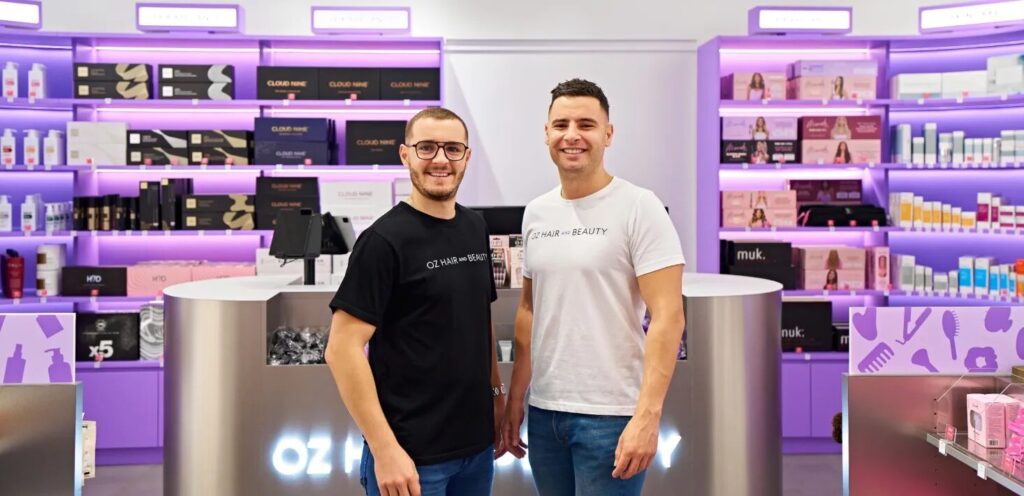
Nathan Bush: Hello and welcome back to ADD to Cart. My name is Nathan Bush or Busshie joining you from the lands of the terrible people right here in lovely Brisbane, Australia. Got a very special episode for you today. Today we're going to ask, what does it take to be the number one person in E Commerce in Australia for two years in a row? Well, hot off the press, brand new scoop. We've got Guy Napper joining us direct after his win. Guy is the co founder and the COO of Oz Hair and Beauty, one of Australia's largest omnichannel hair and beauty retailers. He's gone back to her. Back at the top of Inside Retail's top 50 people in E Commerce. It's a list that I've judged myself so I know what the competition looks like and what he's up against. It's an incredible achievement. Guy spent the last three years leading Oz from a pure play DTC brand into a national retail chain, opening 30 stores and as he said today, heading hard for 50 stores. In this episode we grill Guy for you to know what it takes to write award winning submissions and how the approach works not only for Guy but celebrates the whole team. We also go inside the warehouse revamp that has just happened at Aushair which has doubled packing capacity without them having to move premises. We talk about the real reason their delivery speed keeps standing out in market and how they've kept a fast scaling store rollout from breaking the team culture underneath it. If you are building in physical retail or reaching the point where you're thinking about entering physical retail, this one is for you. Thank you as always to our wonderful partners at Shopify and at Klaviyo for supporting ADD to Cart. We really appreciate them supporting us and being able to bring you these episodes. Here's Guy Napper, co founder and COO of Aus Hair and Beauty. He's also the number one person in E commerce. Guy Napper, welcome to ADD to Cart.
Guy Napper: Thank you very much. Pushy. Keen to be here, mate.
Nathan Bush: Well, it's only time taken you two number one people in E Commerce to be on here. We're a tough audience but I'm glad we finally got there.
Guy Napper: Yeah, tell me about it. I don't know what else I had to do to come on.
Nathan Bush: Well Anthony was here, I think he's in the early 30s like he was one of our first six years ago. And I felt is there more I can know about Oz? Hair and beauty and I thought I got the best brother but obviously I didn't. I've got the best brother now. Who's winning all the awards?
Guy Napper: Yeah, I think it depends who you ask. I think the third one would say he's the best. But let's see. Hopefully I could be as engaging as he was.
Nathan Bush: He had some good stories especially the one that I remember was your dad waking him up with a bucket of ice water to get him to go to work or something.
Guy Napper: Yeah, sounds like my dad, he making stuff up.
Nathan Bush: Well, tell me congratulations. First of all it was brilliant to be there with you on the night that you got awarded in Melbourne two weeks ago now and it's so well deserved. And to get it two years in a row is a massive feat. For anyone who doesn't know the top 50 in E commerce, it's kind of a of piece pinnacle of the Australian e commerce industry run by Inside Retail and having been a judge a couple of years, I know the quality of the entries and what you're up against. So I didn't get to read your entry this year. Tell me Guy, how do you do it? How do you get two years in a row? What made you stand out do you reckon?
Guy Napper: Yeah, it's funny, no one's ever asked that and I don't think it's anything in particular. I just say I think I'm the lucky one out of the team that nominated and like had the time to write the submission. Like it definitely feels like a bit of a selfish award but what's behind it is such a hardworking team that's really executing on the vision and I think at the moment we're just a, it's a fun place to be. We're doing a lot of exciting stuff and we're putting ourselves out there as well in the market and I think, you know, being recognized as number one for two years in a row just, you know, it's a nice reward and recognition for what the whole company's doing, not necessarily just myself.
Nathan Bush: No, absolutely it is a recognition of the team but obviously as the leader of the team you are the playing the honcho role there. Selfishly, I know there are a lot of people who are wondering how do you write an award winning entry? What is your strategy or your technique? Because I know a lot of people really struggle to put themselves forward.
Guy Napper: Yeah, look, I think it's. It's really focusing on the results. And it was my third submission, so I think the first year I came in at I26, and then, like, two years ago, I won it. I think the difference there was showing the, like, the benefits or the savings or the, you know, in percentage terms of all the hard work. And, like, when I compared my first. First nomination to what I did, now, I focus more on, you know, I did this and therefore resulted in X. And I think that's what the judges want to see as opposed to things at a very high level or more. More. So what, like, did we do as a company? I think, yeah, you almost need to be very selfish when you're writing and, like, I'd probably put that back on you. What do you see as a good submission versus a not so good submission?
Nathan Bush: You absolutely nailed it. I was actually helping a few people draft their submissions for the top 50, and that was the advice that I gave them. I said, we have this way in Australia. I think it's an Australian thing of putting we in front of everything. It's kind of like how we've been told in management that, you know, when everything's good, it's we. When everything's. You know what I mean? When you need to take responsibility, you take responsibility. But we draft reward submissions, especially individual ones. As we. And I know from judging those, the ones that win are always the ones that say, I did this. And it's in a humble way. It's not like it's, you know, a braggy way, but it's a. I know that I did this, I led this, and I got this result and being crystal clear around that, and I think it's that kind of bit around. You have to get. Get over yourself to be able to put yourself forward like that.
Guy Napper: Yeah, definitely. It's a hard thing to do for people that I think work really close with their teams and also, like, don't feel that they're deserving of even writing I in front of it. And I. It's probably just more so just a character trait on building yourself up to do that. And at the end of the day, it could just like it. Whoever it is on the front cover is one thing, but to how you handle that with your team and, like, share the recognition, I think is just as important.
Nathan Bush: I agree, and I hope people hear this. And the reason I'm asking you so many questions about it is because I hope people see this and enter because we need More people entering. You are 100% worthy of number one. And I'm sure in our conversation people will, will hear even more reasons why. But there are a number of duplicate entries in the top 50 and I think with how much talent we've got in Australia, we shouldn't be having duplicate. We should be fighting over, over that. Like there, there should be 50 companies represented with people doing vastly different things. So I'd love to see more award entries and if anyone can take anything out of that around, get rid of the humbleness and put yourself forward with results, backing it up. And that's the important thing. It's not what you write in this submission, it's the 12 months of work that you do before that.
Guy Napper: Right? Yeah. Yeah. I think need to be like taking stock of all the achievements that are happening at the company that you're directly involved in. And what I found as well, it's actually a good time to reflect on everything and then when you're looking at the numbers, you can go, you know what? Wow. Like in this team, we did really did have a really good year. And when you sit down and not focus in the business, but you're working on the business, like that reflection adds a lot of value as well. So, like, it's a very good exercise. Unless you make the time to work on the business, it's like you don't really do it.
Nathan Bush: So true. It's so. Especially as a founder, I could imagine that that's extra true. I've got to ask you, did you use ChatGPT at all?
Guy Napper: No, I did not. I think maybe to shorten my responses because, like the way I write would just be like a thousand words, just like gibberish. And then like thinking it's the best response ever. Then I realized what the words are, how much over the limit I am. That's. And then I've just completely just ruined how nice it was just to put in the raw numbers.
Nathan Bush: Awesome. All right, well, let's get into that last 12 months. But before we do, if people don't know the famous guy Napper, tell me, what's your role in this business? Obviously you've got your three brothers in there. You've got Anthony and Dean as well. How do you divide and conquer? And then what's your day to day role in Oz? Hair and Beauty.
Guy Napper: So look, my title is coo, but you know, when you work for yourself, you can give yourself whatever title you want. Essentially, Anthony, my brother, he's a CEO and we've split our roles like pretty much 50, 50 down the line. And like, we divide and conquer, as we say. And our younger brother Dean runs our men's website above the collar. And because the three of us have very limited overlap, like, we feel that we've set up a structure that allows us to put our heads down, run our own teams and execute. And for me, that's all of the backend operation areas. So, you know, warehouse, supply chain, customer service, it, a bit of own brand, little bit of buying and retail. We split 50, 50 because it's for us, it's an important team.
Nathan Bush: How do you split retail? 50, 50.
Guy Napper: The way we look at it is that, you know, this is like a big area for the business where both of us need to know it, need to understand it. And whilst it's like so many different stores, we both work with the head of retail and they report into me and Anthony on different areas. And we feel that having that, like being so close to such an important team, we can also listen to her when she's saying she from other departments. Whoever's in the warehouse, for example, about stock deliveries, I can go ahead and, like, make that happen or speak with the right people. And, like, we've opened 30 stores in three years. Like, we need to know the ins and outs inside of the retail element as opposed to just offloading that to someone else. Like, we wouldn't consider ourselves true retailers if we just hired someone to run it all. Like, that's just not how we operate.
Nathan Bush: I know you started as D2C. Does retail come naturally?
Guy Napper: I'd say it does now, but I think it took us 12 months to kind of iron out all the ins and outs and we feel like we've set it up in a way which. Where it's rinse and repeat. But we are conscious too. We're still early on the journey and I think there's a lot that can happen. Like, there's still a lot to do here, but we definitely enjoy it. When you're behind the computer just doing ecom, it's very rewarding. With retail, it's like delayed gratification. It takes about four weeks to make a change. But you can use these spaces as activation spaces and you can physically engage with customers and you can see everything in the bright lights. Like, it's a really rewarding feeling. And because we're. When we open up a shop, you're working on the project for, you know, six months at some times and it's like the end of a project when you open up the store. But that's like the beginning of that store's journey. Like it's very rewarding. And then when you open up a shop and it's like from day one, it's just a really good shop, it's a really good feeling because at the end of the day you're taking a gamble when you sign a lease. It may be an educated gamble, but it's definitely rewarding just doing the whole process of retail.
Nathan Bush: How many stores you up to now?
Guy Napper: So we opened our 30th store this Thursday actually in Shell Harbour.
Nathan Bush: Shell Harbour, okay. And have all the gambles paid off? Out of the 30? They're all still open and running and happy.
Guy Napper: They're all still open. Some definitely outperform others. But that's the fun in retail too. It's not just celebrating the highs, it's focusing on the ones that aren't doing well and how do we make them well that makes us better retailers. And you know, we are definitely happy where things are at the moment, but we have that motivation and drive to keep going because like we do want to make this a national chain.
Nathan Bush: Yes. Now you mentioned there that six month journey towards opening a store has that condensed as you've opened more and more and it feels like every month you're opening a new one or even closer, I suppose.
Guy Napper: Yeah, we try to have. It's funny because you got like the designers and the people in the back end wanting as much time as possible so they and playing their creations and then you've got the people managing the cost trying to bring it down as quickly as possible so we can start trading asap. And it was almost finding a balance. I don't think we've got this right yet. I think there's a lot to still do, but I don't think you will ever get it right. It's just continually iterating every time we open a store and I think that's also the enjoyment because you're finding out how do we make this better and
Nathan Bush: are they templated now? Does each store get a little bit of individual love and attention or is it pretty much follow the bouncing ball
Guy Napper: the last job months, definitely we have a template in place and that's something we've really tried to roll out, especially doing 15 and 12 months. It's very hard to make changes. But the problem there is you don't really get a chance to stop and reflect on, you know, what went wrong, what can we do better? And like for us we're so used to stopping, doing an after action review. Looking at every single point. I think for us it got to a point last year where we were just doing so many. We didn't get to stop and take stock on, you know, what can we do better? And we've started the year now we're in March, we're opening up our first store. It's given us a bit of a time to sit down, take a breath, relax and, you know, make some key changes that that will allow us to open up more stores.
Nathan Bush: Are you going to give us hints on what those key changes are?
Guy Napper: There's a lot in the pipeline, nothing too concrete yet, but like the way we're looking at it is how do we make Auss Hair and Beauty the number one hair care retailer? Like, that's our vision. It's something we talk about every day. And when you think hair, you think oz hair and you know, for us to do that, we need to make our spaces as engaging and exciting as possible. So it's a challenge for us that, you know, we're always thinking about how do we make this shop better, how do we make it more exciting, how do we make it more accessible and how do we interact more with the online side as well?
Nathan Bush: Do you think because you started D2C and online that that has given you a unique view on customer and customer experience that you've taken into physical retail that maybe some of your more traditional competitors might not have?
Guy Napper: Yeah, to be honest, I love that question because I don't think that's ever been asked and I do really feel this is our competitive edge in such a competitive market. Like we built our business off the back of reviews, starting as an ebay business where you needed to have the most reviews to be at the top, that I think that's how ebay rewarded you. And we've taken that approach into our stores. If you look at our Google my business, all our stores are like really high ranked. And the reason that is is because we put such an emphasis on education and service and look, we're not perfect by any, any stretch but if we find out that a customer's had a really bad experience, like we take it quite personal. We want to solve it even if we can't solve it. We want to sort out the customer and like we like to view ebay as a bit of a training ground for us back when really Anthony was doing it himself because it taught us that you just need to look after the customer regardless. Even if you lose money on the order, look after that customer because they'll leave a Good review. And it'll trickle down in the long run.
Nathan Bush: It's really interesting the point you make there, isn't it? Because you're treating it as a one to one approach with a customer. Whereas traditional retail probably would open 30 stores pretty quickly, but look at it as a head office to 30 store relationship. Whereas you were grounded in that one to one, every customer, regardless of where they shop, is an AUS hair and beauty relationship.
Guy Napper: Yeah, definitely. And we had conversations around how we structure our teams because within 12 months we essentially went from zero stores to four stores and our whole team, you know, their responsibilities changed from being pure play to Omni. And we think in that first 12 months the biggest hurdle wasn't opening stores, it was, you know, getting our mindset. Not just our team's mindset, but us as leaders turned around to being an omnichannel business. And I think that's why in the first year we only opened four, because there were so many, so many learnings. But how we've structured the team is we've given everyone ownership on the retail store as part of their role because it's, it's related to what they do. Even the CRM and ecom manager, you know, stores is a part of his role as well because it all intertwines.
Nathan Bush: Has that been a hard mindset to shift internally?
Guy Napper: Looking back on it? I don't think so. I think it just took time. I can't say it enough. We are very lucky and fortunate of the team that we've built over the years. We do have a very good connection and team that have been with us for a very long time and they've also grown with us as the business has progressed. And I think that's been a really key part of our success is having these people be with us for a long time. So it's almost like every year there's something new happening. They're evolving. So it's just been fun, in all honesty. And like, I think that's when you're part of a company that's growing and doing all new things and like, it's obviously working. It's a fun place to be. And like our goal as owners is to make sure we can continue to do that and like, touch wood, our strategy and our execution stages is. And like, that's really all we think about as owners is just how do, how do we keep the momentum going?
Nathan Bush: How do you keep the momentum going? And you guys work at a crazy pace. How do you keep it fun? Because I know that especially with People who may have seen the old ways and it's like, okay, cool. Established this great D2C brand and it was good. We had a stable pace. You were always going fast, but the pace of change would have got crazy. I could imagine the last 12 to 24 months. How do you keep it fun?
Guy Napper: I think everyone wants to be at a company that is maybe not everyone. I think for us fun is where you're at the company and like you're doing good things. You could be at a company that, you know, likes to have a laugh but like nothing's getting done and that's like slow, like very quickly that's not going to become fun. And we've been around for 14 years now. And I hate the word culture because I just think it's overused and like it doesn't mean anything. Like it's lip service and like I as the owner really shouldn't be talking about culture because it's something the team should be talking about, like not myself and what I will say on that. Me and Anthony made a lot like an unconscious decision to stay out of the culture. There was no, we weren't flying flags about, look at us, this is what we do. We made a conscious decision to let the team almost form when we were very small. And what's important to us is that, you know, we're fair and we feel that like, because of that our team, like reward us with the effort that they put in because we have a, like a very good, very good standards of what we expect. And like, this isn't just with us, it's with our managers and their own teams as well. And if we are as fair and as reasonable as possible, like we believe our team will be as fair and as reasonable with us and it allows us to, you know, it sets a very good standard.
Nathan Bush: So it's a lead by example thing rather than a five words on a wall. This is our culture.
Guy Napper: Yeah. Like, we hate saying no. Like we have a young team and you know, everyone wants to go to Europe. Especially like the very young people, they want to go to Europe for seven weeks and like there are some companies, they just won't allow a seven week holiday regardless if they've got to leave or not. But like the way we see it is if you're young and you finish school, maybe you're two, three years out of school or even unique and you've, you know, you've sacrificed a lot. If we're in the position to let you go, like we can, you know, we can Work things around because you're going to come back to work more motivated. Now, like, that's just like one example. But if we don't need to say no, we won't, because it's just. It's unproductive.
Nathan Bush: Yeah, yeah, yeah, true. It's about picking the right battle, isn't it? Like, some people would do that to take a stand, to go. Actually, if we say yes to you, everyone will be wanting seven weeks. And it's like, actually, well, if that's what we become known for, it's pretty good. Then people become loyal and stick around.
Guy Napper: Yeah. And we've been able to apply that to a customer service too, where we don't want to have these policies and this is the maximum discount we can offer. This is how we have to handle this situation. We want to give teams the onus and the freedom to manage every use case themselves. And we've gotten bigger. But the way I view it, at least from me and Anthony's point of view, we're still managing the same 15 people. Like, that hasn't changed. We may add one new team or new head of a role because, like, we need to kind of start doing less as the company gets bigger. But what's more important for us is our teams are getting. Our teams that we manage. Their teams are getting bigger. So, like, we need them to develop and, like, our job is to back them and make when they make decisions. I'll definitely give advice if I think they're doing the wrong thing. But as a leader, my team will be much more productive if they've got control and, you know, I can sit with them in my weekly whips and go, like, what was the outcome of this? How can I help you? And it goes back to what I said about the head of retail. Like, my job is, when she needs something, how do I get it for her?
Nathan Bush: Yeah, As a founder who's also a builder, is it hard to take that step back sometimes and be the sage in the room?
Guy Napper: Look, I think I'm definitely not a sage at all. I think I drive maybe too much change across the business where I think the team have learned to push back, which is a really good thing. And I encourage everyone, not just to myself, but you need your teams to push back on you as well. And, like, what we say is we're not slowing down, so you just can keep up. Unless you tell us that we need to stop. Like, we're going to keep it going at this pace and, like, very quickly you'll find out, like, who is ready to go on the journey and who has the courage to like, speak up and say, look, we're going too fast, we need to slow down because we're missing X, Y and Z. And yeah, we love that. Like, I even had it today where someone's come to me and said, look, I think you need to have a chat to this person because things are just getting unclear at the pace we're moving. And I'm like, awesome. Like, thank you for that. Otherwise, if no one comes to me and says that, I'm just going to
Nathan Bush: keep going and keep going.
Guy Napper: Yeah, yeah. That's why I say as founders, our job is to encourage that, that perspective within the teams that makes sense.
Nathan Bush: So when you look back on the last 12 months in particular, when you were writing that top 50 submission, what were you most proud of? Tell us some of the more tactical things and achievements that you've done. Because we're an E commerce podcast and you know, we're always keen to go under the covers of what makes great retail and E commerce businesses achieve and stand out in the crowd. What are some of the biggest achievements that you think in the last 12 months stood out for you?
Guy Napper: Yeah. So specifically there's a lot of projects on last 12 months, obviously a lot of new stores. But what I'll kind of highlight is as we've gotten bigger space becomes a big issue and what we don't want to do is like move where we are. Like, we love the Shire in terms
Nathan Bush: of warehouse and head office.
Guy Napper: Yeah, we love, we love being in the Shire and like our team is all around us. As we get bigger space becomes an issue and we're always looking at, you know, we need to be prepped and planned ahead and what we did was instead of looking to go west, which is that's what everyone's first initial thing is. But it's important to me we don't split up office and warehouse. Especially whilst we're such a tight knit team and we're growing, we want everyone to be together as much as possible. And what we did was instead of just moving to a bigger space, we actually did a complete revamp of our warehouse. So we put like a quite a large mezzanine in. We put conveyor belt that runs through the racking to maximize our space, which is like very cool but also very expensive. When you've got racking, that's about 100 and something meters.
Nathan Bush: I have been to your warehouse, it's huge.
Guy Napper: Yeah. So super annoying project to do but like the cost made sense. Instead of like why it was one off cost as opposed to moving to a warehouse. So we saved there so we could be where we are a little longer. And once we did that, we then began the steps of a new ERP which only went live about two weeks ago.
Nathan Bush: Where'd you go to?
Guy Napper: We went to seller Cloud and PeopleVox.
Nathan Bush: Okay.
Guy Napper: Which has been really good. And with the space maximization project, it just allows us. It actually like we've doubled our packing desks which is really cool. For such a, like a unique space. Being able to like double the output was really important to us, especially as we add more stores. And we feel like we did it in quite a unique way because our space is quite limited and based on like the additional picking zones, the additional rack storage we could get like it's added a lot of value for the business.
Nathan Bush: Is that purely pick and pack for e commerce orders or are you fulfilling stores out of there as well?
Guy Napper: No, we fulfill stores out of there as well. So what we found is like obviously we have to hold a lot more stock because we're shipping and replanting to our stores. And come peak periods when the stores replans are considerable, it makes a massive flow on effect. So we don't order the stock earlier every year. It just creates a big bottleneck. And the renovation came at the right time because we finished properly around September. That's when all the stock for peak starts arriving and it was just crazy.
Nathan Bush: Any fashionista knows that if you want to make smart wardrobe choices, everything needs to live in the same same wardrobe. Not half your clothes in the spare room, shoes in the garage, accessories in the car. Princess Polly realized the same thing was true for their marketing. As they scaled globally and opened physical stores. Their email, SMS app and in store data were all living in different platforms. Which makes it pretty hard to scale a great customer experience at scale. So they pulled everything into one place. Klaviyo. By consolidating their channels and customer data, Princess Polly unlocked a clearer view of the customer journey. Smarter automations and faster global scale. In Q3 last year alone, they drove 2.8 times year on year global revenue growth. With over 60% of that Klaviyo revenue coming from automated flows. Even better flow revenue grew more than four times year on year. Turns out when everything's in one wardrobe picking the winning outfit gets a lot clearer. If you want your marketing to scale with style, head to klaviyo.com au and see how brands like Princess Polly are doing it. You are very well known for your speedy delivery in market. I've had that myself and I've also had a few people comment on how fast you are in exceeding customer expectations around speed to deliver. What's the secret? What's your non negotiable when it comes to pick and pack and getting orders out that makes you so responsive?
Guy Napper: Look, I been asked this a few times and you know we do work with majority of our parcels afraid goes with us post so I've got to give them a lot of credit here and like a lot of people use Australia postal as well. So like to be singled out as we're really fast it's caused us to kind of think about what we do. I just think we roster our team in a way that we can get orders out as quickly as possible and I actually think that's it. I think even though you may advertise cutoffs and everything, but it's just rostering. Setting your team up in a way and having like a number you look at to not go over every day for us has been really key and that's as simple as it is. Like we try to view it and to see what are we doing. That's really good. I'd love to be able to give you some over the top explanation about why what we're doing works but I think it's having a clear number to look at that. Look we need to be like we need to be dispatching before this time.
Nathan Bush: Do you have an internal dispatch number hours between order and having it ready to jump on a truck?
Guy Napper: Look we have a cutoff at 1:30 but like with the new system changing we're still trying to get the reporting to be up to scratch and for us we like to have like available packed orders under a hundred orders every day but by the time we leave and like that means different things to everyone depending on the reporting. But we know like we want to start our Mondays off good which I think is a big E comm, a big retail thing. If you do your Mondays right in a warehouse, you set your whole week up.
Nathan Bush: Monday set the mood.
Guy Napper: Yeah, Monday set the mood. And it's like I think when I chat about rostering, being smart with it, that's really important because if you have a bad Monday you've got a really bad week ahead.
Nathan Bush: Yeah, that makes a lot of sense. In store you've got two hour Click and collect. Interesting that you've just changed erps. Do you think that will help around that? Because I know the hardest thing with click and collect is inventory and how accurate that inventory is in store. But then also sometimes it's data passing through different systems. Do you see two hour as the standard that you're going to try and keep hitting or do you think you can speed that up?
Guy Napper: I reckon the hardest thing about Click and Collect is getting the customers to actually collect.
Nathan Bush: Really?
Guy Napper: Yeah, I've. I actually did it. Like someone told me this before we turned Click and Collect on and I was laughing, saying, there's no way. And then if I. If I go to our warehouse now, I reckon we've got over 200 click and collect orders that are just uncollected. And now like our city stores who, like, they're very obviously small and tight and have really no storage. They're the ones that just have Click and collects, like pulling out of there. There is. Because there's just such a common trend after speaking to retailers that I had no idea about. Definitely the data is really important. What I found is you don't want to like, I think two hours. Good. I'd love to have it as an hour, but you're putting a lot of pressure on the team to do it and you need to find the balance. And it can be different per store as well. Now that we've put like the warehouse system in the warehouse, want to extend it to two and a half. Gives them more time for the orders to run through the system. So you've got to work, you got to manage all that. But at the end of the day, you don't move to new systems to increase the time you want to reduce it. And I think what's really important to us is like some people talk about having buffers because you don't. If you stuff up a customer, it's really bad experience. The way we look at it is my team hate me for saying this, like, we need to stuff up one customer for us to know, like, we're doing things wrong. Because I back our team to solve that customer into like a. Give them a better experience, even though we've stuffed them around. But we need to know why our data is wrong. I feel like that mentality, you know, when you're just at Ecom, business is maybe a bit easier to manage than when you've got 30 stores. But, like, the same principle applies. We don't want to be giving ourselves unnecessary. Like, we don't want to be hiding away from the fact that at data is not good if it's not like everyone needs to be accountable. And end of the day, if there's issues with the system, like that's on me because, like, I've led that project. I need to know so I can, you know, speak to the system and figure out what's going on. So we shouldn't be hiding around the fact that things can be wrong, we should be identifying it at the source.
Nathan Bush: And I suppose if every customer has the perfect experience, it shows that you are not really pushing the customer experience hard enough and finding out, you know, where you can get better and better and better.
Guy Napper: Yeah, that is so true. And like I used to come into the office, I remember one day, very early on, he heard our customer service team complaining about the warehouse. Back when we were on paper picking, it was, we were like much smaller and my dad's been a headdresser and retailer his whole life. And he came in and he said to them, it is service, not serve us. And if the warehouse was so good at what they did, there would be no need for a customer service team. So when the customer calls up angry, your job is to serve them and make sure that they're leaving with a much better experience. Like end of the day, like it's that simple. Like when we change systems, we knew, you know, there's going to be a bit of downtime and we're still going to be figuring it out because you can test and train end of the day, once you're live, that's the reality. And we just told the whole team, we said our customer service team is there to flag all the issues and like, identify the trends. Like, like they will handle the customer. And again, the way I look at it, my job as a leader is to give them the power to do what they feel is necessary to reward or compensate the customer because it's, you know, it's a much more stressful time for them as well.
Nathan Bush: Yeah, that makes a lot of sense. What I love too around what you're doing though is that you aren't just reactive to the customer. Obviously you take care of your customers when they need you. But some of the initiatives that you've got, you've got things like 140 day returns, which I could imagine would be pretty unique in your industry. You've had live shopping. I'm not sure if you still got live shopping. You've had SMS hotlines in the past. There's all these different ways and obviously you've got the physical stores as well. So many different ways that your customers can find you and interact with you. Is that important or does that get really hard as you get bigger?
Guy Napper: It doesn't get hard. What I would say is it gets, you can do all these like cool, exciting things but end of the day the customer will shop the way they want. And when you're advertising all these things and they're not being used, then you like, you really gotta pull back on them. And what we found over the years we like, we'll test a lot of different things and you know, some stick like a 140 day return sticks. And a good example is this. We did a virtual consultations during COVID and we were very early on doing it because people couldn't go into salons, they couldn't go into even skin clinics. And we thought, you know, why not? Back at the time we had no salons. We had, our parents had their hair salons around. So we brought their hairdressers into our customer service team and that was very, very popular. And it was a 30 minute, it was a free call as well. Because our thinking was if we spend the time and you know, recommend the products, they're so engaged anyway, there's a strong chance they're going to purchase. And during COVID that was really successful. But post Covid, that's completely just fallen off a cliff. And we actually turned it off a few weeks ago because no one knew it was on. Randomly we got like someone who's done it and then we're like, all right, well this is, that's not worth the time now to do this. But I think when you have things to talk about and things are fun, like you should definitely try them. You just got to see how useful all of them are. And like for us live shopping is really cool and like we really enjoy it and it may not have a direct impact at the moment but like we are confident it will. And it's a massive brand building exercise for us. We work very closely with our suppliers as well. Good way for us to promote the new brands and new products, even specialized events like sale events. And for us we view that as getting our reps in before TikTok shop comes on. Yeah, because at least we now, we now know all the ins and outs of setting up a live shopping which to be honest, you wouldn't think about these things but like you need good Internet connection. Well, we all think our Internet connection is really good. And then you go live and things are blurry or you forget to tell the shopping center that you're trading an extra hour. So the aircon goes off and you got the people presenting who are sweating
Nathan Bush: and it's never a good look, especially when you're selling hair product.
Guy Napper: Yeah, no, definitely not. And like, for us, it's actually a really good investment because these are the little things that, yeah, once we're ready, once TikTok shop comes up, we know we're ready to go and go hard.
Nathan Bush: I love what you're saying there around doing your reps and finding ways of doing your reps before you make the big play, because you're absolutely right. And there is such a technique to live shopping that's not the same as influencer or content creation. It's a totally different skill. So I think that's a really smart tip. I want to really ask you around the investment team that you've got around you. A bit of a change of pace, but you've got some retail giants backing you there. Tell me how that's come about and what you're learning from them.
Guy Napper: Yeah, look, we are very fortunate with our investment group that we've got so much experience around the board table that helps us not make as many mistakes. And I think that's the real key. We weren't actively looking for investors. It was a time during COVID where, you know, the market was very crazy and Anthony saw what was happening with our competitors and we had the discussion like, you know, we don't want to be left behind. And it really came about quite naturally. Then we met Edison and they had the group with Daniel and Brett.
Nathan Bush: So this is Daniel Agostinelli from Accent Group and Brett Blundy.
Guy Napper: Yep. And they kind of came to us and said, yeah, we believe this can be a retail concept. And they explained why. And it was a completely change of pace, complete change of thinking for us. We always had the idea of having like a mega salon at every state which would allow us to do click and collect and ship from store or the E. All the omnichannel stuff. But their point of view was, you know, and they. They did call it. They said, post Covid, you know, stores are going to be back and E Comm's only going to get more expensive. And like, they were on the money with both those two things. And like, our only regret is we didn't do stores earlier. Okay. Because up to date, it's been a real positive thing for the business and from the group, like I said, it's just that ability was that it's that guidance and mentorship to not make mistakes. Because in our first year, if we signed a bad lease deal, like, we wouldn't be here today. And we needed like, well, yes, we did have a relatively big brand, but it was E Comm only. And to have Daniel and Brett specifically, you know, put their names on on our company and back us, it helped open a lot of doors, especially when we were early on and you know, those retailers who gave us a chance, like a lot of that is down to having people like our boss back us, which is something that, you know, it's not lost on us at all.
Nathan Bush: It's incredible to have people of that stature investing and guiding and believing in you. For other founders out there who may be your part of the journey maybe four or five years ago looking to grow, what advice would you have for them in attracting and securing the right kind of investors?
Guy Napper: It's funny, I've been asked this question so many times. I always have to think about it. I think you really need to know what your business is and you know, you should be open to actually like having people that disagree with you on what that is as well. Because at the end of the day, your perception may not be someone else's. And as long as you like, leave your ego at the door like someone else could be right, you definitely need to know your numbers. That's a very, very important point. You need to be able to back and stand behind your numbers as well and like your reasoning around decisions. And I think you need to be comfortable with the people you ultimately do the you'll deal with. That's really, really important. And I've just heard horror stories and I'm quite thankful and grateful that I've got like a really supportive board and investor group. But I've heard horror stories where businesses become almost stuck because there's limited decision making or there's too much red tape in getting things done. And you know, for us, we like to move fast. Like we like to move very fast. And by having a supportive board, they almost guide us in the right direction. And, and it's not necessarily we listen to everything they say, but it definitely forces us to rethink ourselves if we're not 100% sure on something. And that's been like a good progression for us, especially as whilst we're so young and we've really run our own show for so long, having people that, that have done it before and had that experience questioning you, like, if we know we're right, like we'll put out, we will have to defend our decision more. And like that's okay because it means that we have more confidence and we're giving them the confidence in our too. But when we're not as confident in the decision and like we've got to like they question it which is nothing wrong with that. It allows us to double think and I think that's like a really productive way of running the board and I
Nathan Bush: suppose good tiebreaker when Anthony and you just don't agree on a big decision.
Guy Napper: Mate, every time me and Anthony don't agree on a big decision, it's either the younger brother or our dad who comes in and then 90% of the time I don't win. I don't have the older brother card unfortunately.
Nathan Bush: Oh no. Ever dreamed of turning a weekend passion into a thriving business? Girls with Gems did exactly that. What started as a mother daughter duo hosting jewelry parties at home is now a bustling boutique and a booming online store. They've helped hundreds of women feel confident, stylish and part of the sisterhood to become, as they like to say, one of the girls. And with Shopify, things are moving faster than ever. In 2024, their online sales revenue grew by a jaw, dropping 107%. But it's not just about the sales. Things feel smoother behind the scenes too. Efficiencies have soared. Huge sales events are now prepped and scheduled ahead of time. And integrated automations mean that VIP customers are spotted instantly, triggering exclusive offers with without anyone lifting a finger. Just smart tools, stylish growth and one sparkling success story. To read more case studies like this, visit Shopify Case Studies Online. So imagine guy, that we are sitting down. We're writing next year's top 50 entry for your three peat at number one. What do you imagine the next 12 months holds for you and Aus Hair? What do you think the big leaps are going to be?
Guy Napper: I would love in the next 12 months to be, you know, reflecting on what we've done as a company. Look, our goal's always been 50 stores by middle of next year. I think if we sit 12 months from now, I'd love to say that, you know, we've opened 50 or we're in the process of opening 50 because for us that's our first kind of benchmark and I think it's just a really important number for us. I would like to think that we've continued to improve our dispatch time and our operations to make things even quicker, especially as more stores open. We need to get better, not get worse. And if we don't do it within the next 12, we will do it within the next 24 is being the leader in the professional hair care category. That's something that when My dad had one salon in Rockdale. I don't think he ever thought about it. But being able to do that by next year would be something that, that puts us in a very nice bracket. It's something we are aiming for and it's why we're working so hard is to be the leader in the market and I am confident with the team we have and what our plans are. We will get there, it's just a matter of when. I'd love to say that within 12 months.
Nathan Bush: What does your dad think of where you are right now? You must be bloody impressed. From one salon in Rockdale?
Guy Napper: Yeah, he's very proud but he's a big wog so he'll make sure he tells us all the things we're doing wrong and never lets us enjoy it. Always tells us what we can be doing better and that's how we love it as well. We don't want too many high fives. We need to know what we're not doing good so we can improve on it. And I'm lucky that both mum and dad like do that really well.
Nathan Bush: Yeah, it's amazing how they show love, isn't it?
Guy Napper: Yeah, exactly.
Nathan Bush: Right, I've got one more question for you, mate. I'm really keen because there's a theme that's coming through all of this, is that you are relentlessly focused on growth and you've said yourself you're still young but you've got all these targets. You seem really self motivated even though you've got Anthony and Dean there by your side pushing each other on. But, but there must be something in you that's built a little bit differently because you are always pushing, pushing, pushing. How do you stay motivated and avoid burnout?
Guy Napper: I genuinely think that out of the three brothers, I think I'm probably like, I think I get more motivation. Looking at how both Dean and Anthony work, I think they like, we are, we're all very different people. I just do think we are relentless in what we do and we are very goal focused. So it's just knowing that there's still much more to do and I think that's the key to motivation. Like we're definitely not slowing down. I think we're, if anything we're, we're just ramping up. We feel like we're only getting started and you know, maybe one day that will change. But for now, whilst we're young, we know we really need to hit it hard because our grandparents were immigrants. They came here on boats. Old immigrant story. And both my Parents worked very hard to provide a good life for us. So we see that or more so as an obligation to build on for the next generation. And it's like not many people have the option to becoming, like taking their companies to number one in market and for us we see that there's something that's really within our hands to grab and like, whilst it's there, we're going to put everything we can to do it. And I think that's definitely the main part of it.
Nathan Bush: Mate. I love it. I love all of that. Well done. Congratulations again on top 50. I think you're a great example of not being a shrinking violet, of being very loud and proud around. We do have big ambitions, we can do retail really well. We have big goals and we're going to go get them, but at the same time taking the team on the journey with you and asking them to step up and share in the success with you. So it's a fantastic story and I'll be here cheering you on on the sideline as you seek to become that number one professional hair care brand in Australia. I've got no doubt, no doubt that you are going to do it. So, Guy Napper, thank you so much much for joining us on Add to Cart. I mean, how can you not love Guy? He's just so deserving of number one but so generous and open and I think I want to go work for him. I might just pack up Add to Cart and go work for him. Except I might be exhausted in a week. Thirty stores in three years, a new erp, a warehouse overhaul and he's still genuinely curious around where the next improvements are and the growth is coming from. Not sure I would even be able to keep up. Three things that I want you to take away from this one. Number one, don't hide bad data. Guy's philosophy on click and collect inventory is that buffers just mass problems. His view is that one customer experiencing a failure, handled well by a great customer service team, is worth more than a clean dashboard covering up a broken system. Keep pushing, pushing the customer experience to new heights and let the friction show you where the work is. Friction isn't always bad, can lead to the next improvement. Secondly, do your reps on new channels before the big moment arrives. Oz has been running live shopping even though it isn't yet driving significant direct revenue. And that's deliberate. They are building the muscle, ironing out the basics. Internet connection connections, Aircon presenting on camera so that when TikTok shop lands properly, whenever it lands, they are not starting from scratch. And thirdly, write your award entries in I, not we. I know it sounds simple, but we don't do it. Guy's entries improved the moment he stopped describing what the company did and started owning what he personally led and what it resulted in. Don't be afraid to claim your achievements. When you put yourself in lights, you put your whole team up in lights with you. We need to celebrate more in Australian E Commerce and that starts with people actually putting their hand up and telling us the amazing achievements that's happening out there. I hope you do too. If today's conversation has got you thinking about your own operation, come on over and continue it with 600 E commerce operators in the Add to Cart community. It is free, it is great. Good. And it's at Add to cart.com Guy Napper, Australia's number one person in E Commerce. Thank you very much, mate. That was brilliant. Make sure you subscribe so you don't miss what's coming next on Add to Cart. I'll see you next week.