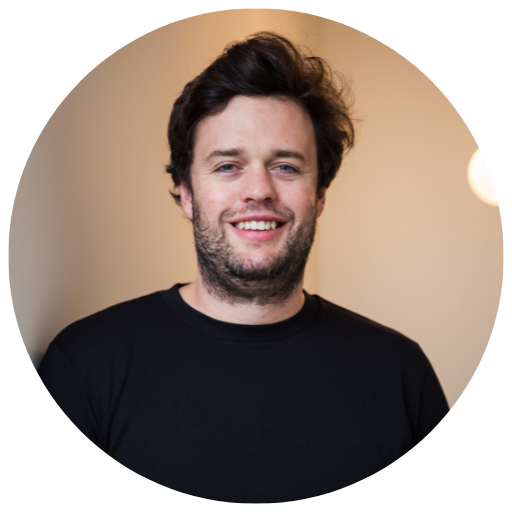
George Hartley: I'm not from the art world and I've kind of that feeling of not knowing enough about art and being a bit intimidated in galleries. In a way I think that has helped us because our mission is to make art for everyone really. Everyone had said they wanted it because you know, we have these, you know, what feature would you like next? We built it, we shipped it and just bloody silence. Crickets. And our AOV when we launched was 300. We kind of quickly got it to about $600 cart. Now it's 1100 welcome to add to
[Voiceover]: cart, Australia's leading e Commerce podcast that express delivers all you need to know in the fast moving world of online retail. Here's your host, Bushy. Welcome to another episode of Add to Cart. I'm Bushie and I'm joining you from the land of the terrible people otherwise known as Brisbane, Australia on Add to Cart.
Nathan Bush: We welcome everyone to share and listen
[Voiceover]: to e commerce stories. The more diverse the better. I want to especially welcome the traditional owners and the original storytellers of the land that we are on, our indigenous and Torres Strait Islander listeners to join us in our E Commerce conversations and our community. I'm often surprised and delighted by the other lives that my guests have lived before E Commerce became their full time gig. We've had doctors, lawyers, bankers, an AFL star, even a long distance swimmer and my personal favorite Jackie Chan's assistant all join us on this E Commerce podcast. Today's guest was a musician whose use of SoundCloud inspired him to create something similar for visual artists. George Hartley is the co founder of Blue Thumb Australia's online art marketplace. Representing over 20,000 emerging and established artists from Australia. Blue Thumb's mission is to make discovering artists and buying art easy. They've onboarded a third of Australia's indigenous art centers and have recently launched in the us. In this chat, George shares the life changing impact that the Art Marketplace has had on individual artists. He shares the tech venture that Blue Thumb made possible and how they almost quadrupled their average order value since launching. Before we get into it, it is event season. I have two great events that I want to share with you and I have a very special offer for one of them. The first is the Add to Cart Social. The very first one for the year. We are in Brisbane on 21 March at the Brew Dog Brewery in Fortitude Valley. I would love to see you there. If you're going to be in Brisbane, we're going to have a panel on the winning TikTok strategies for 2024 we have TikTok there. We will have a great agency partner and a retailer sharing what they are doing to make TikTok work for them in 2024. As we know there are big e commerce plans for TikTok so I hope to get a really great insight there. Tickets are $20 of which $10 of each ticket will go directly to our friends at Thread together to support their great work. You can get the tickets on our Eventbrite page which you can access from our LinkedIn page. The second event is retail Global. It is back on the Gold coast from the 16th to the 18th of April. Now we have had a very special offer from the team at Retail Global. They are giving US$300 off for brands and retailers to using the code add to cart 300. That's all one word. Add to cart 300. Just look for the little coupon entry at the top of the tickets page. If you go through the process you might miss it, so make sure you look for that when you're buying your tickets. I'm going to be there for the full three days and I hope to see you there as well. Also, we have some tickets up our sleeve which we're going to give away through our Add to Cart newsletter. You can join up to that at add to cart.com au subscribe and we'll be giving away some tickets in the coming weeks. All right, let's get into this week's episode. It is an absolute cracker. I learned a lot about the world of art thanks to our partners Shopify plus and Deliver in person. Here's our conversation with George Hartley, co founder of Blue Thumb. George, welcome to Add to Cart.
George Hartley: Thanks Nathan. Thanks for having me.
Nathan Bush: Great to have you here. Let's jump straight in. In doing our research, I saw that you were very influenced by SoundCloud in starting up Blue Thumb. SoundCloud has a lot of old memories for me. So I'm really interested to hear from you how that influenced the creation of Blue Thumb.
George Hartley: For sure. Well, yeah, in my 20s, sort of quit marketing to be a musician for a few years. Didn't quite reach the start of my hopes, but.
Nathan Bush: What were you a singer? Guitarist?
George Hartley: Yes. Played bass and keyboards, did production. A whole bunch of stuff. Yeah. And we sort of. We ran bands and the whole indie career on SoundCloud. It was an amazing platform. Like it let you as an artist connect directly to your fans and really understand. It was really just a fantastic thing for musicians at the time and still is, I think. And that feeling of Being able to connect to your audience is sort of. When we were trying to think of what to do, we wanted to start something online. Well, sort of music seemed to have it solved, but art didn't. You know, my dad was a painter and a bunch of my really good friends growing up were artists and thought, well, maybe SoundCloud for art should kind of exist, that concept. And so that was the genesis of it for us. And yeah, you know, we've built along those lines. We've really asked that question when we're building something new. You know, how is this going to help artists kind of sell more art, basically? Is this feature going to do that? And yeah, it's been a kind of guiding light for the last 12 years.
Nathan Bush: Amazing. Have you always loved art?
George Hartley: I've always loved music, actually. I like art. I just. I'm not from the art world and I've kind of that feeling of not knowing enough about art and being a bit intimidated in galleries. In a way, I think that has helped us because we sort of. Our mission is to make art for everyone, really. You know, when you're a kid, you love art. I loved art. And then at some point you start getting a bit kind of less sure of yourself. I did art in high school in year 12, and I like going to galleries and I really do love. I love it in my house. But I've also sort of really disliked the kind of. I don't know if pretension's the word, but the barrier with art. And so that's, you know, we're sort of trying to break that down with Blue Thumb.
Nathan Bush: I heard on another podcast you said, I hate art galleries. What do art galleries think of you?
George Hartley: Jesus. I should probably correct that. I don't hate art galleries. I hate art galleries that kind of aren't welcoming, I guess, the old school ones. You know, there's a lot of great new galleries that I love that are kind of have the same kind of ethos that we do that are kind of helping people start an art collection. So, yeah, I don't hate all art galleries, but what do they think of us? Well, I don't know. We don't focus that much on what galleries or competitors think of us. We sort of try to focus on our artists and also our buyers. I think it was Jeff Bezos said, we don't focus on competitors because they're not going to give us any money anyway. So, yeah, I don't exactly know their opinions.
Nathan Bush: They know yours, at least. So for anyone who hasn't experienced Blue Thumb yet can you share what Blue Thumb is and how you're set up to help artists?
George Hartley: Yeah. So Bluthumb is Australia's online art marketplace. Our mission is and always will be to help artists kind of grow their careers and sell more art to collectors. So what that really means is it's a spot for artists to kind of have a profile, display their artwork and start selling. And we've got 20,000 artists on there now in Australia. We've only been within Australia until a few months ago we launched in the us and it's a wonderful thing to work on. It's like, it's great seeing artists who have been on a gallery and sold a little bit or maybe sort of getting back into their craft and they start selling and they sort of. We've got dozens more than 100 artists who've told us, I've quit my job, I've gone full time because of being able to sell through Blue Thumb. So that's what it is. And there's still a lot for us to do, though.
Nathan Bush: That's amazing. You mentioned your dad is an artist. Has he listed any of his artworks with you?
George Hartley: No, I don't think he's ever sold any. He finished school and he was an oil painter and I think he realized he wasn't going to make enough money, so he became an accountant later in his 20s. He's always painted. Our whole childhood, he's always had an easel and painted oils. He's never sold any yet. And so as much prodding as I've given him, he's nothing's up there. Other family members and many friends are on there and selling. Selling well, though.
Nathan Bush: Yeah. That's amazing. So I get the feeling that you're very much a disruptor in the art space, but it is becoming more accepted over time. What are the initial kind of conversations that you have with artists as they're looking at Blue Thumb as a potential way to. To sell their artwork as opposed to the traditional methods?
George Hartley: Most of the conversation is. There's actually not much conversation. It's generally people have found us because they are interested in listing artwork somewhere. Really. Our focus is on removing friction, making it as quick and easy to get signed up in front of people and selling. As far as Blue Thumb structured, kind of a third of the team is product building stuff, a third is kind of marketing and curation, and the third is customer service. So one whole third of the company is on improving that experience for artists and buyers to just make it quicker and easier to have your art up and selling quickly. And then that growth marketing, curation side, well, the absolute kind of one, KPI is getting more eyeballs to hit Blue Thumb and be searching for art there because as a marketplace, you need to do both supply kind of both sides. And if we don't have enough people looking for art there, then it's not going to work. So we kind of feel a strong responsibility for our artists to actually be good at growth marketing, to drive more art buyers to the site to be looking around.
Nathan Bush: You alluded to it before in that Blue Thumb has helped artists gain an audience, an income that they might not have got previously. Are there any stories that stand out to you of artists who, through Blue Thumb, they've been able to really reach that audience?
George Hartley: Yeah, there's so many. And you know, we try and highlight them on the blog a little bit, looking at our sort of top sellers and we do have a list. You can kind of see who's kind of top selling. A lot of them have come back to art recently and, you know, within a couple of years on Blootherm, they'll be selling way more than what they'll make in their career. A good one that pops to mind is Charlie Nanos has come to art only a couple of years ago. He was a carpenter, I think was a carpenter and he got a kind of heart condition and he actually couldn't work. So he was laid out. But he'd been an artist and liked it. So he came back to art. He just started uploading artworks. And it's amazing art. It's kind of these great abstracts, but also these landscapes. You know, he's popular and yeah, they just kind of sell as soon as they go up. There's this big backlog of people waiting for them, basically. Yeah. And so that's what he does now. And that was only a few years ago, maybe 2019 or 2020. But there's plenty of those stories of folks who sort of just picked up the craft again or been a kind of career artist for decades and gallery to gallery and then just gone on us and really kind of been able to grow their career and amazing and basically get their art in the hands of a lot of collectors. I think that feeling is I remembered as a musician when someone would really like your song. It's the same with an artist.
[Voiceover]: Do you want to know the best travel tip that I ever received? Eat where the locals eat.
Nathan Bush: Unless it's their own home.
[Voiceover]: That's just creepy following them there. But the same goes in E commerce. The trailblazing retailers hold the clues to where you should be playing. And when you think of trailblazers in Australia, who comes to mind? Jb, hi Fi, Patagonia, July Age Culture kings. I'd be pretty happy following any of them. What a coincidence then that they're all on Shopify Plus. Why? Well, if customizability, B2B capabilities and international storefronts aren't enough, it might come down to the fact that the Shopify checkout converts 36% better than other platforms. That's some tasty, tasty sashimi right there. Pull up a chair with the trailblazers. Check out shopify.com auplus and get in touch with the Aussie Shopify plus team to see how Shopify plus can help you serve up delicious e commerce experiences for your customers.
Nathan Bush: Is it a similar setup in terms of Artists are trying to build their profile on the Blue Thumb platform in terms of create a bit of a following. So in that example, when there is a release, got all these people waiting to hear from you, waiting for the next drop. So is there a social element to it as well?
George Hartley: Yeah, there is. It's kind of, you know, we built a community in a bit of a networked product, I guess. And we actually I went and did another startup called Smarter Mail that was acquired a couple of years ago and that what that product was actually came out of Blue Thumb. And you know, what we built in Blue Thumb is the ability for collectors have this long art buying journey. We realized really quickly we're not selling kind of branded socks where you come and you buy and check out. We're selling something that sits on your wall for decades and you might have a partner or you know, you have, you know, you might have furniture. And so it's like when I looked at the process, it was 11 visits to check out, you know, terrible conversion rate, this super long funnel. And we're like, oh, bloody hell. We need a way for people to kind of when they zoom in on an artist, you know, they love an artist who sold all the work that I want. But when something else comes up like this, we want to know. We built a follow feature and then we built a notification feature so that, you know, say I follow 30 artists every day. There's a new kind of automated email built on a machine learning stack that kind of says, okay, these are the most popular artworks from all the artists that you've followed that were uploaded yesterday. Automated send out. You know, we send out that maybe 90,000 collectors a day, right. But it's individualized so we have to kind of run it. And yeah, it's personalized, so that was a big technical thing to build. And it kind of churns more than 10% of our revenue just from that one kind of automated email.
Nathan Bush: Wow.
George Hartley: Anyway, so we kind of solved that shit. This should probably exist for kind of anyone in E commerce. So that's how we kind of spun out Smarter Mail and built that and grew that. And then, yeah, now I'm sold and I'm back on Blue Thumb, which I'm loving.
Nathan Bush: I could have imagined that would have been a big decision for you as you're building out that technology and then going, actually, this is a product all in itself as Smarter Mail. How do I divide my attention between Blue Thumb and Smarter Mail? And was that a big decision point for you?
George Hartley: Yeah, it was hard. And like, I love product. Like, and I really, I feel like I can get deep and be good at building product and I'm terrible at saying no to things. So it's like, this is why you're here. Oh, man, we should do this as well. And so, yeah, we sort of did it. And then there's this juggle and you know, yeah, it's. It was a great journey and I love doing it. I learned a lot. You know, you kind of. Once you have more reference points, you realize how little you know and how many flukes actually happened for your success. Right. Doesn't work on the next one. So, you know, it was a great journey, but it was bloody hard as well, you know, sort of. And Smarter Mail was kind of 12,000 users or whatever, and they're mostly in the U.S. so that time zone sucked. And yeah, it was, it was.
Nathan Bush: I imagine there'd be much balance going on in your life around that point.
George Hartley: Look, I don't know. Yeah, it's fine. I'm actually, I'm not a workaholic either. I sit on the couch on Slack, you know, but I don't know.
Nathan Bush: That's fantastic. And what was the reasoning behind the decision to sell smarter mail in 2022?
George Hartley: Yeah, it just felt like a kind of. What do they call, like a local maximum? I think, you know, we kind of a product similar to Klaviyo, similar feature set. Because we'd started with just this automated machine learning, personalized email, ESP app, plugin. And then immediately people like, well, I need to do newsletters and I need, you know, and so we had to backfill all of these features and effectively kind of have this Klaviyo competitor. But those guys are sort of blazing ahead and gone and raised huge amounts of money. And it was like, bloody hell it was. We'd been growing pretty strongly. Covid had given us this massive tailwind and we're like, okay, keep this kind of going, we're going to need hundreds of millions. Or we had a real offer come in from someone who wanted to buy it, or we could explore that. And so we did that and we got a micro SaaS M and a kind of person in the US to run a process for us. And yeah, that was good. It was a good learning experience and we got a good outcome and the whole team went and they're still working on it, still growing. It's like, it's a great app. It's like one of the highest rated Shopify marketing apps still. That's cool. But myself and co founder Phil, we sort of said, look, once we're selling, we're stepping away because I wanted to come back onto Blue Thumb. I really like. I just deeply love what we're doing here.
Nathan Bush: So, yeah, yeah, I suppose there's that point there, isn't there, where you launch it with its unique proposition that spun out of Blue Thumb and then it turns into its own monster that can meet mass market demands. Becomes a totally different challenge.
George Hartley: Yeah, the edge cases, suddenly they just expand so quick with the SaaS.
Nathan Bush: So with blue thumb expanding into the US has that been on the cards for a while?
George Hartley: Yeah, well, yes, for a while. Since 2017, actually. We raised a little bit of money back then. We'd raised like a million dollars or something a bit over. And we're like, okay, we're going to deploy this. We're going to go to burning, we're going to grow. And we kind of saw two avenues. We're like, okay, we can either hit a new market, which was the usa, or we could expand into the indigenous art centers and onboard them and kind of start selling all this great indigenous art and, you know, get way more supply and do that. We sort of went back and forth strategically on the upside and what we want to do for Blue Thumb and long term and all the rest. And we decided to go the art center route and on board, build that functionality and go sort of meet them, onboard them, start selling more indigenous art. But yeah, back then we were close. Which direction? Yeah, so we'd had a scope since then, and then it was. We started working on the USA properly probably 18 months ago to build it.
Nathan Bush: Okay. Many competitors in the US market. Is it much more advanced than Australia?
George Hartley: Oh, yeah. Look, here's the thing. It's like it's a thousand times bigger buying market or something. It's, you know, it's half of the world's art market is the usa, but it's also a thousand times more competitive. Right. And so I guess the one point of confidence was we launched about the same time that our USA competitor Saatchi launched, around 2011 maybe, or 2012. We raised a million bucks or something. And you know, they raised, I don't know if it's 20 or 50 or something, huge amounts of money. And they're now owned by the Graham family, I think. Anyway, they did that whole shebang. But they were public until recently and we're looking at their numbers and the numbers weren't that much bigger than ours. And we're just here in Australia, we, you know, we effectively running on our own steam, we're focusing on technology and like, shit, we can kind of do this job here. I think we can get somewhere in the usa, you know. So, yeah, that gave us a little bit of confidence. And also we just like a challenge. We do things scrappily. We know we're not going to hit the wall. So yeah, that's it. That's the big kind of gross, the big bet. And then we have our Australia focus as well.
Nathan Bush: And when you say doing things scrappily, it sounds like you've got a very unique way of doing things at Blue Thumb when it comes to expanding in the U.S. how would you differ to other companies you might expand to the US with the way that your team goes about things?
George Hartley: Well, yeah, we don't sort of hire up a bunch of people and get a fancy office and spend on big flashy launches. That's not what we do. We, we just kind of focus on the channels, the high wind channels that work for us here. That's the focus there. So that is go hard at SEO and then, yeah, run hard at the couple of paid acquisition channels that are kind of a high rise and they're pretty like we have a rise of like 17 on paid on Facebook and 11 on Google Ads. Like, these are high returns for what we're spending. But that's because we've got that ethos of, you know, we don't want to overspend, we don't want to get over our skis. We want to be kind of profitable on first sale for our acquisition and when we work on retention as well. You know, when we started looking at it, we were selling 1.1 times to a new buyer a year and now it's up to 1.4. And our AOV, you know, when we started, you know, when we launched was 300. We kind of quickly got it to about $600 cart. Now it's 1100.
Nathan Bush: Wow.
George Hartley: So all those things kind of add up to an improving kind of company. But you know, we've got a very long term view on what we're building, you know, sort of we've just got a bunch of absolute zealots who want this to last for another hundred years because the world deserves more art. And it's kind of crazy that only 0.1% of artists are in a gallery and were being sold before the Internet. So yeah, we, we've got a mission that we're sort of working pretty hard at. So yeah, that's a long way of saying we don't overspend. We just, we're fairly conservative in spending that gets real results to our detriment a little bit. And I think our brand, well, we know our brand isn't loud, it isn't as known as it should be. We started using a brand tracker, Tracksuit just fairly recently and it's surprising like how unknown we are amongst people who are buying art. My guess is we sold the most original paintings in Australia last year. I don't have the figures, but that would be my guess out of any art company. But 13% of people know us who are interested in buying an artwork and that's kind of pathetic. So, you know, that's a big, you know, we need to improve that. We know that.
Nathan Bush: Yeah. I've been using Tracksuit recently with a couple of clients and it's just phenomenal. The insights you can get from it. It's still fairly high level. I feel like the surveys that they're going to be doing are going to get more detailed over time as they reach critical mass. But even just being able to track month by month changes in awareness and preference and all stages of that customer journey is pretty phenomenal. So interesting that you're using that as well when you saying the numbers of 17 times ROAS and 11 times ROAS. I can imagine a lot of our listeners right now, their ears are lighting up and they're going, Nathan, ask him how he's doing this from your perspective of getting those kind of returns, which is something a lot of retailers are struggling with at the moment with all the changes to Facebook and Google and Apple. What are you putting that down to? Are you putting down to creative? Are you putting down to targeting? Are you putting down to product Selection, where does your mind go?
George Hartley: And just to kind of caveat, those numbers, they're platform reported roas, so we actually have them. We just assume they're lying and halve them. So we work with an external agency to kind of on the, I guess, implementation across those paid channels. We work with digital minds who've been great, you know, worked them for quite a few years. So they're pretty good at squeezing kind of the most juice out of the lemon on, on each of those platforms. It's not my strength, the kind of performance, marketing the content. We have a great internal content team and super talented and just super fast. So what that means is we test new creative, you know, multiple new creative almost every day, certainly every week, we're pumping you in. So my kind of ethos with that is you can either be Max Martin and know exactly how to write a number one hit song, or you can be everyone else and you need to just bloody get masses of content tested. And that's how we do it. You know, it's the same with SEO and blog posts and kind of like there's one blog post that was written maybe almost 10 years ago that brings in still 7% of our organic traffic or something last time I looked. And we've done thousands of posts and we have, you know, we're a marketplace, so we have over 300,000 kind of listing pages and all sorts of category pages above that and all this stuff. But there's still this one post. It's kind of trash traffic. It's not high converting, but it's that kind of. You just need volume to get a hit.
Nathan Bush: Yeah, that makes sense.
George Hartley: So, yeah, if I was a better marketer, I'd probably have a better system for kind of getting those creatives that really smash rice. But we stumble upon them and then, yeah, we just really pump them when they're working and then try variations of them as well.
Nathan Bush: When I was having a look on your website this week, I saw that you had 360,000 pieces of art listed, which is just a phenomenal catalog. And every piece is unique. From an E commerce perspective, that's a bit of a nightmare, right? And I know you're a marketplace, so you're not a retailer, but what have you put in place to make sure that that process and approvals for art meets that great customer experience that you were talking about earlier?
George Hartley: Yeah, it's one of those hard things to solve and it's almost a bit of a motor and advantage once you start investing in it. And the more it grows and the better you get with kind of basically the algos search curations. How I think about it is that you're always going to have kind of human curation and then algorithms and it's always going to be kind of a balance of the two. Right. So we do have a team of curators who are in there kind of picking. So they'll pick things like featured artists and staff picks and all this stuff, and they're daily picking this stuff. But there's a ton of signal that comes from our users as well for the algorithms. So effectively Blue Thumb is an open Marketplace. So like SoundCloud, anyone can kind of have a presence and get going. But to give a really good user experience and that's really key is, you know, as a buyer, when you land, you need to see. Well, number one, you need to see sort of a level of art that you like. But number two is it needs to get personalized as quick as it can. And part of trust is not seeing art that's kind of not great, really. And so we can't look at every piece, there's too many coming up. We had to build basically search algorithms that kind of look at the view to like ratio the view to add to cart ratio. We look at stuff like how many times an artist has been favourite and the kind of recency of it. We also look at who's been selling. There's a bunch of other signals and they all go into kind of a ranking algorithm so that when an artist uploads a new artwork, we kind of can work out how much visibility should it get. And then there's kind of like a degrading or kind of boosting algo applied to it. We have automated ads that go into, say, Facebook. And so, you know, we, yeah, we do our best to not send kind of NSFW stuff into Facebook. We haven't. We have. And you know, we've gotten flagged and banned a few times. It's bloody nightmare.
[Voiceover]: It's hot.
George Hartley: Oh, yeah. At least it's. It's nice where you're at a size where you kind of have a rep and someone who you can go, ah, but you need to take it really seriously. But effectively it's a mixture of human curation and kind of improving the algorithms and you hit new problems the bigger you get as well. New and wonderful problems.
Nathan Bush: That's really interesting because I can imagine there's that level between not wanting to make it an exclusive art gallery, exactly what you were describing before, but also not letting it turn into Etsy 100%.
George Hartley: Yep.
Nathan Bush: How do you verify your artists? So to, you know, obviously there's a problem in the art world, especially when it comes to indigenous art, to make sure everything is represented correctly and that artists are getting remunerated fairly. How do you verify artists on your platform?
George Hartley: Sure. So generally verifying stuff like a Australian mobile, Australia address, an Australian bank account, those things are kind of in there because we've been only in Australia and now in the US and selling indigenous art. So indigenous art has this horrible history of kind of carpet bagging and just nefarious stuff happening.
Nathan Bush: What's carpet bagging?
George Hartley: Oh, carpet bagging is kind of going up and buying a whole ton of artwork directly from an artist really cheaply and immediately on selling it for like 10x20x the price basically ripping off artists. And it's been a fairly common thing, just yeah bad. And thankfully it has been being addressed in the last two decades I'd say. But yeah, there's the kind of indigenous art code that is kind of there, it's government funded to stamp that out and kind of basically set the rules for best practice. And we very quickly kind of spoke to them. They didn't have any online sellers who had been kind of certified by the IAC when we started. So we worked with them to become certified. And basically that just means you are going to kind of act ethically, give most of the money to the artist and do your best to verify that the artwork you're selling actually is indigenous. So on upload we there's a self selection but you also, there's some questions around your particular culture that you need to sort of answer. And if there's any problems or if there's any kind of questions we have, we actually can go back to the IAC and kind of get them to adjudicate for us. You know, it's better because they actually, they know more. So that's what it is. And that was part of kind of signing up the art centers. We've got a third of all the Australian art centers now selling through or on Blue Thumb.
Nathan Bush: Oh wow.
George Hartley: And we've just, we've got an intense demand. We actually we don't have enough art to sell the amount of art on us versus the amount that is sold. The amount sold is much higher. So we want more. And for a lot of the really remote places where these art centers are, art will be the kind of the main commerce and the main money flowing into the town. And so it's kind of important for these folks and pre bluther most of them weren't. You couldn't buy them unless you bought them in person or maybe through a couple of one or two galleries. So it's nice to be able to open up to all of Australia to discover their art and buy it.
Nathan Bush: Yeah, that's amazing.
[Voiceover]: When you think of your last E commerce experience that went wrong. How did it go wrong? Was it because there wasn't enough product images? Was it an out of whack mobile experience? Was it that one rogue negative review? I doubt it. I bet it was because of your last mile experience and whether your product turned up on time and undamaged. That's what we remember Delivered in full on time or die fot for the sexy shortened version is a key metric for retailers and customers. Why? Because it's a critical indicator of reliable on time delivery and the post purchase customer experience. However, many Australian retailers are settling for 70 to 80% delivered in full on time results. That's a lot of unhappy customers. That's why brands such as July, Samsonite and the Party People turn to deliver in person. With an average dye FOT score of 99.6% you are delivering experiences to remember. Do not settle for less. Find out more@deliverinperson.com I didn't realize that
Nathan Bush: the art code existed, but it sounds like it's a pretty rigorous process.
George Hartley: Yeah, it's just there to kind of try and improve the outcomes for the artists and they're great to work with. It's good. It helps us.
Nathan Bush: Kind of like the B corp for art.
George Hartley: Yeah, no it's great. Yeah.
Nathan Bush: Yeah.
[Voiceover]: If I've got the model right, you
Nathan Bush: take 30% commission on every sale. On the surface that sounds pretty good from an E commerce perspective. In terms of margin, where are your main operational overheads?
George Hartley: All people. We're asset light just like I said, people building people sort of marketing, curating and trade and supporting customers. It's just all people. So we talked about it being a marketplace and these technical problems. Sometimes I wish we could just be on Shopify or BigCommerce or Woo or something because most of the nuts and bolts problems are kind of there and solved. But for a marketplace those platforms don't work well enough. So yeah, we need a big team but ultimately it should gives us scale and it lets us build unique solutions that can work out from first principles and build and try stuff. And sometimes when you build it, often it doesn't work. I genuinely think of these big new kind of hairy features. One in three actually move the needle properly and one in three probably send you backwards and you actually don't. I'm excited about everyone and you don't really know what's going to work. But a good example actually was when we built the Direct chat feature. We just had this overwhelm of people wanting to ask artists questions. They're all coming directly into rcs and then we'd had to route them out and we're like, oh, man, we should let people speak directly in contact. You know, maybe like Airbnb at the time were doing it. Well, people go around us then, you know, maybe leakage will get way worse also. It's a huge thing to build, but we decided to do it and it was great. It actually meant that our CS load kind of went plummeted, our conversion rate went up, MPS went up and artists were happier because they suddenly do commissions and all this other stuff. It was. It took us like eight months, I reckon, to. Yeah, it was a real game changer. It also meant in Covid, you know, we got 5x, the kind of traffic pretty much within two months. We could handle it all because people are mainly chatting directly.
Nathan Bush: Yeah. So you're taking those efficiencies down. You mentioned there about a feature that you implemented that worked, but you also said two and three might not work. When was the last feature that you implemented that you were really excited about? Just didn't live up to expectations.
George Hartley: Oh, a big one. That was a big build and I was so excited was wish lists, you know, because people kind of power buyers have will have like 400 favorites. Right. And then, you know, slowly buy whenever something triggers them. Okay. We're going to let people kind of do their own curations, their own wish lists. They're going to be super shareable, that you can add people to them so you can work on like a gift registry or whatever. It's going to be amazing. And we built it and shipped it and it's like 2% of users use it or something. Oh, man, it's such a cool feature. Why aren't you using this? Well, the other big one was ar. We built ar. So view this piece on your wall. Yeah. When you're on mobile, you didn't need to download an app or anything. It worked natively in Safari. We thought that'd be a game changer. And same usage was like, you know, it was 1% of users, even though it was quite a nice experience. And it just turns out everyone had said they wanted it because, you know, we have these, you know, what feature would you like, next. It's like, I'd love to see it on my wall. And, yeah, we built it, we shipped it, and just. Bloody silence. Crickets.
Nathan Bush: That's funny that you say that. And I don't think you're alone. We just had Josh from the blue space, not to be confused, Obviously, bathroom accessories, D2C. Bathroom accessories. And he had exactly the same thing. He said, we thought this would be great VR because customers can then see the bathroom vanities, the tapware, everything in their own space. And they spent a long time building it out. And he's like, tiny usage. But the marketing out of it was okay, but the usage was very small.
George Hartley: Yeah, yeah. And we tried to validate as well before it, and yeah, it just had such low usage. We actually ripped it out.
Nathan Bush: Yeah, okay. Yeah. All these things on the surface, you could line up enough use cases for them, and they're not new features by any means, in terms of customer preferences. Like, they're used elsewhere. So it's not totally new customer behavior. You just never know what's going to work until you get in there.
George Hartley: Yeah.
Nathan Bush: Have you ever been tempted to sell the marketplace technology? Obviously you went down that track with the mail technology that you built from a marketplace technology that you've built. Any thoughts around getting that out as its own product?
George Hartley: Yeah, no, Never. Never would never consider it.
Nathan Bush: I just saw the fear in your eyes.
George Hartley: That absolute nightmare.
Nathan Bush: Oh, brilliant. Apart from what you're doing at Blue Thumb, you're also a mentor and investor at startmate. And you referenced a couple of times here the funding that you've raised. And obviously selling smarter mail is a big part of that journey. What's the most common piece of advice that you find yourself giving to founders now?
George Hartley: I think it's around how do you take advice and how do you learn? And it's just the advice that works for me, I think. And so with kind of a new cohort of Start Mate folks, you know, if I'm chatting with them, I often say in that program, there's hundreds of these mentors who are generally pretty accomplished in something, and you get this sort of tsunami of advice. And so you need to build up a filter. What I did for kind of really understanding who's giving you the advice and what do they know about from doing so. And even I find myself doing. I'm tempted to give someone advice about SEO or something, even though I'm not really an SEO. Right. It worked for Blue Thumb. You should do this. But really, I'm like, okay, so with the Advice. If someone is an operator giving you it, well then I'd listen about kind of what's working for them. If someone is like a specialist in what they're doing, like I said, SEO or paid ads or developer or product, listen for their specific. There. If someone's an investor, don't listen to them at all. Unless it's about fundraising. No, unless they've actually done something before that. But generally don't listen to investors. Probably why I've never raised much money. And then how do you kind of learn those kind of smaller insights? Because there's so much good content and media and you know, podcasts like this and like Twitter and blogs and that can give you a general direction. But those super specific wins often I found for me have come from chatting to other kind of founders or doers, you know, operators who are like a step ahead, you know, a year ahead in their journey or whatever. And actually face to face, if you can, on zoom, actually having those chats about, you know, what didn't work, what's working. Often they're so busy, they're not like busier than me. They're not going to be on a podcast or write a blog post. But they do have these nuggets of kind of insight that, yeah, they can disseminate, they say in investors like Alpha. So really trying to put some work into finding those founders and operators and having those chats, you can kind of unlock some pretty interesting wins.
Nathan Bush: Do you find that most founders are taking the appropriate amount of time to go and seek those opinions or are they more head down and doing.
George Hartley: Most aren't, no. And I understand why, because it feels you could be building something or, you know, selling something and talking to customers or you could be, you know, sitting around having coffee with some person. So most aren't. But in start mate, this sort of, there is this three month kind of back at uni, full pressure. So there's that mindset happening. So, you know, in a way it's good advice for those folks, but I think it's good advice for anyone in whatever journey. You know, I've never even speaking to competitors, you know, never regretted a chat with, with anyone doing something a bit ahead of me or a competitor or whatever. It's always. You always get something interesting out of it.
Nathan Bush: Yeah, makes sense. What inspired you to get involved with startmate?
George Hartley: Oh, we needed the money.
Nathan Bush: That's a pretty good inspiration.
George Hartley: We went through it with Smarter Mail and we were short on the seed round and so, oh, look, if we can get in, we'll take the money. The worst that happened is we have to sit through a few bloody meetings. It was really good. That's why I'm back mentoring. I really liked it. It's been great and the network's fantastic. But we needed the money. That's why we did it.
Nathan Bush: I love it. Great, honest answer. And then I saw that you've started your own podcast. You're a sadist. Tell us about that. What are we chatting about there?
George Hartley: Yeah, we've just launched the Blue Thumb Art in My Home podcast. Yeah, it's been great. It's been exciting. It kind of came about because we do a big annual survey of kind of buyers and we asked our repeat buyers specifically and we have thousands of buyers and we've got a lot of answers. We asked our repeat buyers, one of the first questions was, are you an art collector? And like 88% of people said no. And these are people who've bought multiple paintings and so by definition they are an art collector. But most people don't think they're an art collector because I said at the start that sort of you feel like you have to have an art history degree to say that you're an art collector. And so we thought, you know what, there's so many interesting people who really like the art in their house, who are kind of passionate about how they've decorated and what they've got in there, who sort of think, I'm not an art collector, who aren't known as art collectors, but actually are and will have really interesting stories. So we like, oh, let's do a podcast interviewing these kind of surprising non art type people, people you wouldn't necessarily know as collectors about the art and their collection. So that was the whole premise. We've sort of been recording lots of, I don't know, we're so close to 10 episodes in. Cool. With a whole bunch of super interesting people. Like, got an AFL player who's also a potter. He spoke to a Real Housewife of Sydney last week.
Nathan Bush: This is all top secret until it comes out.
George Hartley: Oh yeah, they'll be out in the next couple of weeks. Yeah, you know, fantastic interior designer, like a sort of startup person at Amazon. It's been really, really fascinating conversations. I'm like, I'm a shocking host and you'd be great podcast guests and a worst host. So it's like, you'd be awesome. That's hard. But the interviewees have been super interesting. So yeah, it's been fun.
Nathan Bush: That's awesome. It's not a natural Connection to take a visual medium like art into an audio channel. How do you connect that? How do you paint the picture for people who are listening around what kind of art we're talking about?
George Hartley: Yeah, that's why we always held off doing it. Well, the reason we sort of pulled the trigger is now there's video podcasts. I actually watch most of my podcasts now on Spotify. So now we can throw up the pictures that they're talking about. But even so, it's about the kind of journey in the stories. Often it's like this piece behind me. It's like, why did I get that? I got it because this artist joined us, and it's actually a sewn piece. It was like sewing these pieces together. It was this incredible underwater scene. And I'm like, oh, I think I need to get that. And so it's those stories, I think, more than just the actual. The visuals.
Nathan Bush: And obviously getting the. The Blue Thumb brand out there is the accessible way to experience art. It'll do wonders for that, won't it?
George Hartley: Well, hopefully
Nathan Bush: you're gonna be the next host with the most. It'll be great.
[Voiceover]: So what's next for yourself and the
Nathan Bush: team at Blue Thumb?
George Hartley: Yeah, well, the two things for this year are basically what we covered is USA growth. Yep. And kind of brand awareness here. You know, we've never been great at that. We've never prioritized that. And so pretty much the first time in 12 years, we're thinking about, okay, how do we become known to anyone who's not found us online or through friends saying something, how do we actually get more. A stronger brand in the market? So, yeah, that's kind of what we're tackling those two things this year.
Nathan Bush: Any crazy ideas for brand activations?
George Hartley: Yeah, yeah, yeah. So we had, like, the dumbest brand idea you can think of session and what someone wanted to do and pitch Netflix.
Nathan Bush: Yeah.
George Hartley: Do a Netflix series about either us or artists or something. Someone suggested we pivot to a bird art delivery service. The pitch deck was quite funny.
Nathan Bush: That's cool. Is that literally an exercise that you did? What do you call it? The dumbest.
George Hartley: The dumbest pivot. Yeah. We had a day to work on it. Should probably put that content online. It was fantastic. You know, we start from super dumb ideas and then actual. Some kernels of interesting stuff actually can appear. I think Ogilvy would start there too. So, yeah, we've got a few ideas and. Yeah, a few. But at the moment, it's a little bit more boring than that. It's just kind of better brand content and some. And sort of. Yeah, Stuff like the podcast.
Nathan Bush: I love that. Just a question on the Dumbest ideas exercise.
George Hartley: Yeah.
Nathan Bush: How do you brief it to the team? Because I just think that's such a cool idea. How do you brief it to the team to come with ideas that stretch the boundaries but also could be usable in some form or another down the track?
George Hartley: Yeah, we didn't have. That could be usable. I think that's how you get really, really out there. Stupid ideas. It was. We had a nice off site. I went to, like, Mona and had a couple of days with the team and we had a full day. We got into teams and it's like, okay, the stupidest or the dumbest pivot? The stupidest pivot we could do. You have to create a pitch deck. You have to sell us. And then we're all going to vote on the stupidest pivot. And they won a prize. So that was how we did it. And we spent a whole day on it. And the next day we had our big pitch sessions. It was fantastic.
Nathan Bush: That's awesome. Such a good idea, George. If people want to go check out
[Voiceover]: Blue Thumb, they want to go check
Nathan Bush: out those 300,000 artworks and more. What's the best way for them to do that? And also, if people were to get in touch with you, follow what you're doing, how can they do that?
George Hartley: Yeah, just go straight to bluefarm.com if you're in Australia or blue thumbart.com for us, folks. Start there, start looking. There's hundreds of great new artworks going up every day. And we're on kind of all the socials as well. So you can find us at Blue Thumb Art on Instagram and TikTok and wherever else. But yeah, start at the website and. And get going.
Nathan Bush: Obviously, if you're listening, you're going to be a podcast fan, so jump on over.
George Hartley: Yeah, yeah. Go find us art in your home.
Nathan Bush: Beautiful. George, thanks for joining us on Add to cart.
George Hartley: Thank you. It's been great.
[Voiceover]: How good was that?
Nathan Bush: How good is George, by the way? I didn't know what to expect with George.
[Voiceover]: I obviously don't come from the art world, but I loved how humble. Humble and ambitious and just not daunted by the art world George was, even though he didn't come from that world either. And he's making a huge impact to make art more accessible for everyone. Here are the three lessons that I took from that conversation. Number one, computers plus humans equals success. Now, we all know that Algorithms are great, sometimes not so great, but there's always a gap that only a person can fill and join George and the team have shown that with Blue Thumb in that curation is so important, just like in an art gallery. They can't leave it all up to the algorithm. And sometimes you need both the algorithm plus humans to be able to serve up really great content for your audience. Number two, an unexpected sibling, Blue Thumb's tech baby, Smarter Mail, came from some of the innovation and the specific use cases that Blue Thumb had. By recognizing that not only Blue Thumb needed this technology, they were able to spin up Smarter Mail and then sell it off to make more money for the business. A really smart move if you're a retailer in the business of developing your own technology. And number three, make your brainstorming silly. Blue Thumb's dumbest Pivot idea session has so many benefits. Team building, a chance to flex creativity and let off some steam. What's more, these kind of sessions can even lead to workable ideas. I just love this tip and it's definitely one that I'll be using with some of my clients, so watch out. Thanks for joining us today on Add to Cart to listen to all our e commerce conversations now in the hundreds. You can head on over to add to cart.comau there you can also join up to our free, free private Slack community to share e commerce ideas, tips and questions with other listeners. You can also subscribe to the Add to Cart weekly newsletter and browse some of the video highlights from our chats. There is a lot there. That's addtocart.com au and if I can ask you one thing before you go. If you enjoyed today's episode, make sure you share it with a friend or a colleague who could benefit or leave us a review.
George Hartley: Review.
[Voiceover]: It really makes a difference. Thanks again for listening. And until next time, keep those customers adding to cartoon.