Melissa Drennan: I realized that my next chapter, I wanted it to be connecting my experience and expertise in retail, but also trying to do it through a more sustainable mission. I've been seeing some memes at the moment which I find hilarious and it's like justifications for buying that $2,000 handbag. And it's all about, like, break it down, how many days you're going to use it for how much, and it turns out to be less than like, coffee a day.
[Voiceover]: Doing the girl math.
Melissa Drennan: The girl math, exactly. So I think it's almost like that. The sustainability math. In my view, a small niche group of people doing a lot won't move the needle enough. It needs to be the masses doing a little that will actually really start to move the needle. Welcome to Add to Cart, Australia's leading e commerce podcast that express delivers all you need to know in the fast moving world of online retail. Here's your host, Bushy
[Voiceover]: Foreign.
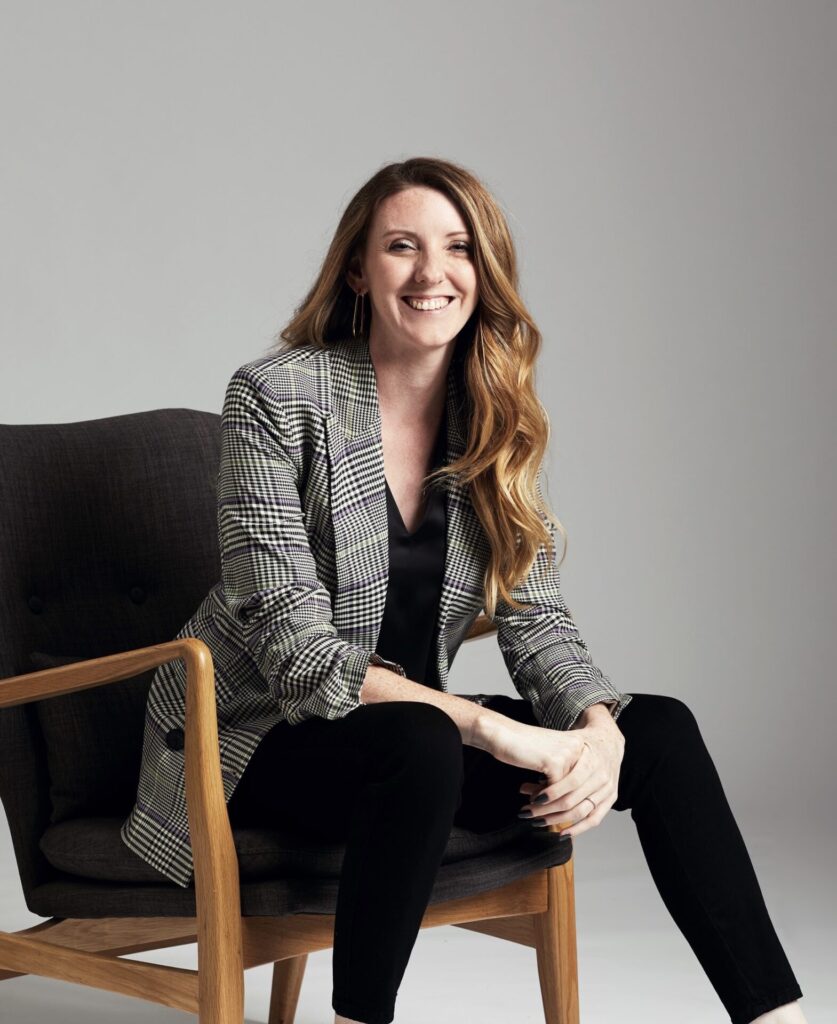
Nathan Bush: Welcome to another episode of Add to Cart. I'm Bushie and I'm joining you from the land of the terrible people, otherwise known as Brisbane, Australia on ADD to Cart. We welcome everyone to share and listen to e commerce stories. The more diverse, the better. I want to especially welcome the traditional owners and the original storytellers of the land that we are on, our indigenous and Torres Strait Islander listeners to join us in our e commerce conversations and our community. Last week we heard all about the sometimes stressful effects of Black Friday, Cyber Monday and the plant's new term pcms. This week we've got the Ethical Antidote, an alternative event which can take you away from the frenzy of mass consumerism, still give customers the buzz of a bargain, but with a clear conscience. My guest today is Melissa Drennan, CEO of Green Friday, a business born from a desire to disrupt retail consumerism on behalf of the planet. Starting in 2021 with an inaugural event which ran at the same time as Black Friday and Cyber Monday. Featuring 23 partners, they've grown to now host 260 brands, including brands like Michael Hill, Salvo Stores and Frank Green. They have an engaged customer base of 12,000 subscribed customers. With this year's event, which is on right now, they continue their mission to educate and inspire customers to buy better. Melissa shares how the Green Friday platform works and how brands can be involved wherever they are on their sustainability journey. She gives her take on how retail can cater to the growing eco conscious consumer and provides valuable lessons in sustainability, maths and quickly, before we get into today's episode, if you are a tech provider, a service provider or an agency in E Commerce and you want to jump on and sponsor Add to Cart in 2024. We now have our sponsorship packages open. We are limiting the 2024 sponsorship opportunities to two gold partners and five silver partners. If you want to know what those sponsorship packages look like, reach out to me directly. Nathanadecart.com au so, thanks to our partners, Shopify plus and Signet, here's our conversation with Melissa Drennan, CEO of Green Friday. Melissa, welcome to Add to Cart.
Melissa Drennan: Oh, thank you for having me. Such a pleasure to be here.
[Voiceover]: So good to have you here, especially right before the peak silly season. So I appreciate your time. I know it must be hectic for you guys. We are going to dive into Green Friday and everything around Green Friday, but I wanted to kick off with a question that has been sitting in the back of my mind for a couple of years now, ever since seeing Green Friday emerge. And I think a lot of our listeners will have the same question. And obviously at a time when, you know, Black Friday, we've created this beast in retail where it is an excuse for customers to consume and really go nuts in terms of how much they're buying. Getting bargains on the outside, it seems counterintuitive almost. To add to the mayhem with another promotion that is green, how is running
Melissa Drennan: more sales Green oh look, I think
[Voiceover]: I went straight in then, didn't I?
Nathan Bush: We didn't even do like
Melissa Drennan: softness. No, look, I think it's spot on what you've said and to be honest with you, I think the concept when it first was set up was very much that, you know, that is the consumer demand at that point in time. But Green Friday could fill the gap in regards to if you're going to buy, at least buy better. So, you know, if you are going to be spending money during that period of time and you know, taking part in the sales, if at least the money can go to businesses that are trying to do something better for the planet, then at least it's a better purchase. And I think the key thing for me personally as well is I'm not telling people not to buy. You know, that is something that all of us take joy and pleasure and euphoria from, but maybe just be more conscious of where you're buying products from and you know, ideally don't over consume. I think, you know, you read statistics that are pretty shocking out there about Black Friday and 80% of the products bought during Black Friday don't end up getting used and they're just Wasted. So I think if we can just be a bit more conscious and if we're buying during the silly season, let's just try and buy from better places.
[Voiceover]: So it's just making people stop and think and know that there's an alternative out there.
Melissa Drennan: Correct? Yeah. But now we've learned a lot though from it. You know, last year was the first big year for Green Friday. Obviously had a Little test in 2021 and actually we've made some changes this year based on what we learned last year. And you know, one of those big changes is aligning timing. So we're actually not going to be going at the same time as Black Friday. We're going about a month earlier. And that is again to try and instill into people that as we enter this sill season, just enter it in a more conscious manner. So hopefully starting with a Green Friday movement taking place from the 27th will allow people to think differently entering that time.
[Voiceover]: Okay, so that's live on the 27th of October.
Melissa Drennan: Yeah, so 27th of October, we're going to run it for a week. But really in essence for me it's more. It's going to be the kickstart of a always on. So probably jumping the gun a little bit talking about that. But for me the event is great. It gives a lot of visibility and there's a lot for us to talk about, but actually should be an always on program. Ideally we get to a point that it's Green Friday every Friday.
[Voiceover]: Let's make it that it's Friday every day. And then we had a Green.
Melissa Drennan: Oh, wouldn't that be, wouldn't that be genius? That would be amazing. But yeah, no, I really would love to kind of change the narrative of Green Friday, almost pulling it away from the Black Friday connection and actually think of it more in the sense. And I've been talking to this to a lot of people just to try and understand the concept. But you know, we did a lot of meat free Mondays when we were trying to reduce the amount of meat consumption out there because obviously that in itself is not great for the planet. So imagine if it could be like Green Friday. So every Friday is the day that people do something a little bit more grain because it's, it's hard as an individual to go from normal mainstream life to a fully sustainable life. So if we could just make little changes every Friday that could hopefully start to move the masses towards a more sustainable way of living.
Nathan Bush: What do you think are some of
[Voiceover]: the easiest changes people can make?
Melissa Drennan: I think for Me in the household, I don't come from a full sustainability background. Like my background is retail and traditional retail, e commerce, you know, over 20 years working in that side of the business. So I'm myself going through a sustainability journey in my own personal and private life as I'm changing things. But simple things we've done in our house is, you know, we now compost. We've got cling film and the plastic bags and things like that that we, we have in our house. We've opted for things that are more sustainable. So like Bion and brands like that. I use a company called Zeroco. I found them a long time ago when they were on Kickstarter, I think it was. And so all my toiletries, for example, are from them, so. Or like, you know, you keep cup. There are lots of little things people can do and I, I really hope that when we get this movement flowing, we can actually start to get a bit of a peer to peer social engagement community where people actually share the things that they do on a social platform. Hashtagging it Green Friday and people can be inspired. I think a lot of it is just not knowing, not knowing what someone could do to make a difference. And there's a lot of educational requirements.
Nathan Bush: Yeah, I love it.
[Voiceover]: I've become a bit of a compost nerd in the last year.
Nathan Bush: I did it because I was like,
[Voiceover]: yep, okay, cool, we've got the space, but there's no reason we shouldn't. So I was like, almost did it begrudgingly knowing that I should do it. But I've kind of nerded out on it now about getting the right levels of moisture versus soil versus perhaps no onions. Like it's. And I'm like, where are the worms? Where are the worms? Where are the worms? It's actually a lot of fun.
Melissa Drennan: Yeah, I know. My kids love going to have a look and try and find the worms in there too. But do you know what's funny?
[Voiceover]: I've got a kid mentality.
Melissa Drennan: I am. We were visiting some friends in Kayama last weekend and it was really fascinating. In Kayama, the red bin collection, they've moved that to be fortnightly, so you don't get your red bean collected every week. And in fact, it's almost forcing it onto people that they have to compost because the bin just gets too full too quickly otherwise. So it's interesting what, you know, government and local councils and stuff can also do to make things a little bit easier.
[Voiceover]: Absolutely. So how did Green Friday initially come about? You said that, you know, last year was the first big year, you had a trial year before that. Where did the emphasis come from?
Melissa Drennan: Well, I've actually only been part of the company for six weeks now, so I'm a newbie in it's not my baby but you know, obviously still early days which I'm excited for what we will grow it into. And actually was founded by Steve Kmer and Peter Karis. They are the founders of the parent company actually of Green Friday which is called Release It. Release it went to market around the same sort of time as Green Friday, probably about six months prior. And it's a rental marketplace. So the concept behind that is basically the one stop shop. If you want to rent anything for any occasion so you want to go out for a kayak, you need to look at a mow your lawn. Why own all of those things when you don't, you know, need to use them all the time and they kick that off and then about six months in. Peter comes from a background. He's behind Click Frenzy back in the day a decade ago. So he kind of saw a gap in the market as we said before, for people that are after, you know, deals and they're after some, you know, discounts during the silly season. But no one was doing it with the sustainability focus. So that's when they basically ran the small trial. They had about 15 brands live and lots of interest from brands but they couldn't accommodate it. So that's kind of when it started back in 2021 during COVID lockdown. I think actually it was all done from home.
Nathan Bush: Shopify have put together their version of the the Australian e commerce avengers. 10 e commerce experts, including me unfortunately I think I'm the hawkeye of the group to give you tips on how to set yourself up for success this year. You'll even recognize some of the contributors from past Add to cart episodes. Mark Bartzer, Kelly Slessor, Paul Waddy, Lisa Jones and more will share tips from how to create great discounts, how to boost conversion rates, optimize email and sms, even use AI to drive sales. It's all in there. I share how to set up your team for success. I can guarantee you will take at least two to three tips that you can use to optimize your sales this peak season. So put on your Spandex and join the E Commerce Avengers with Shopify's free Peak Season Playbook. Download it at shopify.com/guides forward/peaksales season2023 or just follow the links in the episode show notes from the device you're on.
[Voiceover]: You mentioned that your background is in retail. You've had senior roles at Catch and the Iconic. What was it, what was it that the team said that you were like? Yeah, this is my mission now.
Melissa Drennan: I think like I said back in the UK, I've moved to Australia in 2011. So my background has been buying and planning through and through. Right. So I was on the other side of the fence of trying to negotiate prices down on products and try and sell more units than you could ever dream of. Right. And then obviously joined the Iconic when it was a tiny little startup which was an incredible 10 year journey in that business. But the last two years I was actually the Iconic and we started been really focused on sustainability within the Iconic. Obviously it's a subset of the business probably from about 2014 onwards. But I was fortunate enough that my last two years at the Iconic I actually led in an exec role growth, business development and sustainability. So I was looking at innovation through the sustainability lens as well. And that was, to be honest, my first take on sustainability in a deep way. So trying to set up science based targets and work out how we're going to get to the state that we want to. So I think it was during those two years that I realized that my next chapter, I wanted it to be connecting my experience and expertise in retail but also trying to do it through a more sustainable mission. And I think the area that most excites me circularity. So, you know, I think that's why I'm leaning a lot into release it. And we also have another company which is a subset of ReleaseIt called Kinder Share where we're really kind of going down a focus on that baby equipment rental because you know, as a mum of two I know how much money you spend on those little things that grow up far too quickly. So it's so much better to be able to rent some products that the time that they use it for is just so little.
[Voiceover]: I thought you were going to say you can rent your kids out for a while and just have a. Oh,
Melissa Drennan: that would be amazing. Yeah, just for a play date. There you go. No, it's, it's, you know, I think looking at that site and how it's a very community led business. So it's, you rent it from people within your community and you know there's things in there like a snoo that you know, a baby only really uses for like four months and they cost like two grand to buy. So. Yeah. So Huge opportunity for people. We've got quite a few parents on that side that are really basically running side hustles and making decent income that way for stuff that otherwise is in their garage gathering dust.
[Voiceover]: So they're retaining all the baby equipment and gear that their kids have grown out of, but instead of just giving it to relatives or friends or trashing it, they're actually just renting it out to others who might need it for a certain period of time.
Melissa Drennan: Yeah, absolutely. And actually many of them have, say, one kid and they're not sure if they're having a second or they're going on to have a third. Absurd. So they don't want to get rid of the stuff because they might need it again, but they haven't yet quite decided what to do. So you've got, you know, a year or a year and a half where the product is literally doing nothing. So why not during that time, share the love? I. I just put a few things up the other day. Obviously my kids are now 8 and 5, so we've been out of that quite a while. And yeah, I had instantly someone booked out the babies in Yo Yo Pram.
[Voiceover]: Right?
Melissa Drennan: Yeah, it's good.
[Voiceover]: I love the idea. I don't know if it works for me. When we had our second child, I immediately went to Facebook Marketplace and sold the pram, sold the cotton, everything. I was like, well, we've got rid of everything, can't have another one.
Melissa Drennan: You know what? Yeah, absolutely. I think that's the go to place at the moment. But it can be just not the best experience. So ideally we kind of create something that is much safer, much more, more friendly, much more able to. You feel like you're communicating to another individual and it's a much more easy to do process. So. So yeah, a few different hats on at the moment. So the rental side I think is where, you know, I really. My sustainability focus lies very much on that circularity. Extending the life of products through, you know, refurbs or resale for secondhand or rental. And the best part is that Green Friday income. So we've got a category in there that is all about circularity. So I can bridge those two things and hopefully have something that, you know, we can help consumers make better choices, but also support the brands that are trying to make a difference.
[Voiceover]: And from a group strategy, as a group of brands around that sustainability space is the strategy at the moment to try and launch as many offerings to hit the right markets and the right customers and see what takes off, because customers are still trialing this kind of behavior themselves. So it's pretty hard to go, yes, this is the. The one that's going to make it. Is it a case of trialing a whole bunch of things and then seeing what customers respond to and what habits we can change?
Melissa Drennan: Yeah, and actually part of that's what's been kind of done with ReleaseIt. So when ReleaseIt itself was launched, it was a very broad marketplace for rental. And during that learning phase, it was an identification of which vertical categories people are already somewhat accustomed to, or, you know, there's early movers definitely showing signs. And that was where the baby equipment piece came into it. It was one of the highest category performance on ReleaseIt. And that's why we've now pivoted to go into a deep knowledge. So we want to really nail that category, understand how to make that work before we maybe launch the next vertical. But yeah, I think all of it is test and learn. I think as a startup, you know, it is entirely that approach you should take. The critical thing is you're listening to your customers and building something that they're showing interest in rather than just going ahead building something that they don't have any desire for.
[Voiceover]: Very smart. The planner mentality never leaves, does it?
Melissa Drennan: No, no. I think, you know, in all aspects of my life, I'm that geek that basically does the spreadsheets for the holidays and everything like that. So I think it's ingrained in you forever.
[Voiceover]: Fantastic. All right, so back to Green Friday. Yeah, our listeners will be hearing this episode probably halfway through Green Friday week. Is it go for a whole week, correct?
Melissa Drennan: Yeah, it's a whole week this time. Yeah.
Nathan Bush: Okay.
[Voiceover]: And what brands have you got on board this year?
Melissa Drennan: Oh, well, it's exciting, actually, with full transparency as a startup as well. We had some really big visions for this event, wanting to go into much broader offerings because, you know, we've kind of been predominantly retail so far, so we really wanted to start to showcase to consumers other green options. So, you know, you want to buy insurance or you want to do, you know, utilities, financial services. And I think that we haven't really hit the nail on the head yet. So definitely I want to continuously see us expand into other options, but within categories that we do have. So we've got a really good offering within home. Got some brilliant brands there. We've got great brands across our kids offering, but really excited about the travel category. So we've actually partnered with her to Grutten Group. Now, they are a cruise company. They do the Only hybrid cruise cruises around the world. So they literally have these crazy ships that are, you know, when they get into ports they're able to dock themselves and be fully self creating their own energy and they're coming on board and they've got a huge ambition and mission of what they want to achieve. But then we also have new to the site this year, Michael Hill. So Michael Hill have come on board because they've just launched their new Renew ecosystem which is all about, you know, recycling, restoring, reimagining jewelry for, you know, better sustainable outcomes. But yeah, loads of great brands on. We've got, you know, Kineshare has already mentioned we've got the turn. So we've got, you know, secondhand products across Poshmark. So yeah, you have to watch his face. But over the movement so far we've actually had about 260 brands come on and hopefully, you know, as it grows it keeps growing and getting even bigger.
[Voiceover]: Yeah, brilliant. The next question I've got actually comes from Dr. J who we heard from last week with his research with Jess on our behavior around peak season sales. His question, which came through the add to cart Slack group which everyone's free to join, you can join on the website, he said, do you have challenges around managing brands who genuinely like working out, who is genuine around wanting to participate rather than kind of putting on a green washing face because it's just part of the promotional activity at this time of year? How do you qualify which brands are truly fitting your green mission?
Melissa Drennan: Yeah, probably before going into that I think greenwashing is absolutely an industry and broader than just our industry from a retail point of view problem. And you know, it's good to see, see, you know, maybe other countries are going a little bit faster than we are but you know, you're seeing across the globe changes being made to ensure that businesses aren't able just to greenwash because you know the statements being put out there that just are completely rubbish and and I think there was a study, I can't recall the name of it but it investigated like 180 brands who'd made some statements and actually only about 30% of them could actually validate any of them. So definitely a big problem. Brimotion. I think at the same time I've noticed a bit of a increase now in I don't know if you've heard the term green hushing as well. I kind of came across that, I think it was in the Rag Trader article actually. And I love that comment because for me it's really True. You know, there is such a negativity on brands on their sustainability journey and everyone is on a journey, everyone is at different stages of that and it varies massively depending on whether you're a huge large corporation business or you're a small SME business. Right. So I think there is definitely an unfortunate fear out there at the moment because of the greenwashing risk that we have, that people are actually not saying anything. They don't want to call out, you know, the ABC that they've managed to do and they should be super proud of because they've not yet hit D, E and F. Yes. And they feel that if they talk, go out and talk about ABC that they've done, the focus will only be on the D, E and F that they haven't yet achieved. So all in all, there is work for us to do in the industry to really start to change the narrative around it. And I really feel Green for Friday can take a huge role in that, in helping businesses showcase the journey that they're on. And that's my big focus. So the brands that we have come on site, we provide them basically about a year or so ago we sought some legal advice and some sustainability experts helped us kind of form a simple seven step framework type question. And all brands that come on the site have to compete. Now my purpose obviously as a startup, we then haven't got the capacity as yet to then go and double check and, you know, get them to provide proof and so on. But what we basically showcase is full transparency. So each brand that comes on the site has a brand page which actually in the June mini event that we ran, had one of the highest levels of clicks from consumers, was actually onto the brand's pages. And we basically publish on that page their exact answers against those seven questions. And for us it's all about transparency. You need to tell exactly what you're doing and we review those before they come in. So we've, you know, if we feel that they've been a bit too wishy washy in their answers, we'll go back and we're taking on a role of guidance more than anything. So we're not vetting but we're providing guidance on that. And the guidance, for example is we've, we have a brand portal, so we have obviously the consumer facing site. But then Green Friday has a back of house brand portal and we really see that being a place that brands can start to learn and educate and connect with solution partners. So within the portal we have solution partners that can help them on that sustainability journey themselves. So we've got clean sustainability there that they can connect with humi that can do, you know, some of their sustainability scoring. We've got mateship that can help with some of their delivery aggregation mechanics in that, for example, we have blogs and posts. So we just converted some of the latest ACCC greenwashing guidelines into something quite simple and tangible for them to understand. So our role here very much is just providing transparency, making sure that consumers come on and know exactly what they're getting. And over the years, as we develop and grow bigger, I would like to enhance that even further. But for where we are right now, it's basically that it's just full transparency and authenticity on what you're actually doing.
[Voiceover]: And can any brands get access to that? Because I think that sounds like a pretty good resource for any brands who might be on the, on the journey. Or do you have to be a member within the port portal to access those?
Melissa Drennan: It's, it's totally free to be a member on the portal so they can just come on and do that. What my. And maybe again I'm jumping the gun a little bit at the moment. Obviously the way the site works is almost like a media sales site, right? Businesses come on and they buy packages. So they'll buy a package for a certain amount of products and then different tiers within that that we run during the event. But my vision is post this event is for it to be converted, as I said before, into an always on platform and converted eventually to a marketplace, like a commission based run marketplace, which hopefully will therefore allow us to showcase a lot more brands and a lot more products because that will give access for any brand to basically come on to load their products, create their brand page and then transact as customers desire rather than having to put forward packages up front.
[Voiceover]: So at the moment it's more of that advertising model rather than a marketplace. Clip of the ticket. Okay?
Melissa Drennan: Yeah, Correct, yeah. So when in essence, the reason brands come on board right now is they're firstly part of the movement, they want to be aggregated with other like minded businesses that are also on the journey. And then obviously our marketing and our targeted approach is very much focused on consumers who are that way inclined that want to buy. And you know, a lot of the brands on our site are SME brands who struggle to get that visibility. But by being part of Green Friday, aligned with some maybe larger businesses, they get the airtime that they would struggle to get otherwise.
[Voiceover]: Gotcha. And obviously that visibility is really important. And to get that visibility, you are a two sided market. So you need to have the consumers coming to you as well and being aware of what you're doing at Green Friday. How do you market to grow that consumer base?
Melissa Drennan: Since last year we've actually managed to grow our newsletter to 12,000 subscribers at the moment, which for a startup phase is phenomenal. So We've already got 12,000 engaged customers on the site. We've been using traditional marketing methods, so a lot of trying to get into press, get to media. Me doing things like this is obviously trying to grow awareness, but really we'll be doing a lot of social. So social will probably be a large component of the way that we try and engage with new customers. Like minded, we're doing quite a lot of giveaways and competitions, so thankfully a lot of the brands that are part of Green Friday are supporting us with that. So like I said before, Hertigruton are actually giving away a cruise as one of the, one of the competitions. So there's some really exciting ones. Actually there's going to be almost a daily competition taking place over the week. So it's really worthwhile people kind of signing up to see what it is. Because if you sign up to the newsletter, you'll get access to all the competitions from the very start, versus obviously having to wait on a daily basis for, for the ones to come through. But then I'm also trying to do quite a lot of more native advertising content, so consumer led, feeling based stuff. Because I think, you know, a lot of the reason to shop from us needs to be that, you know, you're being educated, you're being told the reasons why. So little by little we'll try and grow that as well, but hopefully we'll get a bit of press as well, which will be fantastic.
Nathan Bush: Yeah.
[Voiceover]: So in terms of that model around the signing up for packages, can you give us a guide on what ranges we're looking at there? If we've got brands listening to this who want to get involved, what kind of range do you need to invest and be part of Green Friday?
Melissa Drennan: Yeah, so the starting standard package is $600 and that gives you obviously product placements on the site. There are two tiers above that, 3,000, 6,000 that obviously give you much larger visibility. You get social content, you get EDMs, you get front homepage allocations and so on. But what we've also done with a lot of brands, if they're not in the position to do that, especially when you're looking at SMEs we've run bespoke. So, you know, I've got a couple of people on the side that just want to be part of it, but they, you know, couldn't really stretch to a 600. So we've given them one placement for 100 bucks.
[Voiceover]: Yeah.
Melissa Drennan: Just so they can be on and feel like they're part of that community. So if budget is a constraint, I wouldn't say don't reach out because, you know, we would much. I'd much rather have a really, really broad offering because that in itself is going to engage the customer a lot more and create that right flywheel versus have keeping my purse string super tight and not allowing people to come on the site. And then all of a sudden the customer consumer comes on, doesn't really engage with it, especially now that we're only a week away. Well, when this gets launched, it will be during it. But like, you know, even for businesses that want to talk to us about the future state, because the key thing here is that I'm not taking anything down. So obviously we'll work with each of the brands that are on the site now and they all choose whether they want to retain what they have on site. Still they might need to, to take it down because it may have a discount and they want to re upload the full price version like we. My plan from here on is that actually we want to keep building awareness for those businesses all the way through and ideally add more and more and more. So Even if the 27th to the third is finished, brands should still get in contact with us if they want to be part of the movement and we can work something out with them.
[Voiceover]: And I can imagine there would be other ways that brands can help as well. Obviously you need financial investment to grow and to run what you're running. But you mentioned there the cruises before, giving away prizes, even things like exposure. If you've got retailers who genuinely want to help grow Green Friday and make it the thing that's in consciousness of consumers, using their networks and their customers to spread the word of Green Friday would be valuable to you.
Melissa Drennan: It would be phenomenally valuable. And actually we've on the website we've got a section for assets. So there is actually one of the assets on there is I support the Green Friday movement. And you know, that can be utilized by any influential or anybody, any individual that thinks that, you know, this is actually doing something good. Even if they're not able to partake now or, you know, for whatever reason their business is not quite ready to be on the platform, but they still feel that this is going in the right direction. We would love that. So support and, you know, every little bit of exposure and visibility and brand awareness can only really help take the business in the right direction.
[Voiceover]: Brilliant. And I was really interested. You mentioned right up front in our episode that you have made some changes to Green Friday this year, notably pulling it forward before the Black Friday sales. Do you have any insights that you've developed over the last two years around how customers shop during this peak period that might be of interest to some of the other retailers who are listening, especially as you know, anything around how they compare products, how they evaluate sustainability between one retailer and the next to make those decisions?
Melissa Drennan: I think, unfortunately, if I talk Black Friday. Black Friday, I think one of the main drivers for conversion in Black Friday's price. I would say that's the leading factor. People are extremely savvy when it gets to that period of time and if they know that everyone's got sales on at the same time, they will literally Google and look at who's selling it for the cheapest price. So unfortunately, price is probably still a lead factor during that time and partially another reason why I have pulled it forward a month. And I've actually, I want to shift the narrative again of Green Friday. It isn't just about discounts. Like for me, the platform is going to become a portal for discovery more than anything, and being introduced to brands and businesses that people didn't know about or didn't know that they had sustainability components of their business. It could be that overall they have a range that isn't, but within it they have made progress on certain aspects. So I've actually been pulled it away from that because there are going to be products on our side that are full price. I don't want everything to necessarily have a big badge of 40, 50, 60, 70% off because again, I don't feel that's the right way forward for society. But I think unfortunately that is the mechanism of Black Friday and it's unfortunately it's just a downward spiral.
[Voiceover]: Is there a danger then that you will speak directly to people who are already predominantly doing green activities rather than converting those who are the consumers that you need to move towards a greener future?
Melissa Drennan: I think it's a chicken and egg mechanism, if that makes sense. You always need to have early adopters and I think most of sustainability thus far has been driven by early adopters. But we know with anything thing like technology and other aspects that the early adopters lead the way. But then mass comes after and a lot of it I think needs to be not necessarily a business telling a consumer what to do, but it's actually consumer to consumer. I know it's a slow burn and it takes time to build out those organic communities, but that's my, my drive there. That's why I was talking about the Green Friday every Friday and people telling other people what they're doing or what they bought because I think that's where you're going to really to get traction and convert people that maybe up until now have just been unsure of what to do so they don't do it. Yeah. Did that answer the question?
[Voiceover]: It's slow burn. Is there any part of you that obviously from a strategic perspective, I understand you're a startup and it's slow burn. But it feels like anyone who is truly passionate about sustainability, especially climate change, knows that there is an urgency to this. Is there kind of a frustration or a battle that goes on with you going, yes, I know this needs to be a slow burn, but we don't have that much time.
Melissa Drennan: Yes, 100%. It's frustrating how slow it can be. But in my view, a small niche group of people doing a lot won't move the needle enough. It needs to be the masses doing a little that will actually really start to move the needle. And that's where you have to start to communicate to people. But the biggest thing I think that holds people back in making sustainable choices is confusion. Conflicting sources being really hard for people to understand. Like, you know, businesses out there, right? These incredibly complex 60 page reports about all the sustainability work that they're doing. But Joe Blog's never going to go and read a 60 page report that a website or company creates, right? I'd love to be in a position that through Green Friday I have a mechanism to convert those 60 page reports into like a blink list version of them or a really easily digestible social video content that explains them. Because I think that's the only way you're really going to start to communicate to people that aren't part of the early adopters and early movers about the stuff that they can really do that changes.
[Voiceover]: And you're coming from, and I know your comment isn't about the iconic, but you're coming from an organization at the Iconic who does a lot of those things. You know, some great documents, some great initiatives. Did you feel that they cut through to their customer the way that it was presented then the reports as such?
Melissa Drennan: Probably no. I think the best Thing we did at the Iconic to really start to communicate to the customers our sustainability choices was when we launched Considered. So the Considered edit is really the first move that the Iconic did from a consumer facing perspective that really, really enabled customers to make choices on the site and then obviously being able to shop by your values. I think that's one of most critical things in sustainability because sustainability is so broad and sustainability means different things to different individuals. Some want to make sure it's entirely, you know, animal cruelty free. Others are more about the ethical sourcing production. Others might be more about its carbon. So I think you need to also provide that way of thinking about it. And actually that's what we're doing this year. We've partnered with Prezi to actually introduce a Journey through the Green Friday site so you can choose to see which brands are most aligned to the things that are important to you from a sustainability perspective. So you might click, you know, animal friendly and it will bring up the brands that are most focused on animal friendly production.
Nathan Bush: What do you get when you combine the spirit of Christian Dior, Coco Chanel and Ian? From the warehouse you get Signet's brand new Capsule collection. They've said non to boring packaging and released a brand new range for their inaugural Capsule collection. It's packaging but classy and as always it comes with Signet's usual quality, competitive pricing and the only non French edition, amazing customer service. Coming to a warehouse Runway near you, visit signet.net au to browse the range and contact the team to find out how their packaging solutions can help your e commerce business.
[Voiceover]: In your experience, have you found that putting things like considered or animal friendly or sustainably made those kind of badges or call outs, do they actually have an impact on people shopping around for price? As in we see a lot of research where if you tell customers and you are genuinely sustainable and you create products that minimize harm and you market that well to your customers, it will take away a lot of the price sensitivity for customers. Did you see any correlation in your time across the organizations you've worked at?
Melissa Drennan: Yeah, I can't remember the exact statistics, but we ran surveys over the time I was at the Iconic on an annual basis and actually in the early days you could see you ask questions like what's the thing that stops you buying sustainable products over non sustainable products? And it was always price. Price was always the one, it's two, it's expensive, I can't afford to. But generally speaking from other research, they will happily pay up to about 10% more. So that's kind of the line that people generally are saying that they will happily pay about 10% more for the sustainable version. But I think the piece that really is missing is the explanation. Some businesses out there do really well like explaining on the product page, like all the factors, you know, why is it made up this way and so on, but others don't. And I think that if you can explain it that way, I think it really helps. And you know, there's businesses out there that have got fantastic concepts in regards to life of a product. So obviously the buying, if you want to rent your product out or if you want to, you know, resell it on afterwards, you need to have product that's been made. Well, yeah, people talk a lot about just buy the one thing that's really good because it will last you, you know, two years versus buying the one thing that's cheap, but it will only last you two months.
[Voiceover]: Yeah.
Melissa Drennan: So if you think of a return on use or something like that then. And I think if you explain it almost that way. I've been seeing some memes at the moment which I find hilarious and it's like justifications for buying that two thousand dollar handbag and it's all about like break it down, how many days you're going to use it for how much and it turns out to be less than like coffee a day.
[Voiceover]: Doing the girl.
Melissa Drennan: The girl math. Yeah, exactly. So I think it's almost like sustainability maths.
[Voiceover]: Yeah, yeah, I like that. The sustainability maths. We might have found a title for this episode. So you've mentioned that Green Friday, we're in the middle of it right now. Well, by the time I'm recording we'll be right in the middle of it right now. You've pulled it forward a month before Black Friday. You've expanded the range beyond just retail into services, travel, other things that people can incorporate green into their lives. And what else is on the radar for yourself and the team at Green Friday over the next 12 months there'll
Melissa Drennan: be some obviously big tech development because we want to be able to actually convert the customer on the site. So the build out of that true marketplace rather than the advertising media is priority number one. And we've actually what's driving that is a lot of brands telling us that they would be part of it if could be an always on marketplace model, but they can't be part of it for just an event. So that's priority number one. And then I want to really focus the team on community engagement so Coming out of this event, we will be still really active on social. We'll be trying to build out that, you know, community led engagement model whereby, you know, we do the Green Friday aspect and the basically the launch of our Green Friday every Friday. I haven't thought of an exact title yet so watch this space. I'm not sure what it will make, what it will be, but we'll be running a newsletter every week and ideally actually I want to do two newsletters. So I want to do a B2B based newsletter which is really supporting the education, the solutions, connections, everything from that angle for brands and businesses that are on this journey and then obviously a consumer facing one which is very much, you know, meet this brand, check out these products, read these articles, get yourself, you know, more educated behind it so you can make better decisions. So those three priorities I would say are my Green Friday priorities. But then also, you know, really try and grow my community base in in Kinder Share is huge. That, that for me, the key thing I need to do in that space is grow the amount of people on the site renting product out. So if anyone wants a side hustle, if anyone goes and checks in their garage now and goes, oh my goodness, I do have a lot of baby stuff here, please, please reach out on the Kinder Share side things as well because that's also quite an exciting one.
[Voiceover]: Not a bad roadmap for six weeks in the job.
Melissa Drennan: Yeah, I like to keep busy.
[Voiceover]: Melissa. If we've got brands who have heard this and they want to get involved with Green Friday either this year or in what you're building over the next 12 months, or customers who want to check out what's happening on Green Friday this year, what's the best way for them to go about it?
Melissa Drennan: I'm on the Slack Channel, the Add to Cart Slack channel. So feel free to reach out in that. Otherwise just ping me on LinkedIn. Personally, I'm happy to connect with you that way or if you just come to the greenfriday.com website, you can find in there how to contact us. If you want to get exposure, just straight onto the site. Then we have an email, it's called salesreenfriday.com but I'd rather you just reach out to me and we can chat and we can talk through it. So that's, that's the plan and the newsletter is the key one. If you're a consumer following this, I highly recommend you signing up to the newsletter. If anything, just to get access to all those great giveaways that the brands have actually set up for us.
[Voiceover]: Yeah, I want to get on that cruise.
Melissa Drennan: Yeah. No, unfortunately I can't. But I would also want to get on that cruise.
[Voiceover]: Melissa, thank you for joining us on Add to Car.
Melissa Drennan: Amazing. Thank you so much for having me.
Nathan Bush: What a great chat. As you heard right at the start, I'd had some lingering questions around Green Friday and if I'm honest, how legit it is in terms of just adding to the noise around this busy season. But I really love how Melissa was able to paint the roadmap of the impact that they want to make, not just at peak sales, but beyond that. Okay, here are the three lessons that I took from that chat. Number one, don't fall victim to green hushing. We actually need your voice. Melissa pointed out that some companies are at the start of their journey and might be reluctant to share the ABC of where they're at because they haven't completed def yet. But that's okay. The Green Friday site encourages complete transparency and being honest about where you're at on the journey. We need more brands speaking up about the actual changes they are making, even if they're not perfect. Number two Sustainability Maths We've seen Girl Maths take social media by storm. Melissa introduced us to Sustainability Maths. Work out how many times you will use a product and how much it will cost per day over the life of the product. Products that last longer will work out cheaper in the long run. Good to keep in mind if you're shopping those blocks. Black Friday sales and number three, solving with partners. While Green Friday has big ambitions and can make a big impact, they are not going it alone. We heard about their brand portal for retailers which includes resources from Humi, who we've had on the show, Mateship, and even the accc. With such a big issue, it's important we work together rather than separately to make the biggest impact possible. You can access these resources over on the Green Friday website. Thanks for joining us today on Add to Cart to listen to all our e commerce conversations now in the hundreds. You can head over to addtocart.com there. You can also join up to our free private Slack community to share e commerce ideas and tips and questions with other listeners. You can also subscribe to the Add to Cart weekly newsletter and browse some of the video highlights from our chats. There is a lot there that's add to cart.com and if I can ask you one thing before you go. If you enjoyed today's episode, make sure you share it with a friend or a colleague who could benefit or leave us a review. It really makes a difference. Thanks again for listening. And until next time, keep those customers adding to cartoon.