[Voiceover]: If you go, what does a successful e commerce business owner look like? To us it is that it's super organized, really engaged with their team, with their stakeholders, really, really invested in their numbers.
Danny Chiha: I've seen a guy, he came to us and he had like a 200 grand Facebook debt for all these ads that he was running that weren't actually at all profitable. I'm like, you've got no choice but to liquidate here.
[Voiceover]: A lot of the clients that come through our door will probably tell us from the get go that they know what their GP is, but nine times out of ten, it's always wrong. Welcome to Add to Cart, Australia's leading e commerce podcast that express delivers all you need to know in the fast moving world of online retail. Here's your host, Bushy.
Nathan Bush: Welcome to another episode of Add to Cart. I'm Bushie and I'm joining you from the land of the terrible people otherwise known as Brisbane, Australia on Add to Cart. We welcome everyone to share and listen to e commerce stories. The more diverse the better. I want to especially welcome the traditional owners and the original storytellers of the land that we are on, our indigenous and Torres Strait Islander listeners to join us in our e commerce conversations and our community. Now, speaking of community, we are excited to have the Add to Cart campus open for access. What's the Add to Cart campus? I hear you say. Put simply, it's a learning community for e commerce professionals and it feels like it's what we've been building at Add to Cart for many years. Free to Join Campus has lunch and learn webinars, the latest e commerce resources, a job board, and a heap of ways to learn with industry professionals and your peers. Whether you're an e commerce manager, a founder, or or simply finding your path to a career in e commerce, we'd love to see you in there. Register to join campus@addtocart.com aucampus I've found that there are generally two types of
Nathan Bush: people in the world.
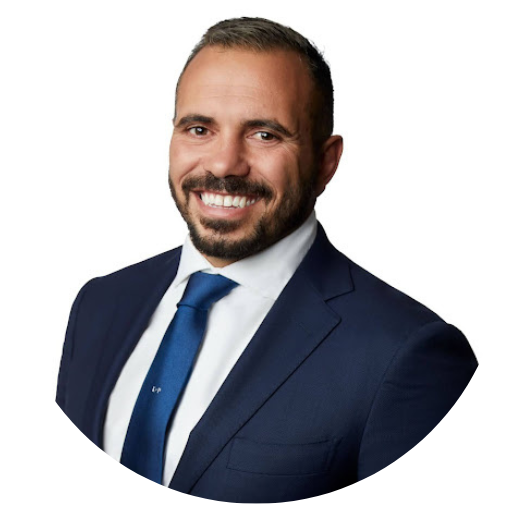
Nathan Bush: Those that know their way around a profit and loss account and maybe even secretly enjoy it, and those who just don't. Which one are you? Whether you love or loathe the bottom line, it can't be avoided. If you want to build and scale a successful e commerce business, my guests today are here to help. They are numbers experts with a special interest in the unique quirks of e commerce. Danny cheah and Natalie McDermott join us from Kelly Partners Accountants, an ASX listed company with branches in Australia and expanding globally. I first met Danny And Nat at Retail Global and I loved their approach to E Commerce and and the numbers behind E Commerce. Danny and Nat are both partners at the Northern Beaches branch in Sydney working with around 50 e commerce brands with a turnover running from $50,000 to $50,000,000. In this chat, Danny and Nat share what an E Commerce business baseline gross profit margin should be and why it is the number one metric that we should keep an eye on. They also talk about the non financial KPIs you need to be paying attention to and and how much you should be spending on marketing. So with that in mind, time is money. Let's get into our conversation. Thanks to our partners Shopify plus and deliver in person. Here's our conversation with Natalie McDermott and Denny Cheah from Kelly Partners.
Nathan Bush: Accountants Matt and Danny, welcome to ADD to cart.
[Voiceover]: Thank you so much for having us. It's a pleasure to be here.
Nathan Bush: Tom, Nate, so good to have you guys here. We had an awesome dinner at Retail Global. Well, we're recording this at 10am on a Monday morning so I don't think it'll be the same conversation. That was such a fun night. And Danny, I learned something about you in that that you, well, actually learned this afterwards. You're an international rugby league star representing Lebanon. I'm like, how do you go from that to. To being a founding partner of one of Australia's leading accounting groups?
Danny Chiha: Where's the link, mate? Believe it or not, Lebanese rugby league players love numbers.
Nathan Bush: Honestly.
Danny Chiha: Obviously played sport growing up. Tried to make a football career before an accounting career. Mum and dad done a really good job of telling me I need to have a backup plan in case I don't make it. And yeah, you didn't mention Australian rugby league player. Obviously I didn't make it. So now I worked really hard on footy and all that for a long period of time but was always studying kind of in the background. Just landed here.
Nathan Bush: And when did you start at Kelly partners?
Danny Chiha: Oh, 10 years this year. 2014.
Nathan Bush: Yeah, beautiful.
Danny Chiha: So had a bit of a journey.
Nathan Bush: And Nat, what was your path into Kelly Partners?
[Voiceover]: Mine's actually quite funny. I did like multiple degrees and courses before I actually landed in accounting which I find quite humorous now when I think back to like the variety of things and courses that I went through to get to the point of becoming an accountant. I started with like a science based degree in nutrition and then kind of gave that up because I didn't. I realized I wasn't a scientist and then I thought maybe I could be creative and dabbled in some interior design and photography. And then I kind of gave that up and just went traveling for a year and did like an overseas stint, as most younger people will do. And then I did like a hospitality and then a business course. And then I finally landed in accounting, which is just super weird. But I am a bit weird. So there you go.
Nathan Bush: I studied law and human movement before I got into marketing.
[Voiceover]: There you go.
Danny Chiha: It's hard as an 18 year old to be told, pick a career, pick what you want to do for the rest of your life.
[Voiceover]: And I actually started at Kelly Partners as an intern. Halfway through my accounting degree, I sent Danny a really great email and he just, it was way too good for him to refuse. So I basically worked for Danny for free for about three months.
Nathan Bush: Danny, what did that email say? I need your recollection of what this email said.
Danny Chiha: Honestly, I teased that about this deal. It was easily the worst written email I've ever received. With no space here. I just bag out the spacing on it. But just like in my head, a really bad email. But I literally had no money at the time in terms of starting the business. I was like, yes, sweet, this person is willing to come help us out. Took a crack on it. Turned out to be the best person I could ever find. So very grateful.
Nathan Bush: Amazing.
[Voiceover]: Yeah. So, yeah, that's my journey into Kelly Barnes. Started as an intern and then kind of have made my way up to partnering in quite a short amount of time. But with that came a lot of hard work and dedication and, you know, genuine fondness and keenness for the industry and the businesses that we work with.
Nathan Bush: Beautiful.
[Voiceover]: And spell check now and well, look, it was felt fine and the content was great, but it was just that I was using Gmail and the spacing just wasn't amazing.
Nathan Bush: Very fair. It's an easy mistake. Now, do you look after mainly the e commerce businesses within Kelly Partners?
[Voiceover]: That's right, yeah. So Danny and I kind of really first learned e commerce through Danny's wife's business, the little Homie. She actually launched eight years ago, so pretty much the exact same time that I started with Kelly Partners. And it was a really great thing for Danny and I to kind of like be a part of because it forced us into learning what was required from an accounting point of view for an e commerce brand. It's quite niche. Like all businesses are the same and all business require accounting. But E commerce specifically is obviously quite niche and there's a lot of, you know, stock issues and things that need to be worked through we also like to look into like the non financial KPIs, so that side of things as well. So having the little homey to kind of like play around with from the beginning and you know, use it as our guinea pig to build out some really cool processes and how we could get some really good reporting for our clients. Yeah, we just kind of jumped on board on that and we were able to build out some pretty good processes which we then replicated and executed for the rest of our clients. So yeah, but predominantly where I deal, mine and my team work with E Commerce business owners. But Danny also specializes in it just by default because his wife has an E commerce business.
Danny Chiha: Yeah, my wife said I had to. So yeah.
Nathan Bush: And now she's like, get out of my business. Get it.
Danny Chiha: That's what I like. The having that business there to be able to think about it like from it. We're obviously thinking as a business owner as well as an accountant. Like we were building everything out like it was ours because it was. But yeah, we got forced into having to do that for Jess, so we did.
Nathan Bush: How's the little homie going now?
Danny Chiha: She actually announced this week she's shutting down, to be honest, but just more from a lifestyle, career perspective. But it's done amazing. So I don't know if you ever heard of it, but she launched a book called AB2Jay Z which went viral around the world.
[Voiceover]: Yes.
Danny Chiha: Yeah, there you go. Yeah, there you there. That's my wife. So went viral around the world, sold hundreds of thousands of copies, got sued by Jay Z, had to open up international warehouse. Like we've done a lot of in the eight years of running it. We've had a lot of, you know, ups and downs and really good stories. But yeah, Jess actually just made the decision now to call it quits. More from a. She wants to, you know, the kids are not babies anymore. She wants to get out of that world that she's been in and start something new. So we'll see what she does. But it means me and Nat have to find a new guinea pig to test all that stuff.
Nathan Bush: Might get one out of this. Guinea pigs listening. Put your hand up.
Danny Chiha: I think the biggest thing that we learned going through that process was the entry to E Commerce is really low. So if you think about like just my wife starting it was like on the couch with no business experience, training, whatever, it's like, I'm going to start a business. So like generally speaking, the knowledge base and everything is coming from a really low level from an accounting Numbers, perspective. So it's that support, I guess, that we try and bridge the gap on.
Nathan Bush: Yeah. And it's almost like, oh, shit, now I've got to learn tax. I've got to learn everything along because I've usually got a product idea or a customer.
Danny Chiha: Literally. Literally.
Nathan Bush: And that's where it starts. It's really funny that you, you said about just shutting down because of lifestyle factors and it's funny that E commerce is often positioned as like this beautiful lifestyle business where you can, you know, set up a store and have three pl and it all just runs without you. How do you find with some of the founders that you're working with? Are they. How are they feeling at the moment? Are they stressed? Are they kind of overworked? Or are they feeling pretty good about where they're at? Nat, I might start with you on this one.
[Voiceover]: Look, I wish I could tell you that it's all rainbows and butterflies, but for the most part we are seeing quite a bit of stress in a lot of the business owners that we work with that work in E Commerce. The ones that are not feeling, I guess, as stressed are the ones that are obviously doing really well, especially in the last year or so where we've had global downturns and people stopped spending money. And the ones that have kind of like come out the other end of that really well are the ones that, funnily enough, aren't as stressed. But, but what we're seeing is if you're a business owner and you work in E commerce and you're invested in your numbers and you've got a really good team and you know, you're leading your team really well and you're kind of like very, very organized, then you're generally going to succeed. If you go, what does a successful E commerce business owner look like? To us, it is that it's super organized, really engaged with their team, with their stakeholders, really, really invested in their numbers and are willing to experiment and take a risk on things as well. And that comes with like systems, not just like experiment on product or whatever, but, you know, experiment using different systems and things like that. So they're the ones that we're seeing are doing really well. The ones that are stressed are generally, you know, not as invested in their numbers. So they've run quite blindly up to this point. And as a result, they're making decisions based on what they think is happening, which often isn't the case. And they usually just sit on things for a little bit too long and aren't willing to kind of like take the leap on certain things. So for the most part, we're seeing that people are feeling stress and they're having to like, go on discounts and things like that, as, you know, you've probably been made aware of. So that's kind of where I see things sitting at the moment.
Nathan Bush: They're kind of playing the game that's right in front of their face, correct?
[Voiceover]: Yeah. There's like no kind of strategy behind what they're doing. They're just super reactive to what's going on. And that can often end you up in kind of like, you know, death spiral. Yeah, pretty much.
Danny Chiha: There's a Warren Buffett saying. I think, I think it's Warren Buffett. But like, as the tide goes out, you see who's swimming naked and it's. It's literally like, it's not E Commerce, it's all businesses. You know, when times are good, things are pretty easy to be successful. When times are tough, the people that live on purpose do things deliberately have a plan generally.
Nathan Bush: Remember Alex and Danny from Killarney Kinis? We interviewed them back on episode 208.
Nathan Bush: Good news.
Nathan Bush: KILLARNEY Kinis have continued their incredible growth with new international markets, social engagement and, well, let's not beat around the bush. Beautiful bodies. So when they looked to expand their business further with their B2B offering, they weren't going to slip into dad bod territory. They needed the experience to be as good, if not better than the D2C experience. That's why they opted for Shopify Plus B2B offering with customized collections based on size, availability, mass add to cart from collection pages and optimized conversion design. The result, a three times growth in B2B wholesale customers and a 60% revenue growth year on year. Talk about pleasing to the eye and to the accountant. If you want to explore B2B expansion for your brand, check out shopify.com auplus and get in touch with the Aussie Shopify plus team to see how Shopify plus can power your B2B business.
Nathan Bush: When you talk about knowing your numbers, I'd love to dive into this because I know this will be very close to a lot of our listeners. Listeners hearts. What numbers are we talking about as a baseline? If you don't know this, then you're screwed. And then next level, like where is the gold often hidden?
[Voiceover]: Yeah. So the number one metric that everyone should be across is their gross profit margin. So without knowing what that actually is, it's really hard to one run your business and know how to spend your money. And two, it's really hard for us as advisors to help you with your business if you don't know what your gross profit margin is. Because that's often going to dictate pretty much everything like what can I spend on marketing and what can I spend on staff and can I hire someone else and can I open a warehouse and things like that. Like we can't give you that answer unless your gross profit margin is or your gross profit is correct.
Nathan Bush: What's a good gross profit look like in your books?
[Voiceover]: It's a minimum of, I mean you've had Paul Waddy on your podcast before, he has his 50, 30, 20 rule. So we also agree with that. So like 50 is your baseline. Anything above that is obviously a bonus and it means that you've got more money to play with in terms of like your marketing and your staffing and things like that. But 50 is baseline. Why we see like a lot of the clients that come through our door will probably tell us from the get go that they know what their GP is. But nine times out of ten it's always wrong, unfortunately. And they've been making all of their decisions to date based on what they thought their gross profit margin was. So getting that right is really, really important. And where we generally see it's not correct is a lot to do with stock. So stock is like one of the biggest areas within any kind of product based business. To get correct you're going to need like a really good or doesn't even have to be really good, you just have to be really good at managing it. But an inventory management software or an Excel something, as long as you're good at managing it, and as long as you're, you know what actually needs to go into it from like a cost perspective, then you should theoretically be able to get a proper cost of goods sold number at the end of each period, month preferably. And you should know what your stock valuation is at the end of each month. So if you've got those two figures, then theoretically we should land at a pretty accurate gross profit margin. But nine times out of ten that's not happening. So nine times out of ten, I'm
Danny Chiha: going to say ten times out of ten.
[Voiceover]: Yeah.
Nathan Bush: Every time.
[Voiceover]: I'm trying to be optimistic here, Danny.
Danny Chiha: It never happens. Like people just, everyone says they know and that like literally every single time we end up working and we work with big brands, it's not like we're working with small brands, just it doesn't get the detail it deserves.
Nathan Bush: But, you know, that's a basic right, Knowing how much stock you've got and what goods you're selling, that seems pretty fundamental to eecom. Is it because it's not factoring returns damaged stock?
[Voiceover]: So some of the common mistakes that we'll see when business owners are accounting for, like the cost of their stock, say, is they might only consider the cost of the product itself as, you know, what the stock is worth, but it's actually like the landed cost. So, like the freight cost that it took to bring in, foreign exchange, import fees and everything like that. So that all needs to be factored in. So it's not just the cost of the product, it's the cost of actually bringing it into the country. And so that needs to be factored in. And then sometimes they might factor in things like GST and whatnot. GST wouldn't normally get included in that. So. And then also they might run into, I guess, issues. If they're trying to apply like an average cost, say, to, you know, a whole shipment that's got really expensive, really cheap kind of stock all in the one shipment, then that can kind of murky the waters as well.
Nathan Bush: So you need to break it down by category.
[Voiceover]: If they're dramatic. Yeah. By skew. Yeah, yeah. Sometimes it's like not possible, but there are workarounds to kind of get it at least 80 to 90% accurate as opposed to it being completely wrong. So that's kind of like what we mostly will see come through and then things like deposits. So like deposits for stock, they might get coded to stock on hand, but they should actually be deposits paid. So it's for stock not yet landed, but it also shouldn't be on your P and L because you haven't seen sold it yet. So there's so many different issues that could kind of arise from a accounting for stock perspective.
Danny Chiha: It's funny you say it's so basic, but, like, that's probably the 20% of the problems. As in, like, everyone has. Most people have those problems, but this 70% of people just don't do the basic of recording stock on hand and they just code everything to P and L. And obviously, if it's a stable business turning over, it kind of washes out in the wash. But most of the guys we're working with are trying to grow and growing their business, so their GP margin just doesn't make sense ever. And you've got all these spikes and drops. And like, if we just fix the 70% of people doing that part it probably makes our lives a lot easier. Then we can get the icing on the cake with all the things Nat's saying there. Yeah, but yeah, like it is really basic and it just doesn't happen. It's crazy.
Nathan Bush: And from a system perspective, are you normally general use case Shopify into Xerox or what are we looking at normal system flow?
[Voiceover]: It depends on the business and it depends on the types of products that they're selling. And it also depends on whether, you know, they're manufacturing their own products or they're changing the product once it's landed. Maybe they're adding things onto it. Maybe there's different variations that can be added on. If that's the case and you're going to need a more complex, I guess, inventory management software. But we've got clients that do just use say, Shopify for their inventory management software. It works well because they've got just like, you know, a few SKUs and there's no variations or anything like that. So that works fine. But if you've got like multiple stores, like, you know, bricks and mortar and then you've got online, that's not going to work if you need to do like transfers and things like that. So we are seeing a lot of our clients migrate to like a proper inventory management software like Sin Sevens and the Unleash of the World.
Nathan Bush: Yeah, that makes a lot of sense.
[Voiceover]: Yeah.
Nathan Bush: Well, we've got through one key metric, GM or gp. What else are you looking at?
[Voiceover]: Honestly, once we know what our gross profit margin is, the rest is a bit more simpler to work with. So the next two real big ones that we're looking at at an opex level. So we're looking at how much you're spending on marketing as a percentage of your sales. And how much are you spending spending on staffing? They're really like, once you get past all your direct costs, they're the two biggest ones that are going to stand out on your P and L. Everything else is like death by a thousand cuts. It's kind of immaterial. So we're really kind of like honing in on those two categories for the most part. Would you agree, Danny?
Danny Chiha: Yeah. 100%.
[Voiceover]: Yeah.
Nathan Bush: And do you have a good benchmark for those as a percentage of total rev?
[Voiceover]: Yeah, like again, it depends on the business and how much gross profit you've got to kind of play with. But I personally think that as a, I guess a standard benchmark, you'd be spending 15% ish on marketing. And again, depending on whether you're online only or you've got physical stores as well. Between 10 and 15% on staffing and
Danny Chiha: where you are in your journey. Like, obviously, when you're starting out, it's. You can't hit those metrics. It's hard to hit those metrics in day one because you've just got a baseline marketing and staff cost. And, you know, we're okay with people going over those benchmarks. So we don't sit here and go, hey, here's the benchmark. Don't go past it. It's more like, here's a baseline. If we decide we want to speed, like, going back to running your business on purpose with the data to make decisions. Like, if we go, hey, we want to speed up the growth, we're going to invest heavier into marketing. Like, happy days. There's nothing that stops us. But you're doing it deliberately with a decision with the team making, you know, pulling levers as we're going, not just blindly. Facebook. I've seen a guy, he came to us and he had like a 200 grand Facebook debt, like, debt to Facebook for all these ads that he was running that weren't actually at all profitable. I'm like, you've got no choice but to liquidate here. Like, there's actually no path away from this. But, like, they take marketing as the pill to the. So it's not the solution. Like, more often than not, it's not the answer.
[Voiceover]: Yeah. And I think, like, just kind of piggybacking on that. Like, because they feel like it is a solution, they are just throwing money at it in so many areas as well. Like, it's not kind of like a focus strategy when it comes to marketing. Like, I've had a client come through recently when once we tidied everything up, we could see that she was spending around 35% on marketing, which is quite high. And then when we kind of like drill down into all the different categories, you know, she's paying an agency and she's got two girls internally doing marketing, and she's got another agency that's doing another type of marketing, and then she's doing. Doing her. You know, and it was just like, all over the place and it wasn't working. So it's kind of like, it blows my mind that business owners are, like, okay with spending 35 of their revenue and actually not having a handle on what's going on. And when you ask them, like, do you know if it's working for you or do you know what your roi is they would have no idea. And it's like, how are you comfortable spending all that money? So.
Danny Chiha: And like that's like without saying the client's name. Gaffer, like, what were they? What's that business turning over?
[Voiceover]: About 2 mil a year.
Danny Chiha: Yeah. It's not huge, but it's not immaterial either.
Nathan Bush: Yeah.
Danny Chiha: You're doing 200 grand a month.
[Voiceover]: Yeah.
Nathan Bush: I get a feeling that a lot
Nathan Bush: of founders are like, I don't want to disturb the processes or the balance. They say, I've got those internal people plus an agency. The wheels are staying on, so I've
Nathan Bush: just got to keep going without.
Danny Chiha: They think the rules are staying on. Like, Nate, there's an ATO debt building up or they've taken a shift loan or they've spoken the wayflyer like they're plugging the holes in other ways that are almost unseen. Like relatively unseen. It just gets to a tipping point.
Nathan Bush: Yeah, yeah, that makes a lot of sense. Nat, I was really interested earlier in our chat you said that it was really important to look at the non financial KPIs as well for e commerce businesses. What are some of the non financial KPIs that you really like to look at?
[Voiceover]: Yeah, so we're looking at ltv, so lifetime value of customer. We're looking at total orders each month, we're looking at customer acquisition costs each month. And then we're also looking at number of new customers and number of repeating customers. So they're the main average order value.
Danny Chiha: Yeah, they're financial and non financial. So that's not entirely non financial. But they're not like kind of p l related KPIs. And then as Nat said, like we're pulling in the order values and things to kind of work out the costs for people because again, they don't do it themselves.
Nathan Bush: Yeah, they're more e commerce metrics than they are accounting metrics. On the marketing side, just to go back there briefly, question I had for you there is, from an accounting perspective, do you treat marketing that might be directly attributable to sales? So for example, Facebook ads where you go, yep, that click through equal this sale versus more above the line or even branded campaigns where it might be a billboard or even people opening up stores to say, look, we expect the store to break even, but really it's a marketing and a branding awareness. Do you treat them differently from an accounting perspective?
Danny Chiha: I don't think we do. Like we bucket it into a bucket, but we don't. Like, as I said before, like don't care if they go over if they've made the decision to do the billboard. Like we want another thing point probably we didn't touch on before. Like the guys that are successful are making long term brand decisions and building community versus you know, the short term Facebook fix. So we want to see that spending happening. We want that spending to be in our marketing course and we just want it to be deliberate and made, made with some thought, not just throw the money at every bus and billboard that you think of and see what happens.
[Voiceover]: There just needs to be some strategy and thought behind it.
Nathan Bush: Yeah, that makes a lot of sense.
Danny Chiha: But we bucket all together so we don't separate.
[Voiceover]: Yeah, it's bits below the line so we don't have it sitting up in direct costs or anything like that. But we do go into the detail of breaking down the different categories inside marketing so that we can easily pinpoint what was spent on Facebook, book what was spent on photo shoots, influences, etc. So we can kind of like get really in the detail and go where do we like what's working, what's not kind of thing.
Nathan Bush: Do you find that that's a problem for a lot of e commerce businesses is the attribution of where the sales are coming from?
Danny Chiha: Yeah, it's impossible to know completely. It's really hard. They've made it harder and harder. Like I think that's on purpose too. Like the murkier they can make it, the more you feel like you can't get away.
Nathan Bush: Yeah, makes sense from Australian e comm perspective when it comes to running an e commerce business, we've obviously got a lot more data out there now because of the ASX and we've got a lot more visibility on brands who are doing it. Well, who do you hold up like? Because we've talked about some businesses that might be struggling, especially smaller founder led businesses. Who do you reckon is doing it really well?
Danny Chiha: Like we, because we've done this as part of our preso at retail for us like we broke out Booktopia, Adore Beauty and I remember what was the underwear brand called?
[Voiceover]: Step. Step One.
Danny Chiha: Step one, Step one underwear brand. And like obviously Adore Beauty and Booktopia are a lot bigger brands in our minds at least. But when you break out the step one underwear's numbers they are actually killing it. Like their margin's amazing their marketing, they're spending like heaps more on marketing as a percentage but they're, they're getting the customer acquisition. So I think I can't remember off the top of my head, but I think they're making 20 mil profit a year.
[Voiceover]: They were operating on like 7, like close to 70 margin and then spending 38 on marketing. Yeah.
Danny Chiha: So, like now I benchmark against them essentially when we're looking at stuff because I think they're, they're doing unreal. So, yeah, we have Greg on the
Nathan Bush: show almost years ago now. Yeah, yeah. Good value done.
Danny Chiha: Amazing. It really has.
[Voiceover]: It actually blows my mind. It's men's underwear. It's so niche, it's ridiculous. But he has done very, very well.
Nathan Bush: I hope you bought shares when it kind of did that little dip and then it's on its way back up again.
Danny Chiha: I'm going to keep buying, mate, don't worry. I just average, average cost my way in there.
Nathan Bush: This is not a financial podcast. Blah, blah, blah. Yeah.
Danny Chiha: In terms of like, in general, we've got probably 40 or 50 brands we work with now. So we've got enough data within our own database, essentially the benchmark. And like, they're ranging from 50 mil turnover to, you know, 50 grand. So we've got enough data essentially. Now, internally, if you were to start
Nathan Bush: an E commerce business today, what kind of E commerce business would you start? Because we've got all sorts now, right? We've got Omnichannel, we've got subscription, we've got D2C. We've got wholesale, we've got B2B. Where do you think the money is? In E Comm.
[Voiceover]: I think about this all the time and I try and think about, like, what would I sell? Because I love products. I do. I love shopping, I love products. That's why I'm in E commerce accounting, just to make it a little bit more fun for me. But I personally would sell online only. Right. And I would sell apparel just because, again, because I personally love buying clothing, caps, bags, belts, things like that. So I would not try and reinvent the wheel. I would just pick a product that I like or a few products that I like and just try and do them better. And I would sell only online.
Nathan Bush: Okay. You don't think there is that movement that we're seeing at the moment of D2C brands trying to, from a laziness
[Voiceover]: point, lazy point of view, where I
Nathan Bush: already have the answer I expect from
[Voiceover]: an accountant, I already had. No, this is me. This isn't a world where I'm still an accountant, I'm still running a team in an accounting firm. Time I would do purely online, but no, I know where you're going with that and I do like we've got a lot of clients that are online wholesale like Omnichannel so online wholesale and you know a couple of stores at least and there's arguments for and against for sure but I will say that you're never going to be able to make a decision as to what works for your business if you are not doing the accounting properly and you're not looking at your reporting properly. Dead set. So we took on a pretty big client recently. Big like revenue wise and profit wise but had zero kind of like processes in place. Data was all over the place. We did a nice big cleanup and in our first meeting we were going through our first lot of beautiful reports and before it even started she was you know, we asked them to share any news with us and how they're feeling and things like that and she said I hate wholesale, I hate the wholesale side of my business eats away too much time and like I just hate dealing with the wholesalers basically. And I was like do you know what percentage of your revenue your wholesale channel makes? And she was like I would have no idea. So I was like well lucky we have these beautiful reports that we're about to go through so I've opened them up and I said it actually only makes up 6% of your total revenue so if you want to get rid of it by all means go for it. So like Ecom online was like 94% of her business wholesale was 6% so there's definitely like arguments for and against.
Nathan Bush: Yep, that's a really great example. Thank you Danny, what are you starting mate?
Danny Chiha: I'm taking some of the lessons from Jess's business and just reapplying them. So we done the kids book as a starting product had 95% GP margin and trying to find another product like that we went into clothing and things like that Like I know Nat said apparel then but you know the returns and the sizes and having to deal with you know seven colorways and and you know all the just meant that you're holding so much more inventory and so much more back and forth and, and you know, packaging and et cetera was a pain in the ass because you had to have different stuff. So I'm trying to find a product that's you know, fits in one product that I don't have to have all these different sizes and colors and I'm probably the downside of Jess's product like Abdjz was that you order it once, you order it maybe twice but it's not something that you're coming back to for often. Which is. Which is an upside of clothing. If you get them into the community, they keep coming. But I'm trying to find something like protein or something like that where once you're on the hook, I'm getting you there every. Every three months or whatever. Six weeks. Like you know, like the muscle. Muscle meals that we get here or delivered every week. So like. Yeah, trying to play in that space, mate. Repeat orders, no returns.
Nathan Bush: Good shipping ideally like not quickly perishable.
Danny Chiha: Perishable. Yeah, agree. Oh God.
Nathan Bush: Okay. All right, we'll leave that one with us. We'll come up with an idea.
Danny Chiha: I'd stay away from clothing personally just because it's hard and.
Nathan Bush: Yeah, but that's going to go get some good accountants to look after that side of the business.
[Voiceover]: I know. Good clothing product.
Danny Chiha: Yeah, everyone says that. Everyone says that it's your taste but you get to the market and they've got a different taste. The comment you made about the three pls is true and like you know, we got the three pls for Jess's business and it was amazing. Like shipping your own products to get into 3 PL to do everything does change your life. So definitely use 3pl but you lose a lot of flexibility with that also. So you can't do your, you know, special gift wrapping and stuff like that. So there's. You got your pros and cons.
Nathan Bush: Always you're handing over the last mile effectively.
Danny Chiha: Correct.
Nathan Bush: How was your last E Commerce delivery experience? Did your order arrive on time and undamaged or did did it fail to fulfill expectations? If you are a high value brand, just think about the low value experiences in the last mile affecting your reputation. Delivered in full on time or DYFOT if you're in a hurry is a metric that matters for retailers and customers. Why? Because it shows where the deliveries are happening reliably and on time. Many Aussie retailers are settling for 70 to 80% die FOT scores and dealing with a lot of unhappy customers. However, after partnering with deliver in person experience driven brands like Samsonite, the Party People and July see a consistent 99.6% DYFOT score. Don't settle for less. Make your last mile experience the first thing that customers remember. Learn more at Delivery in person dot com.
Nathan Bush: One thing that I'm picking up from our conversation is how important it is to be organized and to have processes before you even start looking at the numbers. Like it feels like there's a little bit to unpack around. What does that look like? What does an organized E commerce business looks like before you even start analyzing it? Are there some simple processes and in place that you go if you just did this on a daily, weekly, monthly basis that you're going to be in such a better position to have a view of your business?
[Voiceover]: Do you mean from a like numbers perspective or just from an from a
Nathan Bush: numbers cost profit perspective?
[Voiceover]: Yeah, firstly, I mean this might sound really basic but I do see a direct correlation between like super successful will run businesses and you know, being super responsive. So like I've got some clients that they are super responsive. Right. Like you'll write to them, you ask them questions and it'll be questions around like hey, I need to know X, Y, Z so that I can finish this piece of work for you. They'll respond straight away and I imagine that they are like, like that with you know, all of their kind of suppliers and stakeholders and things like that. And they're the ones that generally run a really tight ship and they're the ones that generally will do really the ones that were like I, I have a meeting with them and they seem super engaged and then the meeting ends and then I'll send a follow up email and I'll say this is what I need to get XYZ done. They will not respond for 2, 3 months. Right.
Nathan Bush: In the tornado at work.
[Voiceover]: Yeah. So it's super slow moving. You can never get anything done. Like all these great ideas that we wanted to try execute on just won't happen. Right. So one is like just being really engaged and responsive. But from a processes and numbers point of view you definitely need to have one, a good bookkeeper in place. So and bookkeepers won't necessarily solve the process issue. So you still need to solve that process issue. But having a good keeper, good bookkeeper or an accountant that you engage to do your bookkeeping is critical in getting your data right. Before that comes, I would suggest that there is a process in place. So when we're talking aecom, we're talking about closing off every single month properly. So what that looks like is we're splitting out all your different sales channels because otherwise you're just going to have one line item that says sales and it literally tells you nothing other than a number. And so we're splitting those up, we're making sure that we're taking up your merchant fees because merchant fees don't happen automatically inside your Xero file, they have to be manually taken up. We are taking up your discounts, your refunds, we're making sure your GST's been, you know, accounted for properly, your GST on imports and that you're not paying GST on your foreign sales. And, you know, a few other things to kind of like tidy up the data a lot around timing as well. So making sure that your costs are being taken up in the right period, things like that. So that's what a good kind of process will look like. And then you'll need a bookkeeper or an accountant to. To kind of implement that process. So that's what I think a good kind of like bookkeeping data process looks like.
Danny Chiha: I think personality wise, fundamentally you're spot on. Like if we don't have business owner personalities, and that's probably again more evident in E Commerce than in other industries because the barrier to entry is so easy. To run the accounting firm, you have to have done seven or eight years as an accountant. It just doesn't happen otherwise. So there really is that gap of, you know, I woke up one day, now I'm a business owner, but I'm not really a business owner. So personality and like, you know, I'll talk about Jess, my wife, like, she's an entrepreneur by nature. That's just not who she is. She's an amazing creative person that, you know, like she had Nat and I to push and drive the direction of the business, which helped her. But her natural instinct isn't to hustle on the weekend to get that next kind of sale or whatever open.
Nathan Bush: And it can spin out of control
Nathan Bush: pretty quickly if you don't have these processes, you know, can build up tax debts, can build up liabilities pretty quickly. Right.
[Voiceover]: Yeah. Become insolvent without even recognizing it, you know, like, that's the scariest part.
Danny Chiha: I think the front end ego hits just like distracted Agafa. Like, you know, you launch your business and you get some. Your mates pat you on the back, you start to get some sales through. And you know when you get to $100,000, $200,000, whatever a month and you just don't backfill the process.
Nathan Bush: Yeah. And you get in the Shopify Bing all the time on your phone, you're
Danny Chiha: like, it feels good. It feels good. Yeah. Without some process or without someone there to kind of pull it back in, they keep acting like they're doing things correctly because they don't know any different.
[Voiceover]: And then outside of that as well, like once the month has been closed off from an accounting point of view, like actually taking the time to then run your reports and look at your numbers so whether you're doing that on your own, which is fine as well, as long as you know that the process is correct and the data is correct, it's fine for you to run those numbers on your own. But obviously, like, some people aren't going to be able to read a PNL and know exactly what it's telling you. So at a minimum, looking at it on your own, but even better than that, sitting down with your accountant or your advisor and actually going through them top to bottom and really drilling down into all the main, you know, the key accounts and, like, how much is it costing you to do this? And can I be putting on someone else to do this? And, you know, going through all those questions that you might have and actually being able to make an educated decision behind them. So, yeah, I think, like, having that process is the foundation to truly being able to make some really great decisions and being able to, like, grow your business.
Nathan Bush: And just. Last question on the process piece. Difference between a bookkeeper and an accountant is bookkeeper. In my head, they're reconciling everything to make sure all the data goes in. Is that a fair assumption or is there a lot more to bookkeeping than what I'm putting to it?
[Voiceover]: Yeah, that's basically it. So they'll do the reconciling, but then they can also take up, like, manual journals and things like that. So if we build them out a process, step by step, take up this journal to do this xyz, they can follow that as well. But they're not going to be able to approach things from, like, a strategic point of view or anything like that. They'll just get the data clean and they'll follow the process.
Danny Chiha: Yeah, separate. When you separate accountant, split accountant. Like, there's a tax accountant that most people probably kind of bucket all, all accounting into doing your compliance, but then there's like, you know, your financial control and CFO kind of advisory stuff, which is probably when Nat and her team do a lot more of their, you know, great work. Anyone can kind of do your best on your tax return. Most of the time we pick them up. It's wrong, but it's largely. Yeah, it's mostly correct. But that's what most people think about their accountant as they're not thinking about the other stuff. But yeah, so there's probably four different roles. They're not two.
Nathan Bush: And I get that a lot from our conversation already, is that you're thinking about it from a business perspective, not just how to make the numbers right and something you mentioned earlier was around taking the right risks because we've talked a lot around avoiding risk and just getting the basics right when it comes to E commerce businesses and you're helping guide them on the risks that they can take. Which I think is great when you talk about accountants because normally it's not something that you talk about when it comes to accounting, but when you are talking about the risks you can take as an E commerce business generally, where does your advice or your head go to?
[Voiceover]: That's a really good question. One thing that comes to mind straight away is like really recently, like we're not here to, you know, trying to encourage our clients to take on debt as an example, but if it's being taken on from a strategic point of view, then we're, we will kind of like encourage it. So a specific example to answer that question is had a client recently and they're in a bit of a, I guess, cash flow hole at the moment, like a lot of E commerce business owners are. And but he's hit the nail on the head with this certain product line, right? And he knows that if he can just, you know, buy a ton of it, he'll be able to sell through it within, you know, two months easily. So it's like, okay, cool. Well if you. And it's, you know, it's at a 60 or 70% margin. So like that's like, okay, cool, let's try and get some funding, go and buy a whole bunch of that stock and let's sell through it. Right? So that's like a bit of like a educated risk taking decision if that makes sense.
Nathan Bush: But you can take that risk because you know that GP is correct and is solid.
[Voiceover]: Yeah, that's right. Yeah.
Danny Chiha: The funding, the growth of E commerce is really hard. Like why a lot of owners get stuck is all they. Even if we show them a P and L that's making profit, a lot of that profit goes to reinvesting in inventory. So they're not actually seeing any cash in their bank account. So they are constantly having to make decisions around how much of that cash am I tying up or getting debt to offset it. But yeah, like spot on. Like having those margins, understanding the business. Like Nat's saying they're like we're not there to, to push them into debt, but just give them the comfort of this is what it looks like if you do this. And it works like we can't. The hardest part is guaranteeing the sales. Obviously we can't guarantee the sales side of it, but that and that's their part of expertise. But like modeling through it is.
Nathan Bush: You can model pathways for them.
Danny Chiha: Yeah, exactly.
Nathan Bush: That was a great chat, guys. I really appreciate that because it gives us a really good idea. I think for business owners, especially at this time in the world where I think the downturn has gone on a lot longer than many had expected or hoped for. And there's a lot of founders out there that are just kind of hanging in there. So I think if there's any message that you can take out of this is like, don't just get stuck in the day to day what's in front of you. Make sure you're understanding your gp, understand those key metrics and then putting the processes in place to help you make those strategic decisions that you're going to have to act on pretty quickly.
Danny Chiha: I think it's like business is lonely as well. Like to layer on top of that. It's a lonely, hard place, but you're not in it. Like get some comfort that you're not the only one in that position sometimes. So reach out and kind of work on it. Don't just let it kill you slowly.
Nathan Bush: That makes a lot of sense. Guys, what's next for yourselves and Kelly Partners? What's coming up in the next 12 months? Nat, I want to start with you.
[Voiceover]: Yep. So we are trying to get out in the community as as much as we can. So we are trying to differentiate ourselves or detach ourselves from what people generally kind of like think of an accountant or an accounting firm. So we're trying to get out in the community as much as we can. We're doing things like Retail Fest and presenting at Retail Fest. We're jumping on this podcast. We're doing our own events as well. So we've done three E commerce events. They're face to face events basically like bringing a whole bunch of e comm owners together for some drinks and some food. You know, we're going to be doing a lot more online virtual workshops around E commerce accounting. We're going to be doing more face to face workshops as well. So we're just trying to get out there as much as possible and try and make it fun as well. I think that's probably like the biggest differentiating factor is like try and make of fun accounting as fun as possible, try and be as engaging as possible and really show that we're, we're seeing things from the business owner's side. We're not just approaching things from like a tax compliance point of view which most accountants will. We really Truly do kind of sit on the business owner side and yeah, we just want to kind of communicate that and get out as much as possible.
Nathan Bush: I love it. Well, I can attest to the event at Retail Fest. It was a lot of fun.
Danny Chiha: That's good. I think to layer on top of that at a group level. We're also. So we've opened Kelly Partners in the us, a couple offices. We're going to do a fair bit more in the US and the UK and Europe over the next few years. So we're trying to bridge that gap of knowledge as you know these brands go global that we can actually kind of help them wherever they are in the world.
Nathan Bush: Is that you just you trying to pick up your Rugby league International?
Danny Chiha: Yeah, 100%. Yeah.
[Voiceover]: It's also me trying to move to Italy.
Nathan Bush: That's right. Sourcing trip for the new quote, new offers.
Danny Chiha: Yeah, we're going every. Every trip. Tax deductible is essentially what we're trying to get to.
Nathan Bush: Brilliant. Nat and Danny, if people have listened to this and they want to get in touch with you or find out more about what Kelly Partners do, what's the best way for them to do that?
[Voiceover]: I think just you can send us a message on LinkedIn. So I'm Natalie McDermott, MC D E R M O Double T and Danny cheer That's, that's C H I H A not the Chia seed. So message either one of us on LinkedIn. And then we also have Instagram. Kelly Partners Northern Beaches is our office so you can search that on Instagram or hit up our website. We have like an E Commerce in the industry section, E commerce page so you can get in touch through that as well.
Nathan Bush: Beautiful, Nat, Danny, thank you for joining us on Add to cart.
Nathan Bush: That was a lot of fun.
Nathan Bush: I feel like we only just scratched the side surface. There's a lot more there. But really enjoyed that and I think you've helped a lot of listeners, so thank you.
Danny Chiha: Appreciate you.
Nathan Bush: I don't know about you, but I haven't had too many conversations with accountants
Nathan Bush: that are as free flowing and natural as that one. You can tell that Danny and Nat
Nathan Bush: really do bleed E commerce.
Nathan Bush: They've been in the trenches with their E commerce founders, helping them get through some tough times, some great times and making sure that they've got a sustainable
Nathan Bush: business at the end of it.
Nathan Bush: Here are the three main lessons that I took away from that conversation with Danny and Nat. Number one, gross profit is number one. Get your gross profit margin correct. Danny and Nat say that usually their clients bring them this figure and it is wrong. Gross profit is the figure from which everything else comes so it has has to be correct. Common mistakes include leaving out the import tax, not getting stock inventory right, not taking a holistic view of the cost of that product. Danny and Nat say that if anything, make sure you get a clear understanding of what your GP by product is
Nathan Bush: to be able to run a successful business.
Nathan Bush: Number two, get financial help Danny and that of course they would, but they said get a good bookkeeper and an accountant who can close off properly on a monthly basis. Don't get to the point where I
Nathan Bush: know it's easy to do is letting it run and then going back and
Nathan Bush: trying to reconcile and make sense of
Nathan Bush: months and months of information.
Nathan Bush: Have the right team by your side if you are not a numbers person to make sense of what you've got so that you can make the right decisions. You don't necessarily have to be in the detail of every number because you need people around you who can so that you're working with real data and up to date. Number three Marketing as a percentage of costs Danny and Nat said that, you know, depending on what business you're in and what stage of business you're in, marketing costs can fluctuate. But as a guide they said that marketing should be about 15% of your total sales unless you have made a
Nathan Bush: specific decision to either spend more or spend less based on the time of
Nathan Bush: year, new product launches or your risk profile. But about 15% was the number that
Nathan Bush: they said Marketing as a Percentage of Total Revenue
Nathan Bush: before you go, we'd love to invite you to join our free e commerce learning platform Add to CART Campus, meet other professionals and learn from e commerce experts to take your business and your e commerce career to the next level. Register to join campus@addtocart.com au campus now. If you enjoyed today's episode, make sure you share it with a friend or a colleague. Or even better, leave us a review on Spotify or Apple.
Nathan Bush: It really makes a difference.