Speaker A: Welcome to the checkout. We catch up with previous add to cart guests and ask them five quick questions to get to know them better and leave you with a little extra inspiration to get you through your Friday.
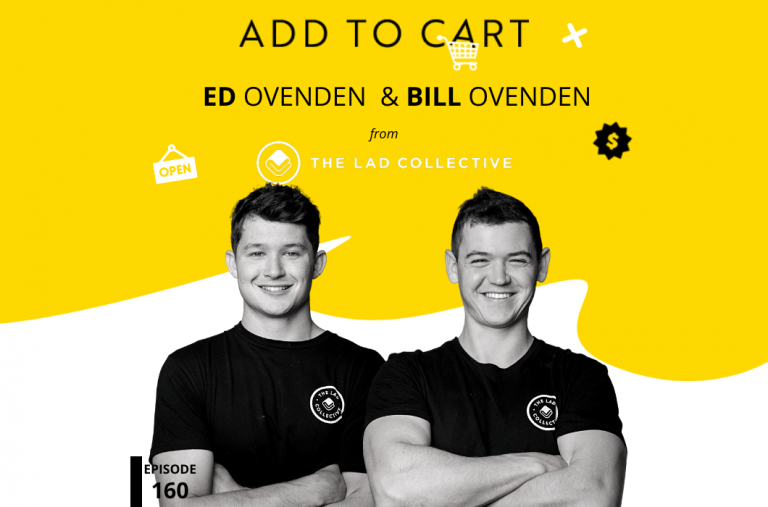
[Voiceover]: Today's checkout features brothers Bill and Ed Ovenden, who have established the bedroom brand the Lad Collective, founded in 2020. Ed and Bill have developed bedsheets that even bloody useless Australian males can use. Corner tags, magnetic clips, zip in pillow slips. It is totally idiot proof. But jokes aside, there's actually a serious side to their business which is just as fascinating. They've developed a version of the product which is registered with the ndis, the National Disability Insurance Scheme, which even has Braille sewn into the product.
Nathan Bush: All right, Ed and Bill, we have heard about how you are saving Australian
[Voiceover]: men in the bedroom.
Nathan Bush: We want to learn a little bit more about you guys. Now, five questions for you. Number one, what's the weirdest thing that you've ever bought online?
Bill Ovenden: I'll probably intervene. It was actually recently and it's like through dire circumstances, I lost my dog or I had to put my dog down. And it was really a funny question. Yeah, it's weird, it's quirky. Anyway, so obviously went ahead and did that. Very sad. But what I had to do was get my dog cremated. And basically there was a business that did all that for you, essentially was E commerce. You know, hooked this up, sort of made it really, really nice, like presented it really well in a box, got it delivered to my door.
Nathan Bush: And you got the dog cremated first?
Bill Ovenden: Cremated, yeah, yeah, Put.
Ed Ovenden: Yeah, the dog didn't rock up.
Nathan Bush: Did you have to send a dog there?
Bill Ovenden: Dog to ashes. Ashes to my doorstep. And it was like, it's so sad, but it was like, it was a really good experience, like. And it's weird, like, there's a few businesses out there that are focusing on that.
Nathan Bush: That is. That's up there.
Bill Ovenden: One of the best answers we've had. Yeah, yeah, yeah. It's weird, but did you see any
Nathan Bush: crazy dog urns as you were shopping around?
Bill Ovenden: No, I actually haven't transferred the ashes to a proper urn yet, but I'm still grieving, so just give me a bit of time.
Nathan Bush: I reckon if you go on up, go on upwork or fiverr, you'll find someone who'll do that for you.
Bill Ovenden: Yeah. Oh, bless. Anyway, recipes. Bruce, My beautiful dog.
Nathan Bush: Bruce, thank you for a great e commerce story. Bruce. Ed, what about you, mate?
Ed Ovenden: Yeah, probably the weirdest thing I bought was these sushi rolls. Seaweed sushi rolls. Paper. I've ordered that online and it arrived at my front door in, like, some weird little envelope. Yeah, I ordered it. I don't know why I ordered it online, but I did. It came with the sushi making kit.
Nathan Bush: Okay.
Ed Ovenden: It was interesting. I've actually got a good use out of it. I don't.
Nathan Bush: I think Bill wins that one.
Bill Ovenden: Yeah.
Ed Ovenden: How do you trump that?
Bill Ovenden: I know.
Nathan Bush: Should have got you to go first and Bill to follow up with that.
Bill Ovenden: It sounds like really, really sus. What are they really? Yeah.
Nathan Bush: Let's roll it. I'm like, Felicity, sushi rolls equals. You'll find Ed's phone number in the footer of the lad collector if you want to know the answer. All right, number two, who is your favorite retailer?
Ed Ovenden: Trademark.
[Voiceover]: Trademark.
Nathan Bush: That's a safe answer, though.
Ed Ovenden: Yeah, I love trademark. I get a lot of inspo from trademark and their content.
Nathan Bush: Good, good. I totally agree. But I don't want to give Ed any more publicity.
Bill Ovenden: Yeah.
Ed Ovenden: He's actually got a few shout outs.
Nathan Bush: What about you, Bill?
Bill Ovenden: Mine's probably manscaped.
Nathan Bush: Yeah. Nice. Yeah.
Bill Ovenden: Or get the fort, I think is the business that do so like the building blocks for kids who can just make forts in your lounge room. It was a Kickstarter campaign that just went viral and loved the product. Although very big and bulky.
Ed Ovenden: I'll change my answer quickly if that's allowed. Dr. Squatch, Ivory infection over in America. This soap company, like, male grooming company. It's hilarious. Their is like, incredible. So, yeah, that Dr.
Nathan Bush: Squash manscaped and what was the other one?
Ed Ovenden: Trademark.
Bill Ovenden: Get the fort.
Nathan Bush: Get the fort. Oh, no, ignore trademark. They've had enough.
Bill Ovenden: It's the magnetic pillow fort. And actually the design influenced our quilt set to some extent.
Nathan Bush: That's cool.
Bill Ovenden: Yeah. The forts, incredible.
Nathan Bush: Check them out. And we do love trademark number three. Which e commerce practice do you wish was history?
Ed Ovenden: I said in the podcast. But outsourcing customer service, I reckon customer service, it's crucial that it's in house so you maintain a personal touch.
[Voiceover]: And any particular channels for customer service?
Ed Ovenden: I think. Are we talking?
Bill Ovenden: Are we.
Ed Ovenden: My name dropping one that I think should be history?
Nathan Bush: No.
Bill Ovenden: What?
Nathan Bush: Oh, no. What do you really value? Like, what channels do you value in customer service?
Ed Ovenden: Oh, okay. Yeah. My contact number on the website, I think is important. I think Facebook messages. Very instant. I like that. Instagram DMS I think is a huge channel for customer service as well. And just standard. Standard email that comes through to my phone. So.
Bill Ovenden: Yeah. Nice.
Nathan Bush: Great. Bill, what about you? An e commerce practice that you Wish was history.
Bill Ovenden: Well, when we were talking about this before, I think it was going to be the other way around. I was going to say customer service and Ed was going to dive into metrics with Facebook focusing on roas and stuff like that. There's a lot of noise out there, sort of on LinkedIn, where you just get smashed by marketing agencies all the time talking about where businesses can really get to if they're focused on one or two key metrics and not holistically across the business, which is what we do really well now we get a firm understanding of our cogs, to our operating expenses, to our net profit and making more informed decisions. Less on the first hand metrics, more about what the P and L sort of looks like. Ed, are you going to say something?
Nathan Bush: And it was great in the main episode where you gave us the overview on the methodology you're using around the daily net profit. So that opened my eyes to a lot too.
Bill Ovenden: Yeah, for sure. And I think revenue is also a vanity metric. So you could be generating enormous revenue and be less profitable than a business that is sort of focused on these key areas and making calculated decisions. That's it. Better marketing expenses and being more profitable.
Nathan Bush: I think it's like having massive biceps but no triceps, eh?
Ed Ovenden: Yeah.
Bill Ovenden: Or not doing skipping leg day.
Nathan Bush: Yeah, skipping leg day.
Bill Ovenden: That's a classic.
Ed Ovenden: Being top heavy.
Nathan Bush: Now, Bill, you can take that out on Ed on the jiu jitsu mat for stealing the answer to the question that you were meant to answer then.
Ed Ovenden: Sorry, I got a little confused then.
Bill Ovenden: Yeah, no, that's good.
Nathan Bush: All right, number four, guys, can you recommend a book or a podcast that our listeners should immediately get into?
Ed Ovenden: Yes, yes, I could definitely say Nathan Bush's podcast, but I do, I do love no limitations. It's a podcast, Bill. Who's that? Who's it by again? Greg.
[Voiceover]: Greg Savage.
Ed Ovenden: Is that Greg Robinson? Yeah. So no Limitations. It's a really. You literally. It's an episode where they talk to Australia's most successful business businessmen, but also people from across all industries and you just learn about, know how they grew up and what in their wisdom. I guess so. That's a really interesting one. It's the Blenheim Partners podcast. No Limitation.
Nathan Bush: Yeah, it's a bit more professional than this one.
Bill Ovenden: No, not as good on par. And as far as like a book goes, I'm reading Traction by Gino Wickman at the moment. It's really good. So news resolution for Ed and I this year is to work smarter and not harder work on the business more so than in the business. So you talk about Pareto's rule. 80% of outcomes come from 20% of causes or your inputs into the business. So basically, Gino just does a tremendous job at sort of describing the entrepreneurial operating system. It's a practical framework to allow you to look at your business holistically and find areas that you don't necessarily have to do yourself, that someone else can do it better than you. And I think that's really important to growing sustainably and breaking through ceilings, I think, because you're always going to hit them.
Nathan Bush: Is it hard when you've developed and we've had this conversation a couple of times with some founders recently. Is it hard when you guys have established the business and put yourselves out there as founders, as the face of the business to do that, move away?
Bill Ovenden: Yeah, that's a really good question. And the areas that I'm more talking about is behind the scenes, warehousing fulfillment. Although we do a lot of our content does come from the, you know, the last mile stuff, our fulfillment, to loading onto auspost trucks and sending it away. I think, I think, yeah, I think it's just less labor, more work on the business, like on developing it and then still maintaining our physical presence sort of on the. With the outbound stuff. But yeah, I think, I think subbing in people that help out just with the fulfillment is the biggest thing Ed said with customer service, you know, nurture one or two people, get them sort of familiar with the North Star and the ethos of the business and, you know, literally just get them involved with it and. And doing it that way is a better approach to just generating customer service tickets and having one someone offshore to help out.
Nathan Bush: Brilliant. All right, last question. I've got for you guys. Finish this sentence. The future of retail is frictionless user
Ed Ovenden: journey from going through checkout. And I love that episode that you did with refunded.
Nathan Bush: Oh, yeah. With Brad.
Bill Ovenden: Yeah. Yeah.
Ed Ovenden: So I love that whole, like, just making everything as frictionless as possible. Like that the refunding and returns process is the most. The most friction out of anything. So, yeah, just the whole from. From the checkout to delivery and back and reversing it, you know, returns and refunds, it all needs to be frictionless. And I think that's the future of retail. I think you almost just. It's one click and it's at your door.
Nathan Bush: Yeah, absolutely. Because we're in the trenches every day with retail and E commerce and we think it's the center of everyone's world when it's really just an inconvenience, when it gets in the way.
Ed Ovenden: Yeah, exactly.
Bill Ovenden: It is.
Nathan Bush: It is.
Ed Ovenden: But, yeah, that's. That's my view on the future of retail.
Nathan Bush: Beautiful, Bill. The future of retail is.
Bill Ovenden: Yeah, well, I think broadly, Covid has sort of influenced new buying behaviors, you know, workforce models, channel mixes, you know, accelerate things five or ten years sort of ahead of time. And I think what that. What that's done to literally the landscape is that it's, you know, talking about physical locations, retail sort of brick and mortar stores, I think people are sort of less inclined to go the extra mile and shop outdoors more, are prone to sort of convenience. And I think consumer commerce is an interesting space. And what Ed and I have recently done is we've linked up with YouPay and it's a new sort of who on this podcast.
Nathan Bush: Yeah, we had Matt on ages ago now it feels like.
Bill Ovenden: Yeah, yeah. Well, Matt's just obviously launched with Culture Kings and he's doing really well in that space and the system's working, but what UPAY does is it allows you to, or the buyer to give someone else the ability to pay for your shopping cart. And what Matt did recently was he actually sent Ed a link to Culture Kings to allow Ed to buy a pair of Nike Airs or something, and then Matt paid for it on his behalf and the next day it rocked up. So it's like blew my mind because
Nathan Bush: he sent me the same message and this isn't catch for comment, but he sent it to me at Christmas and he was like, bushy, go follow this link. Buy whatever you want at Culture Kings and then it'll come to you.
[Voiceover]: But I just got busy and I forgot and you got Nike Airs.
Ed Ovenden: Big mistake.
Bill Ovenden: He pulled through.
Ed Ovenden: It wasn't just a tall tail, mate. I got a new set of shoes and usually I'm just in pluggers in my reef thongs, but I actually got the most flash set of shoes I've ever seen in my life. I was just testing. I didn't think it would actually sort of come through, but then they rocked up and I've got these big, clunky, blocky Airs.
Nathan Bush: And you've killed his marketing budget now because he thought everyone would go through and get a cap or a T shirt or something and you've just gone for Nike Airs. You've ruined. You pay forever.
Ed Ovenden: If we're going to be partnering together, if we're going to be one of his first merchants, I think you do. We're just Sort of seeing how legitimal is. Yeah, I think.
Nathan Bush: Oh no, another cease and desist is coming. This time from the podcast.
Bill Ovenden: No, I think. Yeah, well, who knows, who knows what's going to come from this. But I think you pay adds more context to what Ed was saying. As far as frictionless consumer experiences. I think breaking down those barriers to purchasing for us, our key avatars, the bloke. But they might not necessarily have enough to buy the sheets, so why not flick a link to your mum to buy it for your birthday sort of thing. It just makes. Makes logical sense. So yeah, from Valentine's Day, I think tentatively we're rolling that out, so. Can't wait.
Nathan Bush: Gents. It's been a weird and wacky checkout episode from Dog Ashes to Nike Airs, but we got there. Thank you for sharing. Thanks for joining me on the checkout.
Bill Ovenden: Awesome, mate. Thank you so much. Thanks. Pushy.
[Voiceover]: Seriously. One in four men aged 18 to 35 changes their bed sheets four times in a year. In Ed's words, get your sheet together. Disgusting. Here are my top three takeaways from our chat. Number one, the power of personalized pr. Ed and Bill sent personalized, like really personalized loom messages to hundreds of journalists who fit their vibe. And it paid off. They were featured in national media across the Project Sunrise, Triple M and the Sydney Morning Herald. Not a bad way to launch a brand unless you have no product. Which leads to number two, be a close talker with early customers. With the pre order pressure being real, Ed and Bill hand delivered the first product drop to customers in their local area. Not only did this establish them as having great customer service, it allowed them to meet their customers face to face for the first time and and actually realize a new market that they hadn't thought about. Mums buying sheets for their sons. Brilliant. Number three, measuring daily net profit. Things started to change for Ed and Bill when they took the advice of Jay Wright and started measuring daily net profit. That is how much money they were making every day in sales once marketing spend and operational costs were factored in. No more waiting for monthly or quarterly reports for decisions. They could be responsive immediately. Now, if you liked what you heard or you're a mum who is genuinely concerned for your son's welfare, make sure you sign up for the Add to Cart newsletter where you'll find a $20 off coupon to spend at the Ladd Collective. Do it today. These men are at real risk. Thanks for listening and until next time,
Nathan Bush: keep adding to cart.