Most of us have a segment sitting in our email platform that we’ve quietly given up on. The customers who haven’t opened anything in months. Every so often, usually around the time the Klaviyo bill lands, someone suggests deleting them and moving on. Clean up the list, cut the cost, keep the numbers looking healthy.
We want to make the case that deleting that segment is one of the more expensive things you can do, and that the customers you’ve written off might be sitting on your best-performing flow.
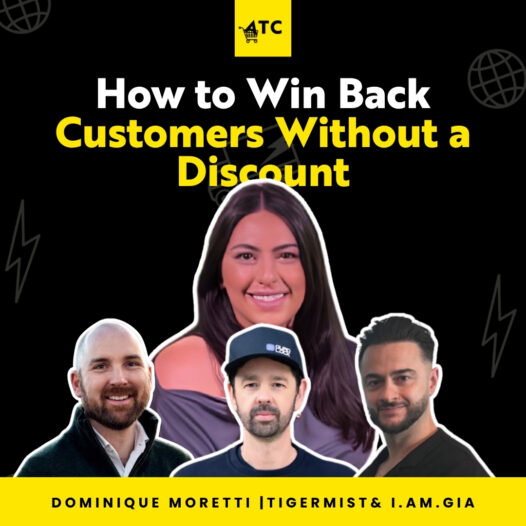
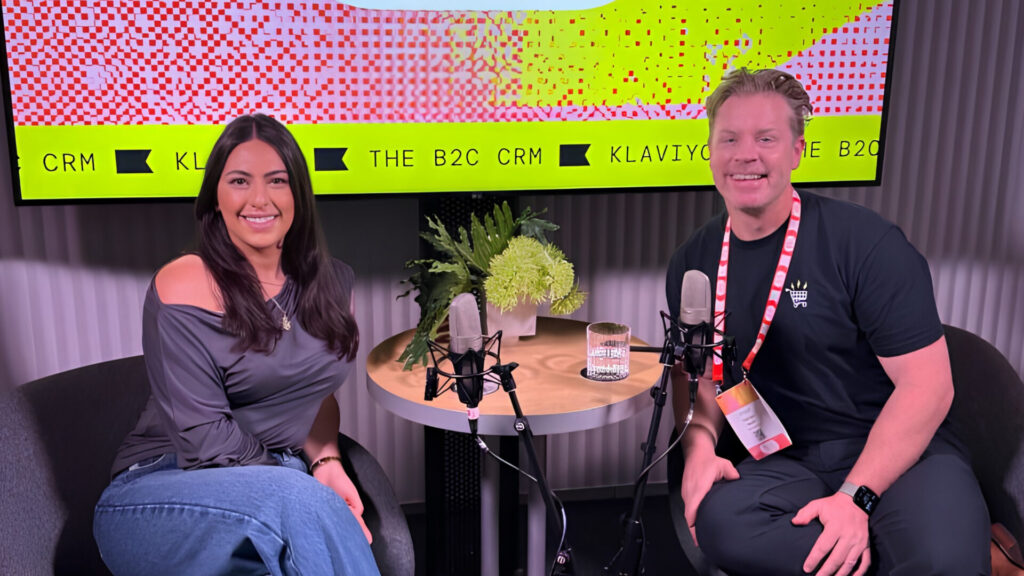
The idea came out of a conversation with Dom Moretti, Head of Ecommerce and Digital at A&S Labels, the home of Tiger Mist and I.AM.GIA. I.AM.GIA now does around 90% of its revenue in the US, all run by a small team out of Melbourne, and Dom is one of the best CRM operators we know. One number she shared at Klaviyo’s Sydney event caught us off guard.
Lesson One: Your Disengaged List Is a Segment to Talk To, Not a Cost to Delete
Before you prune inactive profiles to save on the platform bill, build them a flow of their own. Decide what lapsed means for your buying cycle, ninety days with no opens or clicks is a sensible starting line, then send those customers one email that does nothing more than show them what’s new and what’s hot.
The instinct when the bill climbs is to cut those people loose, and it’s worth resisting, because someone you’ve stopped emailing isn’t the same as someone who’s stopped caring. Ed Hallen, co-founder and chief product officer at Klaviyo, made the point well.
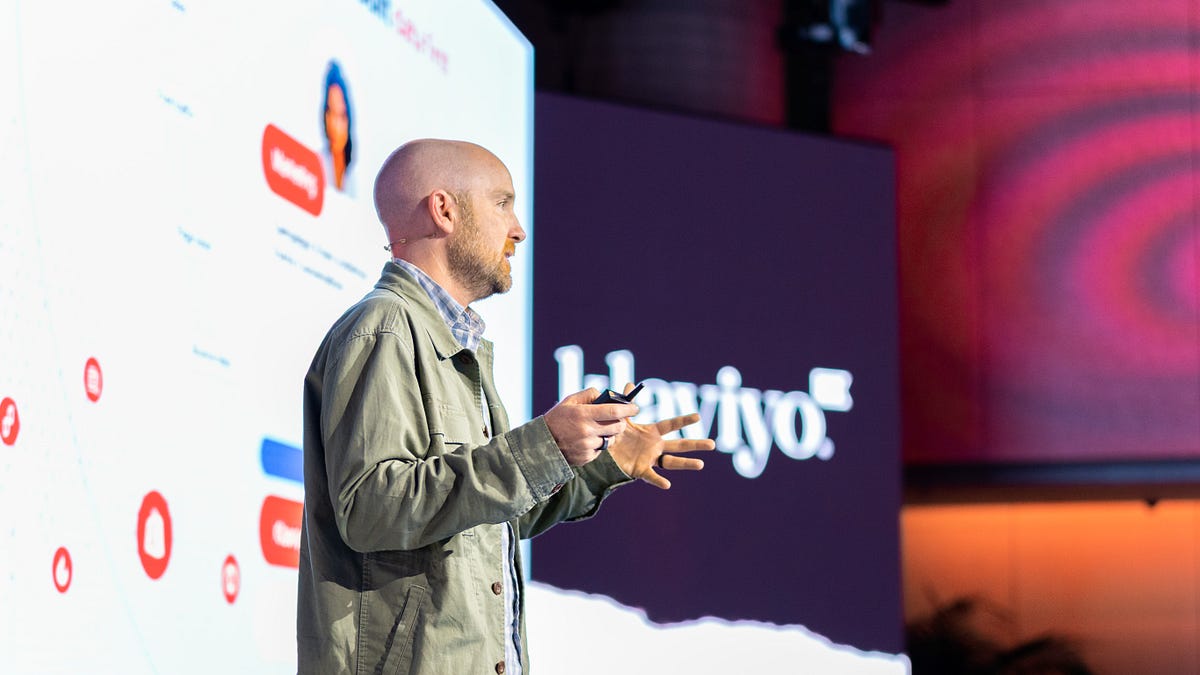
Just because you’re not sending to them doesn’t mean they’re not interested. You’ve just got to find the right ways to activate that value
- Ed Hallen, Co-founder and Chief Product Officer, Klaviyo
For a brand with product people actually want, that simple reminder can beat the flow you spend the most time polishing. If you don’t have a re-engagement flow live, that’s the one to build this week. Ninety-day non-openers, one email, what’s new, no discount.
Lesson Two: Reaching for a Discount to Win Someone Back Costs You Twice
The coupon is tempting because it works straight away. You send it, revenue comes in, everyone feels good. The problem is you’ve paid for that order twice. You’ve given up the margin on the sale, and you’ve taught that customer that going quiet is how they earn a discount next time. Do that often enough and you build a base that only opens when there’s money on the table.
Rob Ward, co-founder of the phone-mount brand Quad Lock, put the training problem about as bluntly as anyone has on the show.

Every time you’re doing it, you’re training the customer cheap. Only buy when we’re cheap. Come back when we’re cheap. Wait till we’re cheap.
- Rob Ward, Co-founder, Quad Lock
Picture a customer who had her eye on a jacket that sold out. You don’t need 20% off to bring her back, you need to tell her it’s back in stock. If your contribution margin on that jacket is already tight, a win-back discount can turn a profitable reactivation into a loss. So before you attach a code, ask whether a product-led trigger, back in stock, price drop, or simply what’s new, would do the same job for nothing.
Lesson Three: A Win-Back Flow Only Works if the Rest of Your List Isn’t Already Burnt Out
A re-engagement flow assumes you’ve still got customers worth re-engaging. Blast the whole database every day with no thought to who’s actually reading, and you manufacture the disengaged segment you’ll later scramble to win back. The fix isn’t endless segmentation, it’s watching your frequency and protecting the engaged base you already have.
On frequency, Dan Ferguson, then chief marketing officer at Adore Beauty, said it best: it’s not how many emails you can send, it’s how helpful or how irritating they are. Fifty helpful, fine. Fifty irritating and you’ve lost them by number seven. But the number that really makes the case came from Justin Bausch at the activewear brand Ryderwear, who actually ran the test.
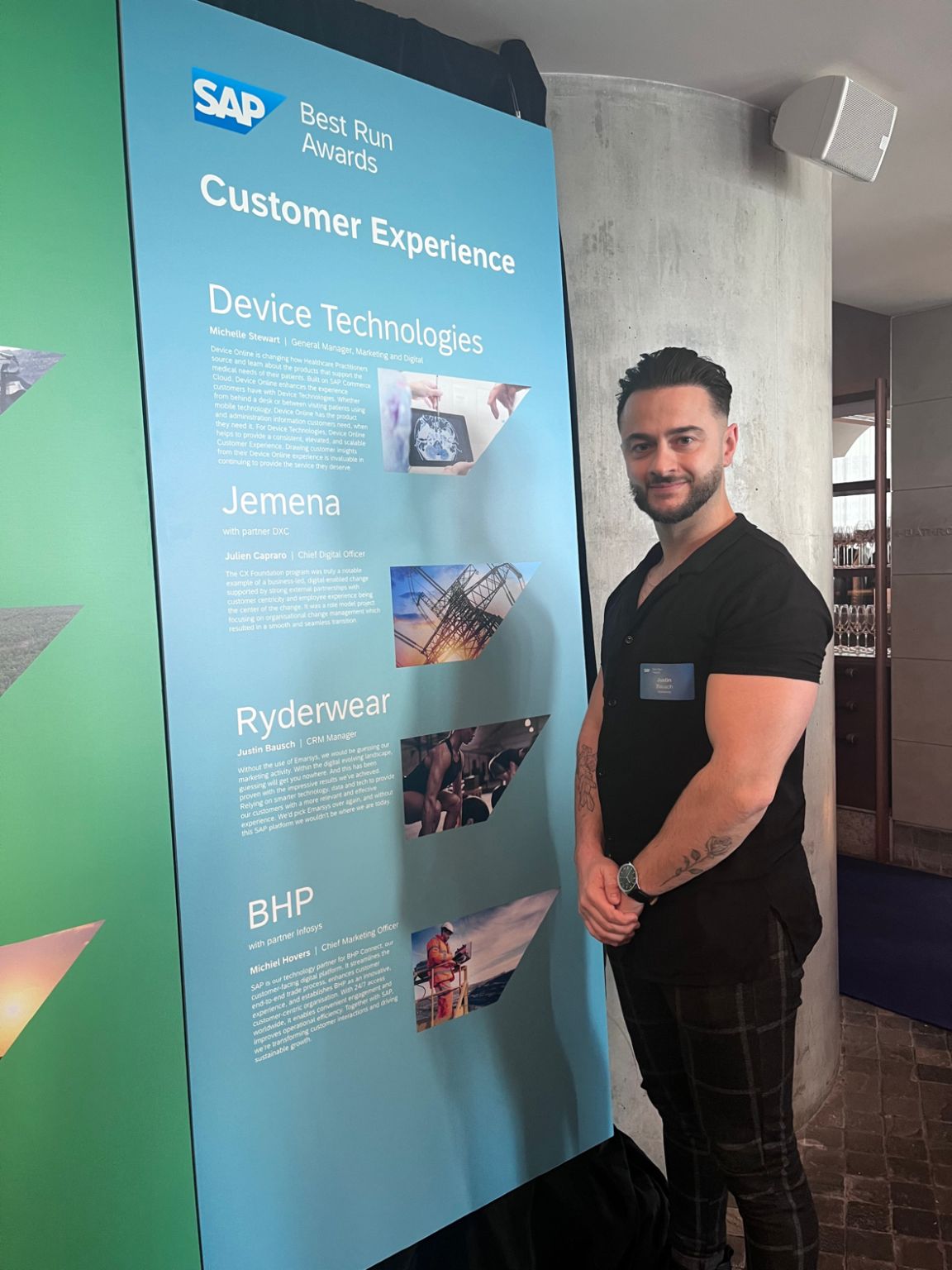
It might look like you’re making more money, but if you run it across fifty different campaigns, all those unsubscribes that you’ve just collected has just removed a chunk of your revenue.
- Justin Bausch, Ryderwear
He compared sending to an engaged segment against the broad list, across forty or fifty campaigns. The broad list won on raw revenue, but it generated far more unsubscribes, and once he put a dollar value on each subscriber, the smaller, more engaged send came out in front. Most brands never put unsubscribes into the revenue number at all. So put a dollar figure on a subscriber, fold unsubscribes into your campaign P&L, and reach for segmentation when you’ve got a real reason, a wishlist, a back-in-stock, a promo, not for its own sake.
The Takeaway
The customer who’s gone quiet usually hasn’t gone anywhere. She’s just busy, and she’s waiting to be reminded why she liked you in the first place. A discount isn’t the reminder. The product is. So before you delete that segment or reach for a code, build the flow that just shows people what they missed, and put a real dollar value on the subscribers you’d otherwise burn through.
Frequently Asked Questions
What is a re-engagement or win-back email flow? It’s an automated sequence that targets customers who have gone quiet, typically defined as no email opens or clicks in a set window like ninety days. Rather than offering a discount, an effective version simply reminds them what’s new and what’s popular. At Tiger Mist, this plain re-engagement flow became the best-performing flow in one region, beating even the welcome flow.
Should you delete inactive email subscribers to lower your platform bill? Not without first trying to re-engage them. Someone you’ve stopped emailing isn’t the same as someone who’s stopped caring, and a simple win-back flow can reactivate them at close to 100% margin. Deleting the segment removes any chance of that, so build the flow before you prune to cut costs.
Why are win-back discounts a problem? Because you pay for the order twice. You give up margin on the sale, and you train customers that going quiet is how they earn a discount, which builds a base that only buys on promotion. For lapsed customers, a product-led trigger like a back-in-stock or price-drop alert often reactivates them without touching margin.
How does email frequency affect unsubscribes and revenue? Sending more can lift raw revenue while quietly destroying long-term value through unsubscribes. When Ryderwear tested a broad list against a smaller engaged segment across dozens of campaigns, the broad list won on revenue but generated far more unsubscribes, and once each subscriber was assigned a dollar value, the engaged send came out ahead. Folding unsubscribes into your campaign P&L reveals the real cost.
Based on an episode of the Add To Cart podcast with Dominique Moretti, Head of Ecommerce and Digital at A&S Labels (Tiger Mist and I.AM.GIA). Join the Add To Cart community for free.
In this Playbook we cover three things ecommerce operators can take into their business:
- Your disengaged list is a segment to talk to, not a cost to delete
- Reaching for a discount to win someone back costs you twice
- A win-back flow only works if the rest of your list isn’t already burnt out
Join Us!
Come behind the scenes with Add To Cart Community: Join our crew of e-commerce operators chasing growth, sharing wins, and staying sharp with deep dives, live events and no-BS inspiration.