Heather Earl: Definitely the mistakes that we've made in the past is having Ferraris that we drive like Hondas. The goal has and always will be to replicate the experience that our store staff provide in store online. We have 122 stores in Australia, three in New Zealand, with more opening this year. Supplements are that sort of thing that you don't realize you're out of it until you're out of it. So we do have a store near you. Welcome to add to cart, Australia's leading e commerce podcast that Express delivers all you need to know in the fast moving world of online retail. Here's your host, Bushy.
[Voiceover]: Hey, it's Nathan Bush or Bushy joining you from the land of the terrible people here in Brisbane, Australia.
Nathan Bush: It seems like everyone at the moment is in a bit of a tiz around what's going to happen with search. Where is it all going to land? Will Google retain it? But will it look totally different? Is it all going to come through chat, GPTs and LLMs or will acquisition look totally different than anything that we're seeing today? Who knows? But today's guest is not dying wondering. She is getting on the front foot of it and she's already trained up her Shopify store so that in one fell swoop has already seen a 300% increase in traffic coming from LLMs such as ChatGPT, Perplexity, Claude and Gemini. It's an incredible result and she gives us the insight on how she did it and it's actually not that difficult, but there's a great tip in there around challenging the GPTs themselves. Joining me today is the amazing Heather Earl who is the head of EE Commerce and CX at Nutrition Warehouse. She's got a massive job on her hands. Nutrition Warehouse now has over 120 stores around Australia and New Zealand, nine home brands each of which have their own online presence and selling through Australia and New Zealand. Heather herself is an amazing leader in the space, having picked up not once but twice top 50 people in E Commerce Awards today. Heather takes us well and truly behind the scenes and gives us the lowdown on how they're recreating their loyalty program, how they're on a mission to be the first company in Australia to get to 100 installations of Shopify, POS and what they did to turn around their product pages and increase conversion rates from their PDPs by 48%. There is so much practicality from one of the best retailers and one of the best thinkers about retail here with Heather. I can't wait to get into it with you. Thank you to our partners, Shopify and Klaviyo for supporting Add to Cart. Here's my conversation with Heather Earl, head of E Commerce and CX at Nutrition Warehouse. Heather, welcome to Add to Cart.
Heather Earl: Hi. So excited to be here.
Nathan Bush: Awesome to have you with us today. We've been talking about doing this for a little while. Always seen you on stage at. Whether it's retail first or online retail. I'm like, we've got to have Heather on Add to Cart at some point. But it was a recent newsletter that I sent. It was actually after online retailer and I was like, I'm just like, it was a great event. It's always a great event. Always, like, see it as one of the pinnacle events in E commerce. But I was just a little bit around, like, the urgency around AI and the changing landscape, and I was like, I don't think retailers are really taking it seriously. And then you came back to me straight away, which was awesome. And you were like, hold on, did you see my talk? And, you know, all the things that we're changing in response to that? You felt like there was a sense of urgency around the changing landscape?
Heather Earl: I really do. Yeah, I do. And I think that, yeah, not just my talk, but I felt like a couple of the ones I sat in and I was like, I feel like some people are starting to really take this seriously and starting to implement some really cool stuff. So, yeah, I felt like we really needed to talk about some of that.
Nathan Bush: Love it. I love it. So we're going to dive into that today. But first, I want to hear the Heather story. So tell us around, Heather, how you ended up in the role that you did leading E Commerce for Nutrition Warehouse.
Heather Earl: Yeah. Cool. I've been with Nutrition Warehouse group for almost four years now with a quick maternity leave break for 11 months in 2020. 2023. What year are we? Yeah.
Nathan Bush: And by the way, just dropping in a maternity leave between top 50 people in e commerce in 23 and top 50 people in e commerce at 25 and just having a baby in the middle.
Heather Earl: Yeah, I mean, I think coming back from maternity leave, that transition back the second time around was one of the hardest transitions that I've done and being able to come back into an industry that is evolving rapidly at this phase. And I think that for me, coming back at that time, it was really like, you have to hit the ground running. There was a lot that we had not done in a year, and I was starting to see other brands really overtake us and Doing really cool stuff and going, I don't want to get left behind. So we put together a really ambitious roadmap and started getting on top of things that we'd wanted to do two, three years ago, really right away because the tech had caught up. So it gave us the opportunity to start doing some of these things and really get stuck in. I think I came back with a real renewed passion for the rapidness of E commerce where everyone's going. I felt like the industry's never been closer as a community as well, which I think plays a really key role in how everyone's developing themselves as e commerce leaders, but also as the brands are developing. And I'm seeing it happen right before our eyes. There's so many events going on at the moment. There's group chats, there's whatsapps. Everyone's looking at what everyone else is doing and sharing ideas like never before. And I think that really helped with me coming back, transitioning back into the role, back into the industry and seeing how quickly we can move now and that everyone else is wanting to move at the same pace. It was really nice.
Nathan Bush: Yeah, I feel you. I think if we didn't have this post Covid, it feels like we had went through the post Covid thing. We had the COVID high, the COVID slump, and now with the all the changes in tech, especially around AI, it feels like there's a renewed energy. It's like, oh, we've been waiting for something to really shake this up and now it's here. And that's why I'm excited for our chat today because I know you've got big plans around this. When you came back and you said that you had a look around and you felt like you were falling behind. Nutrition Warehouse is a big omnichannel business. Right. So I think you got what, 120 stores, nine home brands, multiple sites. When you come back and feel like you're falling behind, who are you comparing yourself to?
Heather Earl: That's a really good question, actually. Not just, just people that sell supplements, looking at other brands, our size, multibrand retailers, all of them that are, you know, doing really neat things and seeing the way that new websites are getting launched and new techs getting implemented and others that are using similar tech partners to us are doing better things with them and evolving with them and with those tech partners, roadmaps more than we had in that times, I felt like 2022. So after that post Covid high coming back in, I thought that that was a really big turning point. For tech changes. That was when our migration to Shopify, that was when we did our Klaviyo migration, which was huge by the way, across all nine brands. Getting them all aligned and on the same tech was so important to us. For we have a really small team, we work really quickly having to do a lot and handle a lot. So being able to have more consolidated email and sites was yeah, really, really crucial for us. But yeah, 2022 was when I felt like everyone was what do we need to do? How do we do it? And then it was like everyone sort of rested on their laurels a little bit through 2023. 20 was starting to change. But this year has been the biggest, most rapid growth in a lot of brands. Not just in the tech that they're using, how they're using it, how they structure their teams. And I'm seeing a lot of that out in the industry. And that's especially what we're focusing on is how do we structure our teams to get the success that we want in cx, in online, in Omnichannel and what are the right tech partners? What do we need to be doing with our roadmap to be able to do that? And yeah, we've sat down as a business, we've got a really great leadership team who's given me quite a long leash to be able to look at a lot of things that I want to do, who's also really involved. Our COO likes to come to the industry events as well and be really involved and that's really nice, like to have that support as well.
Nathan Bush: Awesome. And so just before we dive into some of those things that you've implemented to accelerate that change and that growth, can you set the scene? You mentioned their nine brands. Are they nine home brands that each have their own site and identity?
Heather Earl: Yes, they are. So we have got other multi brand sites that we look after. But yeah, mostly they are our private labels. They all have a DTC site, mostly to support Nutrition Warehouse, mostly to support their brand identity, brand trust. But yes, they all need managing. They all have campaigns, they all have structures, product launches, you know, it's. It all needs managing.
Nathan Bush: Yeah, yeah, yeah. And are you selling into anywhere other than Australia? Are you going into New Zealand as well?
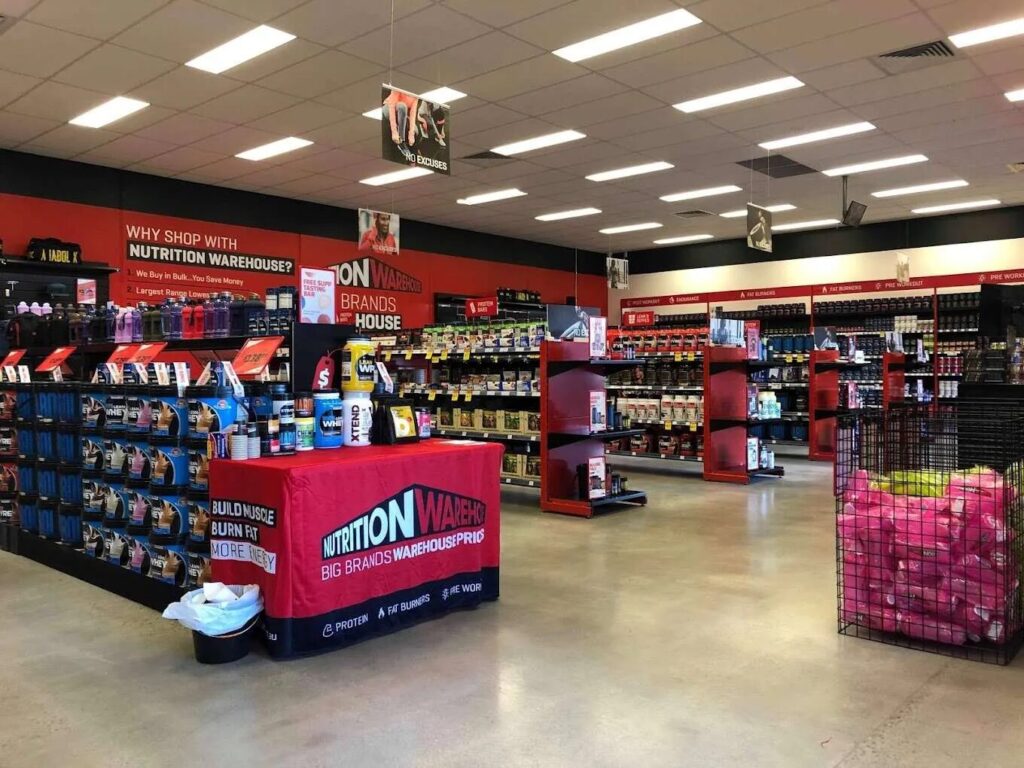
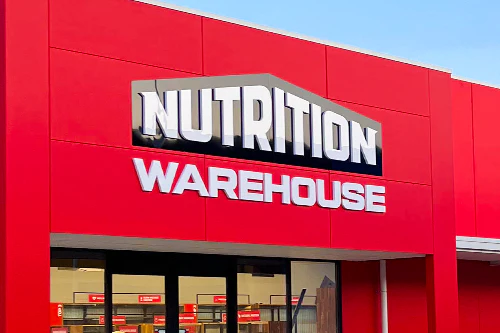
Heather Earl: Yes, into New Zealand as well. So the first time our home brands hit New Zealand shores was when we launched there in September last year. We launched our website as well as our first store in Manukau in Auckland. It's a huge store. It's like nothing New Zealand's ever had in the supplement space. And our founder and CEO, that's always been his goal is to have the biggest and best ranges and feel like when you walk into that store and you really do, every single one of our nutrition Warehouse stores, you walk into them and you get that real sense that, oh, this is a whole world that I could be a part of. And it's more than just somewhere to go buy subs. But you feel our culture, our values, our culture is everything. And so feeling that the minute that you walk into the store and it's every store you go into, it's the same feeling.
Nathan Bush: I feel you've done a good job in replicating that online as well. In terms of you said that you migrated over to Shopify, but it doesn't feel like a Shopify templated store. How did you come up with that design and that flow? Because you've got such a huge product range and it can be a complicated product. What was the thinking process around discovery online?
Heather Earl: The goal has and always will be to replicate the experience that our store staff provide in store online. And being able to get that not just from a product experience point of view, product knowledge point of view, but the feel. And it's not finished. It's always evolving. There's a lot on our roadmap to help solidify that feeling. I mean. I mean, the Shopify pause migration is a huge part of that. That's going to give us that one source of truth for inventory, customer data, loyalty, promotions. It really is our true omnichannel ownership and being able to have that helps unlock those new levels of what we can achieve, to really come back to that goal of having that same experience no matter where you are, no matter what. Touch point With Nutrition Warehouse, you feel a part of our community. You feel like you're one of us and you feel like you want to be in it. Obviously, like, our customers are cyclical. You know, they're buying our products when they're in their training journey. But if they slip off the journey, if they hop off that bandwagon and stop going to the gym or start working out or, you know, stop prioritizing their health, they stop being customers. So, like, the biggest thing that you're going to see, like, out of our roadmap is going to be how are we planning on keeping customers going? How do we keep them wanting to be, and this is our whole tagline now, is to be built for life. Not just, you know, built for a certain session or a certain gig. They're training for Whether that's a marathon, hi, rocks, whatever it is like, obviously we want to help them on that journey, but how do we get them built for life? You know, you've got your tired moms, your tired dads that need the energy to keep going just in the day. But yeah, supplements have gone far beyond just protein or mass gainers or your creatines. There's so much more now that we have to make sure that our store footprint is really there for and also our online footprint that when you're shopping online, you feel like you're in the journey that you can easily find what you're looking for. Navigation will always be the key to online shopping and having a seamless navigation that feels like you're shopping a store and that you can browse but still find what you're looking for with the advice that you need to be able to make that purchase decision is the whole goal for us. And I don't think it'll ever stop being the goal.
Nathan Bush: When you designed that Shopify shop front for the first time, and I'm sure it's evolved since then, was there anything that you did that you looked in store first and went, our customers have this experience or our teams do this in store. That's something very specific that we want to replicate online.
Heather Earl: Absolutely. Pieces of the advice, the way that they structure when they talk about the nutritional panel or when they talk about like we've, we've switched from having short descriptions to bullet points, simple things like that that you know as how. How our store staff would talk about our products and how they'd recommend them, which brands we have partnerships with that need features here and here and here. That's definitely helped shape part of the website. But yeah, like you said, it's gone through a million iterations and it won't stop doing that. It's. It won't look like a standard Shopify store because it's really not. There's so much customization. We have a really incredible in house dev team who are just as hungry as me to really build great website with a great experience and when. Yeah, it's not stopping.
Nathan Bush: So are you building on your own custom theme at the moment?
Heather Earl: Yes.
Nathan Bush: Yeah. Beautiful. Okay. And that's managed in house?
Heather Earl: Yes, it is.
Nathan Bush: Okay, great. Is there any fear from you around? Obviously Horizon's come out and it's got all the AI built into it. Is there any fear around that customization could handcuff you?
Heather Earl: Not yet. No, not yet. I was lucky enough to get to go to one of the editions rollouts and got to see Horizons in its full depth and see everything else that Shopify had been doing that I wasn't aware of right away, which is really great. I don't know how I slept on Knowledge Base for so long, but we'll get back to that, I'm sure. But yeah, Knowledge Base and being able to, yeah, fully build out your site, you know, ready for LLM, like that was. Yeah, so many people slept on that.
Nathan Bush: And Knowledge Base, while we're here, for those who might not know about it, yeah, sure.
Heather Earl: Shopify Knowledge Base. So I don't know when it first got launched, but I didn't find out till the latest editions roll out that we still hadn't done it to completion. It was still just feeding off the current site FAQs, but essentially it helps build out some of the JSON ld with basically telling our site exactly how customers or how LLMs need to shop like a customer. So going, this is a product, this is a review. This is what we want to tell you about our returns policy. This is what we want to tell you about everything else that we're doing, how you can sh with us, what we want to show you, what the policies are, anything else that could be a barrier to entry, anything that could feed the LLM searches. So building out the Knowledge Base. And again, we had to do it for nine sites, but doing it for all of these and then using the LLMs to help feed what the knowledge base needed to have in it to be able to tell them exactly what they wanted to see from it, what our customers are looking for. So doing the AI set it up
Nathan Bush: and then you tested it in the
Heather Earl: LLMs to go, hey, yeah, not just that, but also when you know, if you were building our Shopify knowledge base, what would you want to find in there? What are our customers looking for so that I know what I can put in there? And I mean, it seems really simple, like looking at it after the fact, but when we were doing it, it's like, well, we may as well ask the robot what it wants.
Nathan Bush: Yeah. And when you're asking the LLMs, what are you mainly focusing on? Are you mainly focusing chatgpt Claude Perplexity?
Heather Earl: Yeah, mostly those ones. Yeah. So those are the main ones. Also Gemini, just checking in because, I mean, there's still a lot of people that are using Gemini, people that are on an Android phone now. Gemini's built in. My Samsung has got Gemini as like a, you know, an automatic feature now. So I think making sure that we're checking in with all of them and then also asking them, what do you think your other LLM friends want to see? And they each build off each other, which has been really good. That's actually been quite insightful, so very cool. Really helpful.
Nathan Bush: I don't think, like you're alone in sleeping on that at all on the Knowledge Base, because when I was in
Heather Earl: the room, there was no one doing it. None of the other brands that were there, we were all sitting there looking at each other like, why aren't we doing this?
Nathan Bush: Yeah, Shopify only really made noise about it with that Horizons edition.
Heather Earl: Yeah, they really did. And. And yeah, now that it's built out, we can definitely see the impact.
Nathan Bush: That's cool. Are you getting much traffic now from your LLMs?
Heather Earl: Oh, yeah, absolutely. We've had a huge increase in our traffic and LLMs. We had about a. It was over 300% surge in ChatGPT traffic in the last six months.
Nathan Bush: Wow.
Heather Earl: Since Knowledge Base has been doing it, we're seeing gradually every week we can see it. But yeah, finding out exactly what our customers are looking for, being able to use the LLMs to find that out. I mean, it's quite a simple way of doing it, finding out exactly that. The majority of the searches that lead to conversion on our site are finishing in near me. So they're going, I'm looking for this product or help me with this journey I'm looking for, or I'm trying to get into running, I'm going to need this or what do I need and how do I get this near me? And they all seem to finish in a bit of a near Me. And I mean, why wouldn't we be leaning into that? We have 122 stores in Australia, three in New Zealand, with more opening this year and we're not slowing down in the store space. So we do have a store near you. One of our founders goals is to be within 20 kilometres of every Australian. Right. We want to be where our customers are and I mean that feels old school retail to a lot of people, but to us, I think that visibility of the store near the gym, that they've got to get out of the house to go to the gym, it makes a lot of sense and it works for us and it builds that community, it builds that values, it keeps, you know, our customers feeling a part of something as well. But having that near me at the end of our search made me go, gosh, customers are wanting to shop a store online. So we reworked our collections pages to be Able to filtered by a store. So you write from a collection level, you can shop the store near you. You can go, hey, I'm in Melbourne City today. If I wanted to go to the Melbourne City store and I knew I was going to click and collect because I don't have time to go to the store, browse, have a chat with my store staff, my local legend in store that day, it's really being able to go online, filter the collection by Melbourne City, only see the products that are available there. We still do msl. So all our stores have fairly different stock based on what their customers are looking for in that region. And we give that power to our store managers. Both a blessing and a curse, I guess. But from a tech point of view. Curse, but from, you know, a customer point of view. Great. So for us, having our collection pages be able to be filtered by stores so that you can shop the Click and Collect part of your journey far earlier on. A lot of people with Click and Collect have that intention as they're on site at a very early point. So having Click and collect happen at checkout, which is what we did have early last year, where the earliest point where you could select Click and collect is at checkout and then it goes. Actually that's not available at the store near you that you actually want to shop from. It's only available online. That really hinders people. So bringing that earlier in the journey at the collection point not only helped us to feel like we were replicating that store experience, but it took away a really big barrier to purchase, a huge drop off point, increased our bounce rates. Yeah, it helped a lot.
Nathan Bush: Giving every physical store their own online store by doing it that way. Right.
Heather Earl: We really are after those learnings coming back from the LLMs, like leaning more into that, featuring that more heavily. We're reworking our entire store locator, the store landing pages to help better suit that model.
Nathan Bush: Yeah. Okay. On the Traffic from the LLMs, are you finding that it's quality traffic down the bottom of the funnel or are you finding that it's more exploratory?
Heather Earl: Exploratory, yeah, exploratory. I think the AI shopping assistant space, which is something else that, you know, we are, you know, looking at and I feel like a lot of people are looking at it right now. There's a lot of different tech partners popping up in that space, being able to do the AI chat better or be able to do the AI shopping assistants in really clever ways. But customers are still not used to that part of the journey. So having it, whether it's in your search bar or if it's replacing your chat or if it's a pop up that comes up, whether it's on the PDP like a few of them are doing right now, we're exploring how our customers really want to see that. And I think that's also going to really change the way that customers feel like they're shopping a store online.
Nathan Bush: Yeah, I could imagine there's a huge opportunity for you around the technical ingredients and matching it to lifestyles and outcomes and goals for people.
Heather Earl: Yeah, definitely. And the way that they are exploratory inside the LLM, the ones that already have an idea of what they're looking for are the ones that are going to be utilizing more of the shopping assistant online. We feel like we really want to drive those customers to be doing that search on site rather than off site. Because off site they can then go all these competitors, whereas on site they're really going to be convinced that we're the ones that know what we're talking about. Our biggest challenge is always going to be the guardrails in our industry. So that's meeting TGA requirements. Also being really careful to not tell someone, hey, this is absolutely going to hit your goals. But you know, there's a lot of, you know, borderline health advice on a lot of the different supplements and making sure people know that they're making the right one, you know, choosing the right ones for them, making the right decisions around their goals, being able to support them on that journey. To be built for life is so vital to us that if we've got the guardrails up but can still replicate how our cut staff really hit that we have our six steps to wow, that's what we live and breathe and store and being able to meet those same sort of, you know, sales journey through the shopping assistant is going to be the challenge, I think.
Nathan Bush: Yeah, I totally agree with you. And I think that TGA piece is really important because you actually can't go out and go, great, you need this product because it does this. You have to like be a little bit. You have to be careful around the claims that you make. Yeah, there's also a piece in here and it struck me when you were talking about the near me searches, like that's an old way of searching. Like that's a Google way of searching. Right. But customers are still using it even in LLMs.
Heather Earl: Absolutely.
Nathan Bush: We've got to be really careful that we don't go full bore ahead in Terms of what we know these are capable of and you know, designing them for queries, especially if they're on site, that customers just aren't ready to put their queries in that way. Because sometimes the hardest piece for a customer is knowing what question to ask.
Heather Earl: Absolutely. I think knowing exactly how to get to the point where they're asking the right questions to be able to meet their, you know, their health and fitness goals. A lot of them are looking to just be healthier and getting the right supplements that aren't just like, here's a mass gainer so that you can go. And that's not right for a runner that's just getting into running. So I think the personalization is going to really be a key point of that and how we can be using AI for personalization in really clever ways. And there are some great tech partners. We are meeting with a lot of our current vendors and tech partners to align ourselves on their roadmaps. And I mean I kind of talked about this a little at online retailer and the fact that you can do probation periods with tech partners, you can try things, you don't have to be married to it forever. And making sure that you're just clever when you're doing your contract work, that you're building that space and to be able to try things and see if it's right for you. Test things on dev stores. Do it like there's no reason to put something on your life site and feel like we're stuck with this now. I think we're in such a space where everyone's trying to catch up in a tech world in what the offerings are, how they overlap with other offerings that you may have on site already. Being able to make sure that you're not cannibalizing those different pieces so that it almost clutters the journey that you've got. I think for us like right now, like a really big focus in that is going, okay, how can we test this piece without it affecting that? And everyone's trying to consolidate their tech into one platform and we're trying to separate out the pieces that make a lot of sense.
Nathan Bush: Do you have a similar tech stack across all of your brands?
Heather Earl: We would like to. We are that. That's the goal.
Nathan Bush: Yeah. Okay, so can you experiment on some of your lesser known brands or your.
Heather Earl: We definitely do. Yeah, we definitely do. But they do have different structures, different customers and different products. I mean Nutrition warehouse has over 9,700 SKUs. So it's really different to testing something on a private Label site where there's 25. So yeah, really different.
Nathan Bush: And I love the point that you made there before around jumping on the roadmap of some of your trusted partners because it can be overwhelming at the moment when there's so many options out there and everyone's got a new AI solution. There's a lot of point solutions that are coming out which are low cost, easy to add in, but can add complexity pretty quickly. Is your preference always to jump on the trusted partners and if so, what are you most excited about that you're seeing come down roadmaps at the moment?
Heather Earl: Yeah. Cool. I'm really lucky to be on the advisory board for a Kendo and I was lucky enough to go to their off site and be able to see what's coming in a really high level for the roadmap. There's some great things with reviews and how you use reviews and how we consolidate that. I mean it's customer data, it's right there. It helps us with our data led decision making that is a big part of our journey right now. Being able to turn insights into growth. Yeah building it into our csat. The insights that go back into our UX decision making. So yeah, things that they're working on that I'm really excited about.
Nathan Bush: Any major changes to reviews because they haven't changed in what, 20 years? Right. The way we write reviews, is it more about the what we do with the data and the insights from them or is it how customers leave reviews?
Heather Earl: I think we've done a lot of work to our customer journey to make sure that people we're asking for reviews and incentivizing reviews at the right point. I think we've done a great job of that already. But as for how we use the review data, I mean how many of us are getting insane amounts of customer data being able to have, you know, with NPS as well and going okay, what do I do with this now who's looking at it? Are people really making the most of that information? So yeah, I'd say about six to eight months ago now we started to really look at. Okay, with that data, what can we do with it? What do we need to be doing? How are we going to make decisions around what we're doing based on that data? Really heavily and it has really changed our thinking in team as well as. I mean I could talk about this. We are kicking off with Humi soon post. Yeah. We're in the middle of our point of sale migration to Shopify and then that unlocks a few other things that we'll be launching. Once those are launched, we're going to kick off with Humi because I think they've built an incredible tool to be able to use real customers to give. I mean Mystery Shopping online like genius. Why had no one thought of that before? Amazing. So being able to use that information from those real customers onto how successful, where those friction points are, what we could have done better with those launches or if there are other things or other gaps that maybe we haven't seen, customers will always break your website better than you can.
Nathan Bush: Yeah. How are you? Because as the owners of that data within your team, whether that be reviews data direct from customers or humi data from Mystery Shopping your sites, I can imagine there's lots of teams in your organization that could have ideas or insights that come out of that. How are you sharing the right information at the right time to other teams, whether that be your in store team, whether that be your marketing teams to make sure that it gets out there.
Heather Earl: I think everyone thinks that we have a much bigger team than we do. But no, we have a really close leadership team. We work really closely with our retail leaders as well and we have an incredible group of area performance coaches that feed back store information and being able to share that information with each other, especially in your post peak periods, checking in with them, going what worked, what didn't, what can we do better? What's the feedback from the store staff who are actually serving the customers? Where were the friction points? Where were the overwhelm? And being able to use that alongside the customer data is a huge part of our BFCM plan this year.
Nathan Bush: Awesome. Okay,
[Voiceover]: there's the age old question. What is the acceptable lifespan on a pair of undies? Well, luckily for step one they no longer have to guess. In fact, they will probably be able to spot a pair of old undies before their customers can. Klaviyo has helped step one, a $70 million ASX listed business, understand and action their customer data with more personalized recommendations based on the individual targeted discounting to avoid margin erosion and even help them monitor the growth in international customers to know the right time to expand. Last year alone step one attributed 53% Klaviyo year on year growth with an ROI of 65 times. I mean if you get those results while in comfy undies, you're really winning
Nathan Bush: the game of life.
[Voiceover]: To explore how Klaviyo can grow your e commerce business and see more case studies like this, visit klaviyo.com.
Nathan Bush: I'm really Keen to explore with you around what you were talking about with the Built for Life around, identifying your customers at the right moments in their right goals. I can imagine how tricky that is because you're not like a teen brand in terms of you sell fashion just for a certain demographic. Anyone can shop at Nutrition Warehouse, right? And you said it before, we might have runners, we might have busy mums. So you have so many different customers that could be busy mums to runners, to gym junkies. And then it's up to you to determine what group they fall into. How do you first determine who someone is and what kind of cohort they might fall into and then track their behavior throughout that journey?
Heather Earl: Yeah, that's a great question. We do have multiple customer archetypes and it's always been one of our greatest challenges. Our marketing team have done a great job of doing a lot of market research a few years ago before we did our full store refurbishments, which is being rolled out and not just into how they shop but who they are. Building that personalization really early in the journey is going to be a key part of the new loyalty program incentivizing around customer profiling. When you asked before about what are some exciting things from tech partners and their roadmaps that we're working really closely on? One of the biggest things that we're working on is full personalization and recommendations based on the customer profiling that happens in a loyalty it can happen in a single visit and that sort of speed in the segmentation of which customers see what, get what are targeted, when and how is one of the most exciting things happening in any commerce. To me, being able to bring that into a single site visit so that you can join the loyalty program. Free to join, no barrier to entry. Join the loyalty program, fill out your customer profile immediately, get some points under your belt, and then have a look into just a single one of our categories and be immediately targeted with the personalization, the merchandising or search andising of how that looks for you based on how you've already done your customer profile, then your recommendation bars or you might also likes fit what you've just told us about yourself. So yeah, I mean there's a lot still to come in that space. I feel like we've done an okay job of being able to utilize it from, you know, customer surveys, post purchase surveys and NPS data and then being able to filter that into their next purchase personalization. But again, it's still still quite rudimentary. But what's coming in this space is going to be very game changing and I'm really excited to be one of the brands on the forefront of how we're working with our tech partner on. Yeah, getting this, getting this new rollout. The personalization is vital for our customers because like we said, we can't have a runner getting mass gainers and we can't have someone bulking get a fat burner. Like it just doesn't make sense. Yeah.
Nathan Bush: Do you try and segment or cohort people into bodybuilders, runners, whatever it is, or do you prefer to kind of try and allow the tools to give a one on one personalized recommendation for them?
Heather Earl: Yeah, we work with constructor for our search and merch. So we are already doing some search and dizing. So if a customer is searching for a mass gainer, we're going to show them aligned products. So we are already working a little bit in that space. But as for. Yeah, we aren't segmenting our customers and putting them in a box because people's goals change, especially someone that's training for comp. They go through their bulky season, they go through their shred seasons and then they come back out into their, you know, their rest seasons. And you know, that cycle is completely different products for that journey. So a customer could have have four purchases over a year, one every season. That's completely different.
Nathan Bush: Yeah, yeah. And given that it is a repeat purchase for a lot of people. Like I got frustrated this morning because I forgot that my protein was out and I was like, because I always had my same smoothie every morning with scuba protein. I was like, oh no, it's bottom of the bag. And it's that habit thing, isn't it? It's like. So I could see that you would have some great data on customers in habits and when they might be dropping off those habits. Are you able to identify churn points really quickly?
Heather Earl: Yes, yes. First question, did you order your protein this morning and get it same day delivered and have it within two hours?
Nathan Bush: I did not.
Heather Earl: No. Because you could have. Same day stops is right there, right there for the taking. So that's the whole reason why we did same day salts.
Nathan Bush: Yeah.
Heather Earl: Because we had customers that would be in our minds. They're going to be in the office, they've got to the office, they want to go to the gym in the afternoon. I haven't got their pre workout and they're like, there's a lot of people who just won't be able to train without that caffeine hit. Right.
Nathan Bush: It's a mental thing too.
Heather Earl: There's no point me going without it, I need it. So yeah, there's definitely that and sitting in the office. So being able to just order, get it delivered to the office within two hours was a no brainer for us. It was just such a missed opportunity that no one in our industry was doing so. Supplements are that sort of thing that you don't realize you're out of it until you're out of it. You don't think, oh my God, I need to stock up until it's gone or until you get the SMS. One of our many SMSs telling you hey this is on sale or maybe stock up or you haven't purchased in this time. So yeah, the Churn points are something that we really take into consideration in our flows. We work really closely with our Klaviyo reps so that we can make sure that we are hitting those points and really optimizing on those.
Nathan Bush: Yeah, awesome. I want to hear more about that the Same Day subs because it's such a good initiative. So what are the rules around it? So two hours delivery. I'm assuming that you've got to order before a certain part of the day and have to be in a certain radius to the store.
Heather Earl: I'm going to give you the little backstory about Same Day starts. We were at retail first. I was with my CEO and say, well it was just after I were just completing our Shopify Migration 2022 and I met Greg from Render and I was like this guy's a legend and he was talking about his delivery. And then I sort of turned to Grant our CEO and was like, wouldn't it be cool if we did Same day's ups? He went back and trademarked it that day. We just had that as a bit of a goal in the back of our minds that we need to be able to make sure that we have the right tech to be able to do that now. We'd already started with our click and click journey the minute that we got on Shopify. So we were already quite far down a timeline and through, you know, this project. But Same Day stopps just wasn't going to be possible so we had to go through a massive migration of our Click and Collect. When you've got a store network like ours, the change management of that is really big and especially in how they process it every day, how they can do it really quickly in store without it causing friction to the customer experience of the person coming in right in front of them and you know Being able to pick those orders without it feeling like it impacts, you know, the journey in store.
Nathan Bush: So you're almost turning them into a fast food restaurant, are you?
Heather Earl: Yeah, there's a little bit of that. So you know, we already have 30% of our online orders are click and collect. That's a big bulk. So we have really busy store staff picking those click and collect. So making sure that we can make it easier for them as well as a better experience for the customer overall was really vital and balancing act because a lot of times the tech that's great for the customer isn't the best one for the in store staff. And we have over 300 staff members, our local legends, as we call them, and they are incredible at what they do when they have the customer in front of them. But being able to process these, I don't want them to feel, you know, flustered. I don't want them to feel like busy work. I want them to see that that customer of that click and click is just important as the one in front of you. And how can we serve that just as easily and just as seamlessly? And then when we started with Same Day saps, which became possible after our migration to browse in August last year, oh my gosh, it hasn't even been that long, August last year. So we did that migration to browse. The browse team were incredible and the work that we did together on knowing what our end goal was and then having them build to have that same day delivery experience. The work that we wanted to do with render, which feels nice, it's full circle, we got there in the end. To be able to do that work with render was the most important part of the migration. And so every piece of the puzzle was really built with that goal in mind of being able to it be a really simple experience not just for customers but for the store staff as well. So yeah, so Same Day UPS has actually been a really fun, long project and a bit of a passion project of mine for sure.
Nathan Bush: Is there anything that you've learned with the Same Day subs for maybe other brands who are considering shortening their timeframes that has helped that you've kind of realized as you've gone through it in terms of change management and helping the team service this customer better? Anything that you've changed or any like light bulb moments?
Heather Earl: Yeah, I would say so. I mean we offer it at all of our stores, which probably isn't an necessity for a lot of brands. We do have some stores that are lucky to get like one or two click and collect orders or maybe one same day stops order a week. But then we've got others like our city stores which are just busy. Like that's a huge part of their day to day now they have a huge uptake. So I think you don't need to launch it everywhere, I would say. And we tried to do everywhere all at once which is just yeah, very. My personality is everywhere all at once. And I think no customer left behind was kind of the idea in my mind. But I think you don't need to do that. I don't think you have to go as hard or as fast. Making sure that you work really closely with who your partners are on it and getting them to know exactly the experience that you want at the end while you're building. Because it's easier to build it than it is to fix it. Especially when you've got change management for store stuff.
Nathan Bush: Yes.
Heather Earl: Yeah.
Nathan Bush: And is there a premium delivery cost for customers for same day subs?
Heather Earl: No, we have a flat rate for same day stops which is amazing. And we've done that based on the radius that we chose and look for the type of products that we have delivery from our warehouse because we deliver everything from our Gold coast warehouse otherwise was so expensive. It was a huge cost to the business. And when looking at our operational efficiencies, shipping was the no brainer to go. What do we need to fix and how do we do it? And we still have a lot that we're rolling out in the meantime with Browse and with Render to be able to support us on the ship from Store Journey. So you know, there's a few stores that are trialing it, some that are doing it in different ways to others. There's a lot coming in the ship from store store from, you know, from Australia Post and from other providers. But Last Mile is changing rapidly in Australia. People expect the Amazon experience. So how do we provide it? And with our store network it was. Well, we actually can for the majority of our products.
Nathan Bush: You know, 80% competitive advantage against Amazon.
Heather Earl: Exactly. Yeah. 80% of sales come from 20% of products. The best sellers are there and they are high and they are always going to be those similar products, products and being able to offer those from, you know, our entire store network in two hours is. Yeah, it's a no brainer for us to just really lean into that a little bit more. So if a customer's selecting standard shipping on site, but they live within a 7K radius of 1 of our stores that stock that product, we're sending it from that store and they'll have it next day. That's something that we can offer now and that's really wonderful. And while we're only. We're learning from our mistakes and only doing it at a few stores at a time, so we have a gradual rollout plan this time, much to everyone's delight. It makes it a lot easier for us to really test how when in the timings, the costs and fill it back through all of the different channels to make sure that we're all right from, you know, the point that the order's placed, that that's. That's the end goal in mind.
Nathan Bush: Yeah. Awesome. Keen to touch on Browse and Shopify Pause from an in store experience. We've had Leon from Browse in the early days of Add to Card. He's a great guy and I love what they're doing there. I've actually worked with a couple of clients with Browse as well, so it's a great product. Obviously there's a little bit of an overlap with Shopify Pause. How are you planning on bringing those two together?
Heather Earl: So we as of yesterday have 51 stores onto Shopify Pause, which is amazing. The migration's happening really quickly. We're in a bit of a race to be the first to 100 in Australia on Shopify.
Nathan Bush: We'll be the first.
Heather Earl: We will be the first to 100 in Australia. Yes. That's. Yeah, that's the goal right now.
Nathan Bush: Cool.
Heather Earl: So, yeah, so we are being really ambitious with trying to do it really quickly. Getting hardware has been probably the biggest challenge. Getting them all set up, ready for the stores and then getting them out to the entire store network as well as the training piece has been really challenging. We've partnered with Mate Retail on some of the processes, which has been really great. The team there has been incredible on helping. Now that we've brought them on board, we have built a lot of custom tiles in house. Dev team, as I mentioned. Incredible, incredible insight into exactly how our customers and how our store staff like to use things. And so building those custom tiles for things like staff purchases. Yeah, big one and then specific group discounts. We have PT programs and things like that that we run in store and having them work really seamlessly right from point of sale. A lot of the discounting and bundling is really great. But yeah, the click and collect piece, yeah, there is some overlap. The Browse clientelling app is really great. At the moment we're still using the Shopify online orders tile. And customizing that a little bit to make it really easy for the urgency and prioritization. I'm working with Lee right now on a bit of a countdown timer for how that would have been sitting there waiting so that the store staff can see which ones they've got to get out the fastest. Which will be really cool to be able to have for staff to be able to very quickly glance at it, go, right, I need to pick that one. If they've got a really busy store that day and they can only free themselves for a couple of minutes to get onto them, then at least they're still meeting those KPIs.
Nathan Bush: Yeah, that's awesome.
[Voiceover]: Shopify is committed to keeping their merchants
Nathan Bush: at the cutting edge of innovation. And the features released in their Summer
[Voiceover]: 25 edition are no different as they give brands the tools that they need to work smarter today and thrive in the future.
Nathan Bush: For example, Shopify's AI tool Sidekick just got a lot smarter.
[Voiceover]: It's able to synthesize data data from multiple sources simultaneously. Moving beyond basic Q and A to
Nathan Bush: solve complex business challenges, they've also made
[Voiceover]: scaling globally even easier.
Nathan Bush: With Shopify payments, you can now manage various business entities and settle up in multiple currencies from a single store.
[Voiceover]: And for instore, POS has been redesigned making the day to day experience for
Nathan Bush: retail staff easier with improved search, intuitive navigation and a more flexible card.
[Voiceover]: Check out over 150 features that have
Nathan Bush: been released by searching Shopify Summer 2025 Edition with the Shopify Pause. Great that you're partnering with Aaron and the team at Make Retail. One of the things that Aaron was talking about that he's been surprised in is that yes, the hardest part for them often is pulling out the old boxes of computer hardware and replacing them with what is essentially a tablet. But the thing he's been most surprised in is that the team in store are often training themselves because it's not like old poses where you actually have to take them through a whole training process because it's a little bit more intuitive because it's touch screens, it's like easy to use. Are you finding that with your team?
Heather Earl: Yeah, really intuitive. The team that's been doing the rollouts has fed back the data that the younger staff members really just pick it up and go because I mean, it's a tablet and essentially an iPhone. And the way that they use it makes a lot of sense to them and is really easy. The buttons are clear, the process is clear and it's fast.
Nathan Bush: Yeah.
Heather Earl: Which is the biggest piece of feedback that we're getting, I would say from a lot of our legacy staff members. I think the challenge has been that it is too fast and it's almost like the decision gets made before they feel like they've put in all the things or asked all the questions that they feel is going to get the best result. So it's really about like restructuring that six steps to our that we talk about to be able to make a lot of sense with the new hardware as well.
Nathan Bush: I can imagine too, the ability for your team to have those handheld devices walking around store and showing customers different products would be key to how you operate.
Heather Earl: It really is. And I mean some ideas came and we're just like messaging about them last night around this that if a staff member is then out and about and they are, you know, got the device in their hand and they're walking around the shelves and discussing someone's goals, if they're not armed with the answer to exactly what the customer's asking or a process on how to do something for that customer. Being able to build, you know, a specific nutrition warehouse GPT into our Internet so that they've got that on the device or into pause somehow so that they can ask those questions and get those answers right away is something that we're going to start looking at as well. Just to be able to make it really quick. Obviously, like our staff members are just as used to GPTs now as we are. That's how they like to search. They like to get the answers really quickly. They don't have to wait, they don't have to research, they just want to ask it and get an answer. So being able to do that really generative and like conversational QA while they've got the customer right next them and get the answer that the customer really needs. But using all of our, you know, we've got a lot of industry insights, we have some incredible product knowledge within our support office team. So being able to feed that into it so that they can get that information direct to the customer, but alongside like staff information is going to be really different to what then we do with the AI Shopping assistant. Because AI Shopping Assistant isn't going to be built as a tool for store staff to be able to help the customer in front of them, but it's really for customer facing. So I think they're going to be a little bit different. Yeah, I think that'll be, that'll be a neat way for us to really take advantage of the hand.
Nathan Bush: That's exciting. That's cool when you have it as an information source, not just an order taking device.
Heather Earl: Yeah. As a business, retail is so huge for us. So I think we keep coming back to it. But like being able to support our store staff when they are supporting our customers, they support our community more than anybody else. They're there, they're living, they're breathing our values and having them come right across to that, you know, again coming back to we just want to feel like this community that when you step in a store you feel a part of something. So being able to have that really seamless discussion when you're in like front facing with those customers and with, you know, with our team members. Yeah, I think that's going to be, that's going to be incredible to be able to do.
Nathan Bush: Very cool. I'm keen to just explore a little bit around how you get trust and authority in your space. Because where my head's at is you are this massive retailer, you Stock so many SKUs, you have your own products as well and you're up against other brands who might be smaller but very much more niche. And then so if you're a warehouse type model, so say a Bunnings or a Harehouse and I've kind of put you in the same category. How do you get customers who are really passionate about you and what you do when you compare it to kind of the founder led D2C brands.
Heather Earl: Yeah. Like I love this question so much. We put a lot of energy into that and it was something that really drew me to Nutrition Warehouse was the energy, time and effort that they put into understanding every single one of their products that are on site, understanding every product on shelf and everything that we develop in house. All of our private labels being able to not just develop a product that they see a need for, but making sure that it is quality, it is trusted, it is certified and then getting the store staff. We have our annual leadership conference internally. We had it two weeks ago and we just descend on a hotel on the Gold Coast. All of our store leaders, our APCs, our support office leaders and yeah, Grant comes in, we get the values going, everyone's pumped and everyone leaves. Fired up and believing in the products that are coming. Everyone's on board for not only I get to share our ecom roadmap, the things that are coming digitally and our project roadmaps, but our private label brand manager and our head of npd, they go through everything that's coming, everything that we're developing, why they get to taste test that they get to take it home, they get to be a part of that journey as well. And we have such an incredible knowledge based team that lead our private labels. So yeah, Perrin, he is incredible and, and he works really closely with our NPD and they develop products that are, yeah, they're very, very high quality and we believe in them and our staff believe in them and that really filters to the customer knowing that they're getting expert advice. Our store staff, and then we try to link that back online all the time is how knowledgeable we are about those products. So we are the experts on these products, on these ingredients and being able to answer any questions as to why you would need that, what that can do for you, how it interacts with the other supplements you be taking. A lot of our store staff are, you know, they are experts in what they do. They are PTs. They've lived and breathed this lifestyle for so long. They are nutritionists or they're studying and they have this background knowledge that helps feed their excitement and they live and breathe this in such a way that they understand the products and they learn. We have great training modules from our MPD through our intranet that we take out all of our store staff through. I love watching them because I feel like I'm still learning about this industry quite heavily. I've learned so much, but it's just so rapidly evolving in the ingredients and the compounds and what you can be doing and what you can make into a product and what you can't. I think that that's always going to be such a nimming as fast as Ecom's evolving. So are our product groups and what we offer and being able to lean in with our suppliers, learn about their products, learn about what they're doing, why they're making that and who it's for and being able to relay that to all of our store staff. Our staff have really great relationships with our suppliers and it really like top down, like our leadership have that relationship and build it really closely and lean in. We love the products that are on our shelves, we love the products that are online and we taste test them in house. We, you know, talk about them. They are a part of our core values.
Nathan Bush: Yeah, so it's almost the best of both worlds there because you've got this amazing buying power and relationships with suppliers that you can curate the best products as soon as they come off the line and that they're available. But you've also got your own private label brands where you can develop exactly what your customers want.
Heather Earl: Yeah, not just what they want, but also what our staff want, because our staff are our customers. We hire our customers. And you get a lot of passion when you do that.
Nathan Bush: Yeah, I love it. All right, Heather, I know that your neck, your roadmap must be full. You, you seem to be the type not to waste a day. Tell us what's on your roadmap for the next 12 months. Where are your priorities?
Heather Earl: Yeah, priorities are finishing off this POS migration and making sure that we take. Take full advantage of everything that that unlocks for us. So, yeah, making sure that we take full advantage of it. Any piece of tech that we implement, we want to make sure that we're using it to its full capacity. And I think that's one of our biggest learnings. It's definitely the mistakes that we've made in the past is having Ferraris that we drive like Hondas and not taking full advantage of every single feature of some really great pieces of tech that have been in our arsenal in the past. And so now we won't bring it on unless we feel like the entire team has buy in on that piece of tech. Everybody understands exactly what their part to play is. We have team members sitting around and discussing the pieces of tech that we have and what we're using, what we're not using, how we could be using it better. Is there something that could replace this piece of it? That's conversations that we love to have. I mean, progress is our pre workout at Nutritional House. It is. We feed off it. It's great. And it definitely helps us as a team to all be as hungry as each other and having these really great conversations around what's coming and how we can make the most of it. Our roadmap really stems from point of sale as almost the heart of it. It's been something that we've waited on for a long time to be able to get, like I said before, like that real omnichannel source of truth for inventory. Specifically, we have our loyalty program waiting in the wings. It's sitting there, it's ready to go. As soon as we've got point of sale finished rollout, that's going to be the next big piece that hits for us. Us, the NW Active Rewards. I'm really excited about it. It's definitely the one that I'm the most passionate about. I think that it brings back the part that we have focused on for so long, which is the community aspect of it. If I look back as to what's always made Nutrition Warehouse successful, it is not just the size of our stores and the feeling of our stores, it is the community of it and how we stay competitive and how we stay keeping customers on that cycle of that journey to be in the purchase cycle, to be built for life, is by supporting every single part of their journey. And our new NW Active Rewards program is designed to completely do that. So rewarding our customers not just for shopping, because getting them to shop is a key point as well, but getting them to shop again, we're going to be rewarding them for being active.
Nathan Bush: That's awesome.
Heather Earl: Yeah, I'm really excited. So yeah, we're really putting the active back into my active rewards and it's very, very exciting to be able to offer these incredible new integrations, to be able to reward them for that, reward them for staying on the journey, reward them for hitting their goals, for coming to events, for participating in events, whether that's, you know, Hyrox or you're running or you know, CrossFit games or comp. So being able to reward them for hitting their goals and reward them for staying on track.
Nathan Bush: Yeah, it's almost like we're part of your goals. And how do we help you hit your goals?
Heather Earl: Well, the thing is we are part of their goals. Like we wouldn't be here if people didn't have goals. And so being able to support those goals in the best way that we can, not just with information and education's a huge part of what we do. Our blogs, our EDM strategy, a huge part of that is the education. And we've been really lucky that we've always lent on that. So when the LLMs came and it was LLM, how do you you get found? We were quite lucky that we already had a lot of that at our disposal to be able to go straight into, lean into and leverage again in this new age. Putting that back as a focus for our loyalty program has been a challenge because most loyalty programs are either there for conversion or community. And being able to build them together is going to take a lot of time and a lot of effort and a lot of buy in from every single one of our team members. But the feedback we got from our latest conference of our NW leadership was everyone is really excited. They all think we're on the right track. We're excited to see what customers think and yeah, get that rolled out. So that's going to be the next big piece. But there are so many little pieces of the projects that are the ones that are going to have the biggest impact. Yes, you will yes, loyalty will change the way that we do our campaigns, predictive campaigns and predictive promotions. Being able to use a lot more AI based learnings and data driven decision making around promotions and campaigns as well. Loyalty would give us back that. But, but yeah, definitely the upskilling in AI in every single part of our tech. Obviously when I'm talking AI here, I'm talking more the generative, like the machine based learning has been what we've led to, what we've really lent on actually for a lot of the tech partners that we've chosen in the past are the ones that were already machine based learning and that was how they were built. If they weren't doing the heavy lifting. Exactly. But if they weren't built on that and now they're scrambling to get into this generative AI space, I can see a lot more of a struggle, a lot more of a longer timeline than the ones that were already sort of doing that. We were lucky to make a few shifts early on that I say luck, but a lot of, you know, contemplation, decision making, meetings, phone calls, discovery went into that. To be able to scope out exactly what we thought we would need in the future and having that capability to now be able to go right, we can upskill, we can add onto this, we can leverage these really great tools that we already have in new ways. Being able to be a part of the advisory boards and see what's coming next for the constructors and the attendants has been a bit of a game changer for me personally to be able to help make some of the decisions and bring that information back to the team, get their feedback, work as a group and go, what are we actually going to make the most of? Will our customers actually use? That has been something we've said about a hundred times in the last two weeks with a lot of the things that are coming out right now. And just going back to talking about the AI shopping assistant piece, which we've wanted for a little while. I mean, I feel in a way that we're going really far back to Mr. Clippy from Microsoft, re leveraging him with our mascot, Mr. Sippy. So Mr. Sippy, it's going to be a bit of a. Ask Mr. Sippy anything. We're really excited. He's going to be featured in a really big way in a lot of our marketing moving forward. He's never gone anywhere. He's always been everyone's favorite person to see at an expo.
Nathan Bush: Mr. Sippy, look out. Yeah, get in the Mr. Sippy costume are you going to be dragged into that?
Heather Earl: Look, I may or may not have already been in the costume, but yeah, Mississippi goes Ballarat. If you see Mississippi doing pirouettes, you'll know who's in the costume. But yeah, there's quite a few things that are sitting in the roadmap from a CRO perspective as well. A lot of shifts in there. So we're going to be working with the Shopify professional services to get some insights on the changes that we've made. I mean, it's been almost 12 months since our last big PDP redesign. Obviously we're still doing lots of little structures, the AI shopping assistant pieces feeding onto the pdp, making sure that they're in the right places for how customers use them. A lot of things are still coming out in a desktop, desktop model. When you get them from, you know, from your tech partners, they're like, here's how it looks. And we're like, but on mobile, they all stack. And PDPs are so vital. Every little part of a PDP needs to be tested and made sure. It's been our biggest success and our biggest failure is PDP placements in the past. About 12 months ago, we did a big deep dive into our PDP's and had a look at not just our PDP but our full journey analysis where we're using Content Square to really look at those big drop off points, big areas of opportunity, grab those insights and then work as a group to have a look at each little piece of the piece puzzle, test them, build it out, redo the UI based on real customer data that tells us exactly how our personal customers, not our competitors customers, not other people in the market that are winning awards on their customer journey? No, no, our customers, how they like to shop, where they want that information. You know, bringing it all the way back to how our stores talk about our products, how they sell a product and then how we build that into the PDP has been super successful for us.
Nathan Bush: Were there any surprising outcomes on that PDP change like that? You found out through that testing that you're like, oh, I would never have gu that our customers want that.
Heather Earl: Oh my gosh, absolutely. Look, I thought that shopping by brand would have been the most important thing in our industry. It is not. It just doesn't seem to be so having. And I mean a lot of multiband retailers, you'll see that there's a brand logo and you can head back to that brand and shop other things from that brand quite high up on a pdp. Our Customers don't really do that. That was not getting any clicks, that wasn't getting any hit. That was just not worthwhile for us. It's down the page now. Trust factor place placements. Yeah, the changes that we made in those were quite a massive opportunity for us. We saw in the zoning analysis tools that we found that where our trust factors sat on the page, they don't need to be as high up, they can move around, sticky add to cart. Why didn't we think of that sooner? Like that was something that, you know, 12 months ago when we implemented that the, I mean our PDP redesign resulted in a 48% lifting conversion rights from PDP. Huge, huge, huge. And you, you know, it took a lot of effort and a really talented group of people in house to be able to, you know, care a lot and move things around and spend a lot of time analyzing how customers shot those pages. And PDPs are vital. And if you're not nailing your PDP then you're not nailing the journey because customers spend more hocker time on a PDP than they do a collection page in our industry for sure.
Nathan Bush: Yeah, yeah, yeah, yeah. Well that's great tips. Thank you so much. One thing that I want to pick your brain on before we let you go, Heather, we talked a lot about you advising and following the roadmaps of some of your bigger tech partners. Partners. But what I also love about you is that you aren't afraid to take a shot with emerging tech as well. I saw that you posted that you are one of the first retailers who partnered with Mateship, which I think is really cool. Can you just give our listeners just a 2 second version of what Mateship does and why you're excited about that?
Heather Earl: Yeah, sure. So yeah, that actually I was sitting having a wine with Carla from profitpake when when I caught up with Jackson from Mate makes it and there are no reasons not to do it, they just aren't. Those guys are doing incredible work getting out to the community and really looking at how customers need to be served at a last mile. And it's actually a no brainer for a customer to be in a building and then get a notification that someone else in your building's had this and you can order from them today and get free shipping and why wouldn't it just. It really is a nice product prompt is an extra digital channel that didn't exist before Mateship and a new way to be able to reach customers that we may not have or ones that hadn't thought about that they needed to reorder their protein, Nathan because they were running out. And then you get that prompt going, hey, someone in your building has ordered this. You probably need to stock up too. Seeing what they're ordering and makeship, so it's an app where you can see what people in your building are ordering and what's trending and almost like an extra little nudge at hey, you should probably get some creatine too because everybody should be taking it.
Nathan Bush: So yeah, I'm really interested to see where it goes because I could. My mind's just spinning in terms of people like you to kind of go, all right, cool. Well, if I can identify other people who are taking sups then surely there might be other runners in the building who that if I want to go for a run at night, maybe I can actually make a couple of friends to go for a run together.
Heather Earl: Yeah. Or they're ordering something you've been hesitant to try and you see it and you're just like, okay, well at least someone in my building's getting that. If it's someone I know, I can ask them about it. But yeah, I think it's just again, it's community marketing in a really new way and it's really clever way to use tech. And I was. Yeah. When I sat down with him. They are so passionate, those guys. They've got some really great ideas, some that I really can't talk about that. We are excited to kick off. We've been bouncing ideas between each other for a couple of weeks now. Jackson and I, about a few things that we want to partner on and I think that, yeah, it's a really exciting one to try. I think you wouldn't be working in e commerce if you didn't love trial and error.
Nathan Bush: That's right.
Heather Earl: You are at the forefront of an industry at all times in e commerce. And I mean I come from more of a marketing background and I niche down into E commerce because I love the fast paced progression. I love being able to try things and be in an industry where not only are we working together closer than ever, but also we're all trying new things. We're at the forefront and it's exciting.
Nathan Bush: Well, I think you are doing such a marvelous job at staying at the forefront and leading a business forward. Especially from an omnichannel perspective where there are often a thousand excuses of why you can't do things. It seems like you're knocking down a lot of those barriers and bringing everyone on the journey with you. But you're also such an amazing partner in the ecosystem of Australian E commerce in that you give everyone credit, you help everyone build their ideas and you celebrate when it goes well. So I think you should be really proud of that and you play a really critical role. So thank you for joining us today, Heather.
Heather Earl: Thanks, Nath. I feel like the community's really benefited from you as well. And I mean, like, I think you've done such an incredible job of bringing the E commerce community closer and sharing the learnings and sharing the wins and also sharing the downfalls and helping each other learn from each other's mistakes. And I mean, like you, I just want everyone to win and, you know, and it feels really good having everyone, you know, wanting to do better in E commerce because it drives all of us to do better.
Nathan Bush: Does indeed. Thanks for joining us on Haptic Art.
Heather Earl: Thanks so much for having me.
Nathan Bush: How good is Heather? Like, there was no thought there of holding back and keeping some secrets. She was willing to share everything because at the end of the day it all comes down to execution. And you can tell that Heather and her team are executors. They are putting everything into action and staying ahead of the game. I may have stitched her up slightly though, because I told her that I wouldn't tell anyone about her previous career as a ballerina and I kind of snuck it in there with Mississippi. But there is, is sorry, so many practical tips and big thinking in there. But I took away three things that I want to share with you that you can take away and implement your business. Number one, that Shopify Knowledge Base, are you across it? Have you trained it up? Heather actually gave us a playbook there for how to use this. So if you haven't already, go in to the Shopify knowledge base and train it up on how to find all the information that it's after. But Heather added that extra piece of gold here. Don't just stop when you think you've done it there. Go into each of the GPTs and challenge them. Go, what would you like to know? And then update that knowledge base for what is fed back from those GPTs. That part of the step is brilliant and is the thing that will take you to the next level, hopefully achieve the 300 increase that Heather and her team achieved. Number two, product pages. Have you to reacted visited them anytime lately? If not, it's time to get testing. We heard the incredible result that Heather and the team got 48% in increased conversion rates. I mean, who doesn't want that? But it won't come from just settling on the themes that are there right now. You need to create a product page that's relevant for your customers and for your product. That might mean shuffling things around, might mean adding new features, might mean changing how products are shown. Heather and the team used Content Square as her way to get insights and to test what's on her product page. Make sure you are using a tool and you're getting constant insights and updating that page because that can often be the forgotten page that we need to be paying more attention to to get those conversion rate increases. And the third thing from Heather, and she does this all the time, is to pick your partners and to stay on their roadmap. It doesn't mean that you just sit there and you wait for whatever is released. You need to be active and you need to be asking for new features and planting new ideas so that they come down the pipeline and they remain a great partner over time. It's one thing to sit back and just complain about what's being released. Partners are actually asking for your input and your advice as retailers. Heather has gone the next step and is on the advisory board for some of those partners and that is a brilliant step as you get senior in your career. But at the very least, make sure you keep lodging in. Be that little pest, be that annoying ear because they actually love it. They love hearing about new features even if they can't implement them straight away. That was a really great practical dive from Heather on what is a fairly complicated product and a complicated business model. And I'm so appreciative that she took us through that. All right, if you liked what you heard today, make sure you hit that subscribe button. Whether you are listening on Spotify or Apple or you're viewing us on YouTube, subscribe and we can keep bringing you more e commerce stories and more e commerce learning that will help you in your career. And if you haven't already, jump on over to add to cart.com and join our community. We have over 500 e commerce professionals in there that are decided discussing all the questions, all the problems, all the little bits and pieces that they want advice on because you shouldn't have to do this alone. It's a free community. Come and join us. Ask your questions and you never know who you'll connect with and those little bits of advice that might take you in a whole new direction. All right, see you next time.
[Voiceover]: Thanks again for listening. And until next time, keep those customers adding to cartoon SA.