Anaita Sarkar: 100% core belief. I think everyone should stop giving a F. You've got to say to yourself, I'm going to be consistent and I'm going to do it every single day. It took only six months for me not to look at the numbers for everything to go so wrong. Welcome to ADD to cart, Australia's leading e commerce podcast that Express delivers all you need to know in the fast moving world of online retail. Here's your host, Bushy.
[Voiceover]: Hello and welcome back for another episode episode of ADD to cart. My name is Bushy joining you from the land of the terrible people here in Brisbane. Now if you tuned in today, needing
Nathan Bush: some real talk, needing a little pep
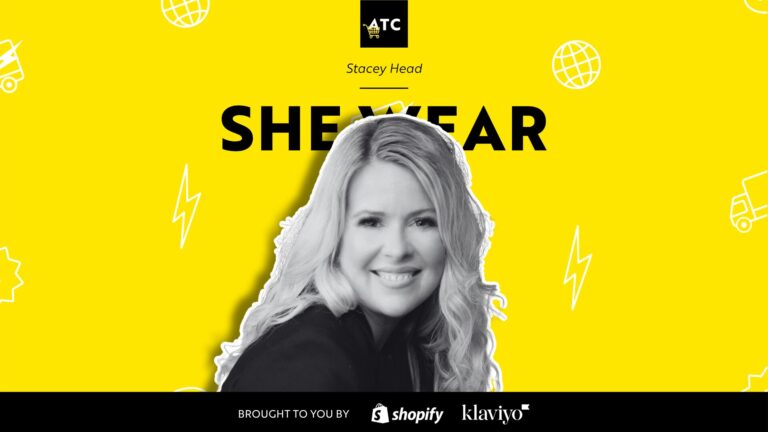
[Voiceover]: in your step with someone who's been there, done that, bit of real life experience, some real tactics, maybe a little bit of tea along the way, we have got you covered today because they don't come much realer than today's guest and my good friend Anita Sarkar who is the co founder of Hero Packaging and the author of her new book Sell Anything Online. Anita is a self confessed marketing and e commerce nerd. She's actually got a massive TikTok following where she explains e commerce concepts in a really simple and fun way. She's done a great job there. She's also got a really refreshing way of looking at life that only comes from when you've had a few wins and a few bumps and bruises along the way and she's brutally honest about all of them. Anita has been an accountant, a consultant, an e comm founder, a B2B founder, a mentor, coach, lecturer, social media star and now an author. So she's got plenty to draw upon. Her main gig is Hero Packaging where she's the co founder with her husband Vic. It started as a solution for Anita's previous business, which was Olivia and company where she was using enormous amounts of plastic to ship her products and she wanted an alternative to that. Hero Packaging is now a global company that has now sold over 35 million compostable mailers and has over 73,000 customers.
Nathan Bush: In this chat, Anita shares her thoughts
[Voiceover]: on the importance of cash flow management for your business. And she's learned this the hard way. As we both reflect upon from our own businesses. Anita talks about the pros and cons of working with agencies and why you've gotta be hands on with the ad tools before handing them over. And she talks about the impact of content creation on brand visibility. Anita is also extremely candid about a particularly tough time for her own business and how she coped Personally. Now, before we get into that chat with Anita, I would love to invite you in to sign up for my weekly e commerce newsletter. Every Tuesday morning, I write a little opinion on something that's going on in the industry as well as five must read e commerce stories for professionals in the Australian market. They could be research pieces, they could be case studies, they could just be fun stories around e commerce. I like to think that if you get across these five stories, you're ready for any e commerce conversation. Be the most interesting person in the room. You can sign up for free@addtocart.com subscribe. Let's get into the chat. Thanks to our partners, Shopify plus and deliver in person. Here's our conversation with Anita Sarkar, co founder and CEO of Hero Packaging.
Nathan Bush: Anita, welcome to ADD to Cart.
Anaita Sarkar: Thank you. I have been wanting to be on Add to Cart for such a long time. So thank you for finally having me on. I'm so thrilled, honestly. Like, I just. I love your podcast.
Nathan Bush: Oh, stop it. You've started a podcast. What got you in the podcasting world?
Anaita Sarkar: Oh, you know what? I love it because I thought podcasting was like a really serious matter where we had to do things so professionally. And I realized that you can just get a good friend who is equally as nerdy as you and just like have a nice chat and put it online and people listen to it. So that's what we're doing. And it's actually so fun.
Nathan Bush: And it's Jess. Is that right?
Anaita Sarkar: It's Jess Rufus. Yeah. She started a tech company back in the day called Collaborus and now she has an e commerce business called Number two. And so we just love to nerd out on e comm marketing, business stuff, all the stuff that's going on in like, pop culture, but also related to marketing. It's really fun.
Nathan Bush: That's so cool. Name of the podcast.
Anaita Sarkar: Come on, give it a marketing atmosphere.
Nathan Bush: Beautiful. All right, now we are going to get into so much today. I feel like we've got, like, years of catching up to do. We do. So I saw you at online retail and you were dressed in the best get up I've ever seen. You and your whole team at Hero were dressed as Olympic medalists with real Olympic gold medals.
Anaita Sarkar: Yeah. 100%.
Nathan Bush: Yeah. Yeah, I loved it.
Anaita Sarkar: You know what I. Hero packaging at online retailer is the smallest fish in that ocean. And I know that. I've known that for three years since we've been there. We're like right next to Shopify, next to Klaviyo. We've got BigCommerce across from us and all our competitors. Like, even, you know, there's Australia posters there, signet's there. And honestly, I love everyone. I think everyone's so, like, big and like, you know, what do you say? Enterprisey. But we are really small and so I need a way to stand out. So for me, it's just about like dressing up and having fun and getting people involved and having little competitions and doing all the stuff to make sure that we're noticed because we're so small. More.
Nathan Bush: It's a great spot you've got there though, next to the Shopify booth, because it's a little hive of activity.
Anaita Sarkar: Yeah, absolutely. You know what they do when we have our booth there? The lady from online retailer comes around at while we're standing there and she's like, are you ready to book in for next year? And if we. If we don't, we can't get that spot. So we're like constantly booking that spot.
Nathan Bush: It's like caravans at Christmas time.
Anaita Sarkar: Oh, really? I wouldn't know.
Nathan Bush: No, neither do I don't camp either. I hate it. But I heard that people, like, book for years out to get the same spot that they always have.
Anaita Sarkar: Yeah, that's what we need to do at or.
Nathan Bush: Yeah. All right. And while you were there, and I'm holding it up now, which isn't a great look for a podcast, but new book was there, which I was so excited about. How to sell anything online. Yeah, you're a mad woman for writing a book.
Anaita Sarkar: It's my second one. And do you know what? It's not that I enjoy writing, it's that I enjoy talking about e commerce constantly. So, like, even on the weekend, it's like when I'm reading, people read the news. Like, I read E comm news, I read marketing news. I read every single e commerce ecommerce newsletter that's out there from America, from Australia. I read yours constantly. You know, like, I'm really into it and it's something I enjoy so much. And I do think that I have an ability to understand and break down e commerce concepts more than and better than most people. So when I look at the success of any big company, like, it could be, you know, high smile, it could be July, it could be like any of those big players. I'm able to explain it to small businesses in a way that's easy to understand and we can talk about strategies that are easy to implement. The only difference with those strategies is really how much money you put into it and how much time and resources you put into it. But the strategies remain the same. So I thought if I write a book and explain that you can literally sell anything online with things like Facebook ads, Google Ads, influencer marketing, content marketing, and just explain it in a very digestible way, then that's my job. That's what I want to do.
Nathan Bush: I love that. There are a few things that I picked up as I was reading through it and the first thing that stood out and I showed this to you as soon as I was flicking through it at your stand was on page. I can't even do Roman numerals. 30 in Roman numerals. How good was that on the fly? Your business principles, your seven business principles, number five, Stop giving a fuck.
Anaita Sarkar: Yeah, that's right. I believe that's like one of my core values of all time is to stop giving a fuck because I gave a fuck for so long. I think everyone does. You know, when you're building anything, you care so much about everybody. You care about literally everyone. Your next door neighbor, your friends, your family, like your competitors. I think that's like a huge thing. And now I've realized that if you just want to be better. And I think a really common thread between a lot of successful companies is that they stop giving a fuck at some point in time and they just keep on going and they try and be as different as possible. They don't stick to the norms, they don't compromise. Even founders who are successful, they just don't care anymore. They just know what they want and they just go for it. So 100% core belief. I think everyone should stop giving a fuck.
Nathan Bush: Is that difficult though? Like, you gave that example before when you've got hero packaging at online retailer and then you've got some pretty big enterprise businesses around you who are in your space with lots of money. Here it is, your business that you've set up with your husband Vic, like, this is your livelihood. Is it hard not to give a fuck when you see all these people, like, coming into your space, maybe even saying things that aren't as true as you'd like them to be? Is that difficult to kind of turn that off and just focus on what you're doing?
Anaita Sarkar: Yeah, of course. It's really hard to feel like you're not good enough to be somewhere. But what I've realized is that if you think about Shopify as a whole.
Nathan Bush: Right.
Anaita Sarkar: Or Klaviyo as a whole. Yes. A big intimidating organization to be standing next to but there are people who are human beings also just running the stands that just needs connection, right? So people who come to us and we had some really big retailers come to us at our stand and say, hey, we're looking into packaging. And at one point in time I would have really like been so intimidated by it. But they're just human beings who have a job to do and I have the information for them. So if we think about it that way, and I know what I know with Hero Packaging, I know more than them anyway. I think this applies to so many things. Like when I was teaching at Macquarie Uni and the first time I did it, I stood out the front of the class and there was 25, 20 year olds and I was so nervous. And I just realized in that moment though, as I spoke that they think that I know more than them, you know, and I'm nervous because I hadn't done this before. But they sit there thinking, well, she knows more. And that's why people come to my stand, because they think that, okay, Hero Packaging, it doesn't matter if they're big or small, they obviously know what they're talking about. So when I talk to them, it's human to human. I think that's what we need to remember and not get so intimidated by a company. We need to think about it as like human interaction.
Nathan Bush: I love that, love that. So let's take us back. So I want to unpack Hero Packaging and how you're unique in market, but I love your personal story, like you just mentioned in there, about when you started lecturing, but going like doing a bit of a LinkedIn stalk on you, how much stuff you have done. So you go from being an accountant, which I didn't realize and we've had many conversations, I didn't realize you started an account so I couldn't imagine you in that world. Through to consultant, E. Com founder at Olivia Co. Founder, co founder at Hero Packaging, now author. But you've also been a mentor, coach, lecturer, social media star. Your TikTok account is massive. How do you tie it all together? How do you tie. Choose what to focus on and how to show up in each of those situations.
Anaita Sarkar: The problem with being a business owner is that once you've done it, once you think you can do anything. And so like I'm like, oh, you want me to be a lecturer? Sure, yeah, absolutely, I'll do that before I've ever done it. Or like, if I'm like, oh, I need to start a new company called Hero Packaging because people are like really into sustainability nowadays. Absolutely, I can do that too. So it's a problem that we all face and we kind of like love this next pretty thing and the shiny objects and. But do you know what? I have luckily been able to choose the things that make me really, really happy. And I also can get rid of things that no longer serve me and I can do it really quickly. I think a lot of people hold onto things and they get quite sentimental and emotional about things, but I've been able to lean out my life. It sounds like I do a lot, but I'm choosing to do the things that I absolutely adore. So I guess that's it. It's really hard to answer the question though, because it's like, you know what, it's like you want to the things because everything seems so exciting and you know that like you can do it and you've done it once, so why not try something new? For me, I just am really consciously trying to choose the things that I genuinely love. And what I tell my kids all the time, I tell Vic all the time, I tell myself all the time is like, if you're going to choose to do something, give it your absolute best. Like, if you've chosen to do it, do it well. Because if you're not going to do it, if you're going to do a half assed job, just don't do it. Like that can be put up two years time, you can try again. But if you're choosing to do it, whether it's like my personal brand or the content creation side of things on TikTok or it's Hero packaging, it's writing a book, doing a podcast. Those are the things I have chosen. And because I've chosen to do it, I make sure that everything goes into it. Like nothing is half us.
Nathan Bush: Yeah. It reminds me of the Matthew McConaughey book Green Lights where he tells his dad that he's going into acting and he was doing something else. I can't remember exactly what it was. And his dad's only advice at that time was don't half ass it. Yeah, like, yeah, it's like go do whatever you want, but just don't do it half ass.
Anaita Sarkar: Yeah, exactly right.
[Voiceover]: As ADD to cart listeners are high performance athletes, you would be very aware that gains only come when you eat well, exercise regularly and get good rest. You can't just do one. I mean, it's obvious for us. So when it comes to your tech stack, why should it be any different? This is what the lskd team thought as they continued their omnichannel growth and international expansion offering online in the US Shopify plus Open retail stores rapidly use Shopify plus make a scene with pop up experiences. Shopify plus there are no weak links here and the gains speak for themselves. Since migrating to Shopify, the LSKD team have seen a 37% increase increase in online sales with over 200% year on year growth for US store revenue and a 400% increase in pause revenue. With Shopify plus, there's no skipping leg day because they've done it for you. Check out shopify.com auplus and get in touch with the Aussie Shopify plus team to see how Shopify plus can help you unify your tech stack for growth.
Nathan Bush: Does that tie into one of your other business beliefs there, which I really loved and you kind of summarize all your beliefs into A business is easy to start but difficult to grow. And that's one that I went that's so on the money because everyone's got a thousand ideas. And to your point, once you've started a business you're like, yeah, I can do education, I can do content, I can do new product. Is that the key is focusing in on a couple of things to get past that idea stage and into that growth stage.
Anaita Sarkar: So if you are starting a business, it is really easy nowadays, right? Especially ecom business. You can import something and just build a quick Shopify website and start selling it and initially your friends and family will buy it, you launch it, it becomes like this really cool thing and then all of a sudden it dies down. And this is the part where it becomes really difficult because you need consistent sales to actually make some money off of it and live off that. And so when we talk about scaling it really comes down to gonna sound so simple, but it comes down to money. It comes down to resources and money. So a lot of the time when you see these big companies scaling up and they say, oh, I'm focusing on retention and I've got a great loyalty program and I've got this and that, that's fine. And that's all like all the extra stuff that you do. Of course to build your community, the thing to scale is you need money. So a lot of these brands that say they focus on retention are actually spending hundreds of thousands of dollars on meta ads, on Google Ads, on influencers and that's how they're scaling up. And I think that that's what people don't understand is that when you run an E comm business and you want to scale it up. Of course it's easy to start, but what ends up happening is you sell through your first amount of stock and then you need the margin and you need money to not only buy extra amount of stock, but then you need to spend it on scaling up through meta ads and Google Ads and all the things. And that's when it becomes really, really difficult.
Nathan Bush: Yeah. And that's what I loved about your book, because it feels like it's a book written for today. Right. So in 10 years time, there's lots of concepts in there that may not be as spot on as they are today. But you've written it for small to medium business owners today. Like, it's literally got what your cost of acquisition figures should be like. You haven't kept it broad, you've kept it very practical and tangible for people. Can you talk us through your stages there that you go through in the book? Obviously we've got what, 200 page book, so I don't expect you to explain it all, but you go through stages of tofu, mofu, bofu retention, magic bucket. What's the overarching line through that?
Anaita Sarkar: So the overarching line is the fact that there is absolutely no success that can't be accepted. Okay. So that's the first thing. There's no magic when it comes to E Com or business success. Everything comes down to a limited amount of strategies that businesses use to grow. And so I've documented every single one of those strategies that I know to be true in the book. But the way that I've categorized it is in top of funnel, mid funnel, and bottom of funnel. And for all of us nerds, we know what that is, right? So we know that top of funnel is essentially people who are in our target market, never heard of us before, middle of funnel of people who are like quite close, they've visited our website but haven't actually added to cart, and then bottom of funnel added to cart but not actually purchase. So that's the funnel. It's pretty simple. The two parts that I think we need to focus on customer retention, which I think people do okay at. And then also the last part, which is the magic bucket. And the magic bucket is essentially how do you get people to keep coming back over and over again? And how do, how do you make them fall in love with your business to so much that they talk about it to other people when you're not in the room? No one is 100% loyal to any brand, and I'm fully aware of that. But how do you make them feel like, how do you make them feel guilty for not coming back over and over again? How do you make them feel like they're missing out on something? And so that's kind of the whole premise of the book and each strategy is kind of built into that. And then also, you know, I've interviewed some incredible people, like Brittany Saunders from Fate the Label, like Mark Boris, like lskd, like a lot of brands that I think are so successful in this particular area and we've kind of broken down, like, what they've done to get there too.
Nathan Bush: Beautiful. I was about to ask you that was going to be my next question is what Australian retailers do you think are doing the Magic Bucket really well, you mentioned lskd there.
Anaita Sarkar: LSKD is, I think, really gold standard. It's very hard to emulate what lskd have done. They've done everything that I want in a brand and more. But I would say that Fate the label, is one of those brands which is a newer brand but is absolutely taking over the world. And there is no brand that isn't watching Britney Saunders and her content and going, I want to do that. They're like, everyone wants to do that. And I can see everyone trying to emulate and copy what she's doing. So I think, you know, the way that she does retention and loyalty and keeping people so excited about her brand through content, which is absolutely free. Free is such a cool thing. She's kind of like the new age of ecom.
[Voiceover]: Is there any specific types of content
Nathan Bush: or activations that she does? Because I put myself in the lskd shoes. I know Jace fairly well, I think, and even at my gym this morning, it was amazing to look around and go, all the people who used to be wearing under armor 12 months ago are now wearing lskd like they've taken over the world. And it's through their mystery boxes, that's through their Tesla giveaways. It's all these little bits of magic around their brand that they've done above and beyond the basics of E commerce that you just have to do. Is there anything that Brittany's done that you like that is just really special at execution?
Anaita Sarkar: Yeah. So, for example, she'll do content around warehousing, so when she's packing orders, we all do like packing order content. But she'll make it so exciting. She'll jump on trends. And then she, like, once had her a new car and she just put Fate the Label all over it. And when they did that, they did a Grease Lightning video around it as well and got everyone in the warehouse to do a video. It sounds like almost trivial when I say it like that, but the amount of reach she gets, millions of people seeing her stuff all the time. People are talking about her, people are inquiring about, what is this faith label? If you look at Semrush, which I do all the time, for every brand that I know, I can see the spike how many that organic search traffic because of her organic content. I think that when you can incorporate what you do every day and make it fun, or if, even if your brand personality isn't fun, say for example, it's like old and wise, how can you incorporate that into just what you're doing every day? Can you show up? Can you educate? Can you be relatable? Can you be funny? You know, how are you showing up every day? And I think that one of the most successful things that brands do that have done really well for themselves is show up everywhere, all the time. So they're always in your face. And I think that is honestly key to people remembering you and buying from you.
Nathan Bush: How do you balance that show up everywhere and all at once with remaining focused, especially if you don't have huge cash flow behind you and limited time. How do you do that strategy?
Anaita Sarkar: The strategy is actually quite easy because you've got your Facebook ads, you've got your Google Ads, they run while you sleep. You are showing up all the time. So you've got to put some investment into that that works for you. The third thing is content. And content is you have to be strict with yourself and say, well, every day I'm going to produce a piece of content. I'm going to show up in people's faces. A brand that does that really well is who is Elijah? And who is Elijah? Is a perfume, a fragrance company. And Raquel is a genius at this because all she does every day, all day, every day, she just stands in front of the camera and so spritzes her perfume on her and she posts it online. Now people think, well, I don't want to do the same thing over and over. The fact is that she's been doing that video over and over and over in different locations, and it's gained her so much popularity, so many more followers, so much more reach. I think that showing up online is actually easier than what people make it out to be. You've got the things that run while you sleep, and then you've got content where you've got to say to yourself, I'm going to be consistent and I'm going to do it every single day. Single day.
Nathan Bush: Yeah. And does it always have to be video, do you think?
Anaita Sarkar: No, absolutely not. It's just your face or your brand needs to just like, pop up. Every time they open up Google and they're searching for a problem, your brand needs to be there if they're on Facebook, your brand needs to come up if they're on Instagram. Like, you're there being like, hi. Like, remember me? You know, it's. Yeah.
Nathan Bush: That's one of the incredible job of this personally. Like, your personal brand is insane and for good reasons because you offer so much value. But I saw that One of your TikTok videos has it just hit 10 million views.
Anaita Sarkar: You know what? I don't actually look at the views anymore because when I was getting obsessed over the views back in the day, I would then only start to create content that would only get views. And so now I don't even. I don't know what my views are. I don't even know how many followers I have, to be honest.
Nathan Bush: Really?
Anaita Sarkar: Yeah. I don't look at it anymore. I just post a video and I leave the app.
[Voiceover]: You do the whole comments thing, replying to comments?
Anaita Sarkar: I do as much as possible until it gets to a point where TikTok's decided it's going to go viral and comments start flooding in. And then I just let the comments, like I let other commenters comment and then let them have discussions and disagreements in my comments. And unless it gets really bad. There was one video I did where I was talking about a certain influencer who said how easy it is or something, how hard it is to create a brand. And I just had my opinion on it. But a lot of hate comments towards that influencer started happening, so I had to like, actually stop comments altogether. I deleted everything. But I don't get into my comments. I don't check followers, I don't check likes, I don't check reach anymore. I just kind of create the content I want to create and I do it consistently and then I just leave.
Nathan Bush: Because I think that can be exhausting, especially from a personal branding perspective for a lot of people. Is, yes, I could probably create content every day in some form or another, but I can't always be onto the interactions around it. So it's probably about setting boundaries for yourself too, isn't it?
Anaita Sarkar: I'll be honest with you that TikTok is not. So that's where I've got the most amount of followers. It's like well over 300,000. That's my personal brand. Even though that's the place where I've got the most amount of followers, it's actually the place where I get to just say what I want to say about marketing, business, e commerce. It's also a place where I get paid to make content and I monetize that. So that's TikTok. But my personal brand and my actual thoughts go onto Instagram and onto LinkedIn. It's really where people follow me and they see my content, so my followers see my content. Whereas on TikTok, it's. It's random people who see it a lot of the time. So when I talk about my personal brand, I show up more on the places where people are actually wanting to hear from me. And that's usually Instagram.
Nathan Bush: And why do you differentiate between the two? Is it that because you know how the TikTok algorithm works and you can pretty much feed it, you know, without having to. Genuine's not the right word because it does still feel genuine. But you know the content that it needs and you can produce that and just get it through the system?
Anaita Sarkar: Yeah, I think so. I think that's what it is. I think for me, though, I have a lot of thoughts and they're not positive all the time. I have, like, real, honest thoughts and genuine ideas about the state of Australian E Com. And I do tend to say that a lot. But on TikTok, it won't be as taken well because people don't know who I am. So every time my video's shown to someone, usually that person doesn't know who I am. So me just going on a rant about something doesn't really matter, but I feel like that's important to me because people who follow me want to hear about the truth of things that are happening. And so that's why I differentiate. Here are like, my real thoughts. And then on TikTok is more about. Okay, you want some tips? I'll give you some tips.
Nathan Bush: What's your latest rant? What are we spilling tea on?
Anaita Sarkar: You're gonna get me in trouble, honestly. Okay, well, let's go on some rants. So one is agencies. Now, I've got nothing against good agencies, okay? So let's just be really clear. And I know a lot of listeners would be agencies as well, but there is something that I think shouldn't happen, and that is that agencies tend to prey on some of them. Prey on Vulnerable people who don't know how to use a certain platform. So when we look at like Facebook ads agencies, Google Ads agencies, even SEO agencies, they exist because a lot of business owners, a lot of e comm managers in like bigger companies, they think it's overwhelming to learn about these ad platforms and this SEO stuff. And so it's a convenience fee that they pay to these agencies. But I want to tell people that you can do it yourself. You know, bringing things in house and saving that cost is really, really important, especially because you can do it yourself. Plus it's your money like that money that if say you pay $100,000 in ad spend per month and you're giving it to an agency, you have no idea what's happening with that. And I guarantee most of the time they don't know and the agencies know that they don't know. So they produce reports that look fantastic and they hand it over, but they don't actually explain what's good, what's not good. They don't explain how it's all working. And I don't think that that's great. I think what you should do when you have an agency is you have an agency because you don't have the time, but you understand the platform so well that you know how to manage them. You should never have an agency for convenience purposes because you don't want to understand the platform. And I think that I don't like that they take advantage of, especially in the area that I'm in, which is like small business and helping small to medium sized businesses. I don't like that they take advantage of that. So that's my one rant.
[Voiceover]: I've got a question around that because at what point?
Nathan Bush: Because I'm a big believer as well that when you're starting an E commerce business you need to be in on these tools. So you think about your two biggest costs. When you're starting a business, it's going to be product plus advertising through these channels. So you need to know both really, really well to start with. At what point do you think you know enough about Meta TikTok Google to be able to hand over to an agency and legitimately call bullshit?
Anaita Sarkar: I genuinely think if you spend one day learning an ads platform, one whole day, you look at all the free content online on YouTube, you can do little courses, whatever you want to do. If you spend one day on each, so three days to learn those three ad platforms, you know exactly what's going on. I don't think it takes any more time than that. And I think by doing that and actually understanding how it all works, you need to look at CPA or you need to look at roas or you need to see how costs go up and down. You need to see how it all works together. If you can figure that out in one day. And then you look at the ads manager of that platform and say, okay, I understand what this agency is doing. I think that is the best way to have an agency. So, you know, that's my rant on agencies. And I, I do think that it's more along the lines of just educating yourself before you get one and the idea that you're being charged monthly and you don't know what it's for. And a lot of the time, you know, I've heard these agencies now are not just, just 4,000, $5,000 a month, but they'll take a percentage of your revenue. And that's really difficult. Right, because the minute you commit to that, it's usually a 6 to 12 month contract. If you can't pay it, it doesn't matter because you still have to pay it, you know, so you might as well know what they're doing. And that's a big thing for me.
Nathan Bush: So if you were to give advice to small to medium business owners considering an agency, what are two or three questions that you think are critical for them to ask an agency before they engage?
Anaita Sarkar: I don't think it's about asking the agency. I think it's about how much do they know about the like, for example, a Facebook ads platform. So I know that recently, like Julie Mathers with Snuggle Honey, she's recently brought ads in house and she used to have an agency and it's been extremely beneficial for her. It's like highly profitable. It's so much better for them and they spend a lot of money on ads. I do think that there's, there's so much benefit in bringing it in house. So it's not really about what to ask an agency because agency owners and agency people, they will have the right answers for you at that point in time and they'll say what you want to hear. But you need to understand what it is to actually run those ads yourself. In fact, I would recommend you doing it yourself and then handing it over knowing fully well, like what you need them to do.
[Voiceover]: Yeah, okay, good.
Nathan Bush: So hands on experience, know what you're talking about before you ask anyone else. Because if you ask the question, you'll get the right answer.
Anaita Sarkar: Well, this is not just for small and medium sized businesses. This is for everyone, even in enterprise level companies too who have so many agencies like Please educate the E Comm managers so that they know exactly what they're doing before they outsource
[Voiceover]: how was your last E Commerce delivery experience? Did your order arrive on time and undamaged or to it fail to fulfill expectations? If you are a high value brand, just think about the low value experiences in the last mile affecting your reputation. Delivered in full on time or diot if you're in a hurry is a metric that matters for retailers and customers.
Nathan Bush: Why?
[Voiceover]: Because it shows where the deliveries are happening reliably and on time. Many Aussie retailers are settling for 70 to to 80% DYFOT scores and dealing with a lot of unhappy customers. However, after partnering with deliver in person experience driven brands like Samsonite, the Party People and July see a consistent 99.6% DYEFOT score. Don't settle for less. Make your last mile experience the first thing that customers remember. Learn more at Deliverin.
Nathan Bush: What else would you change about the Australian E Comm industry at the moment?
Anaita Sarkar: I do have one more which is a lot of coaching going on with E commerce business marketing coaching. I'm going to ask you what your thoughts are on coaching. Have you had a coach before?
Nathan Bush: I've had a coach, I've been a coach.
[Voiceover]: I my thoughts are good.
Nathan Bush: Coaches know what coaching is. So coaching is very different to consulting and sometimes people are very good at subject matter but they are not necessarily coaches because coaching actually takes more EQ than subject matter knowledge. Like most coaches actually don't give any answers, but the coaches that we're seeing out there at the moment I think are just trying to give quick fire questions that are generic across the industry.
Anaita Sarkar: Yeah, I would agree and I think it's the generic nature of coaching that really irks me a little bit. I think though that it's interesting what you said about subject matter compared to eq. I do think you need to have both. So if you are someone who is coaching someone in business, you do need to have that experience yourself and I think it's really important because if you are coaching someone in business and you aren't running a business in this economy and this environment, then how are you to navigate that for somebody else? And I think I see a lot of and there's thousands of them popping up everywhere and it's becoming this thing where everyone is now a coach and so and it's not cheap either. It's about $2,000 to you know 5,000 bucks or something a month to have a coach. Is it worth it? Like again, it's the same thing with agencies. Are you, do you know exactly what you need? Do you exactly what the path is for your business or do you know what you're really, really good at in order to help the coach help you? Same thing with the agencies. I feel like E commerce is becoming such a thing where so many businesses are starting that all these little, little new businesses are starting. The agencies who are. I don't like to use the word praying, but that's all I can think of, praying off businesses as well as coaching as well. So I think there's a lot of things that are happening. We just have to be very, very careful because it's very easy to spend your money thinking that it's such an easy way to success. But I don't think there's any easy way to success.
Nathan Bush: I don't. And it depends what you're looking for in a coach, right? So I once had a coach who didn't come from my world at all, didn't come from this part of business, but just coached all different types of people from athletes to business people to non for profit to CEOs. And she was great because she didn't know anything about my world. So she'd ask all these questions which might seem silly, but then you're like, actually, why am I doing it that way? Am I just following a bouncing ball that shouldn't exist? Because she came in without that, but she came in with structure around how good coaches work and how to get best results out of people based on coaching models, not E commerce models. That was really beneficial for me at that time because I didn't need someone to come in and teach me about E commerce, but I needed someone to sort my head out and sort out direction.
Anaita Sarkar: I think that that's awesome. I think that like having someone like that and it's like almost having a leadership coach. So someone to teach you how to be a good leader of people. Because that's probably one of the hardest skills and I have absolutely not perfected it. But I think having someone like that giving you that path of how to have EQ when it comes to being a coach, absolutely. I'm more so talking about the coaches that have popped up because they're like, I'll help you grow your business now. It just can't always be that way. There are lots and lots of people who may be able to help you, but there are way too many coaches in this world. And we just gotta be really careful.
Nathan Bush: Yeah. If I see a coach, an E Com coach with a I'll grow your business by X percent or get to a million dollars. And there's a lot out there, especially on Instagram at the moment, I can't see the benefit in it because there is no one way to get there. I know, I know. You said through the book there are, you know, there are steps, but everyone will need a unique approach with a spine through it. You know, not everyone follows the same path and no one can promise the exact results.
Anaita Sarkar: Yeah, 100%. And that's exactly what you were saying before about the generic approach to growing a business. It's just not possible.
Nathan Bush: One of the things that I've found in speaking to founders recently, and especially in the last 12 months, where it's been a bit tougher is I think there's a feeling of loneliness and connection that's needed. Some of the best things that I've done with founders is actually connect two founders together that might be in different categories or different states or whatever it is and just go, actually you two should just get on the phone and talk and share and get into the detail of everything that's going on, whether how's your agency going, what's working, what's not working, how are your ads running, what products are selling that to me, that kind of one on one connection, that peer connection is so valuable I think at the moment because you've got two people who are in very similar situations who can talk at a peer level without any fear of competition or giving away things to each other.
Anaita Sarkar: I think you are a really good connector. That's something that I've learned about you. I do feel like I recently have made a lot of time to connect one on one with people. And I always thought networking was going into a room full of like minded people and trying to find connections. I found that I'm really bad at that. I find myself that I don't know what to say, I don't know who to go up to and it's quite intimidating. But I do reach out on DMs, like emails even, and I will say something like, I'm really struggling. Can I get your advice on something? And let me tell you a story about what happened with Hero Packaging. We went through this really, really bad phase and I got some really bad news about it and we'll talk about that in a second. But I was so upset and the next morning I didn't know what to do, but I knew there was a founder called Mike from Xeroco. Never spoken to him before in my life. And I was like, I bet you he's gone through this before. He's run multiple businesses. I'm going to email him and I'm going to say, hey, can I get your help on something? Because I'm really struggling. I'm really worried about the state of the business. And I emailed him and I said, this is what I'm doing. Just to be clear, I'm not asking for any financial stuff. I'm just asking if I can have a call with you. And he emailed back within five minutes and he said, my wife's about to have a baby, but call me and I'll give you 15 minutes. And I did and I called him and I was crying on the phone and he gave me some of just the best advice financially as well. Just like what we need to do and the steps I need to take. And I like, he didn't need to answer that email when his wife was having a baby. But the fact is that people have struggled before. You and your problems are not new to anybody. And if you can find people who have gone through it or at least are going through it with you and understand where you're coming from, it's like you never feel lonely because you feel like there are so many people who are in the same boat. And that phone call actually changed the way that I was looking at the situation. And he actually, really, really helped me. I emailed him like three months after that and I said, you changed my life. And I'm so appreciative of that 15 minute phone call. He has no idea the impact he had. But I'm just saying that in, in business, don't be afraid to reach out to people and say, hey, do you want to have a coffee or do you want to just chat sometime? I would love to just talk to you. It's not about like getting your tips and advice, but I would actually like to talk to you. And that's what you can actually change this feeling of loneliness because people do want connection. You're not the only person. So for someone to be able to help you or for them to say, yes, I would love to have a coffee with you. Like, you know that human to human connection is always available.
Nathan Bush: But you know what you did so beautifully there is that you put it all out on the line first. You said, actually this is where we're at. This is the help that I need. I'd love to get a coffee or A phone call with you. So that person that goes, oh, yeah, look, I can add value to that or I know I can help, I'm prepared to help here. You probably get so many people and I get a lot of people like this going, hey, love what you do, blah, blah, blah, blah, blah, let's catch up for coffee. And I'm like, why? Like, no. And I've got into this habit now of not to be an ass, but just because you've got to be protective of your own time and make sure you're adding value. Where you can add value to go, oh, is there anything particular, anything specific I can help you with? Or is it just a catch up up? And you kind of put that question to people and either they come back with a scenario like you did, or it's like, oh, no, I just want to meet and just see if there's anything we can help each other with. I'm like, oh, cool, cool. It's like, good to know you and we will stay in touch, but there's no urgent need for us to hang out straight away.
Anaita Sarkar: Yeah, you know what? And it's so okay to say no to things like that. But I love the idea of just like protecting your own energy and your time. I do feel like there are certain people out there that you know, are in that same space as you, though. So when they do reach out to you and they say, hey, I just would love to have a chat, you know, it's going to be a good, real chat and that's what you have to find. And I think, like, you know, even with you and me, I just know that every time I see an email from you or like I bump into you, it's just a solid conversation. Like, I just, I like the fact that I can come up to you and say, like, hey, I've got this problem and you won't judge me. So I think that there are people out there that you can do that with. You've just got to find the right people. I think you just need to find those people in the industry and actually reach out to them and not just go up straight away with like a, I need your tips on X, Y, Z. But like, let's develop this relationship constantly. You get to know me. And so when I do ask you a question, I know that I could come to you now and say, hey, I actually have this problem. Do you know anybody? And it doesn't feel like you're doing me heaps of favors. It's just that we've built a relationship. And I think that's what we need to do with everybody that we want to build a relationship with.
[Voiceover]: I agree.
Nathan Bush: And that's why I genuinely love this industry and love hanging out with people like yourself, because there is that authenticity. It's a, like, how are you? And it's not always roses because there's a few people that you always come up to and everything's great and everything's like, we're always selling, we're always good, we're always good. I'm like, can't be that. Like, there is no way that it is that. And you can actually offer more help and more value if you go, actually, I've got a real problem here, or I don't know what to do here. That's how relationships are built. So I think being vulnerable up front, not always expecting anything in return, but just having that bit of vulnerability shows a realness that you can connect on.
Anaita Sarkar: That's what networking is, isn't it? Like, I think the true. It's like friendships. When someone says, how are you? And you just say, good, there's nowhere to go from that. But if you say, and that's the truth, I mean, I was speaking to you this morning before we started recording and when you said, how are you? And I said, well, I've actually had a really bloody stressful morning, that is the truth of the matter. And I think what people struggle with is that open communication and can you be vulnerable? And if you can't, can you learn to be? Because that's the way that's going to. Doesn't necessarily mean that everything in your life is bad and you need to talk about all the bad stuff, but you can say real stuff and it doesn't always have to be the most incredible. Your business is scaling and this is amazing and you are able to say like, like actually had a really shit time here or you know, had an incredible time and I want to talk about it, but you need to know how to communicate openly.
Nathan Bush: Makes so much sense. So tell me, since that phone call with Mike, how's hero packaging traveling now?
Anaita Sarkar: A lot better. A lot better. What people don't tell you about when a business is struggling is it can go wrong so quickly, but it takes like, like three times amount of time to actually get back to normal. So you have to be very careful from the outset. You also have to go through these things to end up being a better business owner. But what happened to us essentially was that we were growing so much and revenue wise, sorry, I should say revenue Wise, we were growing, orders are flooding in. Thought I was doing fantastically well. And I was just like, yeah, we're winning awards. We're doing all the things. We're amazing. And then. And we hired these people to come in and essentially grow us to sell the business. Because that's what everyone told us to do. You've got to sell the business. You can make a lot of money. And they came in and they told us, okay, we're going to help you to do that. And when they did a big, deep dive of the business, they said to us, well, you're so cash poor, you might actually need to go into voluntary administration. You don't have any money left. And I was like, absolutely incorrect. We've got money coming in the door. I don't understand what you're saying. And six months prior to that, that we had hired, like, this external cfo. And as soon as we hired her, I let go of the numbers. And I know, like, everyone listening will be like, well, that's stupid. Like, of course you got to know your numbers. Actually, it's a very easy thing to do when you hire an expert and you just go, right, they know what they're doing. I'm going to focus on growing the business. It took only six months for me not to look at the numbers. For everything to go so wrong, to be in a lot of debt, to have really bad margins with things, to bring in products that didn't have the margins that we needed. We weren't told anything. And it took six months. And essentially they said, look, in such a bad situation, we're not even going to ask you to pay our bill for this month because you can't afford it. And it's that moment where I thought, oh, my God. And it took me two months to process the situation, to look at the numbers, to realize that what they were saying was, was correct. And it's taken 18 months to actually turn the tables around. And when I say turn the tables around, the exact things that we did where we cut so many expenses that we have in the business, like, to down to the plugins, you know, the plugins that cost you $50 a month, we had, like, thousands of them. Like, you know, you just have so many built up over time. We unfortunately had to look at staff as well. We had to really lean out the business, and it's a really difficult thing to do. As someone who is. I feel like I'm a younger founder, and I feel like I don't want to have to get rid of Somebody because that's their income, they're supporting their family. So, you know, these things we had to go through and then we had to also find a way to innovate and still keep Hero Packaging exciting again. And so essentially we did that. We leaned out the business and in 18 months, you know, we've decided now that instead, instead of thinking of ourselves like a small business and contracting because we were so scared of everything, we've said, well, we've bloody failed once, we can try again and if we fail again, so be it, we'll deal with it. But we decided to have this mindset of trying to be a little bit more expansive and thinking, okay, well we did that, now we're on top of our numbers. What can we do to make the business exciting? And so what we decided to do is we invested in machinery and assets, protectable ip where we're now manufacturing our own stuff, our own boxes, our own tissue paper. We brought manufacturing into our warehouse in Chatswood and we get to own the entire supply chain. And we have seen such cool demand and such growth and so much excitement from others. We know that it's been the right step. But I haven't felt that excited in the business in such a long time because of what happened. I kept getting triggered by, oh, oh, what if we can't pay this invoice? Or what if we can't do this? And now all of a sudden I'm like in the warehouse and excited to see the machinery, to see people working and I'm like, I feel like we're back.
Nathan Bush: That's so cool. As you were talking, there was a moment where I had that flashback as well. Because I've been in a business where we have accountants looking over everything, plus financial forecasters. And I did the wake up at 2am middle of the night, did a quick three month forecast in my head lying in bed and went, oh shit, everything's not as good as what I think. And like literally went and did a forecast. A new brand new forecast, not a fancy spreadsheet that they'd had my own forecast. I was like, no one else is looking at this as closely as we should be looking at this. But when you give up that control, you assume it's with someone else. When you talking about taking your manufacturing in house for Hero packaging, what has that allowed you to do in terms of delivering new products or new services?
Anaita Sarkar: So we will only bring out products if there is demand for it. It is something that I've believed for a really long time. I See a lot of businesses and a lot of brands even bring out a collection or a range of new products or try and innovate, but no one wants the stuff and it backfires. So what we've done is we listened for over five years to customers saying he, hey, can you do this size box? Can you do this? Can we want like, you know, 50,000 of this style box? And we want to do this and we want to print it like this. And finally we were just like, you know what, we did our research, we found the machinery, we're going to bring it out so that any business, whether it is like a huge business. I don't know if I'm allowed to mention the bigger ones, but some really big national retailers and also small businesses both have access to very, very fast service and, and fast turnarounds on packaging and something that they can trust because it's made by us with all the recycled materials they have. Like, they can literally see it from start to finish. And it's not imported, it's not going through any other third parties. It's us made by us, delivered by us in a really short timeframe. I think that's what I really wanted. I wanted to own the entire process. And that feeling came about was when we switched from a 3 PL to our own warehouse. That was the first time I thought, oh my God, I have control again over the entire packaging process. I can see the orders going out the door. I can add in little things. There's so much cool stuff when you're owning that process. And now when we're manufacturing as well and doing our own packaging and shipping and being able to like, negotiate and it just feels like we own the whole life cycle of the products and the customer and it. That's what is exciting.
Nathan Bush: And what trends are you seeing around packaging at the moment? Because obviously a lot of Hero's proposition is around sustainability. But I know that you also do custom packaging and you have a few different formats. Where are you seeing retailers really lean in?
Anaita Sarkar: I think it's always going to be about the unboxing experience, especially now where unboxing on TikTok and all that content is really important. I think people make the mistake of thinking that this is really going to impact lifetime value or loyalty of a customer. We have to be really real with ourselves and realize that no packaging in the world is going to make anyone loyal or stay for a lifetime there. In fact, there are like very, very few things that make people stay for a lifetime. And that's usually when they're locked into a contract. But I do think that what packaging does is like the way I think about it is say, for example, I sell you something and what I'm selling you is worth a dollar and you pay me a dollar for it and I send you that thing, you've gotten what you paid for and it's kind of like meets expectations. But when you add on the layers of stuff, like custom packaging and you have a little gift inside and you have really great communication and the shipping is faster than what you said it was going to be, all of those little, little layers mean the surprise and delight factor, which means that when they go to do that purchase again in the Future, you are 100% part of that consideration set. You are there front of mind because they had a great, great experience with you. So they want to buy something like that again, they'll think of you first. And that's, that is just a part of what, you know, helping retention.
Nathan Bush: Yeah, I love that. It's such a good way of thinking about it. So tell us about the next 12 months. So obviously you've got the new potty that's out, you've got the book that's on shelves at the moment. Hero packaging sounds like it's a brand new chapter there. Plus all your content creation going on as well. Where's your focus for the next 12 months?
Anaita Sarkar: My focus is, honestly, it's on Hero packaging. As simple as this is, it's about the profit side of things. And I am really looking at profit every single day. So I would say profit making sure that we're still in a growth mindset and not just being so triggered by, oh, I'm really worried about the next level. Worried about the next level. I want to focus on growth and I want to focus on product innovation, but at the same time keeping some cash in the bank. And, and that should be for everybody, obviously. But it's something that for many, many years I just didn't do and now it's something I'm focused on. But do you know what? The thing that I'm focused on above all else is enjoying myself. I want to have a good time. I just keep saying to myself, I've probably got another 55 years to live and that's it. I'm going to be dying soon and every day is closer to that and all I want to do is enjoy myself. And it's something that my mom had said to me a few months ago and she just looked at me and she was like, like, have you ever Thought to just enjoy the business. And I was like, well, no, I haven't, actually, but I. I really think that that's something we all need to do. Like we were saying before, if you're choosing to do it and you're choosing whatever role you're in or whatever you've chosen to do, if you're choosing to do it, enjoy the. Out of it. Like, be good at it, try your best, but, like, enjoy it.
Nathan Bush: I love that. I remember meeting your mum at like an online retail. It was it two years ago.
Anaita Sarkar: Yeah, yeah, yeah.
Nathan Bush: Your mom and your dad were there
Anaita Sarkar: and they were like, they came to get all the freebies around.
Nathan Bush: Yeah, I remember that. They were carrying swag bags around. They'd been like, around to everyone's stand collecting swag and, like, they were just loving life. They were having the best time ever.
Anaita Sarkar: Yeah, it's. They're a really good lesson for me because they enjoy, like, work together. They love. They do everything together. They watch reality TV together, they. They go to trade shows and get free stuff. You know, it's like a good life.
Nathan Bush: That's so good. All right, so if people have listened to this and they either you've got a few things to plug here and we need to plug them, well, buy the book, get in touch around packaging needs, or follow your amazing content on socials, what's the best way to go about all of that?
Anaita Sarkar: If you want to contact me for anything, you know, you can find me on Instagram, on LinkedIn, on all the platforms. I'm there. You know, my face is everywhere.
Nathan Bush: Goes back to that theory of be everywhere all at once.
Anaita Sarkar: Be everywhere all at once. Yeah. So I would say that if you need just marketing tips all the time and you want to read the book and all that, you can find me on Instagram, at L. Anything online. And if you just want to follow along the hero packaging content and all the stuff that we're doing there with manufacturing and custom packaging, then it's Instagram hero packaging.
Nathan Bush: Beautiful. Anita, thank you so much for finally making it onto the podcast. I'm so glad we got to have this chat. I feel we need a part two, part three, part part four after this. But it was so good to have you on Add to Cart.
Anaita Sarkar: Yeah. And thank you for having me. Honestly, I love this podcast. I really do. I listen to it all the time, and I'm just honestly honored to be here.
[Voiceover]: I know I introduced Anita as very candid and very open, and no doubt you got that throughout that whole chat. But one thing I didn't tell you is that she's actually very humble.
Nathan Bush: For someone who has her TikTok following,
[Voiceover]: has been on the Mark Boris show, has done so much stuff that she's actually incredibly humble. I remember gravitating towards her at this
Nathan Bush: year's online retailer because I wanted to
[Voiceover]: catch up for a chat and she had the lovely Hero packaging display out. Hidden right up the back on the bottom shelf were her brand new books, piles of her brand new books. And I said to her, why aren't they out the front where people can see see them? Why have you got them on display? And she just said this is about Hero, this isn't about me. She's incredibly humble and always puts her business first. So that gives you an idea of who she is. What you heard today is exactly what you get. Here are the three lessons that I took from Anita when it comes to ad accounts you need to know enough to manage before handing over if you are outsourcing your ads to an agency, make sure you know the platforms well enough to keep an eye on what they're doing with your money. It's likely to be one of your top three investments. You need to know how it works. If you are handing over ad accounts because you don't know how they work, actually take the time and invest in you understanding them, like Anita said, might only take a day before handing them over. It's not going to be a quick fix if you just hand over that huge investment without understanding. Number two, content consistency is key. Showing up consistently with content, whether that be through social media, blogs, ads, is crucial for staying top of mind with customers. Anita talks about creating schedules and creating
Nathan Bush: little snippets, little insights that you can
[Voiceover]: constantly go to market with. You don't have to reinvent the wheel every time, but you do need to stay consistent, consistent and show up constantly. And that might not be just organically, that might be through your paid media schedule as well. Anita looks up to brands like LSKD and Fate, the label as brands were nailing this and number three, stop giving a fuck. Apparently she went for that book title but it was taken But Anita emphasizes the importance of focusing on your business goals without being overly concerned about others opinions. No compromise, stick to your goals, know what you want and go for it. For Anita, this mindset shift helped her overcome the intimidation of competing with large enterprises and really set her up for what you heard at the back end of that conversation. Enjoying what she does every day. Thank you so much for tuning into today's episode I hope you got one or two tips out of it that can help your business. Make sure you go check out Hero Packaging Solution on their website and if you haven't, go get your hands on a copy of Anita's book. You can buy it from all good bookstores. There's even a big one Big Marketplace online starting with a that you can get it. You'll have it in your hands by the next day. It's called Sell Anything Online. Now if you enjoyed this episode, please please consider sharing it with a friend or a colleague that you think will resonate with what Anita said today. Or leave us a review on Spotify or Apple podcasts. I make sure I check out every
Nathan Bush: one you of of them.
[Voiceover]: And last thing, please support our sponsors Shopify and Deliver in person who make this podcast possible. Before you go, we'd love to invite you to join our free e commerce learning platform Add Descartes Campus. Meet other professionals and learn from e commerce experts to take your business and your e commerce career to the next level. Register to join Campus at Admiral Forward Slash Campus now if you enjoyed today's episode, make sure you share it with a friend or a colleague. Or even better, leave us a review on Spotify or Apple. It really makes a difference.