Brian Pham: You literally could click on an ad and then as doing so you get an offer inside your mobile wallet. Whereas what we're seeing is sort of a 20 to 30% usage rate for mobile wallet passes. Why should I retarget him across Google Ads when I can send him a
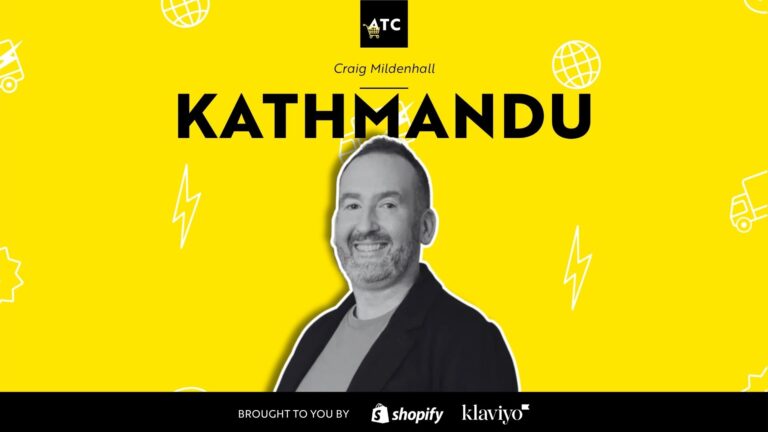
[Voiceover]: push notification welcome to ADD to cart Australia's leading e commerce podcast that Express delivers all you need to know in the fast moving world of online retail. Here's your host, Bushy. Welcome back to ADD to cart, Australia's leading e commerce podcast for e commerce professionals who never stop learning. We bring you the insights from the top e commerce operators, founders and experts across Australia to help you drive results and grow your e commerce career. My name is Nathan Bush, otherwise known as Bushy, joining you from the land of the terrible people here in Brisbane, Australia. Now, when you think of the mobile wallet, do you think about it as a place for storing credit cards, airplane tickets and maybe cheap boost juice offers? It's way more than that and it is emerging as one of the smartest ways to deliver personalized and timely messages, especially around campaigns and loyalty programs. Today's guest is helping retailers make the most of it. Today I am joined by Brian pham, founder of LiteCard. That's LiteCard L I T E. They are a wallet led marketing platform that's redefining how brands connect with customers via Apple and Google Wallets. Since launching in 2023, Lightcard has been adopted by some of the biggest names in retail including Dan Murphy's, the North Face, L', Oreal bonds and even Penfolds. With up to 30% usage rate on wallet passes compared to the 1 to 2% seen on traditional apps. Lightcard is fast becoming the go to platform for retail marketers wanting to activate and retain their loyalty audiences with less friction and better results. In this conversation you'll learn how Brian's agency background in Shopify, Migrations and Martech laid the groundwork for Lightcard's innovation. He tells us why mobile wallets are outperforming apps and SMS in terms of engagement and take up and shares how retailers are using Lightcard to retarget foot traffic, measure CRM success and drive retail media campaigns. We also dig into how Lightcard integrates natively with platforms like Shopify, Salesforce, Klaviyo and more. He also tells us what's next for the mobile wallet experience. There's a lot there, especially if you don't spend your day in and day out thinking about the mobile wallet. Something that is definitely worth considering now, before we jump into today's episode, a very quick heads up. If you're an E commerce manager who's feeling a little bit out of control with your meta ads and we know there's been so many changes with meta over the last 12 months. Whether you are managing your ads yourself, using an agency, empowering your team, it might be time to step back and revisit your campaigns, your creative to hit your business goals. We've just launched the Reset and Scale Meta Bootcamp, a four week program to help you take back strategic control of your meta performance performance. I'm teaming up with Ian Calvert, who you might remember from one of the most listened to episodes last year. He's one of the best in the business when it comes to paid social. We will pair his knowledge with lots of input and lots of stories from the best Add to Cart episodes to help you reset and scale your meta ad strategy. You'll get weekly recorded lessons, live tutorials, industry guests, and hands on tools to reset your metagame. We kick off on June 9th and spots are now open at add to cart.com au hit me up if you want more information on that. All right, let's dive into today's episode. A big thanks as always to our partners at Shopify and Klaviyo for making this episode possible. Now here's my conversation with Brian Pham, Founder and Managing Director of Lightcard. Brian, welcome to Add to cart.
Brian Pham: Thanks for having me.
[Voiceover]: Nathan, awesome to have you here. I feel like I can't escape hearing about you or Lightcard at the moment. You're on a roll.
Brian Pham: Thank you.
[Voiceover]: There we go. I butter you up straight up, but I actually genuinely do. And then when I was doing research I was like, how long have you been at this? And I was surprised to see and tell me if I'm right, that you launched in 2023. Feels like you've been around a lot
Brian Pham: longer in startup land. Definitely one day feels like a few years, but yeah, it's been around only probably three years now.
[Voiceover]: Yeah. Okay, great. And what was the we want to dive into what Lightcard is. But take us back to that moment where you were like, I've got this idea. What inspired the idea for Lightcard for
Brian Pham: me, I was working in agency land for a few years.
[Voiceover]: What kind of agency?
Brian Pham: Dx. Okay, so a lot of Shopify migrations, a lot of Salesforce, HubSpot, Mailchimp, and just like most other founders, the burning curiosity of why is there no other way to communicate with the customer or be involved with the brand. So like, why is it only SMS and email and apps or even social media? So yeah, I think just definitely as a customer as well, experiencing saturation of like this brand is spamming me all the time using these channels that every other brand is like, I want a better way. So yeah, they just thinking about that a lot and having that burning curiosity of why is no one doing this and taking the leap from there.
[Voiceover]: So did it start with the idea or the opportunity around digital wallet or did you think that actually it's just there has to be another way to communicate with customers.
Brian Pham: It's definitely being excited about the technology and understanding like, okay, this is pretty cool, I never have to download an app again if I don't want to. But then moving on to also, what does that mean for a brand or a retailer? And then as most founders do, circling back to go, what is that? What does that mean in terms of an opportunity for a brand? So yeah, I mean like media, if not retail media, is one of the trickiest, most expensive spaces in the world. So just being able to understand that and enable that has led us a few places.
[Voiceover]: Okay, all right, so we've teased a few things there. Let's dive into the details. So tell us exactly what Light Card is and how it works.
Brian Pham: Yeah, so we identify as a wallet LED marketing platform, so the same place that you can store your Apple or Google boarding passes and bank cards, you can also store things in there like an offer from a brand or a membership. And we thought to ourselves, like, you literally could click on an ad and then as doing so you'd get an offer inside your mobile wallet. So being able to actually like personalize that journey, enable it for retailers, for brands, is what our platform does in a nutshell. You can do that as an agency, you can do that as a tech platform, you can do that as an end brand. And we try to make it easy in that that whole user experience, end to end setup takes you about like 100, 120 seconds and you can literally click on an ad after or an email or an sms, take it into the store, scan it, retarget a customer by location or by some sort of personalization event. If you think about like E comm and loyalty and all the amazing tools you have out there. And so just creating a tool that's fitting, I think for a lot of people and brands in the ecosystem has been our focus. And yeah, that's like in a nutshell, awesome.
[Voiceover]: All right, lots to unpack there. So if we think about the Two examples that you mentioned there, loyalty and offers very different use cases. Let's start with loyalty. Let's unpack that a little bit. So if I've got a loyalty membership, typically I'll have a login on site. I might also have an app to that you mentioned before as a way to track my loyalty. You're saying that you can have that loyalty membership card that we traditionally have in our physical wallets in the phone now, what's the benefit of that?
Brian Pham: Yeah, so definitely there's a huge opportunity from a retailer perspective where, you know, if I go into a clothing store, for example, and I buy a $50 item, when I go up to the front desk after lining up, maybe it'll be discounted to $35 or $30. But had I known that when I walk past the physical, like the actual store or I'm at home, I would have spent 100 or $200 instead. Right, okay. So I think there's an amazing opportunity that brands and retailers are potentially missing out on because you don't know how many points you have, how many offers you have when they expire, where to spend them, how to spend them. Unless you log in online. Right. Or download your app or go into your email or your sms. And I think just like if you look at the statistics across most brick and mortar stores, I. A large portion of their traffic and sales comes at like lunchtime. It's like you don't really have time for that. So being able to understand the customer psychiatric there and actually, you know, right time, right place and provide a easy product for that has been our focus.
[Voiceover]: Okay, so there's two things there. There's the being able to push notifications to people who have that loyalty card within the wallet. But then also he's saying that that loyalty card, once it's in there, is dynamic.
Brian Pham: Yeah, absolutely.
[Voiceover]: And what do you see most retailers, you know, how are they designing these cards to have maximum impact?
Brian Pham: Yeah. So it really depends on the brand's strategy. So what we try to do is try and be like, you know, brand strategy, agnostic, tech stack, agnostic, even like geography agnostic. So different types of retailers like to do different types of things. I think like a big portion of this is like how a brand looks at it is I've got a big CRM, whether it's 500,000 people or 8 million people. And it's like, how can I activate that CRM? Right? How can I provide them some sort of user experience, whether it's via email, SMS or social Media to a point where they're engaging with my brand, understanding how many offers they have, and then I can reward them for purchasing again. I think a lot of brands are lacking tools that don't create friction when doing that. And so, you know, what we're seeing works really well is here's an offer. Thanks, Nathan, for shopping at like l'.
[Voiceover]: Oreal.
Brian Pham: Here's an offer for you. Because you've been a shopper in the last 12 months, you can come and use that offer and you know, in store and spend it. You can add it to your wallet and then now for the first time ever, they can retarget a customer for a second purchase, you know, without email, without sms.
[Voiceover]: Okay. And that card will sit in there forever until a customer removes it.
Brian Pham: Totally customizable. So you can choose the user journey where it's like, I want this add to wallet to be a call to action inside my CRM. So I can choose that it's going to expire, let's just say at the end of the four weeks, which is when my promotional calendar finishes, or I can leave it in the wallet and then I can provide another offer to that customer using this channel again. So really depends on what wants to do. And if you think about it, it makes a lot of sense because if you think about like Salesforce HubSpot, it's the age of personalized SMS and sort of email. And now the next step, it's like what's personalized wallet and mobile look like?
[Voiceover]: Right. And I suppose it's a big difference in that from a. If you weren't doing. If you're doing it outside of a loyalty program, you. You don't necessarily need a lot of customer data to get it into the wallet, do you?
Brian Pham: Correct. I mean, a lot of the times we don't even store any pii. Like brands would just give us the member number and maybe like initials or some sort of like hexed value and we'll just provide them the mobile wallet link and they'll push it out into a CRM, send it to customers via social media, offline media as well, which is really interesting. So depends on the user journey and
[Voiceover]: all targeted from geographics as in the example that you gave before. Like you're in the vicinity of a store being able to target messages based on where you are. Yeah, that's very cool. All right, so you mentioned l' Oreal there. Are they a current customer?
Brian Pham: Yeah. So they're live customer with us. Or one of their brands is Kiehl's
[Voiceover]: not bad for starting 2023 and have L' Oreal on the platform. Who else have you got in there?
Brian Pham: Dan Murphy's bonds. North face has been good. Yeah.
[Voiceover]: That's incredible. And from what you're seeing so far, how do you measure success? Is it in terms of customer uptake?
Brian Pham: Every brand has a slightly different view on what success is at the end of the day. Understanding media marketing and E Com. Usually brands look at this and go, how much revenue can I drive through the mobile wallet? Because I want it to be a new revenue channel for me. And so the way that they look at it is if I give half a million people a mobile wallet pass and if I give half a million people know my role, Wallet pass passed with the same offer, which one performs better? And every single time we've broken CRM records. So it's been a pretty sort of, you know, no brainer. And I think it's important for a brand as well, especially publicly listed ones, not just to go and subscribe to a, you know, fairly large subscription of the platform for 612 or even 36 months, but. But to test it. Right. And to understand the theory, I think from a data perspective. Yeah.
[Voiceover]: How are you finding that brands are testing Light card? What's the usual pathway in CRM offer media offer?
Brian Pham: Any sort of like paid media channel. What we find working with most brands is they have a, what they call a promotional calendar. And so it's like if I want to give everyone a 3 for 2 offer in May, maybe I want to give them that using the mobile wallet instead.
[Voiceover]: Gotcha.
Brian Pham: And then use that as an ability to retarget and then they'll look at things like how many items were purchased by each customer during that month, you know, and then compare it ab testing wise to like card versus without like hard or average order value per order or you know, see essentially like the sales performance across that a B test is one of the most important ones. Gotcha.
[Voiceover]: So that pathway, is it that they've obviously got a CRM base, will they send an offer to a portion of their subscribers and say bad example, we've got 30% off for you. You can claim it in the normal way or add this offer to wallet for when you go in store. Is that kind of the typical journey?
Brian Pham: Pretty much. But there's also. That's for our offers product. Right. So we have two products, one being the offers and one being the membership. I think a lot of the time, like a national retailer especially will be like, hey Brian, I've got 250,000 people on my CRM and they're all paying members and they're going to come in and purchase with member pricing.
[Voiceover]: Yeah.
Brian Pham: But the biggest problem they have is like they can't identify themselves at the front desk and there's a big line behind them. It's like, how do you, you know, how do you scan in? We don't have an app because you're a national retailer, been around since 1915. Right. So it's like thinking about a lot of these things, you know, the wallet, such a logical next step for them. And then, you know, being native in something like a Shopify or a Salesforce or a Clavio or a Digital has been like super powerful for these sort of things.
[Voiceover]: Yeah. Can you get Woolworths on there as well? Every time I go and try and find the barcode, I have to log into their app and it takes like 30 seconds to load and I'm like, let's get outta here. They on your hit list?
Brian Pham: No, Woolworths have a. Woolworths have the everyday rewards card inside the apple of Google Wallet.
[Voiceover]: Yeah. Oh, see, every time that I go in there, I'm like, I have to load the app and it's the last thing to load is the barcode. I'm like, if you can just double tap the side of my phone, bring up my membership, let's get out of here.
Brian Pham: Yeah, it's interesting. I think, like a lot of brands put a fairly large focus on the performance of their apps, which is kind of counterintuitive now because if you think about it, you have to redownload your app every sort of two weeks and it logs you out. So actually, you know, having the ability to not use an app is what a lot of retailers sort of are thinking, but it's because of the investments that they've made into building these apps and launching them. Think about all the paid media behind that and thinking about all the sort of training, whether it's been staff or training for the CRM to actually download the app. You know, having a wallet is sort of a conflict of interest.
[Voiceover]: Yeah.
Brian Pham: I think a lot of our retailers that we talk to, especially the larger ones across Southeast Asia, are like, Brian, great, buy into it. Understand the business case and user experience. But I just don't want to look like I've just spent a quarter million dollars US on an app and sort of not do anything with it. So, you know, what's really exciting about this whole industry right now is that there are so many different ways to deliver Media, right? Whether it's an app, whether it's email and sms and brands are trying to figure out the best way to do them all complimentary. And so yeah, really being involved with that e commerce ecosystem has helped I
[Voiceover]: think too like from a customer's perspective, what you're trying to solve isn't the total immersive experience, right? You're trying to solve a very singular touch point, make it as convenient as possible, make it as usable as possible rather than the full end to end experience. Decuber's mission is to leave the world more amazing than we found it. So what does that look like? It means prioritizing sustainable practices, empowering amazing people and sending less rubbish emails. With the help of Klaviyo Decuba have been able to do exactly that and achieve 34% growth in revenue from Klaviyo flows. With Klaviyo da Cuba has been able to confidently send more emails knowing that they will be valuable by responding to omnichannel behaviors and targeting at risk and whole high intent shoppers differently and growing lookalike audiences. See the world doesn't need less email, just needs amazing email. To explore how Klaviyo can grow your e commerce business and to see more case studies like this, visit klaviyo.com au
Brian Pham: yeah, yeah, I definitely agree with that and I think like it's interesting as well because that's what it is now, but what it's going to look like in the future, right? It's like SMS is not going to go anywhere, email is not going to go anywhere, physical retail stores aren't going to go anywhere as well. But I think like a lot of brands are looking at this and going, well, my app's not really working as much anymore or I've got like a 1% or 2% usage rate, you know, across my whole CRM. Whereas what we're seeing is sort of a 20 to 30% usage rate for mobile wallet passes.
[Voiceover]: Wow. Okay, so once they're in there, you're getting about 20 to 30% of customers using them regularly.
Brian Pham: Yep, that's right.
[Voiceover]: What does regularly look like?
Brian Pham: Depends on each brand. So every brand defines their active customer profile differently because obviously industry, you know, slow moving goods, fast moving goods does change depending on the category. But you know, typically for pharmacy it could be three or four months because it's how many times you might get sick in a year. Furniture it could be 12 or 24 months. For fashion could be 12 months. But more restaurants and hospitality sort of, you know, every two weeks or four weeks.
[Voiceover]: Right, okay, so tell us about Light card then. So obviously brands have been able to create a presence in digital wallets for a long time now. What have you brought with Light card that makes it more attractive for retailers especially to manage it in one place there?
Brian Pham: Yeah, it's a good question. I think like a lot of the times people look at mobile wallet passes as like a piece of code that you just throw into your phone, which, you know, to their defense it probably is. But having the ability to really personalize and create e commerce products around the mobile wallet has been super powerful. So a brand looks at a wallet and goes, maybe I should have a mobile wallet, you know, membership card or like a, like an offer I can give to customers or maybe guests as an Omni welcome channel. But not a lot of brands look at this and go, how many push notifications and user journeys can I create in my current CRM for my category? And then how can I test that and then how can I sort of like throttle it and scale it? And I think a lot of the times people look beyond the wallet with us, they go, hey, can I actually use this to engage my retail media? You know, pushing customers into a pharmacy that I might stock at or retargeting customers who are competitors, you know, or who are shopping at competitors. So I think like different ways that people are using the wallet and the ability to really, you know, show those CRM records and statistics around our platform has been super helpful with those conversations.
[Voiceover]: That's really interesting on the competitor piece there. Is it working as in tracking when customers might go towards a competitor's physical store and then pushing them with a notification or an offer?
Brian Pham: Yeah, absolutely. Or it's like even think about retargeting. Right? If I know Nathan's looking at my North Face jacket and he's really keen on coming in store to buy it. Like, why should I retarget him across Google Ads when I can send him a push notification? I think there's so many different ways to redirect and organize your media channel and strategy. And for someone like a North Face, for someone like a, you know, Mars or l' Oreal or Jack Daniels, like, understanding the effectiveness of your media spend, whether it's through local marketing or paid advertising, is so powerful. And what I think is like Penfold, Penfolds Wine is like another. Or Treasury Wines is another brand that we work with and like to actually, you know, sponsor an event which may cost you hundreds of thousands of millions of dollars but not have the opportunity to Speak to customers before, during or after the event because like having a product for that is super powerful. Right?
[Voiceover]: Yeah, that's a good call. So if you're sponsoring an event, you might have a special offer for the event that might go out in the marketing beforehand. Come to this tent or come see us here, Ask them to download that digital wallet pass and then so that by the time, you know, when they're at the event and then they can present that to redeem the offer and then you've got that follow on conversation.
Brian Pham: Absolutely. And then push them towards like a Dan Murphy's after. Right. Or like a. Yeah, like a BWS after. And they continue to use that as a channel rather than, you know, potentially retargeting someone across social media all the time. It's like, what else can you do?
[Voiceover]: Really interesting. I'd love to pick your brains around the differences between SMS and light card or wallet because we know how effective that SMS is in terms of visibility of message or something. Like 99.7% of SMS's are seen and opened. But there's not always a positive association with SMS because it's almost forced onto the customer. Is that something that you see here because the customers have opted in to include the offer or the membership in their wallet that there is an acceptance of push notifications more so than sms?
Brian Pham: I think it really depends on the person. So what I really like about mobile wallets is that you can opt in, you can double opt in. So you can turn off push notifications for a single pass, you can turn off push notifications for the whole wallet as well. And so I find it like a lot less intrusive. And it's interesting, right. If you drill down on the customer psychiatric of this, it's like I'm really, you know, I'm a brand loyalist. I'm not 100% of the CRM that you might have. I might be in the top 20 or 30%. And it's like I don't actually know when your sales are on or when my offers are going to expire, but I'm interested. And so, you know, do I read one of 20 other SMS as I might get on Black Friday Cyber Monday? Or do I go into my email where I might not even get your emails anymore, It'll go into my promotional or social folder or do I see that you're putting a lot of effort into engaging me and the mobile wallet, something that's still fresh and new for me and then I use that as a channel. So these are the Thinking processes that are commonly found across brands, especially mid enterprise and enterprise ones across the world. So being able to have a new channel for customers has been welcoming so far.
[Voiceover]: Yeah. And is there any way to reactivate those customers that may have turned off notifications at a wallet level or at a personal brand level? Is there any way to reactivate them?
Brian Pham: What do you mean by reactivate?
[Voiceover]: As in get their attention back to go, hey, actually you're missing out on something here. Make sure you turn notifications back on. Or is that just through your other channels essentially that you try and do a bit of fomo?
Brian Pham: So there actually is. Right. And I think what's really cool when we launch with sort of like 50 hundred store brands across Australia, New Zealand is that they do a lot of paid advertising for the mobile wallet.
[Voiceover]: Yeah.
Brian Pham: And so what you're seeing across like store decal or even on packaging or on emails and on the website is like download your mobile wallet pass and then you can activate and get like an additional voucher, for example. I think what they're trying to do is create like a more closer community outside of email and sms, which has been pretty typical for them for the last few decades. And so whenever you are turning off those push notifications, I mean you're seeing it everywhere. And then it's like, well, why have I turned them off? When you know, this is such an engaging tool that the brand's pushing as well. What am I missing out on?
[Voiceover]: Right, that's cool. And so you mentioned before how powerful it can be for retailers that are on Shopify or Klaviyo or some of the leading platforms in E commerce. Is Lightcard naturally integrated with those platforms so you can pass data between for that personalized experience?
Brian Pham: Yeah, definitely. And across a lot of localized point of sale and E Com CDP as well, loyalty platforms. I think Shopify and Salesforce has been like a pretty common platform that we see in the market across other things like Yotpo, Klaviyo, randomly HubSpot, mailchimp a fair bit. But I think like what's been really helpful is the amount of point of sale that we've been able to work with in Australia, whether it's across food and beverage, all the way to fashion, to even like grocery and pharmacy. And I think, yeah, just it's really good timing at the moment as well because I think a lot of those platforms are focusing on how else can I deliver value to customers because there's so many point of sale out there and being a partner ecosystem player has really Sort of gone. Okay, well we're sort of made for tech partners and agency partners and this is how we can bolt on and create an end to end solution. And it's worked really well. Awesome.
[Voiceover]: What's the best example you've seen of like an integrated experience where you've got a retailer who is integrated with Shopify, their CRM and light card. Does anything come to mind around someone who's been really clever in how they personalize that wallet experience for a customer?
Brian Pham: In terms of the user experience? Definitely working with the guys at Overdose inside New Zealand with a brand called Barkers. So Barkers and co, Barkers and max have about 60 to 70 physical stores all up.
[Voiceover]: Are they pair?
Brian Pham: No, they're men's fashion. Men's and women's fashion.
[Voiceover]: Okay, cool.
Brian Pham: And yeah, I think it's just really clever how they've worked with Ontempo which has been like traditionally one of the most prominent point of sales inside the New Zealand market. And then Shopify ecosystem to go. We've got three different tiers. You can move up and down through the tiers and you can also earn different points at different tiers and then use different, I guess, vouchers at different times as well. And I think for them their biggest challenge has been how do I encourage my customers and users to use my vouchers before they expire because essentially they want their customers to be rewarded for moving up in the tiers and engaging in the program more.
[Voiceover]: Yeah, even that right around customers who are striving for new tiers in membership programs to be able to have something physical. And I can imagine that your color of your card changes or the design of your card changes instantly. To recognize that is pretty cool. As opposed to waiting for the next time you log in or an email that's in your other tabs of your accounts. To recognize that to actually have that straight up is pretty cool in terms of taking that loyalty or membership to the next level. What have you seen retailers do to really make people feel special? Special with the digital wallet?
Brian Pham: I think a lot of retailers are moving now towards personalization and it's probably a buzzword that we've heard a lot in the last decade in the E Comm space, but really personalized email, personalized sms. How can I create personalized wallet experiences and mobile experiences? And downloading an app has been a pretty big barrier for a lot of brands because if you're spending X amount of time on your phone a day and then the rest of the time you have to do with work and then you have to put towards family and friends. You're probably not going to introduce another app in that time that you've got. Right. Especially if you're shopping there and then having to redownload it when you move through the shopping center for example as well. So I think a lot of brands now are going, we need a different channel and a different tool for this next generation of personalization. And so that's really what Lightcard's made for. It's made for marketing people, people that work in CRM, ecom teams that love to test stuff, that are innovators, that love to run around and sort of head first and break things. I think we've been seeing the results from that and definitely from a personalization perspective as well. I think a lot of brands are starting to go, if Nathan is buying like a T shirt, for example, he's probably going to buy some shorts as well because it's summer, you know, and how can I deliver that offer? Or a better one is like, if I know Nathan's buying a Nintendo Switch, he's probably going to buy accessories like how can I deliver that offer? And so traditionally having that through email SMS has yielded results. But now retailers want to test can I use the wallet as a new channel, whether it's sending him a push notification on his membership or sending him a brand new offer that he can download into his wallet, you know, through some of these channels that you're getting retargeted with anyway.
[Voiceover]: Yeah.
Brian Pham: So, you know, being able to understand that these are products that make a lot of sense moving forward is really important for retailers. Rather than just going, I want to store a static barcode in my mobile wallet and hope that people are going to use it.
[Voiceover]: You're scaling fast, but is your platform keeping up with Shopify? Efficiency isn't just a buzzword. It's built in, reducing costs at every stage, from implementation to daily operations and long term growth. That means no hidden fees or unnecessary complexity. Just one powerful platform that streamlines operations, lowers total cost of ownership and maximizes revenue. And when efficiency is optimized, conversions follow. With shop pay, customers checkout up to 50% faster. That's why Shopify has the world's best converting checkout, turning more clicks into customers and more revenue into growth, cut costs, reduce friction and scale smarter with Shopify. Visit Shopify for Enterprise to learn more. Yeah, and I hear you. I hear your challenge around those who have invested big amounts of money in a dedicated app to do some of this. But if we've got retailers who are thinking, actually I was thinking app at some point. It's on my roadmap sometime in the future. But this could be a path to get on the mobile pretty quickly. Can you talk us through what the commercial model looks like for retailers?
Brian Pham: Yeah, so we run a flat fee per month based off how many people they have on their CRM. It includes anything all the way from unlimited push notifications to downloads to campaigns to user journeys, even sort of sometimes integrations. It just makes a lot of sense. I think a lot of retailers are definitely interested in the space, but they're not sure where to start and how to start. And so giving them the grace period, I guess, and room to sort of trial and test has been useful.
[Voiceover]: Awesome. And is there a limit on how many offers you can push out, how many messages? Or it's literally just you tell us how many people in your database you want on here and then we'll capital that and you can go for gold
Brian Pham: a lot of the times the latter. But it also depends on what the actual nature of the brand is. Right. So like your mechanics behind something like a, let's call it a Treasury wines is going to be something totally different than your mechanics as the actual retailer where you own the physical store, such as like a bonds for example, or a North Face. And so we have to really work with the brand to understand that. Okay. Are you trying to drive people to your CRM, to your store or is it to another store and then cater our product for that? If that makes sense.
[Voiceover]: Yeah.
Brian Pham: Okay.
[Voiceover]: And who do you normally see in the organization owning the messaging? Do you see it as usually the same team that's owning SMS and email?
Brian Pham: Yep, yep, that's right.
[Voiceover]: Okay. And onboarding process, pretty simple, pretty straightforward. How long do you reckon you need to upskill?
Brian Pham: Love it. It's like that's probably one of the strongest things our platform. It's literally like a week or two and most of the time just brand new approvals. So our platform is pretty no code. So you could literally go and get some barcodes from Chemist Warehouse or Dan Murphy's or BWS or any sort of distributor, even in a grocery store, plug it into our platform design and customize the whole user journey, like barcode versus QR code versus nfc. Connect it into like your Sprout Social or your Salesforce or your Shopify. No code. I would take you about two minutes.
[Voiceover]: Oh, wow. Awesome. And then what's the best practice that you've seen for telling customers that you now have this functionality.
Brian Pham: A lot of case studies, I think like really just working with brands. I think a big thing that's shaped our culture and our platform is that we run a customer advisory group. So a lot of our sort of larger retailers and brands, especially the ones that are publicly listed, will work with the head of loyalty or people in CRM teams to go. You've asked us for a few different features that we don't currently support. What could we be doing better in the future and what's actually a priority for you? And so we'll catch up with them and meet with them every three or six months at least once in different states to really run that sort of group.
[Voiceover]: What's the top of the feature list that's being requested at the moment?
Brian Pham: Should I start? Yeah, I think a lot of it is like advanced analytics. So it's like understanding, you know, how many different campaigns, the extent of different campaigns. Because some brands like to go, yep, three week campaign. Stop it. Some brands like to go three way campaign as part of a 12 month user journey. And I want to deliver media at exact certain times and then contrast it towards my other media channels and spends.
[Voiceover]: Yeah.
Brian Pham: And then do things like track and compare conversions as well. Integration lists. There's a long list of people going, you know, can we do an integration or can you integrate somewhere else? But I think the most common one is, you know, making the wallet a lot more flexible. Right. It's like check out online and then immediately serve like an offer or a membership card like on your screen. So I think, you know, doing all these sort of things helps a brand recruit users and distribute, I guess media, you know, in a faster way.
[Voiceover]: That makes a lot of sense. You mentioned before when I threw out there that you are kind of a point solution and you're like, oh, for now it is. Where do you see the future of digital wallets and how we know them? Because most customers will use their digital wallet today. If I'm taking the majority of the population for paying in store, double tap to kind of bring up your credit cards or holding airplane tickets. Where do you see the future of the digital wallet?
Brian Pham: If I could sum this up in one word, evolving. So definitely most of the wallet providers such as Apple, Samsung, Google are always pushing new releases in features and they're just becoming so much more powerful now. So I think if you look at the trends from a data perspective, you can see that they're putting user experience definitely first and then also things like app downloads and platform storage concerns sort of to the back because it's not the best user experience anymore. So I think in the next few years you'll probably be able to see a lot more flexibility with things like designs, integrations from the wallet all the way to maybe advanced notification features. So I think, yeah, it's a really exciting time to be working on this tech stack and yeah, not exactly sure what the next few years are going to hold, but definitely.
[Voiceover]: So obviously people like Apple and Samsung are leading the charge and are putting a lot of releases and a lot of more development into the mobile wallet. We're also seeing the emergence of more tech in watches, maybe even glasses. Is that on your radar at all or are you firmly focused on the mobile experience?
Brian Pham: It's interesting. We're definitely excited by it because that's how we got started with this journey. Right. So new things around customer experience are always going to be like a big focus for us and as long as it makes sense for the business, that's where we're going to go down. But a lot of our customers, like the guys at the SCG and SFS in Sydney, have asked for things like can I just tap my phone or my watch onto the turnstiles, you know, whether it's at games or at the member lounges and stuff like that. So there's the things that we've had to build and that's now live. You can do that over there.
[Voiceover]: Oh, cool.
Brian Pham: Yeah. But otherwise, for the time being, it's around. There's so much to do. There are so many brands out there. There are so many retailers out there that are just relying on email and sms and so there's a huge opportunity out there to make a difference for them.
[Voiceover]: Very cool. And obviously founded in Australia. Do you see Australia continuing to be your biggest market or are there other markets in the world where you like the potential for Digital Wallet and the gap in the market is so big. That's where we want to focus.
Brian Pham: Yeah. So we have an office in the Netherlands. We've got another few sort of regional partners that manage our operations across, whether it's Japan, various countries in Southeast Asia. I think Australia is a great testing bed because there are so many CRMs and CDPs in point of sale here and we've got a pretty mature E Comm ecosystem, agency ecosystem, as well as like a buyer demographic in terms of technology wise. To give you an example, like Google Wallet's not available yet in Indonesia.
[Voiceover]: Right.
Brian Pham: So there's a lot of opportunity across the world. Definitely. I think the guardrails that we've got around. Our business is really following where Apple and Google Wallet has a lot of adoption and over the last two or three years, like even in Japan right now, everyone puts their my key on the Apple or Google Wallet and you're using that to like buy a water bottle inside a convenience store these days. So everyone's using it. So, yeah, just really trying to understand where that next wave of critical users are going to come from and supporting that market with agencies and tech partners in there. Awesome.
[Voiceover]: So to wrap up, I think you've done a really good job of explaining the role of Light Card in the overall environment.
Brian Pham: Right.
[Voiceover]: Because most retailers will have CRM, will be sending emails, sms, maybe have an app and then like card is a brilliant way to get into the digital wallet. What's the best case use case? Like if you're a retailer going, maybe light card is for me and we need to expand into Digital wallet as well. What would you say that you have to have right, in order to be ready to have a good digital wallet experience?
Brian Pham: Oh, that's a good question. I think brands really need to understand what their customer preferences are in terms of media distribution and how often they talk to customers. I've worked with brands that do, you know, five to seven emails a week and I think, like, although their customers might love it, like, are you really sure that that's what every sort of customer across every industry is going to love? So I think, you know, there's a really interesting saying in Japan, they call it like a tempo. So understanding your customer preferences in regards to a tempo in your marketing channels is really important if you want to get any marketing right, in our opinion, but especially new things like the mobile wallet.
[Voiceover]: Yeah, cool. All right, and then for the next 12 months, what's the focus for you and the Light Card team?
Brian Pham: For us, our focus has always been how can we enable end customers as well as partners as well as brands to have a great experience. Like, user experience has been at the forefront of our business all the time, whether it's at E Comm or retail, brick and mortar, you name it. And so for us, the products and the team that we'll continue to build out will be to, you know, continue to enable these amazing experiences, whether it's onboarding faster, whether it's getting more capabilities across various platforms in terms of integrations, and whether it's, you know, being recognized as an amazing brand who's doing great things in our customer advisory groups. So I think, like, for us, that's always going to be our ethos and you know we'll continue to push that beyond 12 months.
[Voiceover]: Awesome. And I know you are building out the team here. You've recently brought Matt Everson onto the team so most people in our industry will know. Matt, what's the best way for people to learn more or to get in touch?
Brian Pham: Yeah, definitely come to our website, drop an email to helloightcard.com and you'll probably see us around at most E. Com online retailer sort of events. So feel free to come and say hi.
[Voiceover]: Will we see at Retail Fest?
Brian Pham: I think so.
[Voiceover]: You're like I'm just building stuff. I get told where to go sometimes.
Brian Pham: Love it.
[Voiceover]: Brian, thank you so much for joining us on Add to Cart.
Brian Pham: Thanks for having me. It's been an honor.
[Voiceover]: Did anyone else have like an Odeux moment? When Brian explained how mobile wallet tech isn't actually new and there's not many competitors in the space that are helping retailers make the most of it, it seemed like a no brainer. But I love diving into these areas where there's someone thinking about it every day and how retailers can make the most of it and have all these brilliant ideas. And for us in the trenches it might not be the focus, but there's a very, very clear opportunity. Here are the three things that I took away from today's chat Number one, there is potentially a really easy trial to sit along or Instead of app engagement, one of the most powerful points that Brian made was about the hidden friction in getting customers to download and keep using apps. With usage rates often hovering around just 1 to 2%, they're not easy or cheap to launch and maintain engagement. When they work, they're fantastic. But the amount of apps that hit app graveyards is huge. Now if you compare that to mobile wallet part passes where brands like Dan Murphy's and North Face are seeing up to 30% usage, there is something really interesting there. If your loyalty or your offers program is still locked behind a login or an app, you're probably losing some of your customers on a regular basis. It might be worth trialing offering a mobile wallet version of your loyalty card or your offers for a certain amount of time to see if that's an easy extension for you. Number two, treat your wallet strategy like a media channel. Brian challenged the traditional CRM mindset by reframing wallets as a new media channel. Like of course we need more retail media, but brands like l' Oreal are ab testing wallet based offers against standard CRM blasts and seeing Licard smash some previous campaign records the interesting piece is that you don't even need to capture customers customer data to do it. This isn't about replacing SMS or email, it's about adding a new tool to your tool belt. If you're planning a promotional campaign, think about trialing or adding an Add to Wallet CTA alongside your usual links. And if your brand has physical locations, you might consider location based triggers to nudge customers with time sensitive offers as they are in the vicinity. I think there's some very cool stuff to expect experiment with there. And number three let's bring loyalty to life and get it in front of customers. A big light bulb moment for me was how Barkers in New Zealand is using Light Card to make loyalty visible. Membership tiers, point balances and expiry dates all update dynamically in the customer's wallet. It brings the loyalty program to life and amplifies gamification if you have it. Even simple moves like color coded tier changes or or push alerts for expiring points can make a real difference in re engagement. And with the card in a digital wallet that most people are accessing daily, there's no avoiding it. I hope you got a lot out of that episode with Brian from Lightcard and if you found this episode valuable or you think this will spark a new idea for someone else in your team or one of your peers, please share it with them. We hope it will shortcut their way to making a decision or trying something new. As always, if you liked what you heard, please leave us a review on Spotify or Apple Podcasts. It really makes a difference. And as always, a huge thanks to our partners at Shopify and Klaviyo for making Add to Cart possible. Thanks again for listening and until next time, keep those customers adding to Cart.