Brendan Gillen: We almost tripled sales within three months. So it was pretty amazing just by turning the dial and sort of knowing what to look for. I see a lot of founders start stores because they just see an opportunity for a product, but they don't really care about it and it's a really hard way to grow a business. In fact, I'm a bit annoyed it's this easy because it wasn't this easy in my day.
[Voiceover]: Right welcome to Add to Cart, Australia's leading e commerce podcast that Express delivers
Brendan Gillen: all you need to know in the
[Voiceover]: fast moving world of online retail.
Brendan Gillen: Here's your host, Bushy.
Nathan Bush: Welcome to another episode of Add to Cart. I'm Bushie and I'm joining you from the land of the Terrible People, otherwise known as Brisbane, Australia on Add to Cart. We welcome everyone to share and listen
[Voiceover]: to e commerce stories.
Nathan Bush: The more diverse the better. I want to especially welcome the traditional owners and the original storytellers of the land that we are on, our indigenous
[Voiceover]: and Torres Strait Islander listeners to join us in our E Commerce conversations and our community.
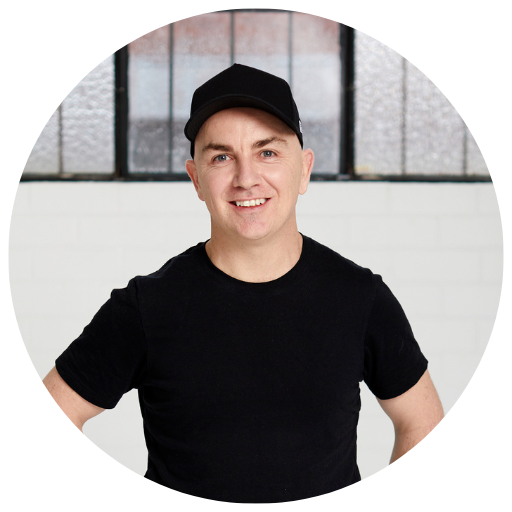
Nathan Bush: Today's guest owns a business that sells Fight Gear. But don't worry, we won't be quizzing you on how well you know your MMA from your Mai Tai, but we will bring you plenty of knockout ecom tips. See what we did there. Brendan Gillen is the Chief e Commerce Officer at Fight Gear Direct and the CEO and Founder of the E Commerce Factory. The E Commerce Factory delivers advice and coaching to help store owners, e commerce businesses and founders grow, optimize and scale their e commerce businesses. You might recognize Brendan from his black hat and his outrageous expressions in his YouTube clips. I originally met Brendan back when he was working at Superdry and we've stayed in touch ever since. He's one of the smartest and most practical people in E commerce and he's so generous with his knowledge. He his current client list include the Horse and Superdry and he's been in the top 50 people in E commerce for the last three years running. Today Brendan shares why it helps to care about the product you're selling. He tells us the importance of owning your supply chain. It's his non negotiable and he tells
[Voiceover]: us the way that he's been using
Nathan Bush: ChatGPT for data analysis. Like I said, Brendan is a consultant and a coach but he is hugely practical. He practices what he preaches so make sure you stay because he's got lots of tips that you can implement straight away. A quick reminder if you haven't signed up to or heard about our weekly Add to Cart newsletter. You can sign up for free every Tuesday morning. I go through all of my news sources to send you five links with reports, case studies, or new releases that I think e commerce professionals need to be across. We also have a few sneaky giveaways and promos in there. So head on over to add to cart.com to start receiving our weekly newsletter every Tuesday morning. All right, let's get into today's episode. Thanks to our partners, Shopify plus and deliver in person. Here's our conversation with Brendan Gillen, chief e commerce officer of Fight Gear Direct.
[Voiceover]: Brendan, welcome to Add to Cart.
Brendan Gillen: Thanks for having me, Nathan. I've been looking forward to this one for ages.
[Voiceover]: So have I. It feels weird to look and to be interacting with you in your black hat because a lot of people will recognize you from the black hat from your YouTube videos, which we'll get to. Black hat. Do you ever take it off?
Brendan Gillen: Yeah, occasionally. Look, I'm ball is a bat under here, but it keeps my head warm and it just became a thing. So I've just leave it on there and that way, you know, it's my uniform, I guess. I know when I'm at work, I have the black hat black top on. And if. If you see me without a black hat and a black top, I'm not at work anymore.
[Voiceover]: Be weird to see you without it.
Brendan Gillen: It would be, yeah.
[Voiceover]: All right.
Nathan Bush: We have a lot of ground to
[Voiceover]: cover today, but I want to start taking us back to when we first met, when you were e commerce manager at Super Dry, obviously in the more corporate side of retail. There. I want to kick off there. And when you made the decision to leave that role and to start Fight Gear Direct, your own business.
Brendan Gillen: Yeah. So Superdry was a great place to work. I loved it. It was with brand collective and, you know, great suite of brands and great team and it was really exciting. And I love the brand Superdry as well. But I'd been in sort of the corporate e commerce world probably for nearly 10 years at that stage, so. So I'd had a really strong career in that space and it was about time where I was like, well, maybe it's time for me to put my money where my mouth is and see whether or not I can do this on my own. So an opportunity came up for me to acquire a couple of e Comm stores and Fight Gear Direct was one of those. So I actually bought that store. I think it was late 2019 around the routes and yeah, I decided I'll take it on and give it a go and say goodbye to the corporate career and the secure paycheck and see what I could do with it.
[Voiceover]: What was your consideration factors? How did you know that was the right business to buy?
Brendan Gillen: It wasn't as calculated as I probably should have been, but I looked at a couple of things. One was, was it an unsophisticated space? And it was actually so this was a space that probably didn't have too many E commerce juggernauts in there and it was a little bit untapped from that space. So probably a disruptive market that I could get into. I had a look at the store and the previous owner was actually a bit of a Shopify nerd as well. And he sort of knew his way around, but was more. It was more of his side hustle, was just dabbling in it. So I could see that had the good fundamentals and the bones to go well, but it just needed a little bit of fuel put in the fire, a little bit of structure, a little bit of strategy, and hopefully I could get it to the results that I'd seen some of the other brands that I've gotten to.
[Voiceover]: That's really interesting because a few weeks
Nathan Bush: ago we had Ian Calvert on as
[Voiceover]: well, who's done a similar thing, buying businesses, building businesses rather than starting from scratch. Where were the obvious places that when you took on fire direct. And that's really interesting. I didn't realize that the person before you had a strong Shopify knowledge. So I'm assuming a lot of those foundations were there. Where did you look at that and go, I'm the right person to grow this? These are the fundamentals that I can improve straight away.
Brendan Gillen: Yeah, I guess from my career world. We sort of reported every week and you'd probably be familiar with this. We reported on traffic conversion rate, average order value, database growth. Right. So I had a look at sort of those three metrics and said, you know what, there's some actual strong metrics there and all we need to do is put a little bit of fuel on it, like I said before. So I needed to have a look at what sort of fuel it was that I could put on it. So I was looking at the Google Ads. That was a big one that I could easily just turn that up. You know, email marketing just wasn't being touched. SEO was okay. It could have been done a little bit better. And there was no sort of meta or Facebook ads in the day when it wasn't meta. So I realized if I could just Sort of tweak the dial on those and get those right. We could pretty much see sales instantly. And luckily within the first three months, we almost tripled sales within three months. So it was pretty amazing. Just by turning the dial and sort of knowing what to look for made those results happen.
[Voiceover]: Do you think you could get the same results in 2024?
Brendan Gillen: Yes, I could, but it would be a different strategy for sure. I think I could do it, yeah.
[Voiceover]: So when you went into buying that business for the first time, what was your end goal? Was it to build fight gear to the point where it's your one business that scales and you can go international and expand the product range and really own the that space, or is it always going to be one of a few things that you're doing?
Brendan Gillen: Yeah, it was going to be one of a few things was always sort of the case. I wanted to sort of prove to myself that I could do it without sort of the funding of a big company and, you know, the team structure behind me because I knew we could run this business really lean and really get the results that we wanted to get. So my goal is, was and still is is to build a number of Ecom stores and have a portfolio of stores. And I've seen that model work in sort of the physical retail space. And we see that with like Accent Group and we see it with Brand Collective. And I thought, well, why don't do this in the E Comm world and have a portfolio of E Comm stores, have a small team, a shared team that helps manage them. And I figured there was right for that. So that was at my sort of first one and I wanted to make sure I could get that stored at over a million dollars so that I knew that I had, you know, a great business. And then almost use that as a bit of a case study in could we replicate that again and then could we help other people? To do that was sort of the two sort of, I guess, paths I wanted to go down.
[Voiceover]: And what was the hardest part of going from a corporate background where you have all those resources available to you, to starting your own thing? What was the biggest adjustment?
Brendan Gillen: Going back to basics and just doing everything yourself. So I was jumping into Klaviyo, building emails, I was doing the designs, I was getting SEO back up and running. I was relearning all my ads, basically getting my hands dirty. I was sort of the only person in the business that was doing everything. So it was literally me in the store. When I first started, I quickly realized that wasn't a way to grow to where I wanted to get to. So I did surround myself with a very small team to help me with that. But just getting my hands dirty again, it was actually quite fun because it felt like, you know, this is where you started and now you've sort of gone back there and you, you're like, can I still lift those weights? And it was, it was a good exercise. I really enjoyed it.
[Voiceover]: And were you passionate about kickboxing?
Brendan Gillen: So I do have a background in martial arts. I'm passionate about sort of that martial arts sort of combat space. My background is in taekwondo, so I really like that sort of space. Kickboxing, I don't mind it. I have never competed in it, but I completely understand the sport.
[Voiceover]: This is my misunderstanding of the whole category. I just assumed it was all kickboxing.
Brendan Gillen: That is definitely our biggest category. Like kickboxing. Kickboxing and boxing are my biggest ones. And then MMA and then martial arts is after that. So yeah, but yeah, it's good. So I do have an interest in it. So that was also helpful. I do believe that if you want to run an ecom business, you should be interested in the product somewhat because it's a lot easier to pick up a product and assess it and know if it's good and know whether the market's going to like it if you actually know about the product. I see a lot of founders start stores because they just see an opportunity for a product but they don't really care about it. And it's a really hard way to grow a business. You really need to understand, know the product and really know whether it's going to fit the person that you're trying to sell it to.
Nathan Bush: From winning the block to establishing a a leading personal care brand during COVID it's fair to say that the Alive Body team can do anything that they put their mind to. But as the business grew rapidly, third party applications didn't speak to each other. Managing two separate sites for D2C and wholesale got costly and budgets were blowing out. Sounds like the typical Renault really. But as we know, the Alive Body team don't settle for standard renos. That's why they upgraded to Shopify. Plus combining DTC and wholesale stores with a unified backend, creating country specific stores and optimizing the customer experience with Shopify function, they've now got an award winning online home and it's paying off. With three times more customer acquisitions and a 47% increase in conversion rate, it's enough to put a smile on any skeptical judge's face, check out shopify.com auplus and get in touch with the Aussie Shopify plus team to see how Shopify plus can help you get your technical foundations in order.
[Voiceover]: What are your other non negotiables when assessing whether you want to acquire or start an E commerce business?
Brendan Gillen: So these weren't non negotiables when I first bought them. They're non negotiables. I've learned since buying it. Definitely owning the full product supply chain is really important because we sell other people's products, produce dominantly, we are starting to bring our own products in, which is really exciting. But selling other people's products means you're at the whim of them, right? And if they decide they're out of stock and if they decide they don't want to sell it to you, or if you've got three month lead time, that affects your business. Right? So that's one thing. The other one is all around lifetime value and understanding how do we extract a shorter lifetime value out of our customers. So the typical cycle for someone who is in boxing is probably 18 months to two years when they need new gloves or new new gear. So if we acquire a customer now, we may not see them again for another two years. So making sure we get profit out of that first customer is really important. So my non negotiables now is own the supply chain wherever possible, make sure you can increase lifetime value and shorten sort of the time from first purchase to next purchase. And then probably a third one is margin. And just making sure that we have great margin. When you sell other people's products, they eat some of that margin as well. So the problem is now, and I often wish I was more ignorant when buying stores because I bought that store, being a bit ignorant, not realizing I'm like, yeah, I can do this, no problem. But now that I know sort of all these other little bits and pieces, I'm like, oh, do I really want to invest in that store or do I really. Because it doesn't fit all the tick boxes that I want it to be. So yeah, that's my non negotiables. Now.
[Voiceover]: What's an acceptable margin for you today?
Brendan Gillen: An ideal margin would be 70% gross plus. Right. Is what I want in saying that. I look at a lot of stores all the time and I have seen people run exceptionally successful businesses with lower than 50% gross margins. It's just being super efficient with other parts of the business to make that work. So, you know, we run a below 50% margin, our current business. And we can make it work really well. It can be a heavily profitable business, but it means we need to be lean and efficient in other parts of the business. So one of the things that I took from being in corporate to what I'm making sure I don't do in these businesses is running the most lean leverage business that I can without overworking people. So efficient ad spend, efficient teams, you know, just doing the things that you need to do to get the results. So that's sort of the answer to the margin question. If you've got a big team and depending on the product and how operational heavy it is to make, obviously you know, the higher the margin the better.
[Voiceover]: Makes a lot of sense. You mentioned that you wanted to start Fightgear direct to test your own E Commerce skills and to prove you could do it with the seven figure store being the. The benchmark of success. Do you remember the day that you hit the seven figures?
Brendan Gillen: I do. It was in November 2021 one, I'm pretty sure, yeah. So November 2020. I don't have the exact date, but I know it was around that time. And so it took just over a year and a bit to get to the seven figures from when we acquired it. So that was pretty exciting. And then the next seven figures took like eight or nine months. So we can see we're starting to get that spinning up. So our goal, or my goal at the point was to get to a million dollars a year in revenue. And we find we, we did get there with, with a really small, tight knit team.
[Voiceover]: Great. And did that allow you then to take that model and build other businesses as well?
Brendan Gillen: That's the intention. But I haven't built another one since. We did acquire another small store out of the US we haven't quite reached those goals yet, but it's a completely different model. Smaller aov, not as big product range, but we're trying it on that one as well. But the goal is to have a number of these sort of seven figure stores in our portfolio.
[Voiceover]: Yeah. And you spend a lot of your time, from what I see, coaching and helping other E Commerce founders with the E Commerce factory. Why are you so passionate about coaching and helping others? When you've proven that you can do it yourself and you could potentially pour in your time and effort into your own businesses, why are you out there helping others?
Brendan Gillen: I think it actually spurred on from during COVID to be honest. When Covid happened and we all started working from home, I had a number of friends who ran retail businesses and a couple in particular ran like gyms and service based businesses where they had to pivot really quickly. And so they pivoted to selling online and they're like, hey Brendan, you know, I know you're in e commerce space, can you give me a hand? So I was just giving them a chop out over the first few months and a couple of them said, hey, you know what, you know, you're really good at this. You should, you know, see if you can help some other people out. So during COVID you know, I was helping some of my friends out and I realized that what I was telling them was actually really repeatable. And there was like a call, like a system that I could just tell everyone and they all, all were doing the same thing and all getting really good results. So I thought, well, maybe there's something here. So I just started teaching and sharing my skills and realizing that it was helping people. And because I love chatting about Ecom with everyone I speak to that it just felt fun and natural to do it. And yes, that's really why I create YouTube videos. I've got a little program that people can join because not only does it help me help them, but I actually have to go and learn as well to stay ahead of the game. So one of the things my wife said to me once was she said, well, now that you're not in this sort of corporate e comm world and you're not going to all these big events as much and you're not attending seminars and you're getting the training, like how are you going to stay ahead of the game? Right? So I figure, well, the only way to do that is to learn and teach myself because I have to stay ahead of the game to be able to teach the right content. So I've found going through this process of teaching and learning and teaching and learning has helped me level up my store. So what I tend to do is everything, I go out and learn, I then stress test it on my store and go, okay, this works or it doesn't work. And then, you know, try and share that across YouTube or places like that.
[Voiceover]: It is one of the best ways to learn and even if you are in a corporate setting is learning something and then trying to explain to others how to do it. It's one of the best ways of learning. So I love that insight. You mentioned there a repeatable system that you formed and that you came across and you found yourself explaining to people who've reached out to you during COVID Are you able to give us an idea of what that system looks like?
Brendan Gillen: Yeah, it's pretty simple. Basically, when you sort of launch an ecom business or run an E comm business, there's three real core pillars that go into running a business. One is where do you get your visitors from? The second one is when you do get them, how do you turn them into customers? And then how do you repeat that and scale it over time without stressing yourself out? Right, so sort of three things. We call it attract, convert and scale. Pretty simple. And so if we break them down into their own little cohorts in, in where we get traffic from, you know, we have to pay for traffic to get them fast. We then have to capture them and keep them in our worlds. We can continue to talk to them and sell to them. So that's like email marketing and sms. And then we have to earn traffic by with SEO or social media or people referring to us. So there's a sort of three ways that we think about getting traffic. Paid to get them now, earned to keep them for later, owned to keep them for later, and earned to get them when we least expect them. So fast to slow. Then when we think about how we convert them, we go, how's our product look? Is a product market fit? What problem are we solving and how we're articulating that? And then how do we get the most amount of value from that person? So increasing average order value and then how do we keep that customer and get feedback from them and reiterate on that feedback. And that was a big thing I took from corporate. They were really big on feedback like NPS scores and understanding what customers were doing and then improving their product. And that was something that we were really cognizant on in trying to help people buy our boxing gloves was how do we make it that they give us feedback and improve over time. So then the final part is then if you've got that right, then how do we repeat that and scale it? So that's understanding economics. So like we talked about with margin, you know, do you have the right margin to spend on ads? Do you have the right margin to grow your team? You know, are you able to buy more stock? How do you forecast so that side of things? Then we think about planning, you know, are you planned out what's your marketing next month? Are you planned for Click Frenzy or, you know, Black Friday or things like that? And then the final part is, how do we want to expand this business and is it going to be either Just increasing our team size, going into new markets, going to marketplaces, going global, getting more products. So that was the sort of system we broke it down into. So by looking at that way, when we look at our business, we go, okay, what areas we just traffic light. We go, what areas we're green on, what areas we amber and what areas we read. And then as a team, we just go through, okay, let's focus on this red area now and really nail that. So as an example, let's just say we're not getting great revenue out of our email. We would focus on, you know, that would be an amber and how do we get that to green. So pretty repeatable system across any business if you just sort of overlay that with how they're working.
[Voiceover]: Yeah. So it's almost like the customer life cycle that you see wheeled out. But yours seems a lot more digestible and repeatable. The part that I'd love to get your opinion on is that step of engagement. So between attract and convert engagement, and this is something I've been speaking to a few people about recently around. How important is actual engagement? Or do we want to try and skip through engagement as quickly as possible to get to the sale? Where do you sit on that?
Brendan Gillen: I guess it depends on what your measurement of engagement is. And I hate answering this like as it depends, but it does depend. So let's just, let's put it into context. So let's just think you've got a product that's $20 and you're, you know, it's an easy decision. It's an easy. Yes. Right. It's only 20 bucks. Doesn't matter. The risk is really low of buying that, which means you can have a short engagement cycle. It's like, here's my thing, buy it now. Doesn't matter if you don't buy it. Right. So it's a volume type business. However, if you've got a product that has a consideration cycle, there needs to be some engagement in it. So you definitely, if you've got a product, say over $150 or $200, where someone needs to actually fork over some cash and make a decision and make some sort of decisions based on external factors and factors about the product, like, you know, is there another company that sells it for cheaper and if it is, why, you know, this company is more expensive, how soon do I get it? What's my warranty look like? Have other people bought it? So there will be an engagement piece if the actual time to purchase is longer and the consideration Phase is higher. So I think it's super important, but it's really dependent on the product that you offer and, you know, I guess how much it is. That's how I see engagement play. Where engagement is important after the purchase is that lifetime value piece that I talked about on keeping them aware of your brand, knowing that, you know, you are still there and, and that you're trying to re engage them to potentially buy from you again, or if not buy from you again, tell their friends about you. So you've got this promoter mentality from your customers.
[Voiceover]: So rather than a unique stage that sits between attract and convert, you see engagement just as part of every step, but the engagement being relevant to where they're at.
Brendan Gillen: Absolutely. Yep. Because we don't want to just, you know, wham, bam, thank you, ma'. Am, we want to make sure that we, if we do get the customer in, that we make sure that they become part of our community. And it's actually a really interesting thought I just had was we've got two or three people I work with, and they actually have really strong communities that they continue to, I guess, put their hands into the bucket and, you know, take revenue out of. They have large Facebook communities that are part of their vip. So they're existing purchases that are in this VIP community that they continue to talk to. So they're continually engaging and bringing people into this world. And if you think of some of the biggest brands in the world, people, they're brand advocates and they are part of that community and they're proud to wear the brand. So I think engagement needs to be from the start all the way through to the end.
[Voiceover]: It feels like Facebook communities. I know this was just an example that you gave, but I kind of wanted the underrated weapons that you can have as an E commerce brand, if you get it right. From what you're seeing there in those examples. What are the secrets to a great Facebook community? For an E commerce retailer, it's really simple.
Brendan Gillen: You just don't try and sell to them in the community, Right. So you become one of them. So people buy from people, right? So if they can put a face or a Persona behind the brand and they then can feel like they relate or can become part of that brand or aspire to be that brand, and you speak to them as part of this community, then you're going to have raving fans forever. But if you just bring them into the community to try and sell to them, you're going to lose them straight away. There's a couple of activewear brands out there in Australia that do these communities really well. They have, like, VIP community groups. And if you're part of this community, a little takeaway for people is what. What they do is they go in there and they say, we're refunding all these orders. We're going to refund one of these orders. Just put your order number in, right? And so for the week, you put your order number in of the purchase that you've made that week, and they go in and they choose order number 1, 2, 3, 4. You've been refunded today. So it's a way to engage the community for being part of them. Plus, they give them tips and tricks about the category. They, you know, get them early access to the VIP deals, they get their input on new product development. It's really, really powerful in engaging the community. But the key is don't sell to them. You just want to be giving to them all the time.
[Voiceover]: And are those communities that you're working with there, are they branded communities or are they kind of passion communities?
Brendan Gillen: I've seen both. So the branded communities are definitely more commercial and can be. Value can be extracted a lot greater. The alternative, where it's like a passion community based on the product that, you know, we don't have one for the boxing stop. I'll use that as an example. So let's just say we had a community about Australia's greatest boxers, right? And we knew we had everyone that was into this boxing community or, you know, the best boxing techniques for Australia. You know, we could have lots of people in there, but it'd be really quite challenging to sell them a product unless it was to help them become a better boxer. Maybe we could then. Whereas if you have like a VIP for the brand, you know, you feel like you're on the inside and you're more likely to commercialize. So, yeah, it's probably just a 50, 50 different approach for different strokes, I guess. Yeah, I love that.
[Voiceover]: Great ideas. With the founders that you're coaching and taking through your programs, you must see some incredible stories of growth and how that can actually change people's lives. I think we've had a few E commerce coaches on the POD who have seen that and taking their skills that they've learned through their careers and applying it to others to help them fast track their success. Has there been a particularly rewarding story from a client that you've worked with?
Brendan Gillen: I have two, actually, and I've got one that was just recent, which was really, really nice. I Got a Facebook message from her about. I was like 7pm on a Friday night. And she goes, hey, Brandon, I just wanted to thank you. I was able to get my first mortgage this year because of the growth that my business has had. And we're finally moving to our first house and the garage is big enough to ship stock from. So she was really wrapped about that. So that was really heartwarming to know that we're actually helping people get further on in their life.
[Voiceover]: Sure. She hasn't just rented a warehouse and then she's got a lunchroom to live in, maybe.
Brendan Gillen: I don't know. But what's interesting about this person here is, you know, she's been working with me for maybe just over 12 months. And at the start of it, she was just ready to give up and ready to just like, say, I'm not doing this anymore. It's all too hard. I'm making all these sales and I'm not getting any revenue back or any money back in my bank account, which is the biggest challenge. And we all see that as we grow, right? We just see all this revenue growth, but no profit. And so we just unpacked her numbers and realized that, you know, she was holding two years worth of stock and, you know, she was overpaying on agency fees and all this sort of stuff that, you know, I can see and, you know, someone that's been around for a couple of years can see, but all they see is the revenue numbers and realize that there's actually profit to be unlocked. So that was really heartwarming. And then the second one was I got a note from a mum and dad couple that I work with and they sent me a message and it was a photo of this ninja warrior playground in their backyard. And they said, we were able to upgrade our kids Christmas present this year thanks to the growth in our business. This is what we got them. The boys are going to be wrapped. And it was just a. Just those little things that make people's lives better and their family life better. That's. That's really what I love about it.
[Voiceover]: That's so cool. I love those stories.
Brendan Gillen: Yeah, it's so good.
[Voiceover]: When you are working with founders, what is a common myth or a limitation that you find yourself constantly coming up across?
Brendan Gillen: The big one I see is that people think they need to be a tech expert in E commerce. That's probably the biggest one. That is a big limitation and probably why I push Shopify so much in my world, because I have been around a little while and I come from the days where we were using Magento 1. And you did need to be very techy for that sort of stuff, right? Really, really techy. And you now look forward to where we are now with something like Shopify or BigCommerce. And it's like, it's just never been so easy. And in fact, I'm a bit annoyed it's this easy because it wasn't this easy in my day, right? So like when people say to me, oh, I'm not techie, I can't do it, then I'm like, well, actually, no, that's not true. And I've got a little bit of an example where I've been able to prove this wrong is I got two daughters, one's six and one's nine. And when my daughter was eight, so she turned nine in November, but she was eight, so I think it was October last year. And she said, hey dad, what do you do for work? And I said, oh, I sell things online. And she's like, okay, do you think I could sell things online? I'm like, I think you could. So anyway, we went through this process of her ideating what she might be able to sell online. And so anyway, she loves earrings. So she went and imported some earrings off Alibaba and she built them, you know, she made them and glued them and got all the parts and put these little earring things on together. And I said, well, if you want to do this, you're going to have to build it, right? So, so she went ahead and she launched her own Shopify store. It took her maybe about a week to do and that was. I wasn't doing anything techy. I was just sitting there next to her and she built the Shopify store. And she's like, well, she was eight then, she's nine now, but now she launched this store and you know, she started selling products and I think in the first week and a half she made like 100 bucks. And for a nine year old, that's like, that's ridiculous. So when people tell me that they're, they're not techy enough, I'm like, no, that's not true. That's the self. That's a limiting belief that you have because the amount of education out there, the amount of ease that things can be done and the amount of support that you can get for free, like YouTube as an example is phenomenal. So you can do it. So that's the biggest one that I see is that the tech can't hold you back anymore.
Nathan Bush: Was your last e commerce experience blase or beautiful? Online retailers have dozens of touch points with shoppers. But the delivery experience is the one. One touch point that stays with shoppers far beyond the checkout. Picture this, you've purchased a product you love online. It's crickets until you come home to find a sad looking dented package left unattended at your door. Sometimes that's all it takes to turn anticipation into heartbreaking frustration.
[Voiceover]: How can you tell if this is
Nathan Bush: happening to your customers? NPS or Net Promoter score is a critical indicator. The average NPS in e commerce is just 50. Deliver in person. The delivery experts who create remarkable post purchase experiences consistently gets around 98. NPS deliver in person has already helped brands such as July Samsonite, the party people be even more adored by their customers. How can they help you turn the last mile into the first smile that shoppers have when they think about your brand? Find out@deliverinperson.com
[Voiceover]: so based on that, if tech isn't a limitation, where do you suggest that founders or even e commerce managers, if they're listening or even e commerce managers, invest in themselves? From a skills perspective, is there a platform that you recommend to get deep in or is it more of a soft skill? Where do you invest in yourself if the tech can mostly be achieved off the shelf?
Brendan Gillen: To be honest, YouTube is the best place for this sort of thing. And I know I have a YouTube channel. I'm not just doing that, but this is where I learned everything. Throughout my whole journey of e commerce, there was no certification, there was no skills. In the over 10 years of going to learn e commerce, this is starting to come forward now. We're definitely seeing skills out there and certifications and you know, specialist communities. But YouTube should be where you start, right? That's the first place. But I don't want someone to just go into YouTube and just say teach me E commerce. You need to go in with a specific problem that you have that you want to solve, right? So if you want to solve, how do I get a better return on ad spend out of my ads? We then just dive into YouTube, go down a rabbit hole and choose a strategy you like and try and implement it and then test and learn. Because you can't break anything now that the tech is so good. So you're not going to go in there and break anything. You might just spend a bit too much money and you got to pull back a little bit. But go back, go into YouTube again and go okay, well okay, I overspent my CPAs were too high. What went wrong? And there's always someone in YouTube that can help you. So that's where I really go into. And then go into industry bodies after that. So if you have a specific skill, like you want to learn Klaviyo or Gorgeous or Shopify, they've also got amazing free education as well. So education's easy to come by and the tech's easy to do. Like, there's no reason you shouldn't be able to get there. Really.
[Voiceover]: That's awesome. And I know that you've put a lot of effort into creating YouTube videos to help the community, all available for free. The one that I saw most recently was that there was a Facebook group that we're both involved in. And there's a lot of questions around the email changes to the DMARC and making sure deliverability. That's all happening. And you went, well, actually, I've just created a video on that. How do you work out what people. How you can help people using YouTube?
Brendan Gillen: So if we revert back to what we said earlier, where if I want to stay ahead of the game, I need to learn the thing to be able to teach it. So when this dmarc thing came up, I was like, I don't have a clue what this is all about, right. And so what I do onto YouTube to find out all about DMARC. And I'm like, there's no video here for this. So I'm like, well, who's going to create the video? And I thought, well, I can. I can do that. So I'm really good at learning. So I just went through and, you know, sort of sticky tape together what the DMARC was all about. And then I created a video on it. And my goal is to make sure that I make the. I make the tech complaint go away and I make the complex, really simple. And that was what I tried to do in that video is like, it's actually not that hard if someone speaks to, like a human and not like a tech bot. And we just go, okay, we just click that, click that, click that, and we're done. So I just create videos I wish I had when I was learning. And if it's not out there, then I'll go and research it, learn it. And then I figure, well, since I've learned, I may as well share it with someone else, because there's likely someone else out there that's going to need it.
[Voiceover]: Yeah. What's been your most popular video so far?
Brendan Gillen: Shopify SEO, actually. So we Do a whole. I would say we. It's just me and a video editor. So I do a whole swath of the videos based on, again, my interest at the time. So I was going down this Shopify SEO rabbit hole, and I knew a little bit about SEO and I understood, you know, the whole structure behind it. Like, okay, well, again, maybe people would like to see this. So created a little framework and created the video of Shopify SEO, and then we did an advanced SEO one, then we did a Shopify marketing and then Shopify Facebook ads. So sort of everything I'm learning, I just record what I've done and load it up there.
[Voiceover]: What have you Learned about creating YouTube videos that attract the right audience and engage? I always find, you know, the idea very overwhelming. Fast frame rates, all that sort of stuff. I'm like, oh, it just seems a lot of hard work.
Brendan Gillen: So I. I block out nearly a day and a half every week now just to do content. And that's not just content for YouTube, but for my internal community as well. But there is a structure you need to follow. And, you know, I follow the Mr. Beasts and all these other sort of guys and. And they do actually follow a framework from packaging up the thumbnail. That's why you might see me doing these crazy faces. They do the packaging up the thumbnail through to the headline, but then it's also through to the first 30 seconds and understanding how to get people to click in there and then retention rate. There is a lot that goes into an understanding the structure and the strategy that goes in while still trying to teach someone without trying to sound like you're just trying to, you know, keep them watching your video. So there. It does take a lot of work, but once you get a rhythm, it's. It's basically you can sort of get used to doing it. So I've cut my video recording time down from a day to make one video. I can make four in a day now. So, yeah, it's a lot of. I'm enjoying it. It's a lot of fun, actually.
[Voiceover]: We got to 7,000 subscribers now.
Brendan Gillen: Pretty close. Yeah, Yeah, I think we're there. And my goal is to get to 50 by the end of the year. So anyone listening, please like and subscribe. I have noticed that that is now my new vernacular. Everywhere I go, I'm just like, in a conversation saying, like, and subscribe to this video.
[Voiceover]: I was listening to Stephen Bartlett's Diary of a CEO book on the way to work the other day, and he was talking about that same YouTube thing about how many headlines and thumbnails he tests. And it's a stupid amount. The amount of detail that they put into their YouTube testing is insane. But he talked about the please like and subscribe. He's like, I found myself saying that over and over again. But then he had a tip in there. He was like, actually I realized that after a while everyone was used to that language so I have to stop saying that and reword it in a different way. And it was something like, did you know that 70% of you who listen to this actually don't subscribe? If you subscribe, you'll be able to help us create more content. And apparently his subscriptions just went off the charts.
Brendan Gillen: Yeah, that's definitely the talk in the creator community now around. You know, like and subscribe is like banner blindness. You know, it's like a pop up on a website. You just close it without even reading it. Same with like and subscribe. So you will notice now that you've brought it up and now everyone listening to this is going to notice as well. You'll have something like smash the subscribe button or they'll integrate into the content somehow or they'll do something along those lines. So yeah, 100%. But for amateurs like me, I'm still at like and subscribe level. Eventually I might try something bigger than that.
[Voiceover]: Define YouTube as a successful channel for the e commerce brands that you're working with.
Brendan Gillen: Not as big because you do need to put a lot of effort into it. So if we think about when I talked about leveraging and efficiency in growing ecom brands, there's a lot of work that goes into building a YouTube channel and you know, you could be better spent that day and a half focusing on other parts of business. They're going to get the bigger outcome. It's a long burn on getting YouTube and you can go down a rabbit hole. So we say YouTube ads can be quite good, but not necessarily YouTube content unless you have like a specific need. So there is a couple of guys that I know they're not in any of my communities or anything, but they run like phishing channels and you know, talk about lures and all those sorts of things where they are teaching people something and then looping it back into the E commerce store. What I see a lot of content creators from YouTube doing is the other way around. They create the YouTube business, you and then they start selling products. This is really one famous guy, actually his name, I'm not sure what his name is at the moment, but he ran a YouTube channel where it was about like plants and growing plants in your house. And he ended up selling like plant pots and he ended up doing like a million dollars in the first month or something like that just because his YouTube audience was so big. So I think it works better the other way around. Not trying to build a YouTube audience to sell product. I think it works better the other way around.
[Voiceover]: Yeah, yeah. Like Mr. Beast selling chocolate.
Brendan Gillen: Oh, yeah. Have you had his chocolate?
[Voiceover]: That's horrible.
Brendan Gillen: I liked it. Maybe. Maybe I'm just a fanboy. That could be why I like it.
[Voiceover]: Yeah, maybe I came with the opposite and I was like. Because my son was, you know, begging me to buy it and I got. It was like $4 for 50 grams of chocolate. And I'm like, this is a rip off. And so he's like, did you like it then? I'm like, no, it's pretty average.
Brendan Gillen: I think you must like really sugary chocolate because this is quite bitter. Like it's very.
[Voiceover]: I like dark chocolate, but I just. Yeah, it just wasn't my thing, but. Incredible story. So which E commerce tools and tech are you experimenting with now? We've mentioned Shopify and the Klaviyos and the, you know, the standard tech set. Is there anything interesting for you out there right now?
Brendan Gillen: Look, the biggest one for us is keeping it really lean. Tech stack for us is to be super lean. And I've said that a lot, that's really important. But we're just trying to leverage the tools at our disposal. So AI and media buying is really big for us right now. So we're trying to keep everything in house. So we're leveraging sort of machine learning and AI where we can. So your ChatGPT is your bods. We use ChatGPT heavily for things like data analysis because we can put spreadsheets in there and get some information out about the spreadsheets. We use it for a little bit of ideation and back and forth for creating email content, some of those sorts
[Voiceover]: of things through the spreadsheet thing. Sorry. And then we'll come back to that. But really interested. So you're obviously subscribing to ChatGPT. So you get GPT4.
Brendan Gillen: Yes, correct.
[Voiceover]: What kind of spreadsheets are you putting in?
Brendan Gillen: So we're exporting sales data out of Shopify and we're throwing it into ChatGPT and just asking it questions about that data. So we might do something like how many times has a customer purchased more than twice in the last 12 months or something. Like that to really just sort of choose the data. I'm actually just asking you questions that my CEO used to ask me when I was in corporate because I used to go ahead and have to just try and analyze that myself in Excel. So I'm like, well, I'm just going to throw it in ChatGPT and see what happens. So that's what we're using it for. Other things like exporting split tests on subject lines in emails, you might throw that in there. What was different about this subject line that you could tell us that might have made it have a better open rate, but it's sort of querying it on things like that sort of data. Is it perfect? It's not amazing, but we can definitely see the potential of it and it's really powerful for us there.
[Voiceover]: So do you always have to double check the results?
Brendan Gillen: I probably should double check them more than I do. But it's pretty good because it keeps asking you questions if it can't get a result for you. So it'll be like, I'm not really sure what you mean and it asks you to re explain it. So that's sort of one way of using AI. The other one is we built a little tool internally that helps us create ad copy. So we use ChatGPT or OpenAI and Google Sheets and we've connected the two and we pop in sort of what the outcome of the ad is, what problem we're trying to solve, you know, what the features and benefits are. If it's a product related ad, call to action and then it just spits it out for us based on, you know, headline copy for Facebook, you know, copy for Google Ads, things like that. And then we just can copy and paste it in. So it just helps us speed up the time to executing an ad. So that's sort of one way we're using it and then the third way is using it in other tools like Meta and Google. So Meta has advantage plus the AI in there is like amazing. So really we don't have to worry about media buying now, we just have to worry about Google Creative. And then in Google we're using pmax quite heavily because pmax, it works really well for big data sets. If you throw lots of data in there, it spits out and gives you answers. So we sort of use the AI not as doing the job for us, but to teach us how, how the algorithm's working. Right. So if we're throwing bad creative into Facebook, the algorithm is going to just chew up the budget. It's not going to perform. But if we throw good creative in then the algorithm likes it. So we know that it's working really well and that the same same goes with pmax. So that's sort of my. Because I have a lean team. My team is now that's my AI team, if you could say that. Yeah, I love it.
[Voiceover]: It's a really interesting one that you talked about before around being tech savvy isn't necessarily a requirement of being in E commerce. Now people like Shopify have taken care of a lot of it. If you can't find it, there are people there to help and often that's for free. Do you feel it's going the same way with performance buying? I mean I remember it was just two years ago. Right. Is that you could try and hire a performance buyer for your brand and you'd be looking at 150 grand plus because rare is hen's teeth and really highly sought after to really get the most return out of the investment that you're making. Those platforms like Meta and Google. Do you see with PMAX and Meta's AI that the demand for performance managers is going to decline because we're going to have less reliance on manually adjusting?
Brendan Gillen: Yes, I think there is going to be a decline in the need for like general performance managers. And I'll just explain it a little bit and this is sort of how I work with the guys in my community is especially if you're doing the ads yourself or using an agency. Right. So depending on the size of your business. But if you're looking at your ads every day and you're adjusting and you're spending an hour or two on your ads every day just to get another 1 to 2% out of your the performance of your campaign. You can go over a week, you've spent four or five hours just tweaking this campaign to only get 1%. Whereas you could say, okay, I'm going to help. Let the AI do the most of the heavy lifting here. And I only spend an hour a day on my camp, an hour a week on my campaign and I have the rest of the time to do other things like send emails to SEO, do great customer service, follow ups, all the other stuff that generates revenue, you may not get that 1 or 2% increase, but you've just saved four or five hours in your week. So I sort of look at it that way that it helps you with your heavy lifting. Plus it does all the smart stuff for you faster than a media buyer can. Now if you're a large company with a massive budget. Does a media buyer help? Absolutely. Look at the numbers and make sure that you know, you're spending the right spot. Because I've had one account that they weren't looking at it. You know, we talk about looking at it once a week. They weren't looking at it regularly enough and ended up spending thousands of dollars within four days because it just product turned on and it oversold and anyway it didn't work so well for them. So you do need someone looking at it and that knows what numbers to look at. So I think there will be a need for media buyers more niche, more high end, more, you know, sophisticated. But I think that everyday general media buyer, I think that role is going to disappear.
[Voiceover]: Really interesting. You mentioned in there before around coaching and helping others find success. I saw a post that you did on LinkedIn the other day that you spent $37,000 last year in personal coaching and self development alone. That's a lot of money. How are you making sure that you're getting value out of that?
Brendan Gillen: Yeah, I was shocked as much as you were. Right. So I was doing my accounts, I'm like, oh wow, 37k, what's that? And it was like, I'm coaching but I would not. In fact, if I could spend double, I would. And I know that sounds really crazy, but I like and I guess what we do in our work a bit like an athlete, you know, if you were wanting to be the best athlete in the world, you will assign yourself with the best coach. So I've hired a couple of coaches in the last sort of year and a half. One of them was to teach me how to unpack what's in my brain from a skill set and deploy it in a really simple way. Right. Which is what I've been doing on YouTube. Take the complex and make it simple. So I had a coach tell me with that and could I have done that as quick as possible? Could I have done that as quickly as I did without them? Absolutely not. So that's been a great way for me understanding how to articulate what I know. And like I said, I'll do it again. In terms of how to get value out of it. I just do everything they tell me to do, right? So think about if you go to the gym with a personal trainer and he says, Do 20 push ups, Nathan, you go, okay. So my coach says to me, I
[Voiceover]: don't know if I'd be that enthusiastic.
Brendan Gillen: You go, oh, you're bloody sure? Maybe you'd Say, can I just do 10? But you know, if you want to get the results, you'll say, well, you got to do 20. Right. So not only does a coach keep you accountable, but they have paid that path before. Right. So I've done that for the delivery of my content is one thing, but I've also hired another coach around like family wealth and, and finances to make sure that, you know, as we've both got families, you know, you want to make sure that in the future that your family's secure. So I've had someone help me with that because I just couldn't get my head around that. Right. So I got someone help me with that. They've done it before. They have a successful business but they also have secure family. So I've used someone there. And then I joined Masterminds a lot again, being with people that have taken the steps that I want to as well. And I've no doubt that by coaching and being part of Masterminds and Networks has absolutely made me surpass where I thought I would be in two years, since sort of three years now since leaving sort of my career.
[Voiceover]: That's awesome. So is the secret to you finding people who can help you? They have to have done what you want to achieve always?
Brendan Gillen: Yep. Because like how can they teach me if they have never done it and they've never felt it? Right. So that's really important because, you know, there's a lot that goes in it emotionally as well as, you know, what should you aim for and how high should your aspirations be. I always thought I would be here, but they're saying no, you could be here or vice versa. And I think that's really important that someone can see what you can't see and have lived the dream that you want to live before. And I think that's really important. And yeah, I love, I love aligning myself with people that have done what I want to do, really is sort of how I see it.
[Voiceover]: Great advice and I think that loops nicely back to where we started with you. Your desire to prove that you can build Fight Gear Direct to a million dollars and well beyond now so that you can help others as well. So great philosophy there. I love that. What's next?
Nathan Bush: So you've got a lot on your
[Voiceover]: plate at the moment. What's next? What's next for yourself? Fight Gear Direct E Commerce factory. How do you prioritize it?
Brendan Gillen: Yeah, look, I'm pretty lucky. I have a nice tight knit team that helps run five Key Direct and helps us work in our coaching community. So I'm always on lookout for acquiring new stores or building new brands. So we have two sort of in the works that we're hoping to get up and running in the next few months in terms of building one from scratch, which I never thought I'd do, but I think I'm going to and then looking to acquire another one. So really living that portfolio dream that I had as we go while still sort of using what I learned on there and teaching to people via YouTube really again, it helps me sharpen my sword. So that's sort of my goal is more E comm stores, more content and just keep it like that.
Nathan Bush: Love it.
[Voiceover]: So if people want to get in touch, I can assume that you are the kind of guy who loves when people reach out to you for advice and you're very generous in helping people out. What's the best place for them to go to get some of the content that you've already got out there?
Brendan Gillen: Yeah, to get the content like we've sort of talked about throughout this whole sort of pod. YouTube would be the best place. That's where I put all my best stuff. Long form content heaps better. Or any of the other sort of socials. I'm on TikTok a lot lately. I'm not dancing but I'm on there and then and Instagram if you want to DM me. It's probably the easiest way to get directly into my inbox. So they're the main places I frequent every day. So yeah, feel free to get there. And I do actually have a. I forgot about this. But speaking of Facebook communities, I have a Facebook community, it's called the E Commerce training ground and as you can imagine jumping in there and I share some training secrets in there. So just look for that on Facebook and you'll get direct access to me.
[Voiceover]: Good stuff. What's the YouTube channel name?
Brendan Gillen: The E Commerce Academy or the Ecom Academy.
[Voiceover]: Beautiful. Brendan, thank you so much for joining us today. That was awesome. We went a bit all over the
Nathan Bush: place, but it was a lot of fun.
Brendan Gillen: No worries, mate. Thanks for having me.
Nathan Bush: Just like Ian Calvert, Paul Waddy, Kelly Slesser who've come on before. I'm always grateful. Free commerce coaches who join us to share their insights openly and unreservedly. It's a really unique perspective when they're working across so many clients. And as expected, Brendan did that in spades, especially with his really practical tips. Here are the three things that I took away from Brendan's conversation. Number one, own your product supply chain. I was surprised that it was a non negotiable for Brendan, but it makes
[Voiceover]: sense sense for his type of business.
Nathan Bush: He needs to know what stock he has available, maintain healthy margins and own the customer over their lifetime. It may not be the biggest business in the world after all. It is a bit of a niche, but it is a healthy one. If this is also important to you, owning the supply chain is a must. Number 2 YouTube as a powerful channel While TikTok is the darling at the moment, YouTube is. YouTube remains a powerful channel to engage and build an audience. As Brendan shows, he gave some great tips around how to select content, catch attention and interact with audiences to make it a powerful reach tool for the right audience. This applies obviously for e commerce coaches but is also a great tip for retail brands. Number three Teaching how to learn. I know it is daunting and impossible syndrome is very real, I know that. But teaching truly is one of the best ways to learn. Taking what you know, bringing in new perspectives and angles and then distilling this in an easy to understand concept is not only useful for those you are teaching, but will also help you communicate your knowledge to others. Thanks for joining us today on Add to Cartoon to listen to all our
[Voiceover]: e commerce conversations now in the hundreds.
Nathan Bush: You can head on over to addtocart.com there you can also join up to our free private Slack community to share e commerce ideas, tips and questions with other listeners. You can also subscribe to the Add to Cart weekly newsletter and browse some of the video highlights from our chats. There is a lot there that's add to cart.com and if I can ask you one thing before you go. If you enjoyed today's episode, make sure you share it with a friend or a colleague who could benefit or leave us a review. It really makes a difference. Thanks again for listening and until next time, keep those customers adding to Cart.